
Amazon Prime has cemented its place as a cornerstone of modern digital life, offering a dazzling array of benefits from expedited shipping and exclusive deals to a vast library of streaming content, music, and digital perks. For many, the convenience and entertainment value provided by Prime are indispensable. However, the recurring membership fee can represent a significant annual expenditure, prompting a natural desire among consumers to explore avenues for mitigating or even eliminating this cost. The allure of “free forever” is powerful, yet often elusive. This article delves into a pragmatic, money-centric exploration of strategies designed to minimize your outlay for Amazon Prime, transforming what appears to be a direct cost into a manageable, or even negligible, expense through shrewd financial planning and leveraging available programs.

Our focus here is not on illicit workarounds, but on legitimate, financially intelligent methods that align with Amazon’s own offerings and broader personal finance principles. We will dissect how to exploit introductory offers, qualify for specific discount programs, utilize indirect payment methods, and make informed financial decisions to effectively gain the benefits of Amazon Prime without bearing the full burden of its subscription fee. By understanding these strategies, you can integrate Prime’s value into your life while upholding your financial prudence.
Leveraging Introductory Offers and Eligibility Programs
The most direct paths to reducing or eliminating Amazon Prime costs often come through time-sensitive promotions and specific eligibility criteria established by Amazon itself. These programs are designed to attract new subscribers or support specific demographic groups, and savvy consumers can utilize them to their financial advantage.
Maximizing the Free Trial Period
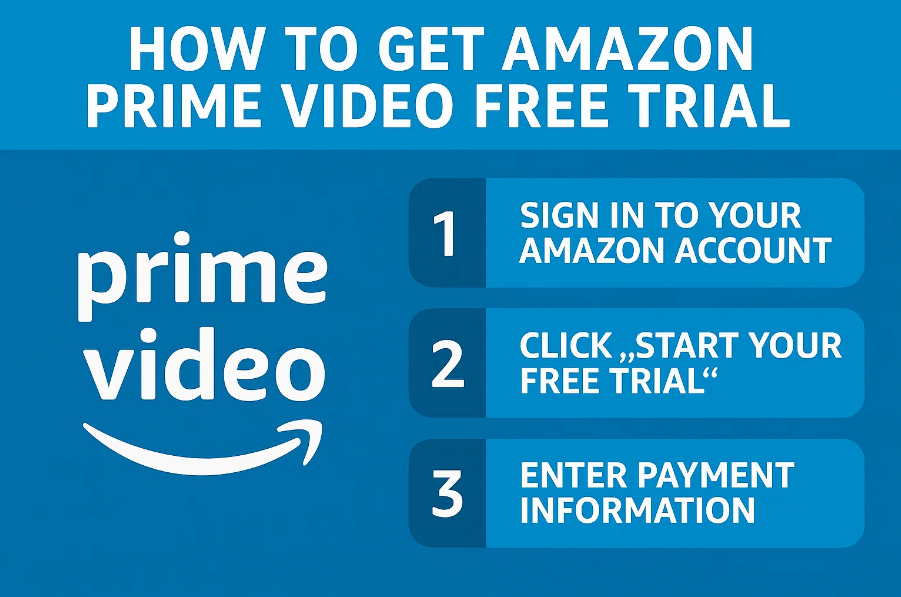
The cornerstone of Amazon’s new customer acquisition strategy is the standard 30-day free trial. This is your initial, no-strings-attached opportunity to experience Prime without financial commitment. To maximize this, consider the timing of your activation. If you anticipate a period of heavy Amazon shopping (e.g., holiday seasons, back-to-school), aligning your trial period can yield significant savings on shipping costs and access to exclusive lightning deals.
Beyond the initial 30 days, it’s worth noting that Amazon sometimes offers extended trials or re-engagement offers to users who previously held a Prime membership but let it lapse. While not a “forever free” solution, maintaining awareness of your email inbox and Amazon’s promotional banners can present intermittent opportunities for short-term free access. The key financial discipline here is to set a calendar reminder to cancel before the trial expires, ensuring you are not automatically charged. Forgetting this step is a common financial pitfall.
Amazon Prime Student Discount & Trial
For students, Amazon offers one of the most substantial and prolonged pathways to reduced Prime costs. Eligible students can sign up for a generous six-month free trial of Prime Student. This extended trial is a phenomenal financial benefit, providing half a year of full Prime benefits without any cost.
Following the trial, the membership automatically converts to a discounted rate, typically 50% off the standard Prime membership fee, for up to four years or until graduation, whichever comes first. To qualify, students generally need a valid .edu email address or other verifiable proof of enrollment in an accredited college or university. From a financial perspective, this represents an enormous saving over several years, making the initial eligibility check a high-return activity for students. It’s a strategic investment in convenience and entertainment at a significantly reduced price point.
EBT and Medicaid Holder Discounts
In a commendable effort to make Prime more accessible, Amazon offers a discounted Prime membership for recipients of qualifying government assistance programs, including EBT (Electronic Benefits Transfer) and Medicaid. This “Prime Access” program typically provides a significant monthly discount, reducing the cost to a fraction of the standard fee.
This initiative is a direct financial aid mechanism, acknowledging the budget constraints faced by these populations. Eligibility is usually verified through a quick, secure process where users link their EBT card or Medicaid account. For those who qualify, this isn’t “free forever” but represents a profound and sustained reduction in cost, making Prime’s benefits financially viable for millions who might otherwise be priced out. It’s a prime example of a targeted financial program that savvy consumers should absolutely leverage if they meet the criteria.
Indirect Strategies for Sustained Prime Access
While direct discounts are powerful, the concept of “free forever” often necessitates a more creative financial approach – one that involves offsetting costs through indirect means or leveraging existing social structures to share benefits. These strategies integrate Prime into your broader financial ecosystem, turning its cost into an opportunity for smart money management.
Sharing Prime Benefits with Household Members
Amazon’s “Amazon Household” feature is a powerful, yet often underutilized, financial tool for existing Prime members. It allows two adults and up to four teens and four children to share many of the core Prime benefits at no additional cost. These shared benefits typically include free Prime shipping, Prime Video, Prime Reading, and access to exclusive deals.
From a financial perspective, this means if one adult in a household pays for Prime, a second adult (a partner, spouse, or even a housemate, provided they live at the same address) can enjoy most of the benefits for free. This effectively halves the per-person cost, even if only one person is officially paying. This strategy requires coordination and trust but offers a tangible and sustained way to reduce the individual financial burden of Prime membership. Before considering separate memberships, always check if you can piggyback on an existing household account.
Utilizing Gift Cards and Promotional Credits
The concept of “free forever” can be realized indirectly by using non-cash assets to pay for your Prime membership. This involves strategically earning Amazon gift cards or promotional credits through various external programs and then applying them towards the annual or monthly Prime fee.
There are numerous avenues for this:
- Cashback Credit Cards: Many credit cards offer bonus cashback or points on everyday spending, some specifically for online retailers or even Amazon. Redeeming these rewards for Amazon gift cards can effectively create a fund dedicated to covering your Prime membership.
- Survey Sites & Reward Programs: Websites and apps that pay users for completing surveys, watching videos, or performing micro-tasks often offer Amazon gift cards as a payout option. While the earnings per task might be small, consistent engagement can accumulate enough to pay for Prime over time.
- Retail Promotions: Keep an eye out for promotions from other retailers or brands that offer Amazon gift cards as incentives for purchases or sign-ups.
- Mobile App Rewards: Certain mobile apps reward users with points for activities like scanning receipts, trying new apps, or even walking, which can then be converted into Amazon gift cards.
By consciously directing these earned credits and gift cards towards your Prime subscription, you effectively turn a direct cash outflow into an expense covered by “found money” or rewards derived from your existing spending habits. This is a sustained, albeit indirect, method of achieving “free” access from your direct budget.
Employer-Sponsored Benefits & Corporate Perks
While less common than other methods, some employers or professional organizations may offer Amazon Prime memberships as a benefit or a perk. This could be part of a wellness program, a company incentive, or a specific professional development package. These instances are usually highly specific to certain companies or industries, but it’s always worth investigating if your workplace provides any such financial assistance.
Additionally, certain corporate credit cards or loyalty programs might accrue points that can be redeemed for retail benefits, including Amazon gift cards or direct subscription payments. While these are niche applications, they highlight the broader principle of looking beyond personal funds for financial support of services like Prime.
Exploring Alternative and Complementary Services for Cost Savings
The pursuit of “free forever” is often a desire to retain value without cost. A critical financial analysis reveals that sometimes, the most intelligent approach is to scrutinize the perceived value of Prime’s individual components and consider if alternative services or a refined usage strategy could deliver similar benefits more cost-effectively.
Prioritizing Essential Prime Benefits
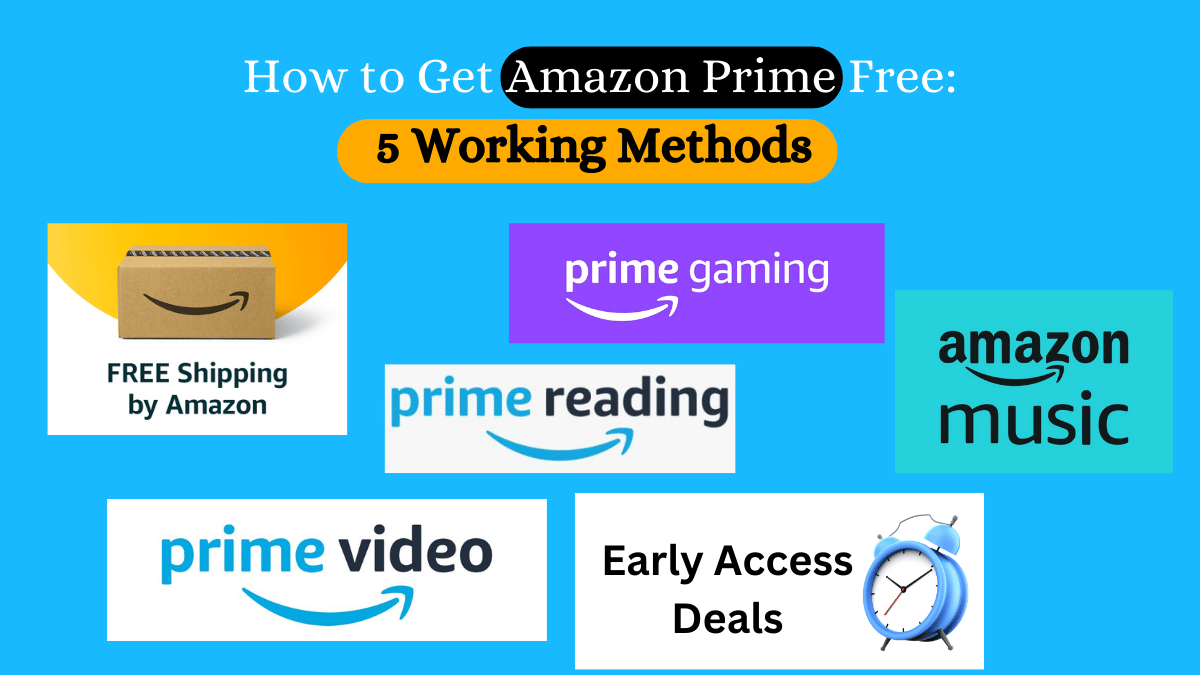
Amazon Prime is a bundle – a collection of services consolidated under one subscription. Many users primarily sign up for one or two key benefits, such as free two-day shipping or Prime Video, while rarely utilizing others like Prime Music, Prime Reading, or unlimited photo storage. A crucial financial exercise is to objectively assess which benefits you actually use regularly and which are merely “nice-to-haves.”
- Shipping: If your primary use is shipping, consider if your annual order volume justifies the Prime fee. For infrequent shoppers, standard shipping or consolidating orders to meet free shipping thresholds might be more economical. Amazon also offers free shipping on eligible orders over a certain amount even without Prime.
- Video/Music: If streaming is your main driver, evaluate if the specific content you watch or listen to on Prime Video/Music is unique. Standalone subscriptions to other streaming services (Netflix, Disney+, Spotify) might offer better value for your specific entertainment preferences, or you might find free alternatives (e.g., library apps for movies/books).
- Digital Perks: Are you genuinely using Prime Reading, Twitch Prime, or unlimited photo storage? If not, these benefits hold no financial value for you and should not factor into your justification for the subscription cost.
By dissecting your usage, you might discover that the “all-inclusive” package of Prime is an overspend for your actual needs. This doesn’t make Prime free, but it prevents unnecessary financial outlay on unutilized services, directing your money towards what truly provides value.
Strategically Bundling Services
Sometimes, “free” comes indirectly through a clever bundling of services or financial products. For instance, certain premium credit cards offer annual statement credits for specific digital services, or cash back that can effectively offset the cost of Prime. While these cards often have their own annual fees, the aggregate benefits (travel perks, insurance, other credits) might make them a net positive financially, indirectly making Prime “free” through the value they provide.
Additionally, consider if your mobile phone plan or internet provider offers any bundled entertainment options that include or discount Prime Video or other streaming services. While this might not make the entire Prime membership free, it can reduce your overall entertainment budget, making the remaining Prime cost feel less impactful.
Budgeting and Financial Planning for Prime’s Cost
For many, achieving “free forever” is an ideal rather than a reality. In such cases, the most financially responsible approach is to integrate the cost of Prime into your personal budget. If, after evaluating all direct and indirect strategies, you determine that Prime’s benefits genuinely outweigh its cost for your lifestyle, then allocating funds for it is a conscious financial decision.
Consider paying for Prime annually instead of monthly. Annual payments often come with a slight discount compared to paying month-to-month, offering a small but consistent saving over time. By incorporating this into your financial planning, Prime becomes a planned expenditure rather than an unforeseen drain, aligning with sound budgetary practices. This ensures that even if you can’t get it entirely free, you’re paying for it in the most financially advantageous way.
The “Forever Free” Myth vs. Sustainable Savings
The allure of “forever free” is understandable in a consumer-driven world, but in the context of a premium service like Amazon Prime, it often leans more towards myth than sustainable reality. True perpetual free access without continuous re-qualification or specific, non-transferable programs is exceptionally rare. Our goal isn’t to chase a phantom, but to establish robust, legitimate financial strategies for significantly reducing or neutralizing the cost.
Understanding the Limitations of “Forever Free”
It is crucial for financial literacy to distinguish between temporary free access (like trials), conditional discounts (like student or EBT programs that require ongoing eligibility), and truly perpetual, no-cost access. Most strategies for “free Prime” involve either:
- Temporary Deferral: Using a trial period.
- Conditional Discount: Meeting specific demographic or income criteria.
- Indirect Offset: Earning rewards or credits that cover the cost.
None of these typically translate to an indefinite, unconditional, no-effort free membership for the average consumer. The “forever” aspect is often achieved through a disciplined, recurring application of these cost-saving tactics.
Cultivating a Mindset of Value and Financial Prudence
Ultimately, the most valuable lesson in seeking “free Amazon Prime” is not just about the specific tactics, but about cultivating a mindset of financial prudence and value assessment. Regularly asking:
- “Am I getting my money’s worth?”
- “Are there cheaper alternatives or ways to offset this cost?”
- “Does this expense align with my broader financial goals?”
This critical self-assessment transforms you from a passive consumer into an active financial manager. Whether it’s setting calendar reminders for trial expirations, actively seeking out reward programs, or making an informed decision to budget for the service because its value genuinely surpasses its cost, these are all powerful financial behaviors. The pursuit of “free forever” should evolve into a commitment to “smart spending and maximal value.”
Conclusion
Securing Amazon Prime “for free forever” is less about finding a magic bullet and more about a strategic, ongoing application of savvy financial practices. From capitalizing on generous free trials and eligibility-based discounts for students or government assistance recipients, to leveraging the power of Amazon Household sharing and meticulously earning gift cards and credits, numerous legitimate pathways exist to significantly reduce or effectively neutralize the cost of your Prime membership.
The underlying principle across all these strategies is astute personal finance: making informed choices, maximizing available benefits, and critically evaluating the value proposition of a service against its true cost. By adopting these methods, you can continue to enjoy the extensive benefits of Amazon Prime, all while upholding your financial goals and demonstrating a commendable level of fiscal responsibility. The best “free forever” strategy is ultimately a well-informed, proactive financial management plan.
aViewFromTheCave is a participant in the Amazon Services LLC Associates Program, an affiliate advertising program designed to provide a means for sites to earn advertising fees by advertising and linking to Amazon.com. Amazon, the Amazon logo, AmazonSupply, and the AmazonSupply logo are trademarks of Amazon.com, Inc. or its affiliates. As an Amazon Associate we earn affiliate commissions from qualifying purchases.