
In the relentless march of e-commerce, Amazon stands as a colossal force, perpetually redefining consumer expectations for speed and convenience. Behind every two-day, next-day, or even same-day delivery lies a sprawling, intricate logistics network, powered by a massive ecosystem of drivers and businesses. For individuals and aspiring entrepreneurs alike, this network represents a significant and increasingly accessible pathway to generating income. From flexible side hustles to full-fledged logistics enterprises, “how to Amazon delivery” isn’t just a question of process; it’s a deep dive into diverse financial opportunities within one of the world’s most robust supply chains.
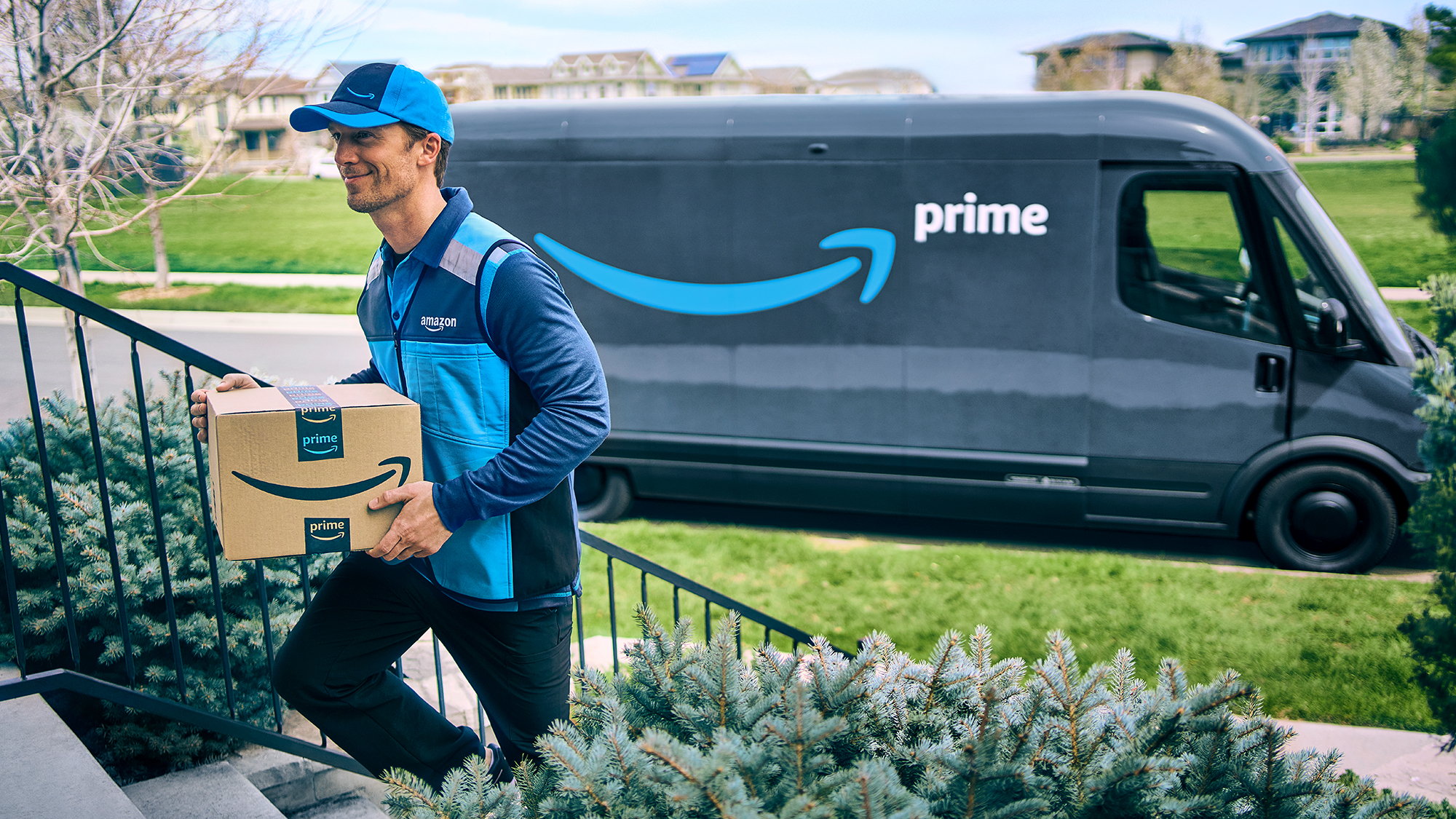
This article will meticulously explore the financial dimensions of engaging with Amazon’s delivery operations, detailing the various avenues for earning, the economic models involved, and the strategic financial planning required to succeed in this dynamic sector. Whether you’re considering driving a few hours a week or building a multi-van empire, understanding the monetary mechanics is paramount.
The Pathways to Earning: Deciphering Amazon’s Delivery Ecosystem
Amazon has ingeniously diversified its delivery infrastructure, creating multiple entry points for those looking to tap into the lucrative e-commerce delivery market. Each pathway offers distinct financial profiles, commitment levels, and earning potential, catering to a wide spectrum of financial goals, from supplementary income to substantial business revenue.
Amazon Flex: The Gig Economy’s Answer to Package Delivery
For many, the most accessible entry point into Amazon’s delivery network is through Amazon Flex. This program epitomizes the modern gig economy, offering individuals the flexibility to work on their own terms, utilizing their personal vehicles to deliver packages. Flex drivers operate as independent contractors, picking up “blocks” — designated delivery routes typically lasting 3-6 hours — from Amazon warehouses.
The financial allure of Amazon Flex lies in its adaptability. Drivers can schedule blocks that fit around existing commitments, making it an ideal option for side hustlers, students, or anyone seeking to supplement their primary income. Earnings are typically calculated per block, with rates fluctuating based on demand, location, time of day, and special promotions. This structure allows for a direct correlation between hours worked and income generated, providing a transparent financial model for individual contractors. While direct employment benefits are absent, the freedom to choose when and how much to work is a significant financial draw for those prioritizing flexibility over traditional employment stability. Successful Flex drivers quickly learn to optimize their block selection, focusing on higher-paying opportunities and understanding the nuances of surge pricing to maximize their hourly take-home.
Becoming a Delivery Service Partner (DSP): Building a Logistics Business
Beyond the individual contractor model, Amazon offers a much more ambitious and potentially more lucrative opportunity through its Delivery Service Partner (DSP) program. This program invites entrepreneurs to launch and scale their own package delivery businesses, operating a fleet of Amazon-branded vans and employing a team of drivers. Unlike Flex, becoming a DSP is a significant entrepreneurial undertaking, requiring substantial investment, a strategic business plan, and the capacity for large-scale operational management.
The DSP program is designed for individuals with a strong business acumen and the desire to build a scalable enterprise. Amazon provides a robust support system, including access to proprietary logistics technology, training, ongoing operational guidance, and most importantly, a steady stream of delivery volume. This partnership model mitigates some of the market-entry barriers typically associated with starting a logistics company, as Amazon essentially guarantees the demand. The financial upside for DSPs is considerably higher than for Flex drivers, but so too are the initial capital requirements and ongoing operational costs. This pathway is less about an “online income” side hustle and more about establishing a legitimate, growth-oriented business within Amazon’s vast ecosystem, offering long-term revenue potential and the opportunity to build significant equity.
Deconstructing the Financial Model: What to Expect as an Amazon Delivery Driver
Understanding the financial model is critical for anyone considering participating in Amazon’s delivery network. Each pathway presents a unique economic landscape, influenced by various factors that directly impact net earnings and overall profitability.
Earnings Potential with Amazon Flex: A Detailed Look at Pay Structures
For Amazon Flex drivers, earnings are transparently presented per block. The base rate for a standard block typically ranges from $18 to $25 per hour, though this can vary significantly by region and demand. A 4-hour block, for example, might pay anywhere from $72 to $100+. Crucially, Flex drivers are paid for the block, regardless of how quickly they complete it, offering an incentive for efficiency. Factors influencing higher pay include:
- Surge Pricing: During peak demand periods, inclement weather, or when Amazon needs more drivers, block rates can “surge,” offering significantly higher pay (e.g., $30-$45+ per hour).
- Location: Densely populated urban areas often have different pay rates and block availability compared to suburban or rural zones.
- Tips: For Amazon Fresh and Whole Foods Market deliveries, drivers can receive customer tips, which can substantially boost hourly earnings.
- Bonuses/Incentives: Occasionally, Amazon offers performance bonuses or referral incentives.
While these figures appear attractive, it’s essential to consider the expenses of being an independent contractor. Fuel, vehicle maintenance, depreciation, and self-employment taxes directly impact the net income, requiring diligent financial tracking and planning.
Understanding DSP Economics: Revenue Streams, Costs, and Profitability
The financial picture for a Delivery Service Partner is far more complex, akin to running any small to medium-sized business. DSPs generate revenue primarily through service agreements with Amazon, typically based on the number of packages delivered, routes serviced, and performance metrics. Amazon often offers incentives for high performance, safety, and growth, which can significantly boost revenue.
However, the revenue must be weighed against substantial operational costs:
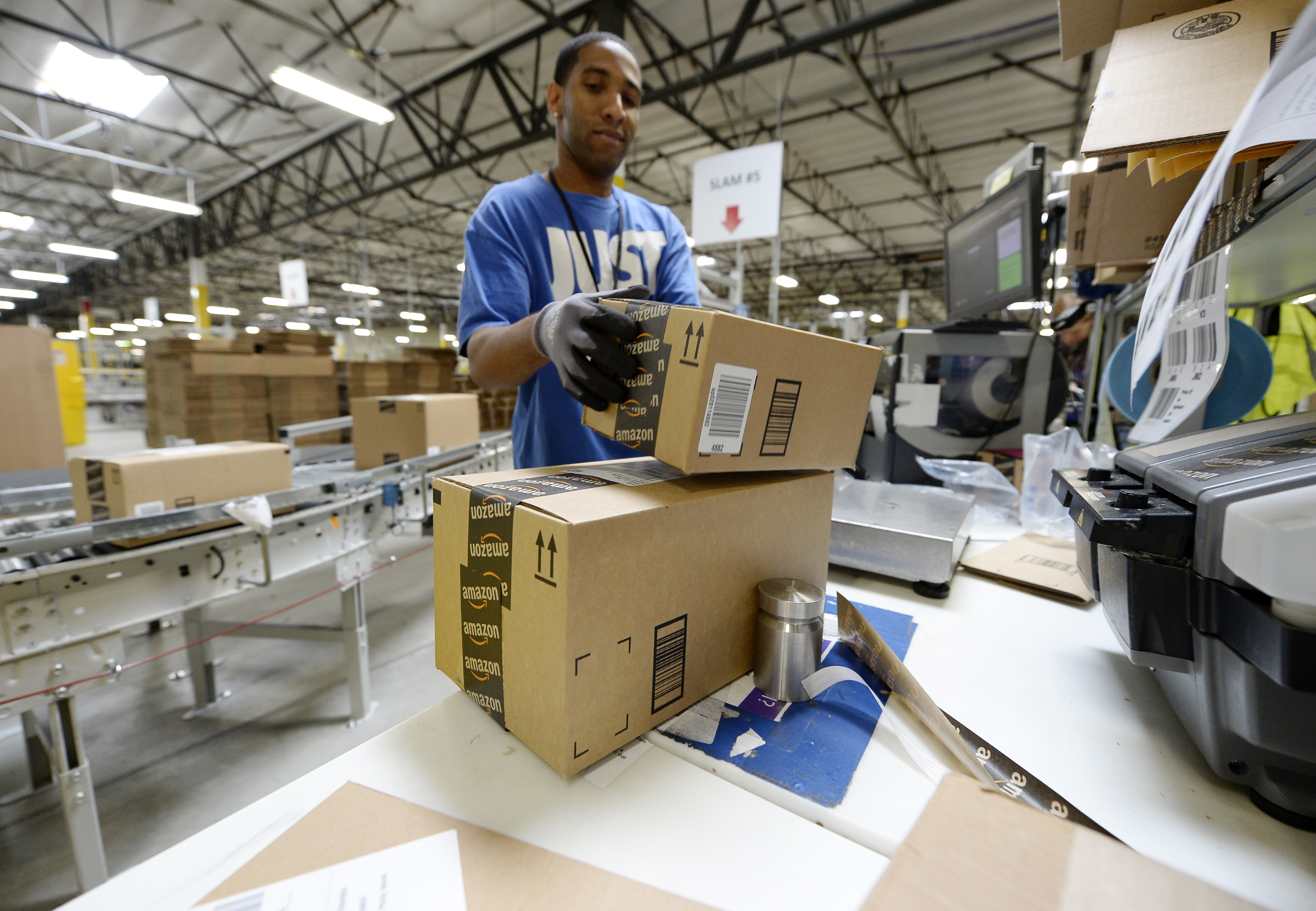
- Startup Costs: Initial investment for establishing the business, acquiring or leasing an initial fleet of vans (often Amazon-branded), insurance, and hiring initial staff. This can range from tens of thousands to well over $100,000 depending on scale.
- Vehicle Expenses: Lease payments, fuel, maintenance, repairs, and insurance for the entire fleet.
- Labor Costs: This is often the largest expense, covering driver wages, benefits (if offered), payroll taxes, and worker’s compensation. Drivers are employees, not independent contractors, in the DSP model.
- Operational Overheads: Office space (if needed), administrative staff, scheduling software, uniforms, and other miscellaneous business expenses.
- Compliance and Safety: Costs associated with maintaining safety standards, training, and regulatory compliance.
Profitability for DSPs hinges on efficient management, route optimization, effective driver retention, and maintaining high performance metrics to qualify for Amazon’s bonuses. A well-managed DSP can achieve healthy profit margins, but it demands constant vigilance over expenses and continuous operational improvement.
Navigating the Financial Landscape: Essential Considerations for Success
Success in Amazon delivery, regardless of the chosen pathway, demands astute financial management. Understanding and strategically addressing expenses, managing taxes, and planning for growth are critical to maximizing profitability and ensuring long-term viability.
Managing Expenses and Maximizing Profitability
For both Flex drivers and DSPs, proactive expense management is non-negotiable.
For Amazon Flex Drivers:
- Fuel Efficiency: Prioritize fuel-efficient vehicles. Track mileage meticulously, as it’s a significant tax deduction.
- Vehicle Maintenance: Regular maintenance prevents costly breakdowns and extends vehicle lifespan. Set aside funds specifically for this.
- Insurance: Ensure adequate commercial or ride-share insurance coverage, as personal auto policies may not cover commercial delivery.
- Taxes: As independent contractors, Flex drivers are responsible for self-employment taxes (Social Security and Medicare). It’s crucial to set aside a portion of earnings for quarterly estimated tax payments and consult with a tax professional to leverage deductions (e.g., mileage, vehicle expenses, cell phone costs, supplies).
- Route Optimization: While Amazon provides routes, learning to quickly and efficiently navigate them can save time and fuel, effectively increasing hourly earnings.
For DSPs:
- Fleet Management: Implement robust vehicle tracking and maintenance schedules to minimize downtime and repair costs. Consider electric vehicles for long-term fuel savings.
- Driver Retention: High turnover is costly (recruitment, training). Competitive wages, benefits, and a positive work environment are investments that reduce expenses in the long run.
- Route Density and Efficiency: Work with Amazon to optimize route density and ensure efficient dispatching to reduce miles driven per package.
- Technology Leverage: Utilize Amazon’s provided technology and potentially third-party tools for routing, scheduling, and performance monitoring to boost efficiency.
- Budgeting and Forecasting: Develop detailed budgets and financial forecasts to manage cash flow, anticipate expenses, and plan for growth.
Investment and Risk: Assessing the Commitment for DSPs
For aspiring DSPs, the commitment extends far beyond daily deliveries; it involves significant financial investment and an understanding of inherent business risks.
- Initial Capital: Entrepreneurs must have sufficient liquid capital to cover startup costs and provide working capital for at least the first few months, as profitability may not be immediate. Amazon typically requires proof of financial stability.
- Financing: Many DSPs will require financing for vehicles or operational expenses. Understanding loan terms, interest rates, and debt service is crucial.
- Operational Risk: This includes vehicle breakdowns, driver accidents, staffing challenges, and unexpected operational disruptions. Robust insurance, contingency plans, and a strong safety culture mitigate these risks.
- Market Fluctuations: While Amazon provides volume, economic downturns or shifts in consumer behavior can impact demand. Diversifying service offerings (if allowed and feasible) or building strong relationships with Amazon can help mitigate.
- Performance Metrics: Amazon holds DSPs to high performance standards (delivery success rate, customer feedback, safety). Failing to meet these can lead to penalties or even contract termination, posing a significant financial risk.
- Scaling Challenges: Rapid growth, while desirable, can strain resources, leading to cash flow problems if not managed carefully. Balancing growth with financial stability is key.
Strategic Growth and Future Earnings: Beyond the Daily Deliveries
The landscape of e-commerce and logistics is constantly evolving. For those embedded in Amazon’s delivery network, looking beyond the immediate financial transactions and strategizing for future growth and sustained income is paramount.
Scaling Your DSP Operation: Opportunities for Expansion and Increased Revenue
For successful Delivery Service Partners, the most direct path to increased earnings lies in scaling their operation. This typically involves:
- Adding More Routes: As a DSP proves its reliability and performance, Amazon often offers the opportunity to take on more delivery routes, which directly translates to increased revenue and package volume.
- Expanding Territories: In some cases, a highly successful DSP might have the opportunity to operate in multiple service areas or expand into adjacent territories, further growing their business footprint and earnings.
- Performance Bonuses: Amazon frequently provides incentives and bonuses for DSPs that consistently exceed performance expectations in areas like delivery completion rates, safety, and customer satisfaction. These bonuses can significantly enhance profitability.
- Optimizing Fleet and Workforce: Continuous refinement of operational efficiency – from routing algorithms to driver training and retention strategies – allows DSPs to handle more volume with optimized costs, boosting profit margins per package.
- Embracing New Technologies: Investing in or adopting technologies that improve efficiency, such as advanced telematics or optimized loading procedures, can lead to operational savings and improved performance, indirectly impacting earnings.

The Evolving Landscape of Delivery: Adapting for Sustained Income
The future of delivery is dynamic, shaped by technological advancements, environmental concerns, and shifting consumer demands. For both Flex drivers and DSPs, adapting to these changes is vital for sustained income and continued relevance.
- Electric Vehicles (EVs): Amazon is heavily investing in electric delivery vehicles. DSPs who strategically integrate EVs into their fleet can benefit from lower fuel and maintenance costs in the long run, and potentially qualify for specific incentives or preferred routes. Flex drivers may also find advantages in lower operating costs with personal EVs.
- Automation and AI: While full automation of last-mile delivery is still nascent, AI and machine learning are increasingly used for route optimization, package sorting, and demand forecasting. Understanding and leveraging these tools can provide an edge in efficiency and earnings.
- Drone and Robotics Integration: Longer term, the integration of drones and ground robots for specific delivery types could alter the human delivery landscape. Staying informed about these developments will be crucial for strategic planning.
- Sustainability Demands: Consumers are increasingly conscious of environmental impact. Adopting sustainable practices, even small ones, can enhance a DSP’s brand image and potentially align with future Amazon initiatives.
- Flexibility and Adaptability: The core strength of the Amazon delivery model lies in its ability to scale and adapt. Both individual drivers and business owners must maintain a similar mindset, being ready to embrace new tools, training, and operational changes to stay competitive and financially viable.
In conclusion, “how to Amazon delivery” is a multifaceted inquiry into a world of financial opportunity, spanning from flexible gig work to robust entrepreneurial ventures. By meticulously understanding the financial models, diligently managing expenses, strategically planning for growth, and adapting to the evolving technological and market landscape, individuals and businesses can successfully tap into Amazon’s colossal logistics network, securing and growing their income in the age of e-commerce.
aViewFromTheCave is a participant in the Amazon Services LLC Associates Program, an affiliate advertising program designed to provide a means for sites to earn advertising fees by advertising and linking to Amazon.com. Amazon, the Amazon logo, AmazonSupply, and the AmazonSupply logo are trademarks of Amazon.com, Inc. or its affiliates. As an Amazon Associate we earn affiliate commissions from qualifying purchases.