
For many job seekers and current employees, understanding the compensation landscape of a potential or current employer is paramount. Whole Foods Market, a prominent player in the natural and organic food sector and a subsidiary of Amazon, often sparks curiosity regarding its pay structure. Beyond the brand’s reputation for quality products and a distinct shopping experience, the financial realities for its “Team Members” are a significant consideration. This article delves into the intricacies of hourly pay at Whole Foods, examining the various factors that influence wages, the benefits that complement the hourly rate, and the potential for career growth and financial advancement within the company. For anyone considering employment with Whole Foods or simply interested in the retail grocery sector’s compensation trends, a thorough understanding of these dynamics is essential for making informed financial and career decisions.
Understanding Whole Foods Market’s Compensation Structure
Whole Foods Market operates on a tiered compensation system, designed to reflect the diverse roles, responsibilities, and geographical variations inherent in a large retail organization. While a universal “average” hourly wage can be elusive due to these complexities, we can identify key components that shape an individual’s earning potential. The company’s philosophy often emphasizes competitive pay within its market segments, aiming to attract and retain talent that aligns with its brand values and customer service standards.
The Baseline: Average Hourly Pay
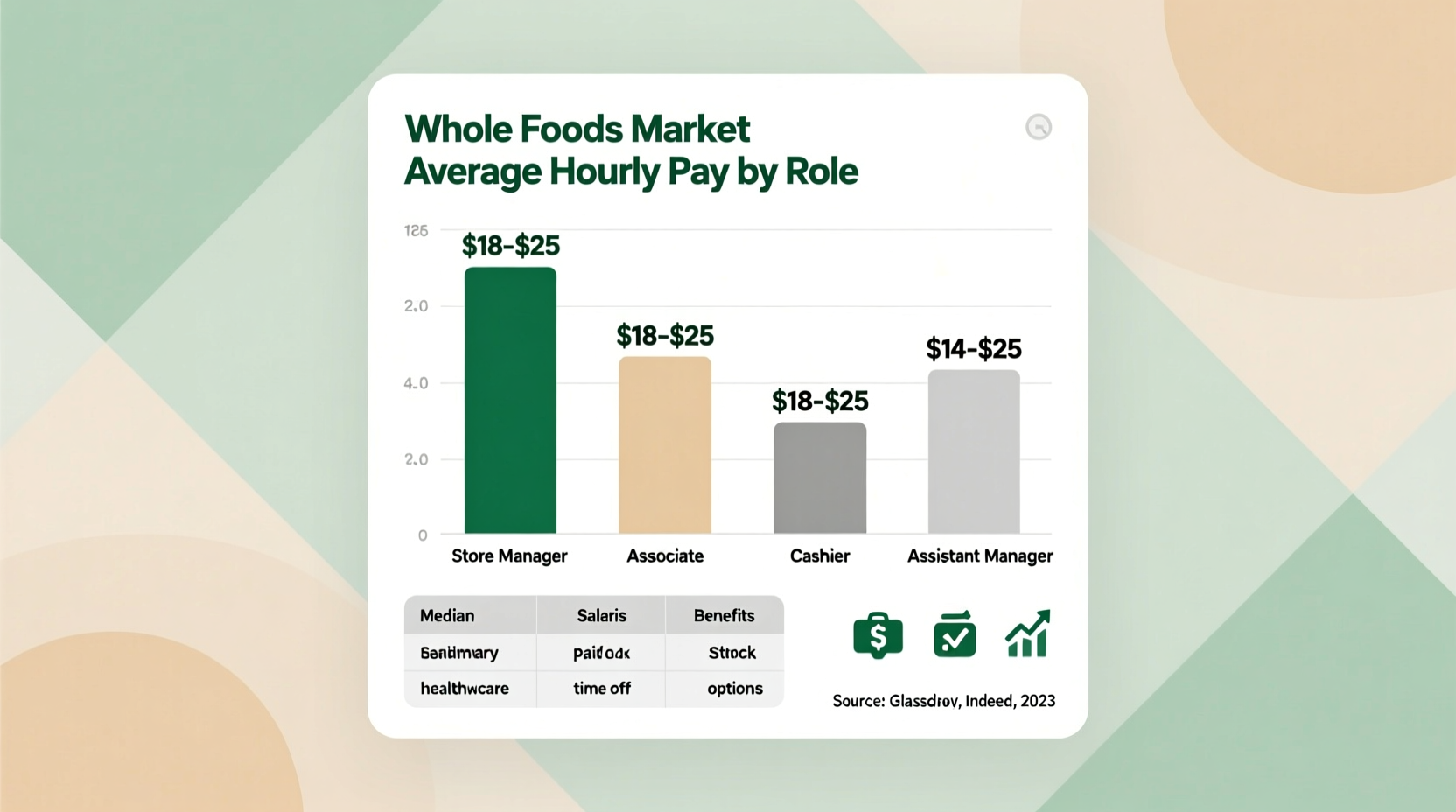
While specific figures fluctuate constantly with market conditions, location, and internal policy adjustments, a general range can be established for entry-level and experienced hourly positions at Whole Foods. Many entry-level roles, such as Cashiers, Stockers, or Prepared Foods Team Members, might start in the range of $15 to $18 per hour, especially in areas with higher minimum wage standards or elevated costs of living. More specialized roles, like those in the meat or seafood departments, or skilled bakery positions, often command higher rates, potentially ranging from $18 to $25 per hour or more, depending on the required expertise and demand. It’s crucial for prospective employees to research current local listings and speak directly with recruiters to obtain the most accurate and up-to-date figures relevant to their specific market and role of interest.
Regional Variances in Wages
One of the most significant factors influencing hourly pay at Whole Foods is geographic location. The company operates stores across various states and metropolitan areas, each with its own economic landscape, cost of living, and competitive labor market. Employees in high cost-of-living areas, such as major cities in California, New York, or the Pacific Northwest, typically receive higher hourly wages compared to their counterparts in regions with lower living expenses. This adjustment is a common practice across large retail chains, designed to ensure that compensation remains competitive and provides a livable wage relative to the local economic environment. Understanding these regional disparities is vital for anyone comparing offers or evaluating potential earnings.
Entry-Level vs. Specialized Roles
The type of role an individual holds at Whole Foods directly impacts their hourly compensation. Entry-level positions, which often require less prior experience, will naturally have a lower starting wage compared to roles demanding specialized skills, certifications, or a higher degree of responsibility. For example, a general “Team Member” assisting customers or stocking shelves will likely start at the baseline, whereas a skilled Butcher, Baker, or a specialized role in IT support within the store infrastructure, will command a premium. Even within departments, progression from a general team member to a “Team Trainer” or “Team Leader” often comes with a modest increase in hourly pay, reflecting the added duties and leadership responsibilities. This hierarchical pay structure encourages skill development and provides a clear pathway for wage progression for ambitious employees.
Factors Influencing Hourly Wages at Whole Foods
Beyond the general structure, several specific elements contribute to the exact hourly wage an individual earns at Whole Foods Market. These factors are not unique to Whole Foods but are standard considerations across the retail and service industries, offering a nuanced view of how compensation is determined and optimized for both the employee and the employer.
Role-Specific Pay Scales
Each position within Whole Foods Market, from the front-end to the back-of-house, is typically assigned a specific pay scale or range. This ensures consistency and fairness across similar roles while accounting for the varied skills, physical demands, and customer interaction levels associated with each job. For instance, a Prepared Foods Cook, requiring culinary skills and adherence to health standards, will likely fall into a different pay bracket than a Customer Service Team Member, whose primary responsibility is direct customer interaction and transaction processing. Department leads and supervisors, even within hourly structures, often receive higher compensation to reflect their management responsibilities, inventory oversight, and team coordination duties.
Geographic Location and Cost of Living Adjustments
As highlighted earlier, geographic location is a critical determinant. Whole Foods, like Amazon, employs sophisticated algorithms and market data analysis to set wage rates that are competitive within specific local labor markets. This means a cashier in downtown Manhattan will earn significantly more per hour than a cashier in a smaller town in the Midwest, not necessarily due to a difference in job performance or skill, but due to the stark difference in the cost of living and the prevailing wage rates in those distinct economic environments. These adjustments are designed to ensure that employees can afford to live in the areas where they work and to attract talent in highly competitive urban markets.
Experience and Tenure Incentives
Experience plays a substantial role in determining an individual’s starting wage and subsequent pay raises. Applicants with prior relevant experience in grocery retail, customer service, or specialized fields (e.g., culinary arts, butchery, produce management) often have leverage to negotiate a higher starting hourly rate. Furthermore, Whole Foods typically offers incremental pay raises based on tenure. Employees who demonstrate loyalty and consistent performance over several years often see their hourly wages increase, reflecting their accumulated knowledge, reliability, and value to the company. These tenure-based increases are a common incentive to reduce turnover and reward long-term commitment.
Performance-Based Considerations
While less common for direct hourly rate increases compared to salaried positions, performance can still influence an hourly employee’s financial trajectory at Whole Foods. Strong performance reviews, consistent adherence to company standards, exceptional customer service, and proactive contributions can lead to faster eligibility for promotions to higher-paying roles, or eligibility for performance-based bonuses, if applicable to the role or store. While the base hourly rate might be fixed by scale, outstanding team members are often recognized, leading to opportunities that indirectly or directly enhance their earning potential within the company.
Beyond the Hourly Rate: Benefits and Perks at Whole Foods
Focusing solely on the hourly wage provides an incomplete picture of total compensation. Whole Foods Market, particularly as part of the Amazon ecosystem, offers a suite of benefits and perks that significantly enhance the overall value proposition for its Team Members. These non-wage benefits contribute directly to an employee’s financial well-being, health, and work-life balance, making them a crucial aspect to consider when evaluating employment opportunities.

Health, Dental, and Vision Coverage
For eligible full-time and sometimes even part-time employees (depending on hours worked and tenure), Whole Foods provides comprehensive health, dental, and vision insurance plans. These plans are vital financial safeguards, reducing out-of-pocket medical expenses and ensuring access to necessary healthcare. The company often subsidizes a portion of the premium costs, making quality healthcare more accessible than if an individual were to purchase it independently. The specific plans and employee contribution levels can vary, but the availability of these benefits represents a significant financial advantage, especially in markets where healthcare costs are high.
Retirement Savings Plans (e.g., 401(k))
Whole Foods offers eligible employees access to a 401(k) retirement savings plan, often with a company match. A 401(k) plan allows employees to contribute a portion of their pre-tax earnings to an investment account, which grows tax-deferred until retirement. The employer match is essentially “free money” that significantly boosts an employee’s retirement savings, representing a direct increase in their long-term financial security. Taking full advantage of the employer match is one of the smartest financial moves an employee can make, as it provides an immediate return on investment and accelerates wealth accumulation for retirement.
Employee Discounts and Wellness Programs
One of the most tangible perks for Whole Foods Team Members is a generous employee discount, typically ranging from 20% to 30% off purchases. Given the premium pricing often associated with organic and specialty foods, this discount can translate into substantial weekly or monthly savings on groceries, directly impacting an employee’s household budget. Beyond discounts, Whole Foods often promotes wellness initiatives, which might include access to fitness programs, health challenges, and resources for mental well-being, further demonstrating an investment in their employees’ overall health and potentially reducing future healthcare costs.
Paid Time Off and Leave Policies
Eligible employees at Whole Foods accrue paid time off (PTO) for vacation, sick days, and personal leave. The accrual rate typically increases with tenure. Having paid time off is a crucial benefit that allows employees to take necessary breaks, recover from illness, or attend to personal matters without suffering a loss of income. Additionally, the company adheres to federal and state leave policies, such as the Family and Medical Leave Act (FMLA), providing job-protected leave for specific family and medical reasons. These policies contribute to a better work-life balance and provide financial stability during periods of absence.
Career Trajectories and Earning Potential
While understanding the hourly wage is fundamental, discerning the potential for career growth and increased earning potential is equally important for long-term financial planning. Whole Foods, as a large retail organization, offers various pathways for advancement, allowing motivated Team Members to transition into higher-paying roles, including salaried positions, over time.
Internal Advancement Opportunities
Whole Foods emphasizes internal promotion, often preferring to cultivate talent from within its existing workforce. Team Members who demonstrate strong performance, leadership potential, and a commitment to the company’s values are often encouraged to apply for more senior hourly roles (e.g., Team Leader, Department Supervisor) or even entry-level management positions. These promotions typically come with a significant increase in hourly pay or a transition to a salaried compensation structure, along with greater responsibilities and opportunities for professional development. This clear path for advancement means that an entry-level hourly wage is often just the beginning of a potential career journey with higher earning ceilings.
Skill Development and Training Programs
To facilitate internal advancement, Whole Foods invests in various training and development programs. These can range from on-the-job training for specialized department roles (e.g., advanced culinary techniques, merchandising skills) to leadership development courses for aspiring managers. By providing access to skill-building resources, the company empowers its employees to acquire new competencies that make them more valuable and eligible for higher-paying positions. Employees who actively seek out and participate in these programs are often the ones who progress most rapidly through the company’s ranks, translating skill acquisition directly into increased earning potential.
Transitioning from Hourly to Salaried Roles
One of the most significant jumps in earning potential and financial stability for many retail employees is the transition from an hourly wage to a salaried position. Whole Foods offers numerous salaried roles, particularly in store management, regional leadership, and corporate functions. These roles not only come with a fixed annual salary, often significantly higher than even advanced hourly rates, but also typically include a more robust benefits package, potential for performance bonuses, and greater stability. For hourly employees, demonstrating consistent performance, taking on leadership responsibilities, and actively pursuing professional development are key steps toward qualifying for these more lucrative salaried opportunities, marking a significant milestone in their financial career progression.
Navigating Your Financial Future at Whole Foods
For Whole Foods Team Members, understanding the compensation package is merely the first step. Proactively managing personal finances and leveraging available company resources are crucial for maximizing financial well-being and achieving long-term stability.
Budgeting and Financial Planning for Hourly Workers
Hourly wages, while offering flexibility, can sometimes be variable, making consistent budgeting essential. Team Members should create a detailed personal budget that accounts for income fluctuations, fixed expenses (rent, utilities), and variable costs (groceries, transportation). Utilizing budgeting apps or spreadsheets can help track spending and identify areas for savings. Prioritizing essential expenses and setting aside funds for emergencies are critical for building a strong financial foundation, regardless of the hourly rate. Understanding how to manage and optimize one’s income, even if it’s hourly, is a cornerstone of financial independence.
Maximizing Benefits and Employee Resources
Beyond the hourly wage, actively engaging with the benefits package is paramount. This includes enrolling in health insurance plans, contributing at least enough to the 401(k) to receive the full employer match, and leveraging employee discounts on purchases. Some Whole Foods locations or the broader Amazon network might also offer access to financial wellness programs, employee assistance programs (EAPs), or educational resources on topics like debt management or investment basics. Proactively researching and utilizing these often-underused resources can provide significant financial advantages and support.

Long-Term Financial Growth and Stability
For ambitious Team Members, Whole Foods can serve as a stepping stone to significant financial growth. By consistently performing well, seeking out internal advancement opportunities, and investing in skill development, individuals can transition from entry-level hourly roles to positions with substantially higher earning potential. The company’s retirement plans, coupled with personal savings and wise investment choices, can lay the groundwork for long-term wealth accumulation. A career at Whole Foods, like any large employer, offers a framework within which individuals can build a secure financial future, provided they are strategic, proactive, and committed to their professional and financial development.
In conclusion, the question of “how much does Whole Foods pay an hour” is multi-faceted. While base hourly rates provide a starting point, the true financial picture includes a complex interplay of role, location, experience, and a robust benefits package. For those looking to build a career in retail or simply secure stable employment, Whole Foods Market offers a competitive compensation structure and clear pathways for financial and professional growth, making it a noteworthy employer in the contemporary labor market.
aViewFromTheCave is a participant in the Amazon Services LLC Associates Program, an affiliate advertising program designed to provide a means for sites to earn advertising fees by advertising and linking to Amazon.com. Amazon, the Amazon logo, AmazonSupply, and the AmazonSupply logo are trademarks of Amazon.com, Inc. or its affiliates. As an Amazon Associate we earn affiliate commissions from qualifying purchases.