
The prospect of harnessing the sun’s energy to power your home is increasingly attractive. Beyond the environmental benefits of reducing your carbon footprint, solar panels can offer significant long-term financial savings. However, the process of installing solar panels, especially on a residential roof, can seem daunting. While many homeowners opt for professional installation, understanding the fundamental steps involved can demystify the process, empower informed decision-making, and even facilitate a DIY approach for those with the necessary technical skills and safety precautions.
This guide will walk you through the essential considerations and steps involved in installing solar panels on your roof, drawing upon the intersection of technology, brand reputation, and financial viability. We’ll explore the technological aspects of solar systems, the importance of choosing reputable brands and installers, and the financial implications of investing in solar energy.
Understanding the Technology: Your Roof as a Power Plant
At its core, installing solar panels transforms your roof into a micro power plant. This involves a sophisticated interplay of various technological components, each playing a crucial role in converting sunlight into usable electricity for your home.
The Components of a Solar Power System
Before you can even think about the physical installation, it’s vital to understand the individual pieces that make up a typical residential solar energy system.
-
Solar Panels (Photovoltaic Modules): These are the most visible components. They are made up of photovoltaic (PV) cells, typically silicon-based, that absorb sunlight and convert it directly into direct current (DC) electricity through the photovoltaic effect. The efficiency and type of solar panel (monocrystalline, polycrystalline, or thin-film) will impact the system’s overall energy output and cost. Technological advancements are constantly improving panel efficiency and durability, making newer models a worthwhile consideration.
-
Inverters: Solar panels produce DC electricity, but your home runs on alternating current (AC) electricity. Inverters are essential devices that convert the DC electricity from the panels into AC electricity. There are three main types:
- String Inverters: A central inverter is connected to a “string” of multiple solar panels. This is a cost-effective option but can be less efficient if one panel in the string is shaded or underperforming, as it affects the entire string’s output.
- Microinverters: Each solar panel has its own small inverter. This offers better performance, especially in situations with partial shading, as each panel operates independently. It also allows for individual panel monitoring.
- Power Optimizers: These devices are installed at each panel and optimize the DC output before sending it to a central string inverter. They offer a middle ground between string inverters and microinverters, mitigating some of the shading issues of string systems.
-
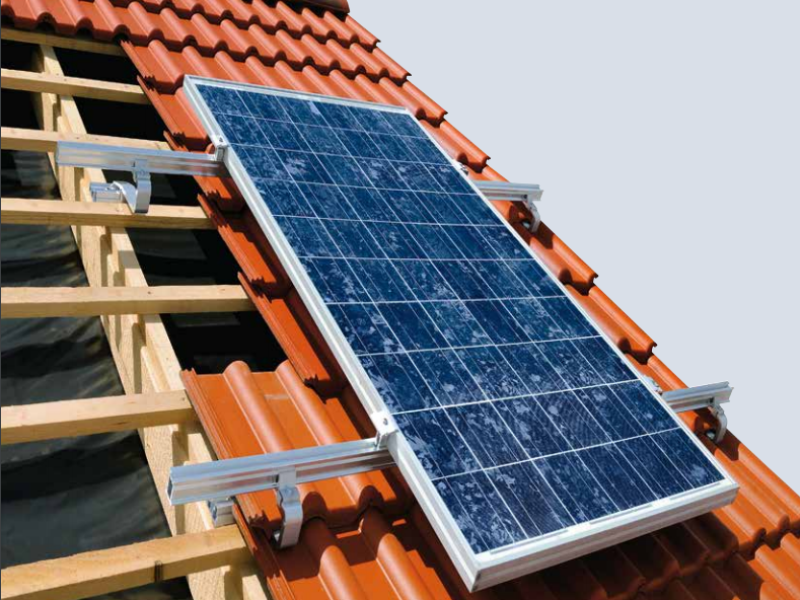
Mounting Systems (Racking): This is the hardware that physically attaches the solar panels to your roof. It needs to be robust, weather-resistant, and designed to withstand wind and snow loads. Common types include:
- Railed Systems: The most traditional type, where rails are attached to the roof, and the panels are then secured to the rails.
- Rail-less Systems: Panels are attached directly to the roof structure using specialized clamps, often leading to a sleeker aesthetic.
- Ballasted Systems: Used primarily on flat roofs, these systems use weights to hold the panels in place without penetrating the roof membrane.
-
Wiring and Electrical Components: This includes specialized solar cables, connectors, junction boxes, and circuit breakers that safely connect the panels, inverters, and your home’s electrical system. Proper wiring is critical for safety and efficiency.
-
Monitoring System: Most modern solar installations come with a monitoring system, often accessible via a smartphone app or web portal. This allows you to track your system’s energy production, identify any issues, and understand your overall energy consumption. This technology is becoming increasingly sophisticated, offering insights into individual panel performance and potential fault detection.
Structural Considerations and Roof Assessment
Before any installation begins, a thorough assessment of your roof is paramount. This isn’t just about aesthetics; it’s about structural integrity and suitability.
-
Roof Age and Condition: Solar panels are a long-term investment, typically with a lifespan of 25-30 years. If your roof is nearing the end of its life, it’s often more cost-effective to replace it before installing solar panels. Removing and reinstalling panels adds significant cost. A professional inspection will determine if your roof can support the added weight of the panels and mounting hardware.
-
Roof Material and Slope: Different roofing materials (shingles, tiles, metal) require different mounting techniques. The slope and orientation of your roof are critical for maximizing sunlight exposure. South-facing roofs in the Northern Hemisphere generally receive the most direct sunlight. While north-facing or east/west-facing roofs can still be viable, they may require more panels to achieve the same energy output.
-
Shading Analysis: Trees, chimneys, adjacent buildings, or even dormer windows can cast shadows on your roof. This shading significantly reduces solar panel efficiency. A detailed shading analysis, often conducted by professional installers using specialized tools, is crucial to identify optimal panel placement and mitigate the impact of shade. Advanced inverter technologies like microinverters can help minimize the impact of localized shading.
Branding and Reputation: Choosing Your Solar Partner Wisely
The solar industry, like many technological sectors, has a wide range of companies, from established global brands to smaller, local installers. The “brand” of your solar system, encompassing both the manufacturers of the components and the reputation of your installer, is a critical factor in ensuring a successful and reliable installation.
Selecting Reputable Solar Panel Manufacturers
While many solar panels perform well, investing in products from established and reputable manufacturers can offer peace of mind.
-
Warranty and Performance Guarantees: Look for manufacturers that offer strong performance warranties (guaranteeing a certain percentage of original output after 25 years) and product warranties (covering defects in materials and workmanship). Longer warranty periods are indicative of a company’s confidence in its product.
-
Technological Innovation: Brands that are at the forefront of solar technology often offer higher efficiency panels, better durability, and more advanced features. Researching the latest advancements in PV cell technology and panel construction can help you make an informed choice.
-
Financial Stability: A company’s financial stability is crucial, especially concerning warranties. You want to ensure that the manufacturer will be around to honor their guarantees for the life of your system.

The Importance of a Trusted Installer
The quality of your installation is just as important as the quality of the components. A poorly installed system can lead to inefficiencies, aesthetic issues, and even roof damage.
-
Credentials and Certifications: Look for installers who are certified by relevant industry organizations (e.g., NABCEP in the US). This indicates they have met rigorous standards for knowledge and practice.
-
Experience and Track Record: How long has the company been in business? What is their installation volume? Request to see examples of their work and speak to past clients. Online reviews and testimonials can offer valuable insights.
-
Insurance and Licensing: Ensure the installer is properly licensed and insured to protect you against accidents and damages during the installation process.
-
Transparent Quotes and Contracts: A reputable installer will provide a detailed, itemized quote that clearly outlines the equipment, labor, warranties, and timeline. Read your contract carefully before signing.
-
Post-Installation Support: What kind of support does the installer offer after the system is up and running? Do they provide ongoing maintenance recommendations or services?
Choosing a solar installer is akin to building a brand relationship. You are entrusting them with a significant investment and the integrity of your home. Due diligence in this area is paramount.
The Financial Landscape: Investing in Solar Energy
Installing solar panels is a significant financial undertaking, but it’s an investment with the potential for substantial long-term returns. Understanding the costs, incentives, and potential savings is crucial for making a sound financial decision.
Understanding the Costs and Incentives
The initial cost of a solar panel system can vary widely depending on the size of the system, the quality of the components, and the complexity of the installation.
-
System Size: The size of your system is determined by your household’s energy consumption. A professional assessment of your electricity bills will help determine the appropriate number and wattage of panels needed.
-
Equipment Costs: This includes the solar panels, inverters, mounting hardware, wiring, and any other necessary components. Higher efficiency panels and advanced inverter technology often come at a higher upfront cost.
-
Labor Costs: The cost of installation will depend on the complexity of your roof, the installer’s rates, and any necessary electrical upgrades.
-
Incentives and Rebates: The financial viability of solar power is significantly enhanced by government incentives, tax credits, and local rebates. These can dramatically reduce the net cost of your system. Research federal, state, and local programs available in your area. Examples include the U.S. Investment Tax Credit (ITC), which allows homeowners to deduct a percentage of the system’s cost from their federal taxes.
-
Financing Options: Many companies offer financing plans, including solar loans or leases, which can make the upfront cost more manageable. Understanding the terms and interest rates of these options is essential.
Estimating Your Savings and Return on Investment (ROI)
The primary financial benefit of solar panels is the reduction in your electricity bills.
-
Reduced Electricity Bills: Once your solar system is operational, you will generate a significant portion, if not all, of your own electricity. This directly translates to lower monthly utility payments. The exact savings will depend on your current electricity rates, your system’s production, and your consumption habits.
-
Net Metering: In many regions, net metering policies allow you to send excess electricity generated by your solar panels back to the grid. You typically receive credit on your electricity bill for this exported energy, further reducing your costs.
-
Increased Home Value: Studies have shown that homes with solar panel systems tend to sell for more than comparable homes without them. This added value can be a significant return on your investment when it comes time to sell your property.
-
Payback Period: The payback period is the time it takes for the accumulated savings from your solar system to equal the initial investment cost. This can range from 5 to 15 years, depending on the factors mentioned above. After the payback period, the electricity generated is essentially free.
-
Long-Term Financial Planning: Investing in solar panels is a long-term financial strategy. By locking in your energy costs with a predictable solar generation, you gain greater control over your household budget and are insulated from rising utility prices.
By carefully considering the technological aspects, choosing reputable brands and installers, and thoroughly analyzing the financial implications, you can confidently navigate the process of installing solar panels on your roof and unlock the benefits of clean, renewable energy for your home.
aViewFromTheCave is a participant in the Amazon Services LLC Associates Program, an affiliate advertising program designed to provide a means for sites to earn advertising fees by advertising and linking to Amazon.com. Amazon, the Amazon logo, AmazonSupply, and the AmazonSupply logo are trademarks of Amazon.com, Inc. or its affiliates. As an Amazon Associate we earn affiliate commissions from qualifying purchases.