
In today’s digital economy, an Amazon membership, primarily Amazon Prime, has become a cornerstone of online consumerism for millions worldwide. Far more than just a delivery service, it’s a bundled package of convenience, entertainment, and exclusive benefits that can significantly impact a household’s budget. Understanding the financial implications of an Amazon membership goes beyond merely knowing the monthly fee; it involves a meticulous evaluation of costs, benefits, and whether the investment aligns with your personal financial goals and consumption habits. This guide delves deep into the monetary aspects of Amazon Prime, helping you ascertain its true value and whether it constitutes a wise financial decision for you.
Unpacking the Core Costs of Amazon Prime
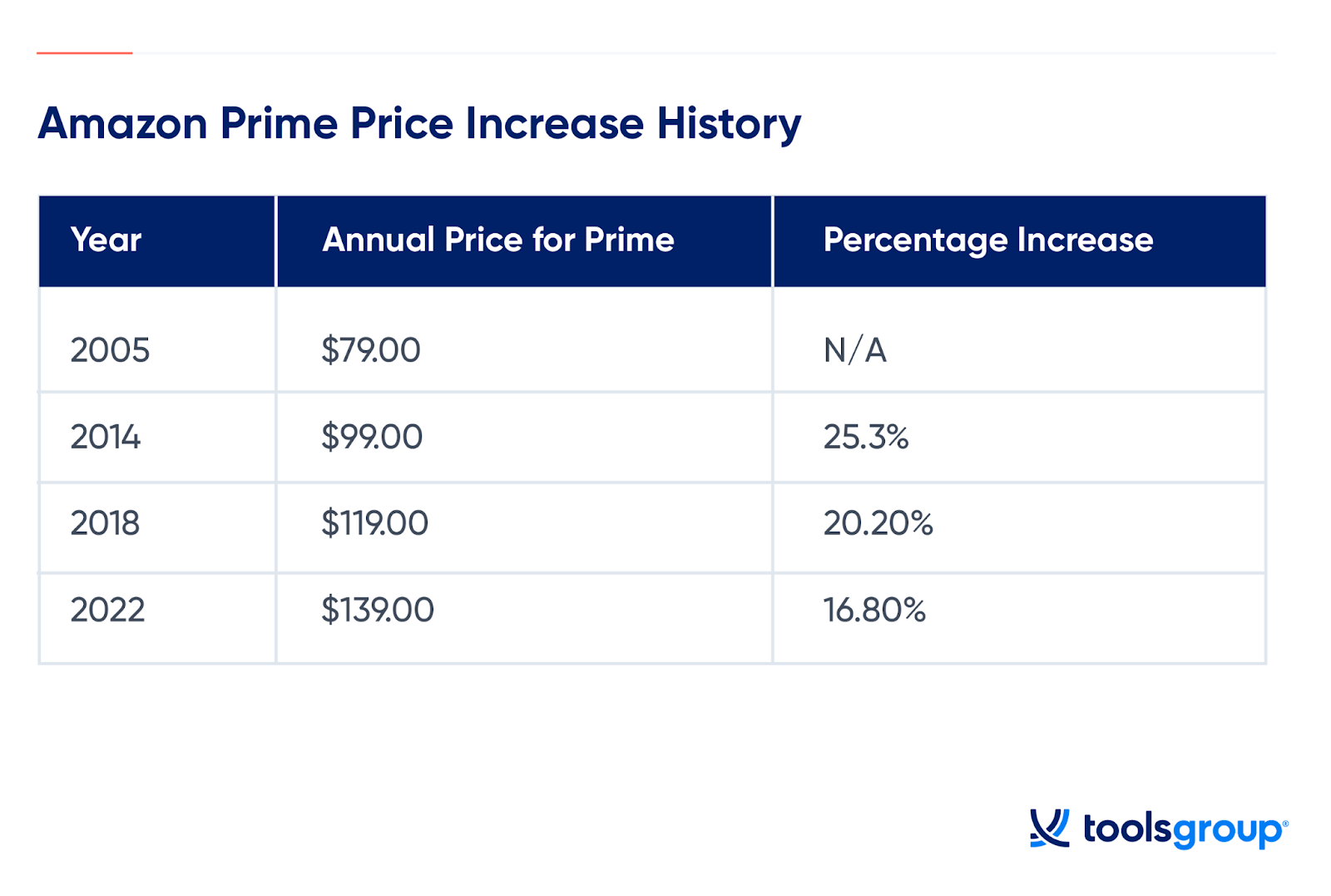
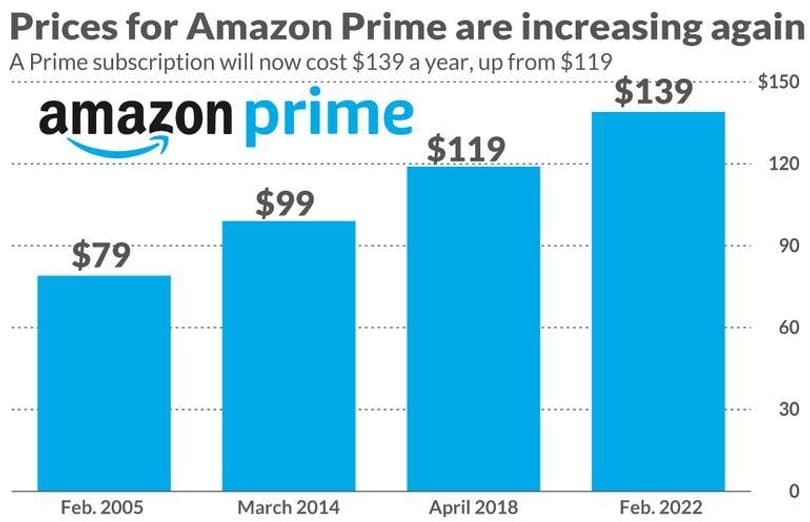
The entry point to the Amazon ecosystem, particularly through Amazon Prime, comes with various pricing structures designed to cater to different demographics. Understanding these fundamental costs is the first step in a thorough financial assessment.
Standard Monthly vs. Annual Subscriptions: A Cost Comparison
The most common decision for prospective Prime members is choosing between a monthly or an annual subscription. Each option presents a distinct financial proposition.
- Monthly Subscription: At approximately $14.99 per month, this option offers flexibility. It’s ideal for those who might only need Prime for a few specific months (e.g., during holiday shopping seasons) or prefer not to commit to a long-term expense. Financially, it allows for greater liquidity and the ability to pause or cancel the service without losing a significant upfront investment. However, paying month-to-month accumulates to a higher total cost over a year, roughly $179.88, representing a premium for this flexibility.
- Annual Subscription: Priced around $139 per year (as of late 2023/early 2024), the annual plan offers a substantial discount compared to its monthly counterpart. This option provides a clear financial incentive for consistent users, translating to an immediate saving of roughly $40.88 annually. From a financial planning perspective, committing to the annual fee requires a larger upfront outlay but offers predictable, lower overall expenditure if the service is utilized consistently throughout the year. For budget-conscious individuals who know they’ll use Prime regularly, the annual plan represents the most financially astute choice.
Understanding Prime Student: Substantial Savings for Academia
Amazon recognizes the unique financial constraints often faced by students and offers a highly attractive, discounted Prime membership. This specialized tier is a prime example of a targeted financial benefit designed to support specific demographics.
- Eligibility and Benefits: To qualify for Prime Student, individuals must be enrolled in a two- or four-year college or university and possess a valid .edu email address. The financial benefits are significant: a generous six-month free trial, followed by a discounted rate of approximately $7.49 per month or around $69 per year. This represents a 50% reduction from the standard Prime membership costs.
- Financial Impact for Students: For students managing tight budgets, this discount is invaluable. It provides access to all the core Prime benefits – free shipping, Prime Video, Prime Music, etc. – at a fraction of the cost. This allows students to save on essential purchases (books, supplies, electronics), access entertainment without additional subscriptions, and effectively manage their finances more prudently while focusing on their education. It’s a strategic financial move for any eligible student to leverage this offer.
Discounted Prime for EBT/Medicaid Recipients: Bridging the Digital Divide
In an effort to make its services more accessible, Amazon extends a further discounted Prime membership to qualifying recipients of government assistance programs. This initiative underscores Amazon’s commitment to broader financial inclusivity.
- Eligibility and Pricing: Individuals holding a valid EBT card (for SNAP, TANF, WIC, etc.) or Medicaid benefits can qualify for Prime at a reduced rate of approximately $6.99 per month. This monthly option is significantly lower than the standard monthly fee and even slightly below the monthly equivalent of the Prime Student rate.
- Financial Empowerment: This program is a crucial financial lifeline for low-income households, providing access to essential goods with the convenience of fast, free shipping. It can help alleviate the financial burden of transportation costs to physical stores, especially for those in food deserts or with limited mobility. Furthermore, it opens up avenues for discounted online shopping, potentially helping these households stretch their budgets further and access a wider variety of products, from groceries to household necessities, all within a manageable monthly financial outlay.
Beyond the Price Tag: Quantifying the Financial Value of Amazon Prime
While the subscription fee is a clear expenditure, the true financial value of Amazon Prime lies in the myriad of benefits it bundles. A thorough financial assessment requires looking beyond the cost and evaluating how these benefits translate into tangible savings and enhanced financial efficiency.
Free, Fast Shipping: A Direct Monetary Benefit
The cornerstone of Amazon Prime’s appeal, and arguably its most direct financial benefit, is the provision of free, expedited shipping on eligible items.
- Eliminating Shipping Costs: For frequent online shoppers, this benefit instantly negates the cumulative expense of standard shipping fees, which can quickly add up to tens or even hundreds of dollars annually. When one-off shipping charges range from $5 to $10 per order, even a few purchases a month without Prime can exceed the monthly membership cost.
- Time-Value of Money: Beyond direct savings, the speed of Prime shipping (often one-day or two-day) can also be viewed as a financial advantage. It allows for more efficient planning, reduces the need for last-minute, potentially more expensive purchases from local stores, and ensures timely receipt of goods, which can be critical for business or personal needs.
Exclusive Member Deals and Savings: Unlocking Discount Potential
Prime membership unlocks access to a variety of exclusive deals and discounts that can lead to substantial savings, especially for savvy shoppers.
- Prime Day and Other Sales: Prime members get exclusive access to major sales events like Prime Day, which often features deep discounts on a wide range of products. Participating in these events with strategic purchasing can offset the annual membership fee multiple times over.
- Early Access and Special Pricing: Members frequently receive early access to Lightning Deals and specific product discounts, allowing them to secure popular items before they sell out or benefit from lower introductory prices. For certain purchases, such as electronics or household appliances, these discounts can amount to significant financial gains.
- Amazon Fresh/Whole Foods Market Discounts: For those with access to Amazon Fresh or Whole Foods Market deliveries, Prime membership often includes free delivery for orders over a certain threshold and exclusive discounts on specific grocery items, directly impacting a household’s food budget.
Digital Entertainment Included: Valuing Prime Video, Music, and Gaming
Many consumers pay for separate streaming services for video, music, and gaming. Prime bundles these at no additional cost, offering a substantial hidden financial benefit.
- Prime Video: Included with Prime, this service offers a vast library of movies and TV shows, including Amazon Originals. If one were to subscribe to a comparable video streaming service separately (e.g., Netflix, Hulu), the cost could easily be $10-$20 per month. Factoring this into the Prime value proposition significantly reduces the perceived cost of the overall membership.
- Prime Music: While not as extensive as standalone services like Spotify Premium or Apple Music, Prime Music provides ad-free access to millions of songs. For many casual listeners, this eliminates the need for a separate music subscription, again representing a direct saving.
- Prime Gaming (formerly Twitch Prime): This includes a free monthly channel subscription on Twitch, free games, and in-game content. For gamers, these perks can represent a considerable financial saving on entertainment.
- Prime Reading: Access to a rotating selection of ebooks, magazines, and comics. For avid readers, this can reduce spending on digital content.
Prime’s Ancillary Services: Additional Perks with Financial Implications

Beyond the core offerings, Prime includes several other services that, while perhaps less frequently used by all members, contribute to the overall financial value proposition.
- Amazon Photos: Unlimited full-resolution photo storage, a valuable service that can replace paid cloud storage solutions (e.g., Google One, Dropbox), offering another tangible saving.
- Prime Try Before You Buy: Allows members to try on clothes at home before purchasing, reducing returns and the financial hassle associated with them.
- Pharmacy Savings: Discounts on prescription medications at Amazon Pharmacy and participating pharmacies, a potentially significant financial relief for those with regular medical needs.
Is Amazon Prime Worth the Investment? A Personal Financial Calculation
Deciding whether an Amazon Prime membership is a financially sound investment requires a personalized assessment. It’s not a one-size-fits-all answer but rather a calculation based on individual spending habits, needs, and lifestyle.
Assessing Your Shopping Habits: When the Savings Accumulate
The core of the financial justification for Prime hinges on how frequently and how much you shop on Amazon.
- Frequency of Orders: If you place more than a few orders a month that would typically incur shipping fees, the cost of Prime can quickly be recouped. Calculate your average non-Prime shipping costs over a year and compare it to the annual Prime fee. For example, if you place 15 orders a year with an average shipping cost of $7 each, you’re already spending $105, making the $139 annual Prime fee a smaller additional investment for all its other benefits.
- Nature of Purchases: Consider if you regularly buy items that are price-competitive on Amazon or if you rely on its vast selection. If Amazon is your primary retailer for household goods, electronics, or personal items, the cumulative savings and convenience benefits amplify the value.
- Utilization of Digital Benefits: Do you currently pay for separate video streaming, music, or cloud photo storage? If Prime’s included services can replace these, the savings are directly quantifiable and can substantially outweigh the membership fee.
The Hidden Costs of Not Having Prime: Shipping Fees and Missed Opportunities
While avoiding the Prime fee might seem like a saving, it’s crucial to consider the potential “hidden costs” of not having the membership.
- Accumulated Shipping Charges: The most obvious cost is the constant accrual of shipping fees on individual orders, which, as mentioned, can easily surpass the annual Prime cost.
- Opportunity Cost of Discounts: Missing out on Prime Day deals, exclusive member pricing, and early access to sales means potentially paying full price for items you might have otherwise bought at a significant discount.
- Inconvenience and Time: While harder to put a precise dollar figure on, the inconvenience of slower shipping, the need to meet minimum order thresholds for free shipping, or needing to drive to physical stores for quick purchases, all have a “time-value” cost. For busy individuals, this saved time can be incredibly valuable.
- Alternative Subscriptions: If you end up subscribing to other streaming services that Prime Video/Music could have replaced, you’re essentially paying for similar benefits twice or more.
Strategies for Maximizing Your Prime Membership’s ROI
To ensure your Prime membership is a sound financial decision, actively seek to maximize its return on investment (ROI).
- Consolidate Purchases: Aim to make Amazon your primary source for eligible online purchases to fully leverage the free shipping benefit.
- Utilize Digital Services: Actively engage with Prime Video, Music, Photos, and Gaming. If you’re paying for separate services that Prime duplicates, consider canceling them to save money.
- Shop Smart During Sales: Plan major purchases around Prime Day and other member-exclusive sales events. Use price trackers to ensure you’re getting a genuine deal.
- Explore All Benefits: Periodically review the full list of Prime benefits. You might discover services you’re entitled to but haven’t used, such as Amazon Pharmacy discounts or Prime Reading, which could lead to further savings.
Smart Money Moves: Alternatives and Saving on Your Prime Subscription
Even after a comprehensive financial analysis, some might find that a full Prime membership doesn’t perfectly align with their budget or usage patterns. Fortunately, there are smart money moves to consider, from alternative services to methods for reducing the cost of Prime itself.
Leveraging Free Trials and Sharing Accounts (Where Permitted)
Strategic use of Amazon’s introductory offers and family sharing features can provide access to Prime benefits without the full financial commitment.
- Free Trials: Amazon typically offers a 30-day free trial for standard Prime and a six-month free trial for Prime Student. Utilize these trials to thoroughly assess whether the benefits genuinely justify the cost before committing. Make sure to set a reminder to cancel if you don’t intend to subscribe.
- Amazon Household: Prime allows two adults and up to four children to share certain Prime benefits through Amazon Household at no extra charge. This is a significant financial advantage, allowing families to split the cost or for one member to effectively extend benefits to another without additional expenditure. It’s a smart way to get more value from a single subscription.
Exploring Alternatives to Prime for Specific Needs
If the full Prime bundle feels excessive or too costly for your specific needs, consider alternative services that might be more financially efficient for individual benefits.
- Shipping Alternatives: Many retailers offer free shipping with minimum order thresholds, or you might find better deals on specific items from stores that offer free local pickup. Walmart+ offers competitive shipping and other benefits that might be a better fit for some.
- Streaming Alternatives: If your primary interest is video, a standalone Netflix, Hulu, or Disney+ subscription might be more cost-effective if Prime Video’s library doesn’t meet your entertainment preferences. For music, Spotify Free or a more specialized music service might be preferable.
- Local Libraries: For books and movies, your local public library offers a vast, free resource that can significantly reduce entertainment expenditures.
Re-evaluating Your Membership Annually: A Prudent Financial Practice
Just as with any recurring subscription, a diligent financial approach involves periodically re-evaluating your Amazon Prime membership.
- Annual Review: Before your annual subscription renews, or at least once a year if you’re on a monthly plan, take stock of your usage. Have you fully leveraged the shipping? How often have you watched Prime Video or used Prime Music? Have other services or your shopping habits changed?
- Cost-Benefit Reassessment: Based on your current usage, conduct a fresh cost-benefit analysis. Does the financial outlay still make sense? Could you achieve similar benefits more cost-effectively through other means?
- Cancel and Resubscribe: If your usage is sporadic, consider canceling your Prime membership and only resubscribing for specific periods when you anticipate heavy usage (e.g., around Black Friday or for a specific show). Amazon makes it relatively easy to rejoin. This “on-demand” approach can save you money during leaner usage periods.
In conclusion, an Amazon membership, particularly Prime, is a multifaceted financial product. Its cost is straightforward, but its true value is deeply interwoven with how effectively you leverage its extensive array of benefits. By thoroughly understanding the various pricing tiers, meticulously quantifying the financial advantages, and consistently evaluating its worth against your personal financial landscape, you can make an informed, economically sound decision about whether an Amazon membership is a justifiable and beneficial investment for your wallet.
aViewFromTheCave is a participant in the Amazon Services LLC Associates Program, an affiliate advertising program designed to provide a means for sites to earn advertising fees by advertising and linking to Amazon.com. Amazon, the Amazon logo, AmazonSupply, and the AmazonSupply logo are trademarks of Amazon.com, Inc. or its affiliates. As an Amazon Associate we earn affiliate commissions from qualifying purchases.