
In today’s consumption-driven economy, subscription services have become a cornerstone of personal finance, offering convenience and perceived value for a recurring fee. Among these, Amazon Prime stands out as a colossal offering, a multifaceted service that promises to enhance daily life through expedited shipping, exclusive deals, and an expansive digital library. For the financially savvy individual, however, the question isn’t just “how to get Amazon Prime,” but rather “how to acquire it intelligently and extract its maximum financial benefit.” This article delves into the various pathways to Prime membership, dissecting its cost-benefit analysis from a personal finance perspective, and guiding you on how to truly make your Amazon Prime investment pay off.
Understanding the Financial Proposition of Amazon Prime
At its core, Amazon Prime is a comprehensive loyalty program designed to entrench customers within the Amazon ecosystem. While its most celebrated feature is undoubtedly free, fast shipping, reducing its value proposition to just delivery services would be a significant financial oversight. Understanding the full spectrum of benefits is crucial for any personal finance assessment.
Beyond Free Shipping: A Suite of Money-Saving Benefits
The immediate financial appeal of Prime lies in its shipping benefits. For frequent online shoppers, eliminating shipping costs on eligible items, often with expedited delivery, can translate into substantial annual savings. Consider a scenario where an individual places an average of two orders per month, each incurring a standard $5 shipping fee. Over a year, this amounts to $120 in shipping costs. If the annual Prime membership is, for example, $139, the shipping savings alone account for a significant portion of that fee, making the investment potentially worthwhile even before considering other perks.
However, Prime extends far beyond just shipping. Its integrated services offer a range of financial advantages:
- Prime Video: A vast library of movies and TV shows, potentially replacing or supplementing other paid streaming services like Netflix or Hulu, thereby offering direct savings on entertainment budgets.
- Prime Music: Ad-free access to millions of songs, serving as an alternative to Spotify Premium or Apple Music, again, presenting an opportunity for direct cost reduction in digital subscriptions.
- Prime Reading/Amazon First Reads: Access to a rotating selection of free eBooks and early access to new releases, which can significantly reduce spending on digital media.
- Whole Foods Market Discounts: Exclusive savings and 5% back on selected items for Prime members at Whole Foods, a direct monetary benefit for those who shop at the grocery chain.
- Prime Day and Exclusive Deals: Access to deeply discounted prices on thousands of products during Amazon’s annual Prime Day sales event and other member-exclusive promotions throughout the year. These can lead to substantial savings on high-ticket items or everyday necessities if purchases are strategically timed.
- Amazon Pharmacy Discounts: Significant savings on prescription medications, a critical financial benefit for many households.
By bundling these services, Amazon effectively offers a multi-faceted digital package. From a financial viewpoint, the trick is to assess how many of these services you would genuinely use and if their combined value exceeds the membership fee, especially considering what you might otherwise pay for them individually.
Is the Annual Fee a Worthwhile Investment?
Evaluating whether the Amazon Prime annual fee is a worthwhile investment necessitates a personalized financial audit. It’s not about the absolute cost, but the return on investment for your specific spending habits and lifestyle.
- Quantify Your Shipping Savings: How much do you typically spend on shipping in a year? This is the most straightforward calculation.
- Value Your Digital Consumption: Do you pay for other streaming services, music subscriptions, or e-books? How much would you save by substituting these with Prime’s offerings? Be realistic – if you already have a Spotify family plan and won’t switch, then Prime Music’s value to you is zero.
- Assess Exclusive Discounts: While harder to quantify beforehand, consider your typical purchases. If you routinely buy electronics, home goods, or groceries that frequently feature Prime-exclusive discounts, these savings can add up. Prime Day alone can justify the membership if you plan major purchases around it.
- Consider Convenience as a Financial Asset: Time is money. The convenience of fast shipping, easy returns, and a single platform for multiple needs can reduce mental load and save time, which has an intangible but real financial value.
- Utilize Ancillary Benefits: Don’t forget benefits like Amazon Photos (unlimited photo storage, potentially saving on cloud storage fees) or Twitch Prime (free games and in-game content). These might be niche but can tip the financial scales.
If the sum of your potential savings and the quantifiable value of the services you would actually use outweighs the annual fee, then Prime can be considered a sound financial investment. If not, it becomes an unnecessary recurring expense that drains your budget.
Navigating the Pathways to Amazon Prime Membership
Acquiring Amazon Prime isn’t a one-size-fits-all transaction. Amazon offers various membership options and trial periods, some of which present significant financial advantages for eligible individuals. Understanding these pathways is crucial for optimizing the initial outlay and ensuring you get the best possible value for your money.
Standard Enrollment: Monthly vs. Annual Savings
The most common way to get Amazon Prime is through standard enrollment, which typically offers two primary payment structures:
- Monthly Membership: This option provides flexibility, allowing users to cancel at any time without a long-term commitment. However, it comes at a premium. For example, a monthly fee of $14.99 accumulates to nearly $180 over a year.
- Annual Membership: Paid upfront, the annual membership typically costs around $139 (prices are subject to change). This represents a direct saving of approximately $40 compared to paying monthly over a year.
From a personal finance perspective, the annual membership is almost always the more cost-effective choice for individuals who anticipate using Prime for a full year. The upfront payment, while larger, offers a clear discount. The monthly option is better suited for those who only need Prime for a short period (e.g., during the holiday shopping season) or those managing very tight monthly budgets where a larger annual outlay is unfeasible, even if it means paying more in the long run. Savvy financial planning involves assessing your long-term need before committing to a payment structure.
Leveraging the Free Trial for Risk-Free Exploration
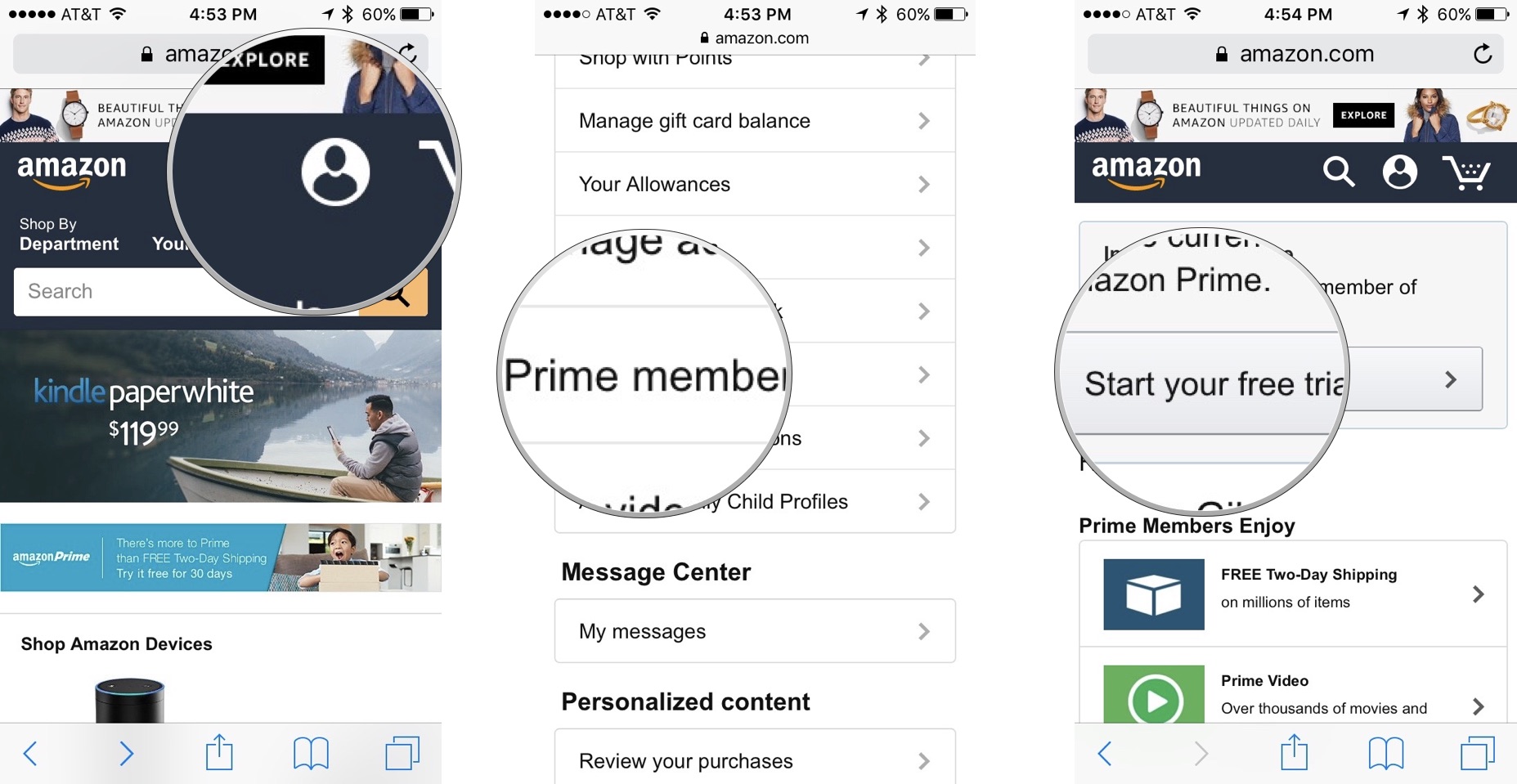
Before committing any money, every prospective Prime member should take advantage of the 30-day free trial. This isn’t just a marketing gimmick; it’s a vital financial tool for due diligence. During this trial period, you gain full access to all Prime benefits, allowing you to:
- Test the Shipping Speed: Verify if the expedited shipping genuinely meets your expectations in your geographical area.
- Explore Digital Libraries: Dive into Prime Video, Prime Music, and Prime Reading to see if the content aligns with your preferences and if these services could genuinely replace existing paid subscriptions.
- Identify Shopping Habits: Monitor how often you naturally use Amazon during the trial and how many Prime-eligible purchases you make.
- Experience Exclusive Deals: While Prime Day might not fall within your trial, other member-exclusive deals might appear, giving you a taste of potential savings.
Crucially, mark your calendar for the trial’s end date. If you decide Prime isn’t worth the investment after the trial, cancel before the first charge to avoid any financial commitment. This risk-free exploration is an invaluable step in smart financial decision-making regarding subscriptions.
Special Programs: Deep Discounts for Qualified Individuals
Amazon offers significant discounts on Prime membership for specific demographics, presenting substantial savings for eligible individuals. These programs are often overlooked but represent a key strategy for reducing your annual outflow.
- Prime Student: For currently enrolled college students, Amazon offers Prime Student at a significantly reduced rate, often 50% off the standard annual price, and includes an extended 6-month free trial. This is a phenomenal financial advantage for students, providing access to essential services (shipping for textbooks, digital entertainment during study breaks) at a fraction of the cost. Proof of enrollment is required.
- EBT and Medicaid Recipients: In a move to make Prime more accessible, Amazon offers a discounted monthly membership for individuals who receive qualifying government assistance, such as EBT (Electronic Benefits Transfer) or Medicaid. This typically brings the monthly cost down to about $6.99, a substantial reduction compared to the standard monthly fee. This initiative acknowledges the financial constraints faced by these populations and offers a more affordable entry point to Prime’s benefits.

These special programs are not just discounts; they are opportunities for targeted financial relief. If you qualify for any of these, actively seek them out as they represent the most cost-effective ways to acquire Prime membership, potentially saving you hundreds of dollars over several years compared to standard pricing. Always verify eligibility requirements on Amazon’s official site, as these programs can change.
Optimizing Your Amazon Prime Investment
Simply having Amazon Prime doesn’t guarantee financial benefit; actively optimizing its use is paramount. This involves strategic purchasing, fully leveraging all available digital services, and intelligently sharing benefits where possible. Without a proactive approach, even a discounted membership can become an underutilized expense.
Strategic Shopping: Maximizing Shipping and Exclusive Deals
The cornerstone of Prime’s financial value is its shopping benefits. To maximize your investment, consider these strategies:
- Consolidate Purchases: Instead of placing multiple small orders throughout the week, try to group your purchases to take full advantage of the free, fast shipping. While individual shipping costs are nullified, reducing the frequency of orders can streamline your mental budget and packaging waste.
- Utilize “Subscribe & Save”: For recurring purchases like toiletries, pet food, or pantry staples, “Subscribe & Save” offers additional discounts, often 5% to 15% off, and delivers them automatically. Prime members get the added benefit of free shipping on these subscriptions, compounding savings. This is a direct method to reduce your ongoing household expenses.
- Shop Prime Day and Exclusive Sales: Plan major purchases around Prime Day (typically in July) and other Prime-exclusive sales events. These sales often feature steep discounts on electronics, home goods, and Amazon devices. Waiting for these windows can result in significant savings that easily outweigh the annual Prime fee. Think of it as a strategic investment of your time to yield a financial return.
- Leverage Whole Foods Market Benefits: If you shop at Whole Foods, always link your Prime account. The exclusive discounts and extra 5% back on selected sale items add up, turning your grocery runs into a source of tangible savings. This is a direct financial kickback for an existing expense.
Unlocking Digital Perks: Entertainment and Productivity from a Financial Lens
The digital ecosystem within Prime offers numerous opportunities to save money by reducing or eliminating other paid subscriptions.
- Audit Your Streaming Subscriptions: Review your current streaming services (Netflix, Hulu, Disney+, Spotify, Apple Music). Can Prime Video and Prime Music adequately replace one or more of these? If you can drop a $10-$15/month subscription because Prime fulfills that need, you’re directly offsetting your Prime fee.
- Utilize Prime Reading and Amazon First Reads: If you enjoy reading, leverage these services to access free eBooks. Even if you only read one free book a month instead of buying it, you’re saving $5-$15 per book, quickly accumulating savings over a year.
- Amazon Photos for Cloud Storage: Prime members get unlimited full-resolution photo storage and 5 GB for video. This can potentially replace a separate cloud storage subscription like Google Photos (if you pay for expanded storage) or Dropbox, saving you another recurring expense.
- Twitch Prime Benefits: For gamers, Twitch Prime (now Prime Gaming) offers free games, in-game content, and a free channel subscription each month. These aren’t just entertainment; they’re direct financial benefits if you would otherwise purchase these items.
The key is not just having access to these perks but actively using them as substitutes for other paid services. Each replacement represents a direct reduction in your monthly expenditure.
Sharing Benefits: Extending Value to Your Household
Amazon Prime allows for sharing certain benefits, which can exponentially increase its financial value without incurring additional costs.
- Amazon Household: Prime members can share their shipping benefits, Prime Video, Prime Reading, and certain other digital content with one additional adult and up to four children in their household. This means one paid Prime membership can effectively serve two adults and their children, splitting the cost or making the investment more worthwhile for a multi-person household.
- Financial Synergy: If you live with a partner or family member who also frequently shops on Amazon or uses streaming services, establishing an Amazon Household means you’re collectively getting double the utility from a single annual fee. This significantly reduces the per-person cost of Prime’s benefits, making it an incredibly financially efficient arrangement.
Before setting up an Amazon Household, ensure you understand which benefits are shareable and which are not. For instance, Twitch Prime benefits are generally not shared. However, for the core services, sharing is a powerful strategy to amplify the financial return on your Prime investment.
Managing Your Prime Subscription and Long-Term Value
Acquiring Prime is one step; managing it effectively and continually assessing its value is another. Subscriptions, if left unchecked, can become stealthy budget drains. A proactive approach to monitoring costs, understanding renewal strategies, and making informed decisions about retention or cancellation is vital for long-term financial health.
Monitoring Costs and Renewal Strategies
Once you’re a Prime member, it’s easy to fall into complacency. However, vigilance is key for a recurring expense:
- Track Price Changes: While Amazon typically announces price increases, it’s wise to be aware. Factor any changes into your annual financial assessment.
- Review Your Usage Annually: Before your annual renewal, conduct a quick audit. How much did you genuinely use Prime’s benefits over the past year? Did you save enough on shipping, streaming, and exclusive deals to justify the fee? Be honest with yourself.
- Set Renewal Reminders: If you opt for the monthly plan, or are considering changing from monthly to annual, set reminders. For annual plans, knowing your renewal date allows you to plan your budget and make an informed decision about continuation.
- Consider Gift Memberships: Sometimes, you might receive Amazon Prime as a gift, which extends your membership period. This is a direct financial saving as it defers your next payment.
Financial discipline dictates that every recurring expense should be periodically scrutinized. Treat your Prime membership no differently.
Evaluating Continuous Value: When to Keep or Cancel
The decision to keep or cancel your Prime membership should be driven by a continuous assessment of its value relative to its cost.
- Changing Needs: Has your lifestyle changed? Perhaps you’ve moved closer to stores, reducing your online shopping, or you’ve found a different streaming service you prefer. Your initial reasons for joining might no longer apply.
- Usage Declines: If you find yourself rarely using the shipping benefits, or you’re paying for other streaming services despite having Prime Video, the value proposition diminishes significantly.
- Alternative Solutions: Are there free or cheaper alternatives that meet your needs? Many retailers now offer free shipping with a minimum purchase, and there are numerous free streaming services available.
- Opportunity Cost: Consider what else that $139 (or more) could do for your finances. Could it go into savings, debt repayment, or another investment that yields greater personal financial utility?
The beauty of a subscription service is the ability to opt out. Don’t feel obligated to maintain a membership that no longer serves your financial or practical needs.

Avoiding Unnecessary Charges and Understanding Refunds
Even with careful planning, sometimes errors or forgotten subscriptions can lead to unwanted charges.
- Monitor Bank Statements: Regularly check your bank or credit card statements for unexpected Amazon charges. Sometimes, a free trial might convert to a paid membership unnoticed if the cancellation was missed.
- Prompt Cancellation: If you decide to cancel, do so immediately through your Amazon account settings. Amazon typically offers a clear cancellation path.
- Refund Policy: Amazon has a clear refund policy for Prime memberships. If you are charged for an annual membership but haven’t used any Prime benefits (like streaming or free shipping) since the charge, you are usually eligible for a full refund. For partial usage, a pro-rated refund might be available. Understand these policies to recover any mistaken payments.
- Deactivate Auto-Renew: If you want to use Prime for a specific period and then cancel, go into your membership settings and turn off auto-renew as soon as you sign up. This prevents an accidental charge at the end of your term.
By actively managing your Amazon Prime subscription, you ensure that it remains a financial asset rather than a silent drain on your resources. From selecting the most cost-effective acquisition method to continuously evaluating its utility and gracefully managing its termination, a strategic approach will empower you to leverage Amazon Prime as a tool for financial optimization, not just another recurring bill.
aViewFromTheCave is a participant in the Amazon Services LLC Associates Program, an affiliate advertising program designed to provide a means for sites to earn advertising fees by advertising and linking to Amazon.com. Amazon, the Amazon logo, AmazonSupply, and the AmazonSupply logo are trademarks of Amazon.com, Inc. or its affiliates. As an Amazon Associate we earn affiliate commissions from qualifying purchases.