
In the evolving landscape of digital entertainment, understanding the financial implications of our subscription choices is paramount. Amazon Prime Video, a cornerstone of many households’ streaming habits, presents a unique proposition that extends beyond just video content. For individuals and families meticulous about their personal finances, delving into the true cost of Amazon Video each month – and the value it delivers – is a crucial exercise in financial literacy and smart budgeting. This article aims to meticulously break down the various pricing models, hidden costs, and strategic approaches to maximize your investment in Amazon Prime Video, ensuring your entertainment budget remains both fulfilling and fiscally sound.
Decoding Amazon Prime Video’s Core Costs
The initial question of “how much is Amazon Video a month?” isn’t as straightforward as it might seem, primarily because Amazon Video is often bundled within the broader Amazon Prime membership. Understanding these fundamental structures is the first step in assessing its financial impact on your monthly outlay.
The Standard Monthly Prime Subscription
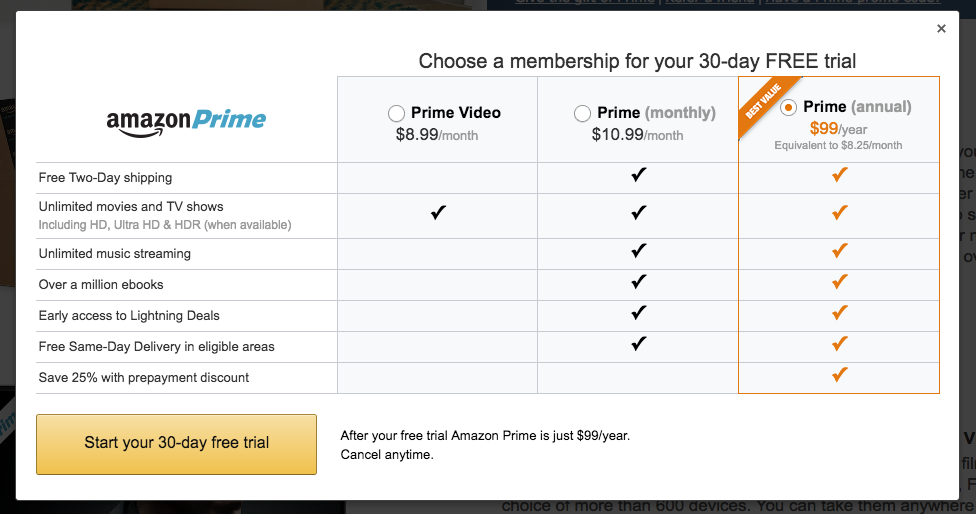
For most consumers, accessing Amazon Prime Video means subscribing to Amazon Prime. As of early 2024, the standard monthly Amazon Prime membership in the U.S. typically costs $14.99 per month. This subscription is not just for video; it’s a comprehensive package that includes a multitude of benefits, such as free two-day shipping on eligible items, access to Amazon Music Prime, Prime Gaming, Prime Reading, and more. From a personal finance perspective, evaluating this $14.99 requires considering how much you utilize all these services, not just the video component. If you regularly shop on Amazon, the shipping benefits alone could potentially offset a significant portion of the cost, making the video a valuable added perk rather than the sole justification for the expense. This holistic view is critical for a savvy budgeter.
Annual vs. Monthly: A Financial Comparison
Amazon offers a financial incentive for committing to an annual Prime membership. Typically, an annual subscription costs around $139 per year. A quick calculation reveals the savings: $14.99/month * 12 months = $179.88. Comparing this to the $139 annual fee, you save approximately $40.88 per year by opting for the annual plan. For those firmly committed to Amazon Prime and its ecosystem, choosing the annual payment is a clear financial win. It’s a classic example of how paying upfront for a year can reduce your overall expenditure, offering a discount for loyalty and commitment. From a budgeting standpoint, this means either absorbing a larger one-time expense or factoring in a monthly allocation of approximately $11.58 ($139 / 12) for the service, which is considerably less than the $14.99 monthly option. This foresight in planning can significantly optimize your entertainment budget over time.
Standalone Prime Video: Is It a Savvy Saver’s Choice?
Recognizing that not every consumer needs the full suite of Prime benefits, Amazon also offers a standalone Prime Video membership. This option is typically priced at $8.99 per month. For individuals whose primary interest is strictly the video content and who do not frequently use Amazon’s shopping benefits, music, or other perks, this standalone option appears to be the most cost-effective way to access Amazon’s extensive video library.
From a financial planning perspective, choosing the standalone video subscription means meticulously assessing your consumption habits. If your Amazon purchases are infrequent and never meet the free shipping threshold, or if you already subscribe to other music or reading services, then the $8.99 Prime Video subscription is a targeted expenditure that avoids paying for unused services. It’s a testament to personalized budgeting: only pay for what you genuinely use. However, if you find yourself occasionally needing expedited shipping or enjoying other Prime benefits, the tipping point where the full Prime membership becomes more financially advantageous is quickly reached. For instance, if you make just two or three orders a year that would otherwise incur significant shipping fees, the $6 difference between the standalone video and the full Prime membership could easily be justified.
Beyond the Basics: Understanding Variable Costs and Add-ons
While the core subscription fee forms the foundation, the true monthly cost of your Amazon Video experience can fluctuate based on additional choices. These variable expenditures are critical to monitor for comprehensive financial management of your digital entertainment.
Premium Channel Subscriptions: Expanding Your Entertainment Budget
Amazon Prime Video serves as a hub for subscribing to various premium channels directly through its platform, such as HBO Max (now Max), Starz, Showtime, Paramount+, and many others. Each of these channels comes with its own additional monthly fee, typically ranging from $5 to $15 per month, depending on the specific service. While convenient, adding multiple channels can rapidly inflate your total monthly entertainment bill.
For astute financial planners, this is where discipline becomes vital. Each add-on should be evaluated for its individual merit and necessity. Consider a “use it or lose it” approach: if a particular channel isn’t providing consistent viewing value, it might be a prime candidate for cancellation. Furthermore, some of these services are available as standalone subscriptions directly from their providers, and occasionally, promotional offers or bundling deals might make subscribing outside of Amazon Channels more financially attractive. Regularly reviewing your active channel subscriptions and comparing prices is an essential habit for managing your entertainment budget effectively.
Rentals and Purchases: The A La Carte Impact on Your Wallet
Beyond the content included with your Prime Video subscription or add-on channels, Amazon offers a vast library of movies and TV shows available for digital rental or purchase. A typical movie rental can range from $3.99 to $5.99, while purchasing a movie might cost anywhere from $14.99 to $19.99, and full TV seasons can be even higher. These are one-off transactions that are added on top of your monthly subscription fee.
From a financial perspective, these a la carte options represent discretionary spending that can quickly accumulate. It’s easy to lose track of these impulse purchases, which can significantly skew your perceived monthly entertainment cost. Budgeting for these items means either setting a strict monthly allowance for rentals/purchases or adopting a strategy of prioritizing content included in your existing subscriptions. For example, before renting a movie, check if it’s available on any of your subscribed channels or if it’s coming to a streaming service you already pay for in the near future. This mindful approach helps prevent budget overruns and ensures every dollar spent on entertainment is a conscious decision.
The Hidden Costs: Data Usage and Device Investments
While not a direct monthly charge from Amazon, prudent financial management acknowledges peripheral costs associated with streaming. High-definition or 4K streaming consumes significant internet data. If you have a capped internet plan, excessive streaming could lead to overage charges, indirectly increasing your “cost” of Amazon Video. Similarly, while not a monthly expense, the initial investment in compatible devices (smart TVs, streaming sticks, tablets) to optimally enjoy Amazon Video is part of the broader financial picture of digital entertainment. While these aren’t recurring Amazon charges, a holistic view of your entertainment spending requires acknowledging these factors, especially for those meticulously tracking every expenditure.
Maximizing Value: Discounts and Financial Strategies for Amazon Prime

Astute financial consumers are always on the lookout for ways to extract maximum value from their expenditures. Amazon offers several avenues for discounts and strategic approaches that can significantly reduce the effective cost of your Prime Video experience, making it a more efficient use of your money.
Student and Government Assistance Discounts: Smart Savings for Eligible Viewers
Amazon recognizes that certain demographics have different financial capacities. For eligible college students, Amazon offers Prime Student, which typically comes with a six-month free trial, followed by a discounted rate that is approximately half the standard Prime membership cost (e.g., $7.49/month or $69/year). This is an incredibly valuable financial break for students, offering full Prime benefits, including video, at a substantially reduced rate. Similarly, individuals receiving qualifying government assistance (e.g., EBT or Medicaid) can often subscribe to Prime at a reduced monthly rate, often around $6.99 per month.
For those who qualify, taking advantage of these programs is a no-brainer from a personal finance standpoint. It significantly lowers the barrier to entry for a robust suite of services and demonstrates a direct, quantifiable saving. Before subscribing or renewing, always check if you or someone in your household qualifies for these advantageous rates. It’s a straightforward way to optimize your entertainment budget without sacrificing content.
Shared Accounts: Optimizing Household Entertainment Budgets
Amazon Prime allows for account sharing, often referred to as an “Amazon Household.” This feature enables two adults and up to four children to share Prime benefits, including Prime Video, at no additional cost. From a financial perspective, this is a powerful cost-saving mechanism. If two adults in a household were to each subscribe to Prime separately, they would collectively pay double the amount. By sharing a single Prime membership, the per-person cost is effectively halved.
This strategy extends beyond romantic partners or direct family. While Amazon’s rules stipulate household members, a shared understanding within a family unit (e.g., adult children living at different addresses, but still part of a close financial unit if Amazon’s terms allow, or simply sharing within the same household) can lead to significant savings. It’s an efficient way to pool resources for a shared benefit, making the overall cost of digital entertainment more palatable and financially intelligent. However, it is crucial to always adhere to Amazon’s specific terms and conditions for account sharing to avoid any issues.
Unlocking Prime Benefits: More Than Just Video for Your Money
Perhaps the most crucial financial strategy for Amazon Prime members is to fully leverage all the benefits included in the subscription. As highlighted earlier, Prime Video is just one component of a much larger ecosystem. For the $14.99/month (or ~$11.58/month annually), you also get:
- Free, fast shipping: The most cited benefit. If you frequently order from Amazon, the savings on shipping fees can quickly add up, easily justifying the entire subscription cost.
- Amazon Music Prime: Access to millions of ad-free songs and podcasts. If you previously paid for another music streaming service, this might allow you to consolidate and save.
- Prime Reading: A rotating selection of free eBooks and magazines.
- Prime Gaming: Free games, in-game content, and a free channel subscription on Twitch.
- Whole Foods Market discounts: Exclusive savings at Whole Foods.
- Amazon Photos: Unlimited full-resolution photo storage.
From a financial lens, the goal is to extract maximum utility from your investment. If you’re paying for Prime primarily for video, but neglecting the shipping benefits, music, or reading, you’re essentially leaving money on the table. By actively integrating these services into your daily life, the per-benefit cost decreases significantly, transforming your Prime membership from an entertainment expense into a broader lifestyle utility with substantial financial value. Regularly auditing your usage of these benefits can help justify the expense and even identify areas where you might be able to cut other subscriptions.
Budgeting for Streaming: Amazon Prime Video in Your Personal Finance Plan
Integrating Amazon Prime Video into your personal finance plan requires a thoughtful approach, weighing its cost against its value and comparing it with other streaming options. It’s about making conscious financial decisions for your entertainment portfolio.
Comparing Costs: Amazon Prime Video Against Competitors
When budgeting for streaming, it’s essential to compare Amazon Prime Video’s cost and offerings with other major players like Netflix, Hulu, Disney+, and Max.
- Netflix: Offers various tiers (e.g., Basic with ads, Standard, Premium) ranging from ~$6.99 to ~$22.99/month.
- Hulu: Base plan with ads around ~$7.99/month, ad-free around ~$17.99/month.
- Disney+: With ads ~$7.99/month, ad-free ~$13.99/month.
- Max: With ads ~$9.99/month, ad-free ~$15.99/month.
When Amazon Prime Video is considered standalone at $8.99/month, it’s competitively priced with basic tiers of other services. However, if you’re evaluating the full Prime membership at $14.99/month, you must factor in the additional non-video benefits. A prudent financial approach involves creating a spreadsheet of all your streaming subscriptions, their monthly costs, and the primary content you consume on each. This visual aid can quickly highlight redundancies or services that no longer provide adequate value for their price, aiding in strategic cuts.
Performing a Personal Return on Investment (ROI) for Your Subscription
A “personal ROI” for your Amazon Prime subscription means quantifying the financial and qualitative benefits you receive versus the cost.
- Financial Savings: Calculate how much you save on shipping fees, if you’ve canceled other music services due to Prime Music, or if you’ve taken advantage of Prime Reading or Gaming.
- Opportunity Cost: Consider what other expenses you might be foregoing to afford Prime.
- Qualitative Value: How much entertainment value do you derive from Prime Video? Does it offer unique content you can’t get elsewhere? Does it provide relaxation and enjoyment that contributes positively to your well-being?
If your calculated financial savings and the qualitative enjoyment significantly outweigh the monthly cost, then your Prime subscription offers a strong personal ROI. If you’re rarely using the benefits beyond a cursory glance at the video library, the ROI might be poor, indicating a potential area for budget optimization. This financial introspection is vital for ensuring your money is allocated to services that genuinely enhance your life.

Evaluating Your Entertainment Portfolio: When to Cut or Consolidate
Maintaining a lean and efficient entertainment budget requires regular evaluation. Consider these points for Amazon Prime Video:
- Usage Frequency: How often do you genuinely watch content on Prime Video?
- Content Library: Are there specific shows or movies keeping you subscribed, or have you exhausted the content you’re interested in?
- Redundancy: Are you paying for multiple services that offer similar content or benefits? (e.g., two music streaming services).
- Seasonality: Could you subscribe for a few months to binge-watch desired content and then cancel, only to resubscribe later? This “churn and burn” strategy can significantly reduce annual costs, especially for standalone services.
By actively managing your streaming subscriptions, including Amazon Prime Video, you exercise greater control over your personal finances. Understanding the true cost, leveraging available discounts, and continuously assessing the value proposition are the hallmarks of a financially savvy consumer in the digital age. Amazon Prime Video offers considerable value, but only if you consciously integrate it into a well-thought-out and regularly reviewed financial plan.
aViewFromTheCave is a participant in the Amazon Services LLC Associates Program, an affiliate advertising program designed to provide a means for sites to earn advertising fees by advertising and linking to Amazon.com. Amazon, the Amazon logo, AmazonSupply, and the AmazonSupply logo are trademarks of Amazon.com, Inc. or its affiliates. As an Amazon Associate we earn affiliate commissions from qualifying purchases.