
In the vast and ever-expanding universe of digital entertainment, Amazon Video has cemented its position as a formidable contender, offering a diverse array of movies, TV shows, and original content. For many, it’s an indispensable part of their leisure time, yet the question “how much does Amazon Video cost?” isn’t always straightforward. It’s a query that often leads to a multi-layered answer, encompassing not just a simple subscription fee but a dynamic ecosystem of pay-per-view options, channel add-ons, and bundled benefits. Understanding the true financial commitment involves dissecting its various facets, allowing consumers to make informed decisions about their entertainment budget.
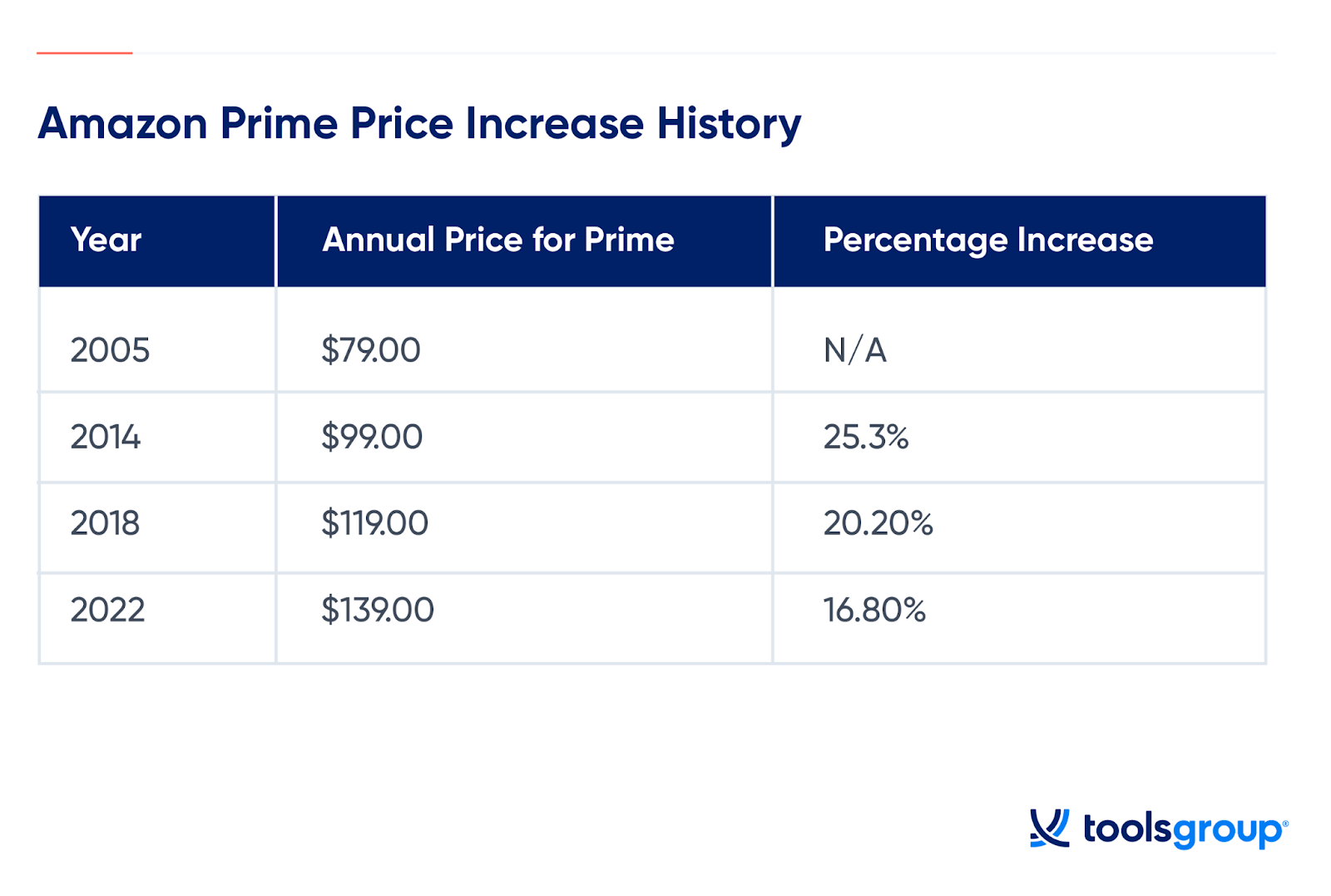
This article delves deep into the pricing structure of Amazon Video, meticulously breaking down the core subscription, ancillary costs, and how to optimize your expenditure to maximize value. We’ll explore the nuances of Amazon Prime Video, the flexibility of renting and buying, and the curated world of Prime Video Channels, all while offering insights into whether the investment aligns with your personal finance goals.
The Core Offering: Amazon Prime Video Subscription
At the heart of Amazon Video’s appeal is Amazon Prime Video, the streaming service that comes bundled with an Amazon Prime membership. This integration is both a strength and, at times, a source of confusion for those solely interested in video content. Understanding the Prime Video subscription begins with acknowledging its symbiotic relationship with the broader Amazon ecosystem.
Monthly vs. Annual Plans: A Cost-Benefit Analysis
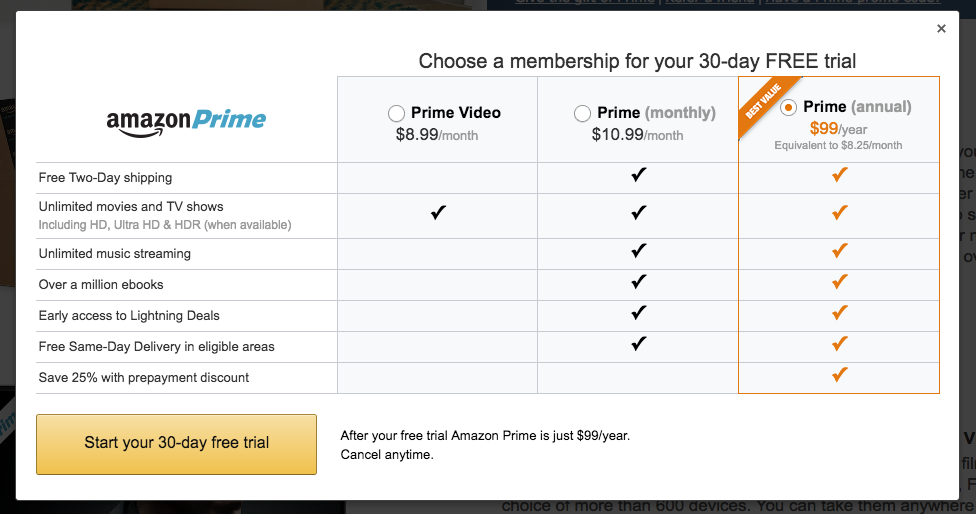
For consumers in many regions, Amazon offers a choice between a monthly and an annual subscription for its Prime service, which includes Prime Video. The cost difference between these two options can be significant over a year, presenting a clear financial incentive for long-term commitment.
A monthly subscription offers flexibility, allowing users to cancel anytime without a lengthy commitment. This might appeal to individuals who only wish to subscribe during specific periods (e.g., to binge-watch a new season of a favorite show or during holiday breaks). However, this flexibility comes at a premium. Opting for the annual plan typically translates to a notable saving when calculated over 12 months, effectively giving you several months “free” compared to paying month-to-month. From a personal finance perspective, committing to an annual plan makes sense if you anticipate using Prime Video – and the other Prime benefits – consistently throughout the year. It’s an upfront investment that yields long-term savings for regular users.
What’s Included with Prime Video? Beyond the Price Tag
The value of an Amazon Prime Video subscription extends far beyond just its monetary cost. It’s crucial to understand what you gain access to for that fee. The core benefit is an expansive library of streaming content, featuring thousands of movies and TV shows, including critically acclaimed Amazon Originals. These exclusive series and films, such as “The Lord of the Rings: The Rings of Power,” “The Boys,” and “Fleabag,” are a major draw and represent a significant investment by Amazon to compete with other streaming giants.
Furthermore, a Prime Video subscription often includes access to live sports in certain regions, ad-supported free content (Freevee), and offline viewing capabilities through downloads. For the personal finance-minded individual, the “what’s included” part of the equation is vital for determining true value. It’s not just the quantity of content, but its quality and relevance to your viewing preferences that dictates whether the cost is justified. The bundle nature of Prime means you’re not just paying for video; you’re also getting expedited shipping, music streaming, photo storage, and more, which can significantly enhance the perceived value if you utilize these other services.
Regional Price Differences and Student Discounts
The cost of Amazon Prime Video is not universal. Pricing varies significantly by country, reflecting local market conditions, content licensing agreements, and economic factors. For instance, a subscription in the United States will differ from one in the UK, Germany, India, or Japan. This regional disparity is important for international users or those comparing prices across different locales. Always check the local Amazon website for the most accurate and up-to-date pricing in your specific region.
Moreover, Amazon often extends special offers, with student discounts being a prominent example. Many regions offer a substantially reduced Prime membership fee for eligible students, sometimes even including an extended free trial period. These student-specific programs are a savvy financial move by Amazon to cultivate long-term subscribers, while simultaneously offering a much-needed budget-friendly option for students. For anyone in an academic setting, investigating these discounts can lead to significant savings on their entertainment and lifestyle expenses.
Beyond the Subscription: Pay-Per-View and Channel Add-ons
While the Prime Video subscription provides a robust library of content, Amazon’s ecosystem offers additional ways to expand your viewing choices, often at an extra cost. These options cater to specific desires for new releases, niche genres, or content from other providers, operating on a pay-per-view or subscription add-on model.
Renting and Buying Digital Content
Even with a Prime Video subscription, there will inevitably be movies or TV shows that are not included in the “free with Prime” library. This is where Amazon’s extensive digital storefront comes into play, allowing users to rent or buy individual titles. This model is particularly popular for new theatrical releases that are not yet available on any subscription service, or for older titles that are not part of Prime’s rotating collection.
- Renting: When you rent a title, you typically have a limited window (e.g., 30 days) to start watching it, and once you begin, you have a shorter period (e.g., 48 hours) to finish it. This is ideal for one-time viewing of a movie you don’t plan to rewatch frequently. Rental prices vary based on the title’s popularity, newness, and resolution (SD/HD/4K), usually ranging from a few dollars to upwards of $6-$7.
- Buying: Purchasing a digital title grants you indefinite access to it within your Amazon library. This is suitable for favorite movies or TV show seasons that you anticipate rewatching multiple times. Purchase prices are generally higher than rental prices, ranging from $10-$20 for movies and often $20-$40+ for full seasons of TV shows.
From a financial perspective, deciding between renting and buying requires careful consideration of your viewing habits and long-term interest in the content. Renting is budget-friendly for casual viewing, while buying is an investment for beloved content that you’ll revisit. Always compare prices across different platforms (if available) before making a purchase.
Amazon Prime Video Channels: Expanding Your Entertainment Universe
Amazon Prime Video Channels are a unique offering that allows Prime members to subscribe to additional streaming services directly through the Amazon platform. These channels are essentially separate subscriptions (e.g., HBO, Showtime, Starz, Paramount+, Shudder, BritBox, etc.) that are managed and billed via your Amazon account. They are not included with the standard Prime Video subscription and incur their own monthly fees, which vary widely depending on the channel.
This model provides convenience, centralizing billing and content access within the Prime Video interface, eliminating the need for multiple apps and login credentials. However, it’s crucial for consumers to understand that each channel is an additional cost, typically ranging from $3 to $15+ per month. For example, subscribing to HBO via Prime Video Channels would cost a similar amount to subscribing directly to Max (HBO’s standalone streaming service), but the billing is integrated with Amazon.
While convenient, Prime Video Channels can quickly escalate your total streaming expenses. A savvy financial approach involves carefully selecting only those channels that offer content you genuinely want and cannot access elsewhere. Many channels offer free trials, which can be an excellent way to sample content before committing to a monthly fee. Regularly auditing these channel subscriptions is vital to avoid paying for services you no longer use.
The Value Proposition: Is Amazon Video Worth the Investment?
Deciding whether Amazon Video, with its multifaceted cost structure, is a worthwhile investment boils down to assessing its value against your personal entertainment needs and budget. This isn’t just about the raw numbers, but the quality of content, user experience, and the comprehensive ecosystem Amazon offers.
Comparing Costs with Competitors
To truly evaluate the cost-effectiveness of Amazon Video, it’s essential to compare it with other major streaming services like Netflix, Disney+, Hulu, Max, and Apple TV+. Each platform has its own pricing tiers, content libraries, and unique selling propositions.
- Netflix: Often more expensive for its premium tiers, with a vast general entertainment library but no bundled benefits.
- Disney+: Generally more affordable, focusing on family-friendly content from Disney, Pixar, Marvel, Star Wars, and National Geographic.
- Hulu: Offers current TV shows and a strong catalog, often bundled with Disney+, but standalone pricing can be similar to Prime Video.
- Max: Pricier, but boasts premium HBO content and Warner Bros. Discovery library.
- Apple TV+: Often the lowest price point, but with a smaller, highly curated library of original content.
Amazon Prime Video, when considered as part of the broader Prime membership, positions itself uniquely. Its value is amplified if you regularly use other Prime benefits like free shipping, music, and photo storage. If you only want streaming video and none of the other Prime perks, then standalone video subscriptions from competitors might seem more directly comparable in terms of video content per dollar. However, the sheer volume of “free with Prime” content, combined with the option to rent/buy and add channels, makes Amazon a comprehensive, albeit potentially more complex, entertainment hub.
The Hidden Value of Amazon Prime Benefits
The true financial proposition of Amazon Video is inextricably linked to the full suite of Amazon Prime benefits. Many users sign up for Prime primarily for the expedited shipping and then discover Prime Video as an added bonus. For these individuals, the cost of Prime Video is effectively subsidized by the value they derive from other Prime services.
Beyond shipping and video, Prime typically includes:
- Prime Music: Ad-free access to a large music library.
- Prime Reading: A selection of free e-books, magazines, and comics.
- Amazon Photos: Unlimited full-resolution photo storage.
- Early Access Deals: Exclusive access to Lightning Deals.
- Twitch Prime: Free games and in-game content.
If you leverage even a few of these additional benefits regularly, the annual Prime membership fee – and by extension, the cost of Prime Video – becomes significantly more palatable. It transforms from a pure entertainment expense into a broader lifestyle convenience package. For financially astute consumers, calculating the perceived savings from expedited shipping, free music, and other perks against the annual fee is crucial for understanding the true “cost” of Prime Video.
Managing Your Amazon Video Costs: Tips for Smart Streaming
In an era of subscription fatigue, effectively managing your Amazon Video expenses is paramount to maintaining a healthy personal budget while still enjoying your favorite content. A proactive approach can prevent overspending and ensure you’re getting the most value for your money.
Auditing Your Subscriptions Regularly
The easiest way for streaming costs to spiral out of control is by forgetting about dormant subscriptions. This is particularly true for Amazon Prime Video Channels, which are separate monthly charges. Make it a habit to audit your Amazon subscriptions every few months.
- Review your Amazon account: Navigate to “Memberships & Subscriptions” or “Digital Content” within your Amazon account settings. This section provides a comprehensive overview of all your active subscriptions, including Prime membership, Prime Video Channels, Kindle Unlimited, Amazon Music, etc.
- Identify unused channels: Cancel any Prime Video Channels you no longer watch or actively use. Many channels offer free trials, and it’s easy to forget to cancel them before the trial period ends.
- Evaluate Prime membership: Assess whether you are truly utilizing enough of the Prime benefits (shipping, music, reading, video) to justify the full annual or monthly fee. If you only occasionally stream and rarely shop on Amazon, a standalone streaming service might be more cost-effective.
This periodic review ensures that every dollar spent on Amazon Video-related services aligns with your current consumption habits and financial goals.
Leveraging Free Trials and Promotions Wisely
Amazon is known for its promotional offers and free trials, which can be a double-edged sword. While they provide an excellent opportunity to sample content without commitment, they also require discipline to cancel before being charged.
- Prime Free Trial: New users typically get a 30-day free trial of Amazon Prime. Use this period to explore the Prime Video library and other benefits extensively to determine if the service is a good fit before committing.
- Prime Video Channel Trials: Most Prime Video Channels offer 7-day or 14-day free trials. Mark your calendar with the trial end dates and make a conscious decision to either subscribe or cancel before the charge hits.
- Seasonal Promotions: Keep an eye out for special promotions, especially during major sales events like Prime Day or Black Friday. Amazon occasionally offers discounts on annual Prime memberships or deals on renting/buying digital content.
Strategically using free trials and promotions can significantly reduce your initial outlay and help you discover new content without financial risk.

Understanding Your Viewing Habits and Priorities
Ultimately, the “cost” of Amazon Video is subjective and ties into your personal viewing habits and entertainment priorities.
- Are you a binge-watcher? If you tend to consume a lot of content over short periods, the flexibility of a monthly Prime subscription (if you only want video for a few months) or leveraging free trials of specific channels for limited runs might be ideal.
- Do you watch regularly? If Amazon Prime Video is a constant source of entertainment throughout the year, the annual Prime membership becomes the most financially sound option due to the savings.
- Do you need specific content? If you’re primarily interested in content from a specific provider (e.g., HBO, Starz), calculate whether subscribing directly to that provider’s standalone app is more cost-effective than adding it as a Prime Video Channel, especially if you don’t use other Prime benefits.
By aligning your spending with your actual consumption patterns, you ensure that your investment in Amazon Video provides maximum entertainment value without unnecessarily burdening your personal finances.
In conclusion, the cost of Amazon Video is not a single price point but a spectrum of choices, each with its own financial implications. From the bundled value of an Amazon Prime membership to the à la carte options of renting, buying, and adding channels, understanding this ecosystem empowers you to navigate your streaming budget effectively, ensuring your entertainment choices enhance your life without draining your wallet.
aViewFromTheCave is a participant in the Amazon Services LLC Associates Program, an affiliate advertising program designed to provide a means for sites to earn advertising fees by advertising and linking to Amazon.com. Amazon, the Amazon logo, AmazonSupply, and the AmazonSupply logo are trademarks of Amazon.com, Inc. or its affiliates. As an Amazon Associate we earn affiliate commissions from qualifying purchases.