
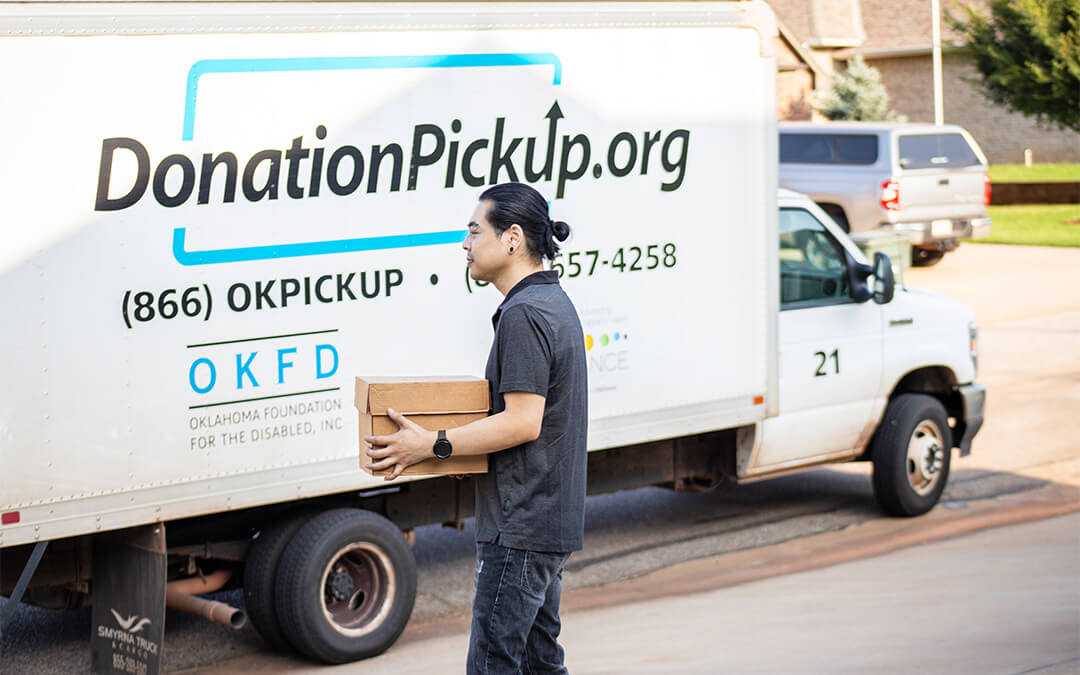
Philanthropy is often viewed through the lens of altruism, yet for the savvy investor and the financially conscious individual, it represents a sophisticated component of wealth management. When searching for “where to donate near me,” the objective should extend beyond mere proximity. A truly effective donation strategy aligns personal values with rigorous financial planning, tax optimization, and community-level economic impact. By viewing local charitable contributions as an investment in the social infrastructure of one’s immediate environment, donors can achieve a “double bottom line”: a measurable social return and a significant reduction in tax liability.
The Financial Architecture of Charitable Giving
Integrating local donations into a broader financial plan requires a departure from impulsive, checkbook-style giving. Instead, it demands a structured approach that leverages the tax code to maximize the power of every dollar. For those in high tax brackets, a well-timed local donation can be the difference between a massive tax bill and a balanced portfolio.
Tax-Loss Harvesting and Charitable Offsets
In a volatile market, investors often find themselves with capital gains that threaten to increase their tax burden. Strategic giving to local non-profits offers a mechanism to offset these gains. By donating to a local 501(c)(3) organization, taxpayers who itemize can deduct their contributions, effectively lowering their Adjusted Gross Income (AGI).
The search for “where to donate near me” should therefore be timed with the fiscal year-end or following a significant liquidity event. For instance, if you have realized significant gains from a stock sale or a business exit, identifying a local community foundation can provide a local repository for those funds, allowing you to take an immediate deduction while distributing the money to local causes over time.
The Power of Donor-Advised Funds (DAFs)
Donor-Advised Funds (DAFs) have revolutionized the way high-net-worth individuals handle local giving. A DAF allows you to make a charitable contribution, receive an immediate tax deduction, and then recommend grants from the fund to local charities over time.
The financial advantage of a DAF is its flexibility. You can contribute a large sum during a high-income year—perhaps when your business saw record profits—and then use that fund to support local food banks, schools, or shelters for the next decade. This creates a “charitable endowment” that remains unaffected by your future cash flow fluctuations. When looking for “where to donate near me,” many donors find that their local community foundation manages DAFs specifically geared toward regional improvement, providing expert oversight on where the money is most needed.
Qualified Charitable Distributions (QCDs) for Retirees
For individuals over the age of 70½, the search for local donation opportunities becomes a matter of Required Minimum Distribution (RMD) management. A Qualified Charitable Distribution (QCD) allows you to transfer up to $100,000 per year directly from your IRA to a qualified local charity.
The financial benefit here is immense: the QCD counts toward your RMD but is not included in your taxable income. This can prevent you from being pushed into a higher tax bracket or triggering higher Medicare premiums. When searching for local organizations, ensure they are eligible for QCDs, as private foundations and DAFs typically do not qualify for this specific tax maneuver.
Maximizing ROI: Auditing Local Charities for Financial Transparency
A donation is, in essence, a capital allocation. Just as you would not invest in a company without reviewing its balance sheet, you should not donate to a local organization without auditing its financial health. Searching for “where to donate near me” should lead to a shortlist of organizations that demonstrate high program efficiency and low administrative overhead.
Evaluating Expense Ratios and Program Efficiency
The gold standard for a financially healthy non-profit is the percentage of its budget that goes directly to its mission versus management and fundraising. When vetting local charities, look for an expense ratio where at least 75% of funds are spent on programs.
You can find this information by requesting the organization’s IRS Form 990. This public document provides a window into their financial soul, revealing executive compensation, total revenue, and how much is spent on the actual “work.” A local charity with a massive fundraising budget but minimal community impact is a poor “investment” of your philanthropic capital.
Using Financial Rating Tools
While “near me” focuses on geography, tools like Charity Navigator, GuideStar, and the Better Business Bureau’s Wise Giving Alliance provide the data needed for financial due diligence. These platforms aggregate data from Form 990s and provide scores based on accountability and transparency.
If a local non-profit is too small to be rated by these national platforms, ask for their audited financial statements. A transparent organization will be happy to provide them to a potential major donor. High-impact giving requires a focus on the “cost per outcome”—for example, how much does it cost this specific local shelter to move one person into permanent housing?
Identifying Long-Term Sustainability
Financial stability is a key metric. Does the local organization have a reserve fund? Are they overly dependent on a single government grant or one major donor? A charity that lives “paycheck to paycheck” may not be the best place for a legacy-sized donation. Look for organizations that have diversified revenue streams, including individual donations, corporate sponsorships, and perhaps even social enterprise models. This financial resilience ensures that your donation will contribute to long-term community transformation rather than just patching a temporary budget hole.

Strategic Asset Donation: Beyond the Cash Check
Most people think of “where to donate near me” in terms of cash or physical goods. However, from a financial perspective, cash is often the least efficient asset to give. Donating appreciated assets can provide a significantly higher tax benefit.
Donating Appreciated Securities
If you own stocks, bonds, or mutual funds that have increased in value since you purchased them, donating them directly to a local charity is a masterclass in tax efficiency. When you sell an appreciated asset, you are liable for capital gains tax. However, if you donate the asset directly to a 501(c)(3), you avoid the capital gains tax entirely and can still deduct the full fair market value of the asset at the time of the donation.
This allows you to give approximately 20% more to the local cause than you would have been able to if you sold the stock and donated the after-tax cash. Many local healthcare systems and universities have sophisticated development offices specifically designed to facilitate these types of asset transfers.
Cryptocurrency and Digital Assets
As cryptocurrency becomes a larger part of modern portfolios, it has also become a highly efficient charitable asset. Similar to stocks, donating Bitcoin or Ethereum directly to a local non-profit allows the donor to avoid capital gains tax. While not every local charity is equipped to handle digital wallets, many are partnering with third-party processors to accept these donations. This is a burgeoning area for “near me” searches, especially in tech-forward urban hubs where local foundations are increasingly adopting blockchain-based giving platforms.
Real Estate and Private Equity
For those with complex portfolios, donating real estate or interests in a private business can provide massive tax relief. If you have a local property that has appreciated significantly, donating it to a local land trust or housing authority can remove a management burden from your shoulders while providing a massive charitable deduction. These transactions are complex and require professional appraisals and legal oversight, but the financial impact—both for the donor and the community—is unparalleled.
Business Philanthropy and Corporate Tax Strategy
For business owners, the question of “where to donate near me” is inextricably linked to corporate strategy and brand equity. Local giving can be structured as a business expense, providing a different set of financial advantages.
Section 170 Deductions and Business Structure
The way your business is structured (C-Corp, S-Corp, LLC) dictates how local donations are treated for tax purposes. C-Corporations can generally deduct charitable contributions up to 10% of their taxable income. For pass-through entities like LLCs and S-Corps, the deduction passes through to the individual shareholders.
Beyond the tax deduction, local corporate giving functions as “impact marketing.” Supporting a local youth sports league or a community park revitalization project builds brand loyalty among the local customer base. This is a strategic allocation of the marketing budget that yields both a tax benefit and a community-wide PR boost, which can lead to increased local revenue.
Leveraging Employee Matching Programs
To maximize the financial impact of a company’s local giving, many businesses implement matching gift programs. By matching the donations made by employees to local charities, a company effectively doubles the impact of its workforce’s philanthropy. This is not only a sound financial strategy for maximizing community impact but also a powerful tool for employee retention and recruitment. In a competitive labor market, a company’s commitment to “near me” causes can be a deciding factor for high-value talent.
Estate Planning and Generational Wealth Transfer
The final frontier of searching for “where to donate near me” involves the long-term distribution of wealth after one’s passing. Strategic philanthropy is a cornerstone of estate planning, used to mitigate estate taxes and ensure a lasting legacy in the local community.
Charitable Remainder Trusts (CRTs)
A Charitable Remainder Trust is a powerful tool for those who want to support a local cause but still need income. You transfer assets into the trust, receive an immediate tax deduction, and the trust pays you (or your heirs) an income for a set period. At the end of the term, the “remainder” goes to your chosen local charity. This is an excellent way to convert an appreciated asset into an income stream while ultimately benefiting the local community.
Charitable Lead Trusts (CLTs)
Conversely, a Charitable Lead Trust provides an immediate income stream to a local charity for a set number of years. At the end of the term, the remaining assets are passed on to your heirs, often with significantly reduced gift or estate taxes. This is a favorite strategy for families who wish to pass on a local business or real estate portfolio to the next generation while maintaining a high level of community support.
Integrating Giving into the Local Economy
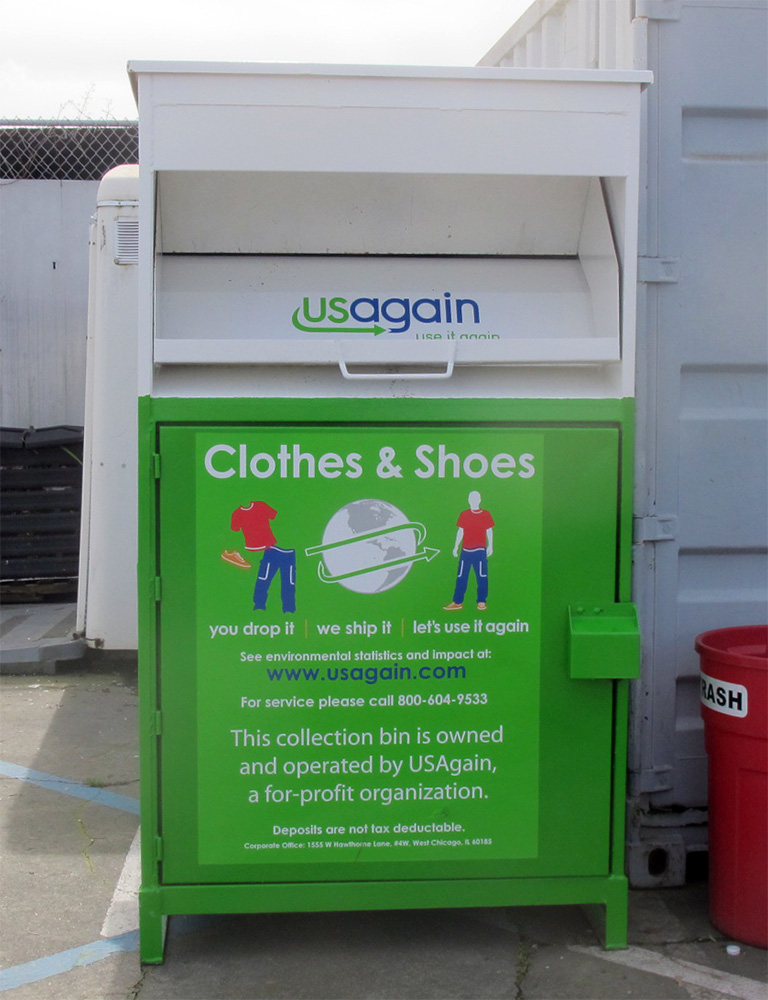
Ultimately, the decision of “where to donate near me” should be a calculated move within a broader financial life. By selecting local organizations that are fiscally responsible, utilizing tax-advantaged giving vehicles like DAFs and QCDs, and considering the donation of appreciated assets, you transform your philanthropy from a simple act of kindness into a powerful financial tool. Giving locally ensures that your financial success contributes directly to the stability and growth of your own community, creating a virtuous cycle of economic and social prosperity that benefits everyone—including the donor.
aViewFromTheCave is a participant in the Amazon Services LLC Associates Program, an affiliate advertising program designed to provide a means for sites to earn advertising fees by advertising and linking to Amazon.com. Amazon, the Amazon logo, AmazonSupply, and the AmazonSupply logo are trademarks of Amazon.com, Inc. or its affiliates. As an Amazon Associate we earn affiliate commissions from qualifying purchases.