
In an increasingly complex world, the desire to make a positive impact often translates into a question: “Where can I donate near me?” While the impulse is altruistic, the act of giving is fundamentally intertwined with personal finance. Strategic philanthropy, far from being a mere afterthought, is a vital component of holistic financial planning, offering opportunities to align your values with your wealth, optimize tax benefits, and ensure your contributions create lasting change. This guide delves into the financial considerations and practical steps for effective charitable giving, helping you locate impactful donation opportunities close to home.
The Financial Landscape of Philanthropy: Why Giving Matters to Your Wallet
Charitable giving is not just an act of kindness; it’s a deliberate financial decision that can significantly impact your personal balance sheet and overall financial health. Understanding this financial dimension is the first step toward becoming a more strategic and impactful donor.
Aligning Your Values with Your Wallet
Every financial decision reflects a set of priorities. When you allocate funds for charitable giving, you are explicitly choosing to invest in causes that resonate with your personal values. This alignment isn’t just emotionally rewarding; it can foster a deeper sense of financial purpose and discipline. For instance, if environmental sustainability is a core value, dedicating a portion of your budget to local conservation efforts means your money is working towards a future you believe in, often leading to greater satisfaction than purely consumptive spending. From a personal finance perspective, integrating giving into your budget transforms it from an occasional impulse to a consistent, intentional allocation, much like saving for retirement or a down payment. It becomes a fixed line item, reflecting its importance in your financial hierarchy.
Beyond Monetary Donations: Valuing Your Assets and Time
While cash donations are the most common, your capacity to give extends beyond readily available funds. Many valuable assets can be donated, each with its own financial implications.
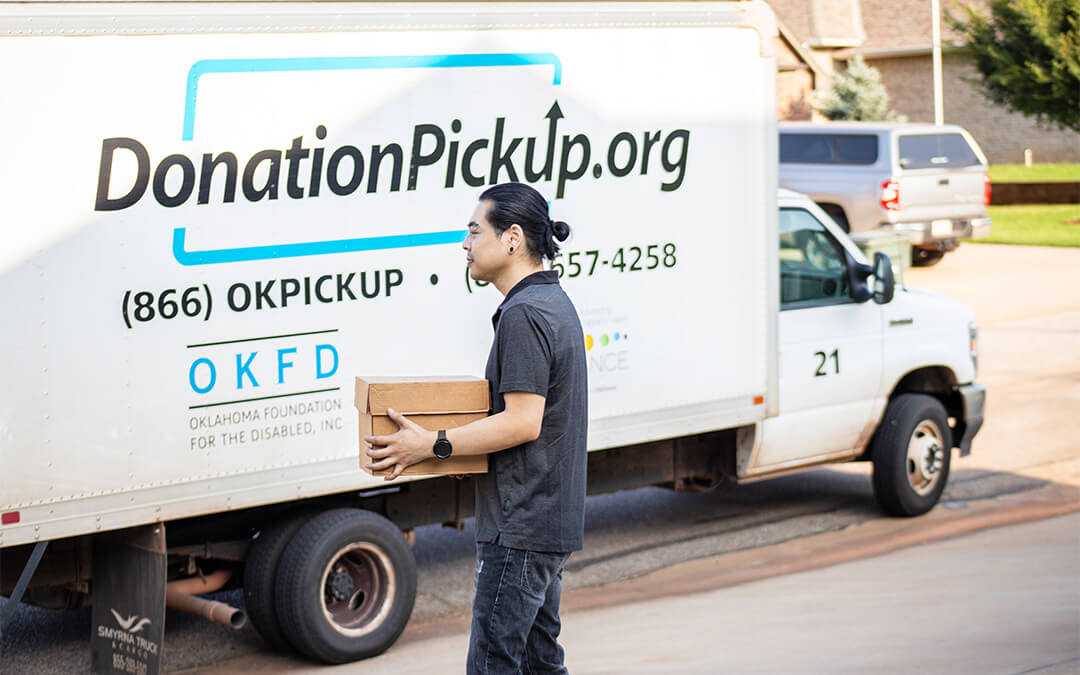
- Donating Goods: Clothing, furniture, electronics, and household items often hold significant resale value for charities. Rather than selling items yourself, donating them can save you time and effort while providing a tangible benefit to an organization. From a financial standpoint, the fair market value of these donated goods can often be itemized as a tax deduction, offering a direct financial incentive. Consider the cost of disposing of unwanted items versus the potential tax benefit and social good of donating them.
- Appreciated Securities: Donating appreciated stocks, mutual funds, or other securities held for more than a year can be one of the most tax-efficient ways to give. By donating shares directly to a charity, you can avoid capital gains tax that you would otherwise pay if you sold the shares and then donated the cash. The charity receives the full value of the shares, and you get a deduction for the fair market value of the securities. This strategy allows you to give more at a lower net cost to yourself.
- Donating Your Time and Skills: While not a direct financial transaction, volunteering your professional skills (e.g., pro bono legal work, financial consulting, marketing expertise) can save charities substantial operational costs. This indirect financial contribution allows the organization to allocate its limited monetary resources to core programs. For individuals, skill-based volunteering can also be a valuable networking opportunity and a way to develop new skills, indirectly enhancing one’s financial or career prospects.
Discovering Local Donation Opportunities: A Strategic Approach to Giving
The “near me” aspect of charitable giving emphasizes the impact you can have within your own community. Finding the right local organizations requires a strategic approach, ensuring your contributions are both accessible and effective.
Identifying Reputable Charities in Your Community
The sheer number of charitable organizations can be overwhelming. To ensure your financial contributions are handled responsibly and create genuine impact, due diligence is crucial.
- Online Search and Charity Navigators: Start with simple online searches like “charities near me,” “food banks [your city],” or “animal shelters [your city].” Beyond initial results, leverage independent charity evaluators such as Charity Navigator, GuideStar (now Candid), or CharityWatch. While these are predominantly for larger organizations, they often list local branches or affiliates and provide crucial insights into an organization’s financial health, transparency, and accountability. Look for their “financial health” and “accountability & transparency” scores.
- Local Community Foundations and United Way Chapters: These organizations specialize in understanding and addressing local needs. They often vet local non-profits and can direct you to reputable charities working on specific issues you care about, from supporting families in crisis to promoting local arts and culture. They act as local financial intermediaries, pooling funds and distributing them strategically.
- Word-of-Mouth and Local News: Ask trusted friends, family, or community leaders for recommendations. Local news outlets often highlight community initiatives and feature local charities, providing insights into their work and impact. Attending local charity events or open houses can also offer a firsthand look at their operations and financial needs.
Diverse Donation Avenues: From Goods to Gratuity
Local giving isn’t confined to a single type of contribution. Your proximity allows for a variety of impactful donation methods.
- Clothing and Household Goods: Local thrift stores (e.g., Goodwill, Salvation Army, local independent charities) are excellent places to donate gently used clothing, furniture, and household items. These organizations often use sales from donated goods to fund their programs (e.g., job training, addiction recovery) or provide items directly to those in need. Always check their specific donation guidelines regarding item condition and what they accept. From a financial perspective, this clears clutter from your home, potentially saving storage costs, and provides a tax deduction for the fair market value of items.
- Food Banks and Shelters: Local food banks, pantries, and homeless shelters are in constant need of non-perishable food items, toiletries, and sometimes fresh produce. Many grocery stores have donation bins, or you can drop off directly. During colder months, shelters often seek blankets, coats, and warm clothing. Financially, donating food can often be more impactful than donating its cash equivalent because food banks can often purchase goods in bulk at lower prices. However, cash donations also provide flexibility for them to buy what is most needed.
- Specialized Local Organizations: Consider local animal shelters, libraries (for books and media), schools (for supplies), or specialized care centers. These often have specific needs that align with your available items or financial interests. For instance, donating old instruments to a school’s music program or art supplies to a community center directly enriches local educational and cultural initiatives.
- Volunteering Time (and skills): As discussed, volunteering is an invaluable donation. Many local organizations rely heavily on volunteers for everything from administrative tasks to direct service delivery. Your time, particularly if it involves a professional skill, represents a significant financial saving for the charity. For example, offering free bookkeeping services to a small local non-profit can free up their budget for core programs.

Maximizing Your Charitable Giving: Financial Wisdom and Impact
Effective philanthropy goes beyond the act of giving; it involves strategic financial planning to ensure your generosity yields the greatest possible benefit, both for the cause and for your personal financial situation.
Understanding Tax Benefits and Deductions
The U.S. tax code provides incentives for charitable giving, which can reduce your taxable income. However, understanding how these benefits apply to your specific situation is key.
- Itemizing vs. Standard Deduction: To claim a deduction for charitable contributions, you typically need to itemize deductions on your tax return. If your total itemized deductions (including state and local taxes, mortgage interest, medical expenses, etc.) exceed the standard deduction for your filing status, then itemizing makes financial sense. For many, the increased standard deduction means they may not itemize, thus not directly receiving a tax benefit for smaller cash donations unless specific temporary rules are in place (like the CARES Act allowance for non-itemizers).
- Types of Deductible Contributions:
- Cash Contributions: Generally deductible up to 60% of your Adjusted Gross Income (AGI).
- Non-Cash Contributions: Deductible up to 50% of your AGI (for fair market value of items held for less than a year) or 30% of your AGI (for fair market value of items held for more than a year, like appreciated securities).
- Qualified Charitable Distributions (QCDs): If you are 70 ½ or older and have an IRA, you can make a direct transfer of up to $105,000 per year from your IRA to a qualified charity. This distribution counts towards your Required Minimum Distribution (RMD) but is not included in your gross income, making it a highly tax-efficient way to give, especially if you don’t itemize deductions.
- Record Keeping: Always keep meticulous records of your donations. For cash contributions, bank statements, canceled checks, or official receipts from the charity are essential. For non-cash donations, you’ll need a detailed list of items and their fair market value, along with a receipt from the organization. For donations over $500, you might need to file Form 8283.
Consult a tax professional to understand how charitable giving specifically impacts your tax situation and to explore strategies like donor-advised funds (DAFs) for more complex giving.
Budgeting for Benevolence: Integrating Giving into Your Financial Plan
To make giving a sustainable and significant part of your financial life, it needs to be intentional.
- Allocate a Percentage: Consider setting aside a fixed percentage of your income specifically for charitable donations. This could be 1%, 5%, or 10%, aligning with your financial capacity and philanthropic goals. Incorporate this percentage directly into your monthly or annual budget, treating it as a non-negotiable expense.
- Automate Giving: Set up recurring donations through your bank or the charity’s website. This ensures consistent support and removes the need for constant decision-making, integrating giving seamlessly into your financial rhythm.
- Year-End vs. Throughout the Year: While many think of giving at year-end for tax purposes, spreading your donations throughout the year can provide more consistent support to charities. Additionally, consider “lumpy” giving for larger, strategic donations at year-end, especially if leveraging appreciated assets or QCDs.
- Review and Adjust: Periodically review your charitable budget and donation recipients. As your financial situation changes or new causes emerge, adjust your giving plan accordingly. This proactive approach ensures your financial resources are always directed towards your most important causes.
Due Diligence: Ensuring Your Donations Make a Difference
Responsible financial giving means ensuring your money is used effectively.
- Research Financial Health and Impact: As mentioned, use charity evaluators to assess an organization’s financial efficiency (how much of your donation goes directly to programs versus administrative costs) and its reported impact. Look for clear, measurable outcomes. Does a food bank report how many meals it provides, or how many individuals it serves?
- Understand the Mission: Ensure the charity’s mission directly aligns with your philanthropic goals. A clear understanding of what they aim to achieve helps you decide if it’s the right fit for your financial contribution.
- Transparency and Accountability: Reputable charities are transparent about their operations and finances. Look for readily available annual reports, financial statements, and clear communication about how donations are used. Be wary of organizations that are vague about their activities or refuse to provide financial information.
The Broader Financial Impact of Giving
Beyond the immediate tax benefits and personal satisfaction, engaging in strategic charitable giving can have profound long-term financial and societal implications.
Cultivating a Culture of Generosity
Integrating giving into your financial plan fosters a mindset of abundance and responsibility. It can influence your overall financial habits, encouraging thoughtful allocation of resources and a focus on long-term value over short-term consumption. For families, teaching children about giving through a financial lens helps instill valuable lessons about budgeting, community responsibility, and the power of shared resources. This contributes to a broader societal culture where financial well-being is connected not just to accumulation, but also to distribution for the common good.
Long-Term Financial Planning and Legacy Giving
For many, charitable giving evolves from annual donations to a part of their legacy. Integrating philanthropy into estate planning allows you to make significant, lasting contributions that reflect your life’s values.
- Bequests in Wills: Designating a charity as a beneficiary in your will is a common way to leave a legacy.
- Charitable Remainder Trusts (CRTs) and Charitable Lead Trusts (CLTs): These complex financial instruments allow you to donate assets while potentially receiving an income stream (CRT) or providing income to a charity for a period before assets revert to heirs (CLT). These are advanced strategies best explored with a financial planner and estate attorney.
- Beneficiary Designations: Naming a charity as a beneficiary on retirement accounts (IRAs, 401ks) or life insurance policies can be a tax-efficient way to give, as these assets can be highly taxed if left to individual heirs.
By proactively incorporating charitable giving into your financial life, you move beyond the simple question of “where can I donate near me” to a powerful strategy of intentional giving, optimizing your financial resources for personal fulfillment and significant societal impact. This financial wisdom not only benefits the causes you care about but also strengthens your own financial foundation, fostering a sense of purpose and contributing to a richer, more equitable world.
aViewFromTheCave is a participant in the Amazon Services LLC Associates Program, an affiliate advertising program designed to provide a means for sites to earn advertising fees by advertising and linking to Amazon.com. Amazon, the Amazon logo, AmazonSupply, and the AmazonSupply logo are trademarks of Amazon.com, Inc. or its affiliates. As an Amazon Associate we earn affiliate commissions from qualifying purchases.