
In the complex ecosystem of modern finance, few pieces of information are as fundamental and ubiquitous as your bank account number. It is more than just a sequence of digits; it is the unique identifier that anchors your financial existence, enabling a myriad of transactions that underpin daily life and economic activity. For many, its exact structure and full significance remain somewhat opaque, yet understanding this crucial identifier is paramount for personal financial management, security, and seamless interaction with the broader financial world. This article delves into the essence of what your bank account number truly represents, its various components, its indispensable roles, and the critical measures required to safeguard it within the domain of personal and business finance.
The Anatomy of Your Bank Account Number
To truly appreciate the power and purpose of your bank account number, it’s essential to dissect its structure and understand the various numerical identifiers that often accompany it. While the primary account number is unique to your specific deposit account, other numbers work in conjunction to ensure funds are routed correctly and securely, whether domestically or internationally.
Decoding the Primary Account Number: Your Unique Financial Fingerprint
At its heart, your primary bank account number is a unique string of digits assigned by your financial institution to a specific checking, savings, or other deposit account. This number typically ranges from 8 to 12 digits, though it can vary by bank and country. Its primary function is to distinguish your account from millions of others within the bank’s system. Think of it as the specific address for your money within the bank. When you deposit a check, withdraw cash, or set up a direct debit, this number ensures the transaction is credited to or debited from the correct financial holding. Without this precise identification, the intricate web of daily financial transactions would unravel, leading to chaos and misallocation of funds. It’s the direct link to your personal ledger within the bank, recording every inflow and outflow.
Understanding Routing Numbers (ABA/BSB): Directing Funds to the Right Bank
Beyond your individual account number, a crucial component for domestic transactions, particularly in the United States, is the routing number. Officially known as the ABA (American Bankers Association) routing transit number (RTN), this nine-digit code identifies the specific financial institution and its branch that holds your account. When you initiate a transfer, write a check, or set up direct deposit, the routing number acts as a postal code for the bank, directing funds to the correct financial institution first, before your account number then specifies the exact account within that institution. In Australia, a similar system known as the BSB (Bank-State-Branch) number serves this purpose. These numbers are vital for interbank transfers, ensuring that electronic funds transfers (EFTs), checks, and automated clearing house (ACH) transactions reach their intended destination bank before being sorted into individual accounts. They represent the first layer of identification in the payment process, a critical step in the journey of your money.
International Identifiers: SWIFT/BIC and IBAN for Global Transactions
In an increasingly interconnected global economy, financial transactions often cross national borders. For these international transfers, additional identifiers come into play: SWIFT/BIC and IBAN.
The SWIFT (Society for Worldwide Interbank Financial Telecommunication) code, also known as a BIC (Bank Identifier Code), is an international standard that identifies banks and financial institutions worldwide. It typically consists of 8 or 11 characters (letters and numbers) and acts as an international routing code, ensuring that messages and funds are sent to the correct bank abroad. When you send or receive money from another country, providing the recipient’s SWIFT/BIC code along with their account number is usually mandatory to facilitate the transfer through correspondent banking networks.
The IBAN (International Bank Account Number), on the other hand, is an internationally agreed-upon system of identifying bank accounts across national borders, primarily used in Europe, but adopted by many countries worldwide. An IBAN consists of a country code, two check digits, and a bank account number of up to 30 alphanumeric characters. Its purpose is to reduce the risk of transcription errors and streamline international payments. By standardizing account numbers, IBANs make cross-border transactions faster and more accurate, providing a globally recognized format for account details that includes the bank and the specific account within that bank. For anyone engaging in international business or personal transfers, understanding and utilizing these international identifiers is key to avoiding delays and ensuring successful financial operations.
Why Your Account Number is Indispensable
Your bank account number, in conjunction with its routing counterpart and international identifiers, is the lynchpin of almost all modern financial activity. Its indispensability extends from the mundane tasks of daily living to complex investment strategies, truly embodying the core of your financial identity.
Facilitating Everyday Transactions: Deposits, Withdrawals, and Bill Payments
At the most basic level, your account number is the gateway for managing your day-to-day money. Every time you deposit cash or a check, the teller or ATM system uses your account number to ensure the funds are added to your specific balance. Similarly, when you make a withdrawal, whether via an ATM, a debit card purchase, or a branch visit, your account number is referenced to debit the correct amount from your funds. Beyond these direct interactions, your account number is vital for recurring financial commitments. Setting up automatic bill payments for utilities, rent, or loan repayments relies heavily on providing your account number to the service provider, allowing them to initiate direct debits from your account on scheduled dates. This automation simplifies financial management, reduces the risk of missed payments, and ensures a consistent cash flow for both individuals and businesses, all thanks to the unique identifier that is your bank account number.
Enabling Direct Deposits and Transfers: Payroll, Peer-to-Peer, and Investments
The modern economy thrives on efficiency, and direct deposits are a prime example of this. Your employer uses your account number (and routing number) to directly deposit your salary or wages into your account, bypassing physical checks and accelerating access to your earnings. Similarly, government benefits, tax refunds, and dividend payments from investments are often delivered via direct deposit, offering unparalleled convenience and security. Peer-to-peer (P2P) payment services, while often masking the underlying account details from the end-user, still operate on the premise of linking to your bank account number to facilitate instant transfers between individuals. Furthermore, moving money between your own accounts – perhaps from a checking to a savings account for a financial goal, or transferring funds to an investment brokerage account – invariably requires referencing these numbers to execute the transfer accurately. This seamless movement of funds is critical for effective personal finance planning and asset management.

The Backbone of Financial Planning: Budgeting, Savings, and Investments
Beyond immediate transactions, your bank account number forms the bedrock upon which effective financial planning is built. For budgeting, every transaction recorded against your account number contributes to a comprehensive overview of your income and expenditure, enabling you to track spending patterns and allocate funds wisely. When saving for a down payment, retirement, or an emergency fund, your dedicated savings account, identified by its unique number, becomes the reservoir for your financial goals. Moreover, connecting external financial tools and applications – such as budgeting apps, investment platforms, or financial aggregators – often requires linking them to your bank accounts using these numbers. This connectivity provides a holistic view of your financial health, allowing for informed decision-making regarding investments, debt management, and future planning. In essence, your account number is not just a transactional tool; it is a fundamental element for constructing and maintaining a robust financial future.
Safeguarding Your Financial Gateway: Security Best Practices
Given its pivotal role, protecting your bank account number is synonymous with protecting your entire financial well-being. While it’s a necessary piece of information to share for legitimate transactions, understanding when and how to share it, alongside recognizing potential threats, is crucial for maintaining financial security.
When and How to Share Your Account Number Safely: Legitimate Uses
It’s a common misconception that your bank account number must be kept completely secret at all times. In reality, there are many legitimate instances where you will need to provide it. For example, setting up direct deposit with your employer, authorizing automatic bill payments, or initiating a wire transfer to a trusted recipient all require this information. The key is to share it responsibly and securely. When sharing, always ensure you are dealing with a legitimate entity or individual. Use secure channels for communication; for instance, never email your full account details unless explicitly requested by a trusted financial institution through a secure portal. When providing it over the phone, confirm the identity of the caller if they initiated the call, perhaps by calling back on a verified number. For online forms, look for “https://” in the URL and a padlock icon, indicating a secure connection. Understand that merely possessing your account number, without other identifying information or authorization, is generally not enough for someone to drain your account. However, combining it with other personal data can increase vulnerability.
Recognizing and Avoiding Scams: Phishing, Social Engineering, and Impersonation
The digital age has unfortunately brought with it a proliferation of sophisticated financial scams designed to trick individuals into divulging their sensitive information. Phishing emails, which often mimic legitimate bank communications, might ask you to “verify” your account details by clicking a malicious link. Social engineering tactics involve fraudsters manipulating individuals into providing information through deceptive psychological tricks, often by creating a sense of urgency or fear. Impersonation scams see criminals pretending to be bank representatives, government agencies, or even trusted family members, requesting your bank account number under false pretenses. Always be suspicious of unsolicited requests for your bank account number, especially if they come with threats or overly attractive offers. Your bank will almost never ask for your full account number via email or text message. Learn to identify red flags: poor grammar, generic greetings, suspicious links, and urgent demands for information. When in doubt, always contact your bank directly using official contact information, not numbers or links provided in suspicious communications.
Digital Security Measures for Your Financial Accounts: Encryption and MFA
Beyond being careful with who you share your number with, implementing robust digital security measures is paramount. Most modern financial institutions employ strong encryption protocols to protect your data when you access your accounts online or through mobile apps. However, your personal habits also play a critical role. Always use strong, unique passwords for your online banking accounts and consider using a password manager. Crucially, enable multi-factor authentication (MFA) or two-factor authentication (2FA) wherever possible. This adds an extra layer of security, typically requiring a code sent to your phone or generated by an authenticator app, in addition to your password, to access your account. This significantly reduces the risk of unauthorized access even if your password is compromised. Regularly monitor your bank statements and transaction history for any suspicious activity. Setting up alerts for large transactions or withdrawals can also provide an early warning system. By combining vigilance with technological safeguards, you can create a formidable defense for your financial identity.
Locating Your Bank Account Number with Ease
While we rarely need to recall our bank account number from memory, knowing where to quickly and reliably locate it is a valuable skill. Fortunately, financial institutions provide multiple accessible avenues to retrieve this essential piece of information.
Traditional Methods: Checks and Bank Statements
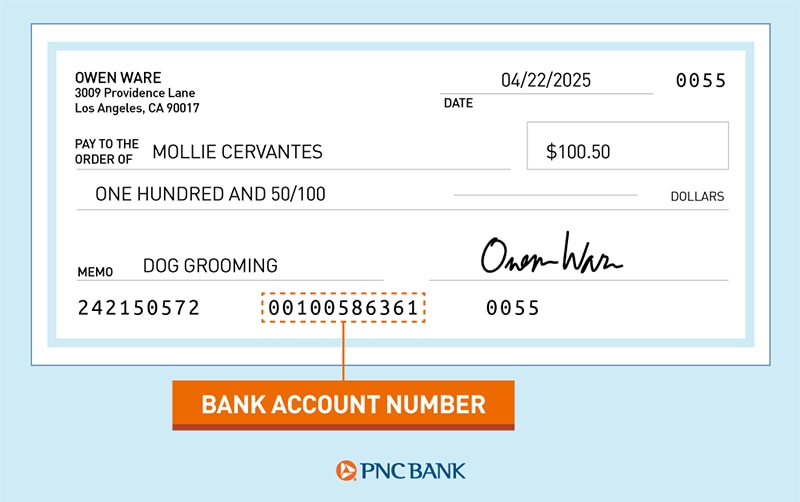
For those who still use them, your physical checks are one of the most straightforward places to find your account and routing numbers. On the bottom of a personal check, you’ll typically see three sets of numbers. From left to right, these are usually the routing number, your account number, and the check number. This arrangement makes it incredibly convenient to access these details whenever you need to write a check or provide your information for direct deposit. Similarly, your monthly or quarterly bank statements are another reliable source. Whether received by mail or accessed as a PDF online, your bank statements clearly list your account number, and often your bank’s routing number, usually near the top of the statement along with your personal details. These physical or digital documents serve as official records and contain all the necessary identifiers for your accounts, making them excellent reference points.
Digital Access: Online Banking and Mobile Apps
In today’s digital age, the quickest and most common way to find your bank account number is through your bank’s online banking portal or mobile application. After securely logging in, navigating to the account details section for a specific checking or savings account will almost always display your full account number and the associated routing number. Many banks also offer a feature to easily copy these numbers or even generate a pre-filled direct deposit form. Mobile apps provide the same convenience, often with an even more streamlined interface. This digital accessibility means you can retrieve your account number anytime, anywhere, provided you have internet access and your login credentials. This method is generally considered secure, as these platforms are designed with robust encryption and authentication measures to protect your financial information.

Direct Contact: Calling Your Bank
Should you be unable to locate your account number through traditional or digital means, or if you prefer a more direct approach, contacting your bank’s customer service department is always an option. A customer service representative will be able to provide you with your account number after verifying your identity through a series of security questions. Be prepared to answer questions about your personal information, recent transactions, or other details known only to you and the bank. This method is particularly useful if you’ve lost your checks, can’t access online banking, or simply need an extra layer of reassurance. While it might take a few minutes, speaking directly with a bank representative ensures you receive accurate information from a trusted source, reinforcing the security and reliability of your financial dealings.
In conclusion, your bank account number is far more than a simple string of digits; it is the unique identifier that underpins virtually every aspect of your personal and business finance. From facilitating everyday transactions and enabling crucial direct deposits to forming the backbone of your financial planning, its role is indispensable. Understanding its anatomy, appreciating its importance, and diligently safeguarding it through best practices are not merely good habits, but essential components of responsible financial management in the modern world. By mastering these facets, you empower yourself to navigate the financial landscape with confidence and security.
aViewFromTheCave is a participant in the Amazon Services LLC Associates Program, an affiliate advertising program designed to provide a means for sites to earn advertising fees by advertising and linking to Amazon.com. Amazon, the Amazon logo, AmazonSupply, and the AmazonSupply logo are trademarks of Amazon.com, Inc. or its affiliates. As an Amazon Associate we earn affiliate commissions from qualifying purchases.