
In an increasingly digital world, the need for physical cash might seem to dwindle, yet it remains an indispensable part of daily life for many transactions, emergencies, and personal preferences. Understanding the various methods to withdraw money from your bank account is a fundamental aspect of personal financial management. This guide delves into the diverse avenues available, offering insights into their advantages, security considerations, and best practices to ensure your financial transactions are always smooth, secure, and efficient.
Accessing your own funds should be straightforward, but with the evolution of banking technology, the options have diversified significantly beyond just visiting a teller. From automated machines to digital solutions, knowing your choices empowers you to manage your cash flow effectively, avoid unnecessary fees, and protect your financial assets. Let’s explore the essential mechanisms for withdrawing money, ensuring you’re well-equipped for any scenario requiring ready cash.
Understanding Traditional Bank Withdrawal Methods
Despite the rise of digital banking, traditional methods for withdrawing cash remain prevalent and often preferred for their reliability and directness. These methods are foundational to banking and offer varying degrees of convenience and security depending on the situation.
ATM Withdrawals: Convenience and Considerations
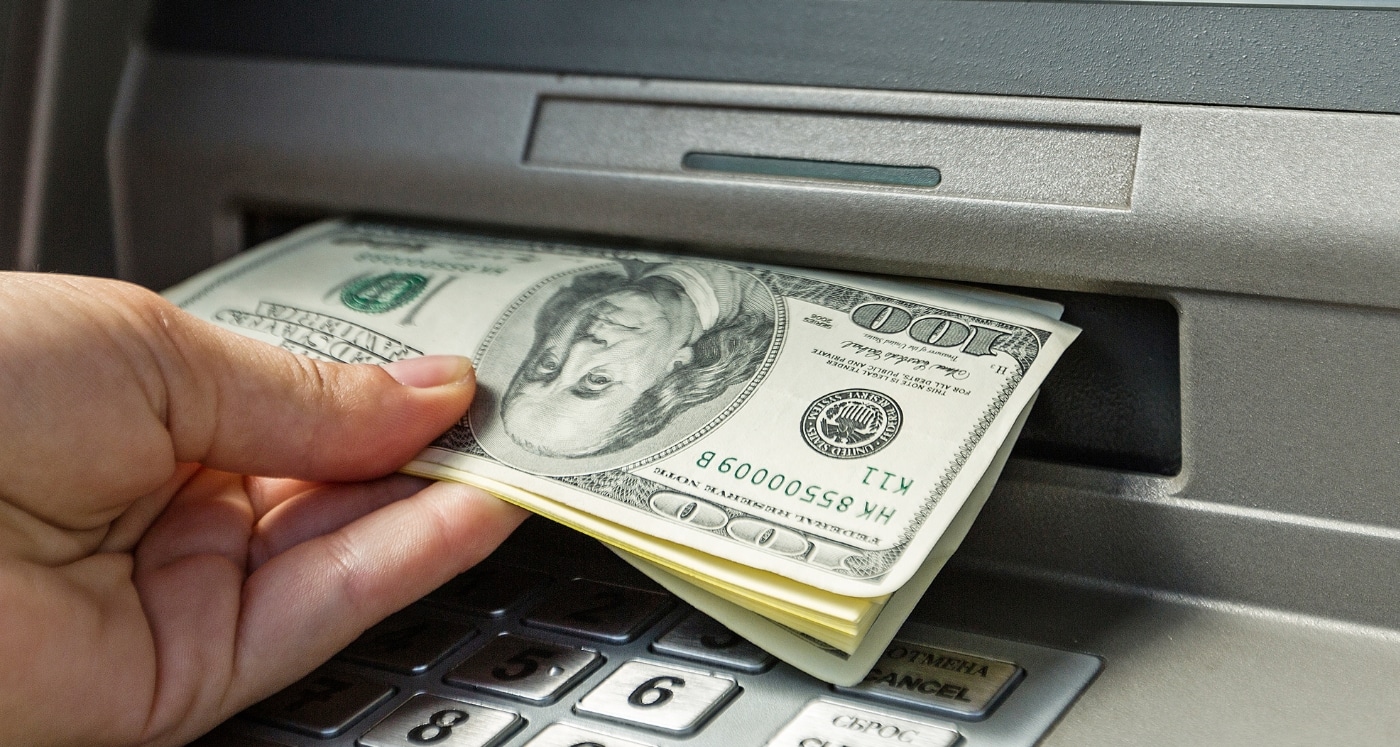
Automated Teller Machines (ATMs) are arguably the most ubiquitous method for quick cash access. Available 24/7 in countless locations—banks, supermarkets, airports, and convenience stores—ATMs offer unparalleled convenience. To withdraw money, you typically need your debit card and your Personal Identification Number (PIN).
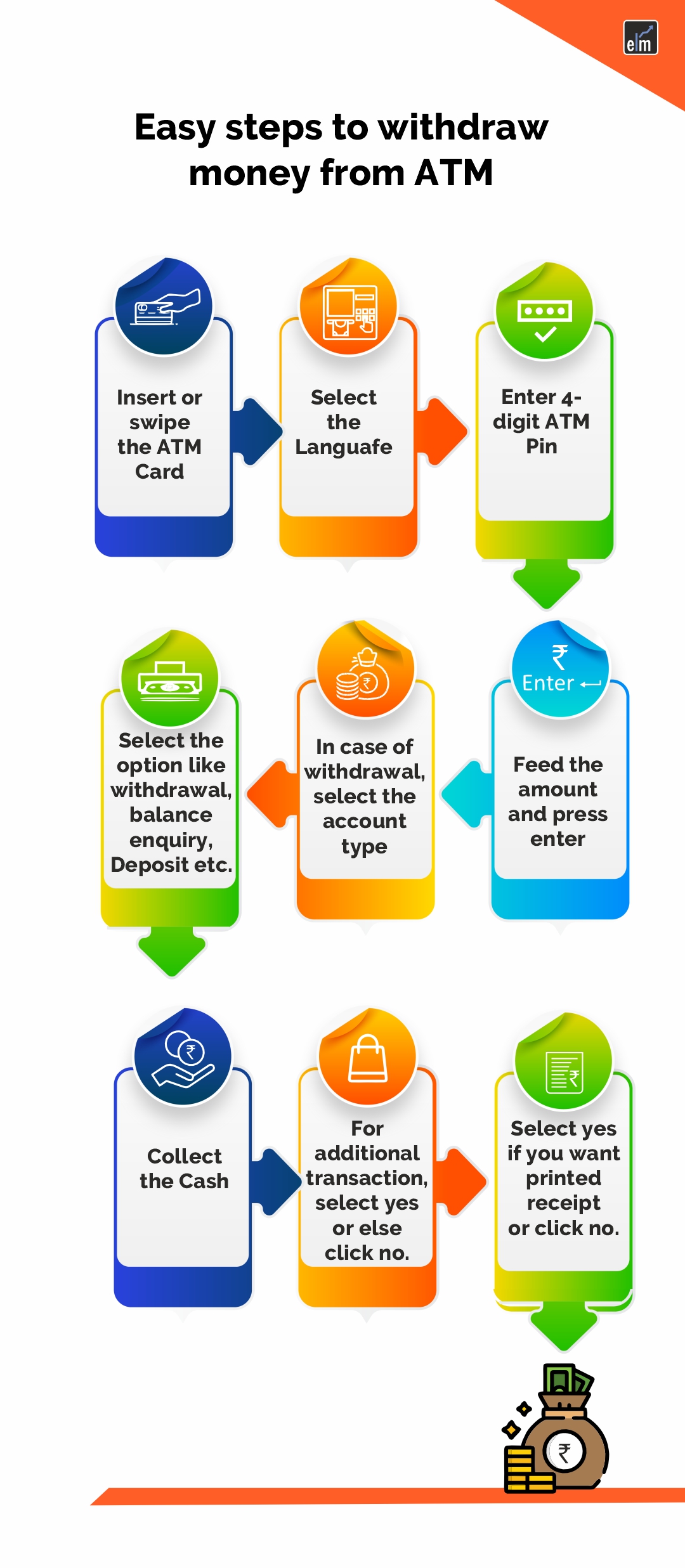
The process is generally simple: insert your card, enter your PIN, select “withdrawal,” choose the amount, and collect your cash and receipt. However, several considerations are vital. Firstly, be mindful of transaction limits, which are often set by your bank per day. Secondly, while using your bank’s own ATM is usually free, using an ATM outside your bank’s network can incur fees from both the ATM owner and your bank. These fees can quickly accumulate, making it crucial to plan your withdrawals.
Security is paramount when using an ATM. Always be aware of your surroundings, cover the keypad when entering your PIN, and ensure no suspicious devices are attached to the card reader or keypad. If an ATM appears tampered with or unusual, it’s best to find another one or visit a branch.
Teller-Assisted Withdrawals: Personalized Service
For larger sums, specific requests, or when you prefer human interaction, visiting a bank teller remains a dependable option. Teller-assisted withdrawals offer a personalized service that ATMs cannot replicate. You’ll need your debit card or account number, and often a valid form of photo identification (e.g., driver’s license, passport) to verify your identity, especially for significant amounts.
The advantages of teller withdrawals include the ability to withdraw larger amounts than typical ATM limits, receive cash in specific denominations, or handle complex transactions like withdrawing from a specific savings account not directly linked to your debit card. Tellers can also provide advice on your account balance, transaction history, and other banking services.
The primary drawback is limited accessibility—bank branches operate during specific hours—and potentially longer wait times, particularly during peak periods. However, for peace of mind regarding large transactions or when security concerns warrant face-to-face service, the teller remains an invaluable resource.
Cash Back at Point-of-Sale: An Unconventional Option
Many grocery stores, pharmacies, and retail outlets offer “cash back” when you make a purchase using your debit card. This method allows you to receive a small amount of cash along with your purchase, effectively acting as a mini-withdrawal without an ATM. It’s an excellent option for obtaining a small amount of cash, typically up to $50 or $100, without incurring ATM fees.
To use this option, simply inform the cashier you’d like cash back before swiping your card or entering your PIN. The amount will be added to your purchase total and deducted from your checking account. While convenient and often free, it’s not suitable for large withdrawals and is dependent on the retailer offering the service and having sufficient cash on hand. Always check your receipt to ensure the correct amount was processed.
Navigating Digital and Cardless Withdrawal Options
As technology advances, so do the methods of accessing your money. Digital and cardless options provide increased flexibility and often enhanced security features, aligning with the modern consumer’s reliance on smartphones and digital platforms.
Mobile Banking and Cardless ATM Access
Many banks have embraced mobile technology, allowing customers to initiate withdrawals directly from their smartphone apps. This “cardless ATM” functionality requires you to use your bank’s mobile app to generate a one-time code or scan a QR code at a compatible ATM. Once verified, the ATM dispenses the cash.
This method enhances security by eliminating the need to physically insert your card, reducing the risk of card skimming or loss. It also offers convenience if you’ve forgotten your wallet but have your phone. Not all ATMs are cardless-compatible, so it’s essential to check for the specific bank’s logo or instructions on the ATM screen. The daily limits for cardless withdrawals are typically similar to standard ATM withdrawals.
Digital Wallets and Peer-to-Peer Transfers (Indirect Withdrawal)
While not direct cash withdrawal methods, digital wallets (like Apple Pay, Google Pay, Samsung Pay) and peer-to-peer (P2P) payment apps (like Venmo, Zelle, PayPal) indirectly facilitate access to cash by enabling you to spend funds digitally or transfer them to others who can then withdraw.
For instance, money received via a P2P app can be transferred to your linked bank account, which you can then withdraw using traditional methods. Some digital wallets, particularly those with associated debit cards, allow direct ATM withdrawals. These platforms are revolutionizing how money moves, reducing the immediate need for physical cash in many transactions, and offering alternative routes to “cash out” your digital funds. While not a primary withdrawal method, they represent a significant shift in financial access and liquidity.
Essential Considerations for Safe and Efficient Withdrawals
Regardless of the method chosen, certain universal principles apply to ensure your money withdrawal experience is safe, efficient, and aligns with sound financial practices. Being proactive and informed can prevent common pitfalls and protect your assets.
Security Best Practices and Fraud Prevention
The cornerstone of all financial transactions is security. When withdrawing money, always be vigilant.
- Protect Your PIN: Never share your PIN with anyone. Memorize it and avoid writing it down. When entering it at an ATM or point-of-sale, cover the keypad with your other hand to prevent “shoulder surfing.”
- Inspect ATMs: Before using an ATM, quickly check for any unusual attachments on the card reader, keypad, or camera. If anything looks suspicious, do not use the machine and report it to the bank.
- Beware of Skimmers: Card skimmers are illicit devices placed over legitimate card readers to steal card information. Look for anything loose, poorly fitted, or that doesn’t match the ATM’s overall design.
- Secure Your Surroundings: Be aware of who is around you, especially at ATMs in isolated locations or late at night. If you feel unsafe, leave and find another ATM.
- Keep Receipts: Always take your transaction receipt and cross-reference it with your bank statements to catch any discrepancies or unauthorized transactions quickly.
- Strong Passwords for Mobile Banking: If using mobile or cardless options, ensure your mobile banking app is protected by a strong, unique password and, if available, multi-factor authentication (MFA).
Understanding Transaction Limits and Fees
Banks impose limits on daily ATM withdrawals and sometimes on teller withdrawals, particularly for new accounts or accounts with low activity. These limits are primarily for your security, mitigating potential losses in case of fraud. It’s crucial to know your bank’s specific limits to avoid inconvenience when you need a certain amount of cash. If you anticipate needing to withdraw a sum exceeding your daily limit, contact your bank in advance to make arrangements.
Fees are another critical aspect. As mentioned, out-of-network ATM fees can be costly. Some banks also charge fees for excessive withdrawals within a month, though this is less common for standard checking accounts. Always review your bank’s fee schedule or speak with a representative to fully understand potential costs associated with different withdrawal methods. Strategizing your withdrawals, such as making fewer, larger withdrawals from your bank’s own ATMs, can save you money over time.
Required Documentation and Identification
While an ATM only requires your card and PIN, certain situations, especially at a bank branch, necessitate additional documentation. For teller-assisted withdrawals, particularly large sums or if your identity needs to be confirmed, you will typically need a government-issued photo ID (driver’s license, state ID, passport). This is a vital security measure to prevent unauthorized access to your funds. Ensure your identification is current and readily available when visiting a branch. For specific situations, such as closing an account or withdrawing from a trust, additional legal documents may be required. A quick call to your bank beforehand can clarify any specific documentation needs.
Planning Your Cash Needs: Best Practices for Financial Management
Effective money management goes beyond simply knowing how to withdraw cash; it involves strategic planning to ensure you have the right amount of cash when you need it, without over-withdrawing or incurring unnecessary costs.
Budgeting for Cash Expenditures
In a world increasingly dominated by digital payments, it’s easy to overlook the physical cash component of your budget. Identify which of your regular expenses are typically cash-based—things like small purchases from local vendors, tips, or specific hobbies. Allocate a specific amount in your budget for these cash expenditures. This helps prevent frequent, small withdrawals that can lead to accumulated fees if using out-of-network ATMs. Planning ensures you only withdraw what’s necessary, reducing your risk exposure and simplifying reconciliation.
Emergency Cash Reserves
While digital funds are easily accessible, a small emergency cash reserve at home can be invaluable during power outages, internet disruptions, or if your bank’s systems are temporarily down. Consider keeping a modest amount of cash securely stored for such unforeseen circumstances. This isn’t about hoarding large sums, but rather having enough to cover immediate necessities for a day or two if digital payments or ATM access become temporarily unavailable. Integrate this into your broader emergency fund strategy, ensuring it’s part of your overall financial resilience plan.

The Future of Cash: Digital Transformation
The landscape of money withdrawal is continuously evolving. With the rise of digital currencies, blockchain technology, and even more sophisticated mobile banking solutions, the methods for accessing and spending money are likely to become even more diverse. While physical cash will undoubtedly remain relevant, staying informed about new financial tools and banking innovations is crucial. Embrace new technologies that enhance convenience and security, but always prioritize understanding their implications for your personal finance and maintaining robust security practices.
In conclusion, withdrawing money from your bank account is a routine financial activity, but one that benefits from careful consideration and awareness. By understanding the various methods—from traditional ATMs and tellers to modern cardless options—and adhering to security best practices, you can manage your cash effectively, safely, and efficiently, supporting your overall financial well-being.
aViewFromTheCave is a participant in the Amazon Services LLC Associates Program, an affiliate advertising program designed to provide a means for sites to earn advertising fees by advertising and linking to Amazon.com. Amazon, the Amazon logo, AmazonSupply, and the AmazonSupply logo are trademarks of Amazon.com, Inc. or its affiliates. As an Amazon Associate we earn affiliate commissions from qualifying purchases.