
In the ever-evolving landscape of personal finance, managing your banking relationships strategically is paramount. Whether you’re consolidating accounts, seeking better services elsewhere, or simply streamlining your financial life, knowing how to properly close a bank account is a crucial skill. This guide will walk you through the process of closing a Bank of America checking account, offering professional insights and practical steps to ensure a smooth transition. For many, Bank of America (BoA) has been a long-standing financial partner, but circumstances often dictate a change. Understanding the correct protocol not only prevents potential fees and complications but also safeguards your financial health and credit profile. This isn’t merely a transactional act; it’s a strategic move in your personal finance journey, requiring careful planning and execution.

The Strategic Decision to Close a Bank Account
Deciding to close a checking account isn’t typically made on a whim. It often stems from a thoughtful evaluation of one’s financial needs, current banking services, and future aspirations. Approaching this decision strategically involves understanding the common triggers and performing an initial assessment of your situation.
Common Reasons for Account Closure
Clients choose to close their Bank of America checking accounts for a variety of reasons, each carrying its own financial implications:
- Seeking Better Terms or Services: Competitor banks or credit unions might offer higher interest rates on checking accounts, lower fees, or more attractive digital banking features that better align with your current financial goals. This is a common driver in a competitive financial market.
- Relocation: Moving to a new city, state, or even country can necessitate opening an account with a financial institution that has a stronger local presence, making your current BoA account less convenient.
- Consolidation and Simplification: Many individuals find themselves with multiple checking accounts over time. Consolidating these into one or two primary accounts can simplify money management, reduce the risk of forgotten accounts, and potentially avoid dormant account fees.
- Dissatisfaction with Service or Fees: Escalating maintenance fees, unsatisfactory customer service, or a general feeling that the bank no longer meets your expectations can be significant motivators for seeking a new financial home.
- Life Events: Major life changes such as marriage, divorce, or the death of a primary account holder often require restructuring financial accounts to reflect new realities and responsibilities.
Initial Considerations Before You Act
Before initiating any closure process, a foundational step involves a thorough review of your account and its interconnected financial services. This proactive approach minimizes disruption and ensures a seamless transition.
- Review Account Activity: Go through your recent statements (at least the last 6-12 months) to identify all recurring direct deposits (paychecks, benefits) and automatic payments (utilities, subscriptions, loan payments). Create a comprehensive list, as these will all need to be rerouted. Missing even one can lead to late fees, service interruptions, or negative impacts on your credit score.
- Check for Minimum Balance Requirements and Fees: Some accounts may have specific minimum balance requirements to avoid fees, or there might be an account closure fee, particularly if the account is new (e.g., closed within 90-180 days of opening). Review your account agreement or contact BoA to confirm any applicable charges.
- Assess Linked Accounts: Consider if your checking account is linked to other BoA products, such as savings accounts, credit cards, investment accounts, or loans, for overdraft protection or automatic payments. Closing the checking account without addressing these linkages could lead to issues with those other products.
- Inform Joint Account Holders: If it’s a joint account, all account holders typically need to agree to and participate in the closure process. Ensure open communication with anyone else named on the account.
Essential Preparations for a Smooth Transition
The success of an account closure hinges significantly on meticulous preparation. This phase involves systematically disentangling your financial life from the account you intend to close and establishing new arrangements elsewhere. Rushing this stage is a common pitfall that can lead to headaches, missed payments, and unexpected charges.
Redirecting Direct Deposits and Automatic Payments
This is perhaps the most critical preparatory step, as it directly impacts your income and bill payments. Failure to properly redirect funds can lead to late fees, service disconnections, and damage to your financial reputation.
- Contact Employers/Benefit Providers: For direct deposits like paychecks, social security, or other benefits, contact your employer’s HR or payroll department, or the relevant government agency. Provide them with the new bank account details (bank name, routing number, account number) and the effective date for the change. Do this well in advance, as changes can take one or two pay cycles to process.
- Update Recurring Bill Payments: For automatic bill payments (utilities, mortgage/rent, insurance premiums, streaming services, gym memberships, etc.), access each service provider’s online portal or contact them directly. Update your payment method with your new bank account information. It’s wise to keep the old account open with a small balance for at least one billing cycle after making these changes, just in case a payment attempt is made on the old account before the new information takes effect.
- Automated Transfers: If you have any automated transfers set up within Bank of America (e.g., from checking to savings, or to pay a BoA credit card), ensure these are either canceled or re-established with your new banking arrangements if applicable.
Clearing Outstanding Transactions and Achieving a Zero Balance
Before you can formally close the account, it must have a zero balance, with no pending transactions that could later draw it into overdraft.
- Stop Using the Account: Immediately cease using the BoA checking account for new purchases, withdrawals, or deposits. This prevents new transactions from complicating the closure process.
- Allow Pending Transactions to Clear: Check your online banking or recent statements for any outstanding checks you’ve written, debit card transactions, or pending transfers. Wait until all these transactions have fully posted and cleared. This might take a few business days.
- Transfer Remaining Funds: Once all transactions have cleared and you’re certain no new ones will post, transfer any remaining balance to your new bank account. You can do this via an electronic transfer (ACH), wire transfer (though usually for larger sums and potential fees), or by withdrawing cash or obtaining a cashier’s check at a BoA branch. Be mindful of daily transfer limits if using online banking. Aim for a positive zero balance (no funds remaining, but also not negative).
Archiving Financial Records and Statements
Maintaining a comprehensive record of your financial history is a cornerstone of responsible money management, especially when closing an account.
- Download and Save Statements: Before closing, download and save at least the last 5-7 years of account statements, and any other relevant financial documents (e.g., account agreements, fee schedules). Digital copies are often sufficient, but you might also consider printing critical ones. These records are invaluable for tax purposes, disputing errors, or simply having a complete financial history.
- Review Historical Data: Take this opportunity to review your past spending and saving habits. This can provide insights into your financial behavior and help you better manage your new accounts.
Navigating Bank of America’s Closure Channels
Once you’ve completed all necessary preparations, you’re ready to initiate the actual closure process with Bank of America. BoA, like most major banks, offers several avenues for account closure, each with its own level of convenience and requirements. Choosing the right method depends on your specific situation and comfort level.
In-Person Closure: The Branch Visit
For many, visiting a local Bank of America branch offers the most secure and straightforward method, especially for complex situations or when a physical check is needed.
- Advantages: Direct interaction with a banking representative allows for immediate resolution of any questions or issues. You can receive a cashier’s check for the remaining balance on the spot (if applicable) and get instant confirmation of the closure. This is often preferred for joint accounts or if there are any lingering concerns.
- Requirements: Bring a valid government-issued photo ID (driver’s license, passport) and your account number or debit card. If it’s a joint account, all account holders might need to be present and provide ID, or provide written, notarized authorization.
- Process: Inform the teller or a personal banker of your intention to close the account. They will verify your identity, confirm the zero balance (or process the final transfer/withdrawal), and provide you with a closure confirmation. Ensure you get a written confirmation document for your records.
The Phone Method: A Direct Approach
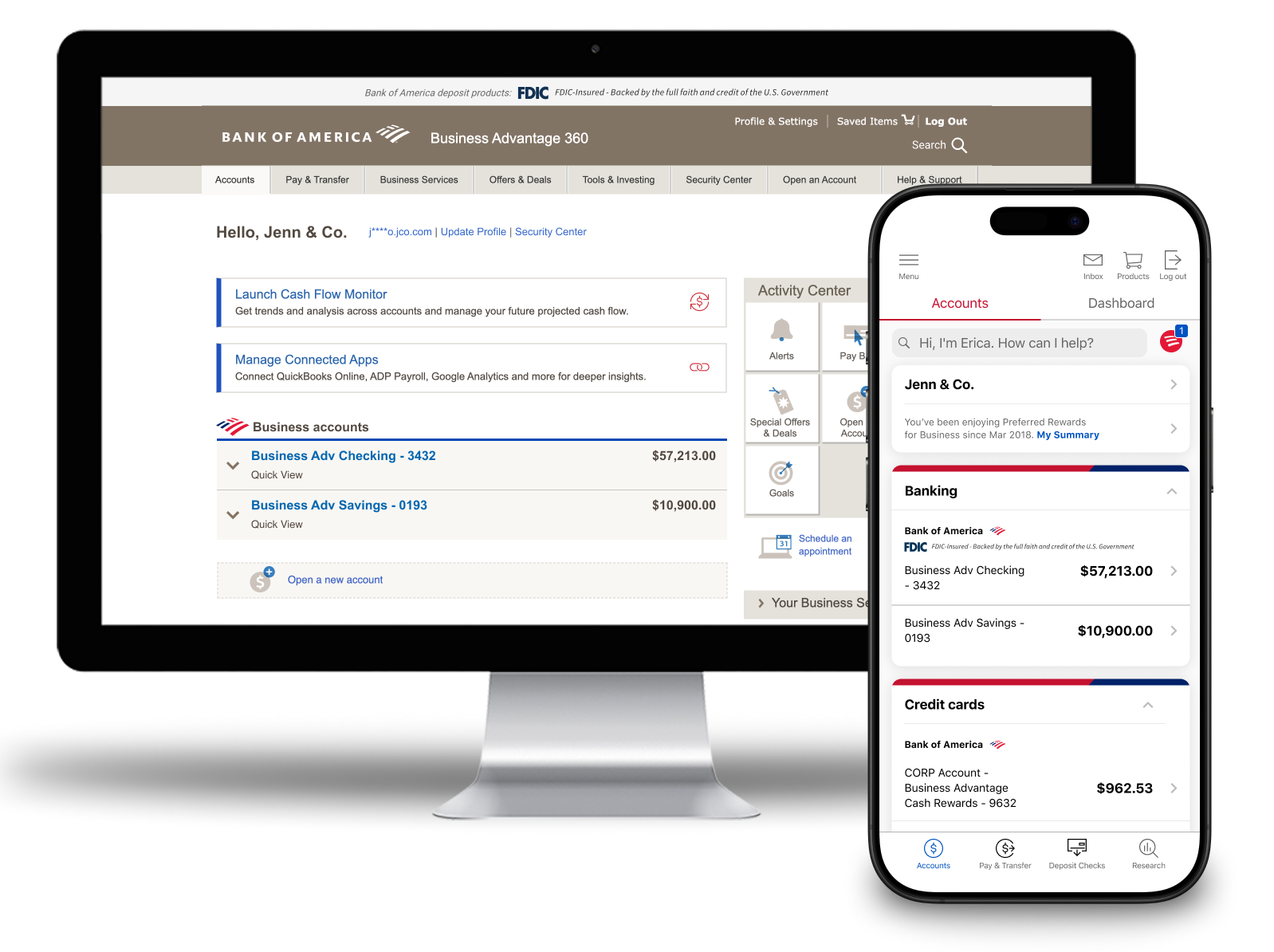
For those who prefer not to visit a branch, calling Bank of America’s customer service can be a convenient alternative, provided your situation is relatively simple.
- Advantages: Convenience from your home or office. It’s often quicker than an in-person visit if hold times are minimal.
- Requirements: You will need your account number and be prepared to answer security questions to verify your identity. If funds remain, you might need to provide routing and account numbers for an external transfer.
- Process: Call Bank of America customer service (the number is usually on your debit card or the bank’s website). Clearly state your intention to close the checking account. The representative will guide you through identity verification and the closure steps. Be sure to request a written confirmation of the account closure, which they should mail to you. Keep a record of the call date, time, and the representative’s name.
- Limitations: Some complex scenarios, such as certain types of joint accounts or accounts with significant outstanding issues, might still require an in-person visit.
Online and Mail Options: Convenience vs. Limitations
While online banking has become ubiquitous, closing an account online is often not directly supported by major banks due to security and verification requirements. Mail is a possibility but generally the slowest and least recommended.
- Online Banking (Generally Not Available for Closure): Most major banks, including Bank of America, do not typically allow full account closures directly through their online banking portal. This is primarily for security reasons and to ensure proper verification and handling of remaining funds. You might be able to initiate a request or send a secure message, but expect to follow up via phone or in-person.
- Closing by Mail: This is generally not recommended unless it’s your only option (e.g., you are abroad and cannot call).
- Process: Write a formal letter to Bank of America’s customer service address (check their website or statements for the correct address). Include your full name, account number, contact information, a clear statement requesting account closure, and your signature. If any funds remain, specify how you wish them to be disbursed (e.g., cashier’s check mailed to you or transfer to another account, providing full details). You might also need to include a notarized copy of your ID.
- Disadvantages: This method is slow, lacks immediate confirmation, and carries the risk of documents being lost. There’s no real-time interaction to resolve issues. It’s strongly advised to send such mail via certified mail with a return receipt requested.
What to Expect During and After Account Closure
The journey doesn’t end once you’ve initiated the closure request. Understanding the final steps and what happens afterward is crucial for peace of mind and ensuring a clean break from your old account.
Understanding Fees and Final Balance Settlement
Even with careful preparation, there can be financial nuances at the point of closure.
- Potential Closure Fees: As mentioned, some banks may impose a fee if an account is closed within a specific timeframe after opening (e.g., 90-180 days). Confirm this directly with BoA if your account is relatively new.
- Outstanding Charges: Be aware that even after you’ve processed the closure, a lingering automatic payment or a previously authorized transaction could attempt to post. If the account is closed with a zero balance, this could result in an overdraft (if the bank allows it) or a returned item fee. This highlights the importance of allowing ample time for all transactions to clear. It’s sometimes safer to leave a small buffer amount (e.g., $10-$20) until you get definitive confirmation of closure, and then transfer this minuscule remainder.
- Final Statement: Expect to receive a final account statement, typically reflecting the last few transactions and confirming the zero balance or the disbursement of remaining funds, followed by a status of “closed.”
Verifying Account Closure and Next Steps
Confirmation is key to ensuring the process is complete and avoiding future complications.
- Obtain Written Confirmation: Regardless of the method used to close the account, always request and retain written confirmation from Bank of America that the account has been officially closed. This serves as vital proof if any disputes arise later.
- Monitor Your New Account: For a few weeks after closure, diligently monitor your new bank account to ensure all direct deposits and automatic payments are correctly rerouted and posting as expected.
- Check Old Account (if online access persists): If your online access to the BoA account persists for a short period after closure, occasionally log in to verify that no unexpected activity occurs. Eventually, online access should be revoked.
Safeguarding Your Financial Identity Post-Closure
Closing an account is also an opportunity to reinforce your financial security.
- Shred Old Documents: Once you’ve downloaded and saved all necessary digital statements, securely shred any physical checks, debit cards, and paper statements associated with the closed BoA account. Do not simply throw them away.
- Update Password Managers: If you use a password manager, update entries related to the closed BoA account to reflect its inactive status, or remove them entirely once confirmed closed.
- Credit Report Monitoring: While closing a checking account doesn’t directly impact your credit score, it’s always prudent to periodically check your credit report for any unauthorized accounts or activities, especially after making significant changes to your banking relationships.
Expert Tips and Common Pitfalls to Avoid
Closing a bank account should be a straightforward process, but overlooking minor details can lead to unnecessary stress and financial penalties. Adopting a methodical approach and being aware of common pitfalls will ensure a smooth transition.
The Importance of a Gradual Transition
Abruptly closing an account is often the root cause of issues. A phased approach allows for adjustments and corrections.
- Run Accounts Concurrently: Ideally, keep both your old Bank of America account and your new bank account open simultaneously for at least one to two billing cycles. This overlap provides a safety net, allowing all direct deposits and automatic payments to fully transition to the new account without interruption. Once you’re certain everything has successfully migrated, then proceed with the BoA account closure.
- Maintain a Buffer: During this transition period, keep a small but sufficient buffer of funds in your Bank of America account (e.g., enough to cover one month’s worth of essential bills) to prevent any inadvertent overdrafts from late-posting payments.
Avoiding Overdrafts and Unexpected Charges
Overdrafts are not just an inconvenience; they can incur fees and, if frequent, potentially impact your banking history.
- Zero Balance, Not Negative: Ensure the account truly reaches a zero balance. A common mistake is to transfer all funds out, only to have a small, delayed transaction or fee post, leading to a negative balance and associated charges.
- Check for Dormancy Fees: If you decide to leave a small amount in the account during the transition and forget about it, be aware of Bank of America’s dormancy policies. Inactive accounts can incur fees or even be escheated to the state after a prolonged period of no activity.

Documenting the Closure Process
Thorough documentation is your best defense against future disputes or discrepancies.
- Keep a Log: Maintain a log of all interactions related to the account closure: dates and times of calls, names of representatives, confirmation numbers, and details of any transfers or final withdrawals.
- Retain Confirmation: As reiterated, always obtain and securely store written confirmation of account closure from Bank of America. This official document is your definitive proof that the account is no longer your responsibility.
- Understand Terms and Conditions: Before closing, re-read the terms and conditions related to account closure for your specific checking account type. This ensures you are fully aware of any bank-specific requirements or potential fees.
By following this comprehensive guide, you can navigate the process of closing your Bank of America checking account with confidence and ease, ensuring a seamless transition and maintaining excellent financial health. Remember, in personal finance, preparation and diligence are your most valuable assets.
aViewFromTheCave is a participant in the Amazon Services LLC Associates Program, an affiliate advertising program designed to provide a means for sites to earn advertising fees by advertising and linking to Amazon.com. Amazon, the Amazon logo, AmazonSupply, and the AmazonSupply logo are trademarks of Amazon.com, Inc. or its affiliates. As an Amazon Associate we earn affiliate commissions from qualifying purchases.