
Navigating the intricacies of personal finance often brings to light questions that, while seemingly straightforward, reveal a deeper layer of policy and strategic consideration. One such common query revolves around ATM withdrawal limits – specifically, “how much I can withdraw from a Bank of America ATM.” For many, an ATM represents immediate access to their funds, a cornerstone of financial liquidity. However, behind the convenience lies a carefully calibrated system designed to balance customer access with security, operational efficiency, and regulatory compliance.
Understanding these limits isn’t just about knowing a number; it’s about comprehending the factors that influence it, recognizing how different account types are treated, and learning the strategies available when your immediate cash needs exceed the standard parameters. This article will delve into the mechanisms behind Bank of America’s ATM withdrawal policies, providing a comprehensive guide for customers seeking clarity and control over their cash access. From standard daily limits to the nuances of account types and the options for temporary increases, we aim to equip you with the knowledge needed to manage your money effectively and confidently.
Understanding Bank of America’s ATM Withdrawal Policies
Bank of America, like most major financial institutions, establishes daily ATM withdrawal limits to protect both its customers and itself. These limits are not arbitrary; they are part of a broader risk management strategy, aiming to curb fraud, manage cash flow, and ensure the security of customer assets. While a default limit serves as a baseline, the actual amount you can withdraw can be surprisingly variable, influenced by a combination of factors unique to your banking relationship.
Default Daily Limits: A Starting Point
For most Bank of America checking accounts, the standard daily ATM cash withdrawal limit typically ranges from $700 to $1,000. This figure is a general guideline and represents the maximum amount you can withdraw in a 24-hour period using your debit card at an ATM, whether it’s a Bank of America machine or a third-party ATM. It’s important to distinguish this from your daily debit card purchase limit, which is almost always significantly higher, allowing for larger transactions at point-of-sale terminals without involving physical cash.
This default limit serves as a critical first line of defense against unauthorized access. If your debit card is compromised, the fraudulent activity is capped at this daily maximum, limiting potential losses before the card can be reported stolen or suspicious activity detected. It also helps the bank manage the cash supply in its ATMs, ensuring that funds are available for a broad range of customers throughout the day.
Factors Influencing Your Personal Limit
The “standard” limit isn’t a rigid ceiling for everyone. Several elements can either increase or decrease the amount you’re authorized to withdraw:
- Account Type and Tier: Customers with premium checking accounts, such as Preferred Rewards tiers (Gold, Platinum, Platinum Honors), or high-net-worth accounts, may be automatically granted higher daily ATM withdrawal limits. These accounts often come with enhanced benefits and services, reflecting a deeper relationship with the bank and a presumed higher financial need. Conversely, basic checking accounts or prepaid cards might have lower default limits.
- Relationship with Bank of America: The longevity of your relationship, your overall deposit balances, and your credit history with Bank of America can all play a subtle role. Long-standing customers with substantial assets across various accounts (checking, savings, investments, loans) might be viewed as lower risk, potentially leading to more flexibility in their banking services, including higher limits.
- Account History and Activity: While not an explicit policy point, consistent, responsible use of your account over time can build a profile that supports higher limits. Erratic or suspicious activity, on the other hand, could trigger additional scrutiny and potentially restrict access.
- Location of Withdrawal: While Bank of America tries to standardize limits, international ATMs might sometimes impose their own, lower limits, independent of your bank’s policy. Always be aware of potential third-party ATM restrictions when traveling abroad.
Why Banks Implement Withdrawal Limits
The rationale behind ATM withdrawal limits extends beyond merely preventing fraud. These limits are a multi-faceted tool for financial institutions:
- Security and Fraud Prevention: As mentioned, this is paramount. Capping withdrawals minimizes losses for both the customer and the bank in case of theft or unauthorized use. It provides a window for detection and intervention before significant damage occurs.
- Cash Management: Banks need to manage the physical cash within their ATM networks efficiently. Limits help distribute available cash more equitably among users and reduce the frequency and cost of refilling machines.
- Anti-Money Laundering (AML) Compliance: Regulators require banks to monitor transactions for signs of money laundering or terrorist financing. While daily ATM limits aren’t a sole solution, they contribute to the broader monitoring framework by segmenting cash flows. Large, regular cash withdrawals can trigger scrutiny, ensuring compliance with financial regulations.
- Encouraging Digital Transactions: By placing limits on physical cash, banks subtly encourage customers to use debit cards for purchases or leverage digital payment methods, which are often more secure and traceable, and reduce the operational costs associated with handling physical currency.
Navigating Specific Account Types and Their Limits
The type of account you hold with Bank of America significantly impacts your ATM withdrawal capabilities. It’s not a one-size-fits-all scenario, as each account is designed with different purposes and customer needs in mind. Understanding these distinctions is crucial for effective financial planning.
Checking Accounts: Standard Limits and Variations
For the vast majority of Bank of America customers, a checking account is their primary transactional hub. As discussed, the typical daily ATM withdrawal limit for standard checking accounts ranges from $700 to $1,000. However, this can vary:
- Standard Checking: This is where the $700-$1,000 range most commonly applies. It’s set to cover most daily cash needs while maintaining a security buffer.
- Preferred Rewards Checking: Bank of America’s Preferred Rewards program offers enhanced benefits based on combined balances across eligible Merrill and Bank of America accounts. Customers in higher tiers (e.g., Platinum Honors) often receive automatically higher daily ATM limits, sometimes up to $1,500 or even $2,000, as a perk of their elevated relationship.
- SafeBalance Banking®: This is a checkless checking account designed for budget management. While it generally has the same ATM withdrawal limits as standard checking, its emphasis on debit card use for purchases means physical cash transactions might be less frequent for its users.
Savings Accounts: Different Rules for Access
While checking accounts are built for frequent transactions, savings accounts are intended for accumulating funds, typically with fewer transactional capabilities. Bank of America savings accounts generally have the same daily ATM withdrawal limits as associated checking accounts, provided they are linked and you are using your debit card.
However, a critical distinction lies in the transaction limits mandated by Regulation D. Prior to its suspension, Regulation D limited certain types of withdrawals and transfers from savings and money market accounts to six per monthly statement cycle. While the limit on the number of transactions has been suspended by the Federal Reserve, banks still have the discretion to set their own limits or impose fees for excessive transactions. While ATM withdrawals might not always fall under these traditional “Regulation D” limits, it’s a good reminder that savings accounts are not designed for high-frequency cash access. If you need frequent cash, your checking account is the appropriate vehicle.
Business Accounts: Higher Needs, Different Structures
Businesses often have greater cash flow requirements than individuals. Recognizing this, Bank of America typically offers higher daily ATM withdrawal limits for its business checking accounts. These limits can vary significantly based on the type of business account, the business’s average daily balance, and its overall banking relationship with Bank of America. It’s not uncommon for business accounts to have daily limits ranging from $1,500 to $5,000 or even higher, reflecting the operational necessity for more substantial cash on hand for payroll, petty cash, or other expenses. Businesses should consult directly with Bank of America or review their specific account terms to understand their exact limits.
Credit Card Cash Advances: A Separate (and Costly) Category
It’s crucial to differentiate ATM withdrawals from a debit card (linked to your checking or savings account) from a cash advance taken from a credit card. While a credit card can be used at an ATM, the transaction is fundamentally different and carries significant costs:
- Fees: Cash advances typically incur an immediate cash advance fee, often a percentage of the amount withdrawn (e.g., 3-5%) with a minimum charge.
- Interest: Unlike purchases, cash advances usually do not have a grace period. Interest begins accruing immediately from the transaction date, often at a higher APR than for standard purchases.
- No Rewards: Cash advances rarely earn credit card rewards points or cashback.
For these reasons, credit card cash advances should be considered a last resort for accessing cash, reserved for genuine emergencies when no other options are available.
Strategies for Adjusting or Exceeding Your ATM Limit

While daily ATM withdrawal limits are in place for valid reasons, there are legitimate scenarios where your immediate cash needs might exceed these standard boundaries. Fortunately, Bank of America offers several avenues for customers to manage or temporarily bypass these limits, provided they plan ahead and understand the associated procedures.
Requesting a Temporary Limit Increase
The most direct way to get more cash than your standard daily ATM limit allows is to request a temporary increase. This is a common and often straightforward process, but it requires proactive engagement with the bank:
- Contact Customer Service: The easiest method is to call Bank of America’s customer service line. Be prepared to verify your identity thoroughly (account number, PIN, security questions, etc.). Explain your need for a higher limit and the specific amount you require.
- Visit a Branch: For very large increases or if you prefer in-person assistance, visiting a Bank of America branch is an option. A personal banker can verify your identity and often process a temporary increase on the spot. This is particularly useful if you anticipate needing a significantly larger amount, as it can be more easily facilitated within a branch’s operational capabilities.
- Online/Mobile Banking (Limited): While some banks allow limit adjustments through their online or mobile platforms, Bank of America generally prefers a direct conversation for security reasons when it comes to cash withdrawal limits. It’s always worth checking your specific account settings within the app or online portal, but often, a phone call or branch visit will be necessary for ATM limits.
Banks typically approve temporary increases for a short duration (e.g., 24-48 hours) and for a specific, reasonable amount, especially if you have a good banking history. It’s best to make these requests well in advance of your need, ideally a day or two beforehand, to ensure it can be processed without rush.
Utilizing Other Withdrawal Methods
When an ATM limit is a constraint, remember that physical cash can be accessed through other channels, often with higher or virtually no limits:
- Teller Withdrawals: This is the most reliable method for accessing large sums of cash. When you visit a Bank of America branch and interact with a teller, your withdrawal limit is generally tied to the available funds in your account, not a daily ATM cap. For very large withdrawals, it’s advisable to call the branch ahead of time to ensure they have the requested amount of cash on hand.
- Cash Back with Debit Card Purchases: Many retailers (supermarkets, drugstores, big-box stores) offer “cash back” when you make a purchase with your debit card. While there are limits imposed by the retailer (e.g., $100-$200 per transaction), this can be a convenient way to get a modest amount of extra cash without an ATM transaction, often without an additional fee beyond your purchase. You can make multiple small purchases at different retailers over a day if needed.
- Writing a Check: If you need to pay someone in cash, but prefer not to carry large sums, writing a check might be an alternative. The recipient can then cash it or deposit it into their own account.
- Wire Transfers: For very large transfers that don’t require physical cash, a wire transfer is a secure method to move funds between banks, though it typically incurs a fee.
Planning Ahead for Large Cash Needs
The key to avoiding frustration with ATM limits is foresight. If you anticipate needing a significant amount of cash for an event, purchase, or travel, plan well in advance:
- Estimate Your Needs: Accurately calculate the cash you’ll require.
- Contact the Bank: Call customer service or visit a branch a few days before your need to arrange for a temporary limit increase or to confirm teller availability for large withdrawals.
- Split Withdrawals: If you don’t need the entire sum immediately, consider splitting large withdrawals over several days, making multiple ATM visits within your daily limit.
- Alternative Payment Methods: Before opting for cash, consider if other payment methods (credit card for large purchases, direct bank transfers, online payment apps) might be more suitable, secure, or convenient for your transaction.
The Importance of Security and Fraud Prevention
While seeking higher limits, always remember that these measures are primarily for your security. When withdrawing larger sums, be extra vigilant:
- Be Aware of Your Surroundings: Choose well-lit, populated ATMs.
- Protect Your PIN: Shield the keypad when entering your PIN.
- Inspect the ATM: Look for any signs of tampering (skimmers, loose card readers).
- Deposit Immediately: Avoid carrying large amounts of cash for extended periods. Deposit any excess funds into a secure account as soon as possible.
Best Practices for ATM Use and Financial Management
Beyond understanding limits and withdrawal methods, adopting a holistic approach to ATM use and financial management can enhance security, avoid fees, and provide greater control over your funds.
Monitoring Your Account Activity
Vigilance is your strongest defense against unauthorized activity. Regularly checking your account statements and transaction history is crucial.
- Online Banking and Mobile App: Bank of America’s online platform and mobile app offer real-time access to your account balances and transaction history. Make it a habit to log in regularly, even daily, especially after using an ATM or making purchases.
- Set Up Alerts: Utilize the bank’s alert system. You can set up notifications for transactions above a certain amount, ATM withdrawals, or even just daily balance updates. This allows you to quickly identify and report any suspicious activity.
- Review Statements: Though digital monitoring is primary, still review your monthly statements for any discrepancies. Catching unauthorized transactions early can save you significant financial and emotional stress.
Understanding Fees Associated with ATM Transactions
While withdrawing from a Bank of America ATM is typically free for its customers, using other ATMs can incur fees, impacting the effective amount of cash you receive.
- Bank of America Fees: If you use a non-Bank of America ATM, your bank will typically charge a fee (e.g., $2.50 to $5.00 per transaction in the U.S., higher internationally).
- Third-Party ATM Fees: The owner of the non-Bank of America ATM will almost certainly charge their own separate fee, which can range from $2.00 to $6.00 or more. These fees are usually displayed on the ATM screen before you finalize the transaction.
- International Transaction Fees: When withdrawing cash abroad, in addition to the non-Bank of America ATM fees, you might also face a foreign currency conversion fee (often a percentage of the transaction amount, e.g., 3%).
- Preferred Rewards Waivers: Customers in higher Preferred Rewards tiers might have some or all of these ATM fees waived, making it another benefit of maintaining a robust relationship with the bank. Always verify your specific account’s fee schedule.
Leveraging Digital Banking for Greater Control
Modern banking extends far beyond the ATM. Bank of America’s digital tools offer powerful capabilities for managing your finances, often reducing the need for physical cash or offering more secure alternatives.
- Transfers: Easily transfer funds between your own accounts or to others.
- Bill Pay: Pay bills directly from your checking account without needing cash or checks.
- Zelle®: Send and receive money with friends and family quickly and securely using only an email address or U.S. mobile number, often eliminating the need for cash exchanges for smaller amounts.
- Mobile Check Deposit: Deposit checks using your smartphone camera, saving a trip to the ATM or branch.
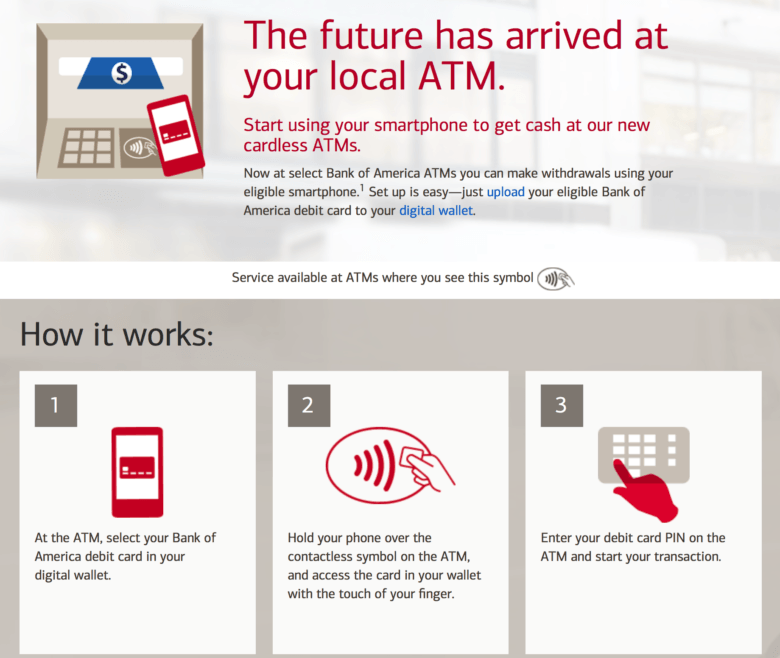
- Card Controls: Manage your debit card directly from the app. You can temporarily lock your card if it’s misplaced, set spending limits for specific transaction types, or even block international transactions, adding layers of security.
When to Contact Bank of America Directly
For any uncertainties, specific requests, or issues, direct communication with Bank of America is always the best approach.
- Questions about Limits: If you’re unsure about your specific ATM limit or want to explore options for increasing it, call customer service or visit a branch.
- Reporting Lost/Stolen Cards: Immediately contact the bank if your debit card is lost or stolen to prevent unauthorized withdrawals.
- Disputing Transactions: If you notice any suspicious or incorrect transactions, report them promptly.
- Complex Financial Needs: For business account limits, specific international travel advice, or any complex financial planning, speaking with a personal banker or financial advisor at Bank of America can provide tailored guidance.
In conclusion, while the question of “how much I can withdraw from a Bank of America ATM” seems simple, the answer is nuanced. It depends on your account type, your relationship with the bank, and your proactive engagement with its services. By understanding the policies, utilizing available strategies, and adopting best practices for financial management, you can ensure seamless and secure access to your funds, whenever and wherever you need them. Responsible banking isn’t just about managing money; it’s about mastering the tools and knowledge that empower your financial freedom.
aViewFromTheCave is a participant in the Amazon Services LLC Associates Program, an affiliate advertising program designed to provide a means for sites to earn advertising fees by advertising and linking to Amazon.com. Amazon, the Amazon logo, AmazonSupply, and the AmazonSupply logo are trademarks of Amazon.com, Inc. or its affiliates. As an Amazon Associate we earn affiliate commissions from qualifying purchases.