
In an era of instant gratification and 24/7 digital access, the seemingly simple question, “What bank is open today?” often masks a deeper frustration with the traditional constraints of financial institutions. For many, finding an open bank branch is a critical, sometimes urgent, necessity – whether it’s to deposit a physical check, manage a complex transaction that requires face-to-face interaction, or simply get cash when an ATM isn’t sufficient. This query highlights the enduring tension between the physical infrastructure of banking and the burgeoning digital financial landscape. Understanding the nuances of bank operating hours, holidays, and the array of alternative services available is crucial for anyone navigating their personal or business finances effectively.

The answer to “what bank is open today” is rarely straightforward. It depends on a multitude of factors, including the day of the week, the presence of national or regional holidays, the specific bank’s policy, and even the branch location. Furthermore, the rise of digital banking has broadened the definition of “open” to include virtual services that operate around the clock, blurring the lines between traditional and modern financial accessibility. This article delves into the complexities of bank accessibility, equipping you with the knowledge and tools to confidently manage your financial needs, regardless of the time or day.
Navigating the Labyrinth of Bank Operating Hours
The traditional image of banking involves a brick-and-mortar branch with fixed hours, but the reality is far more intricate. Financial institutions operate within a framework of regulations, public holidays, and internal policies that dictate when their doors are open for business. Understanding these variables is the first step in ensuring your financial transactions proceed smoothly.
Standard Business Hours vs. Reality
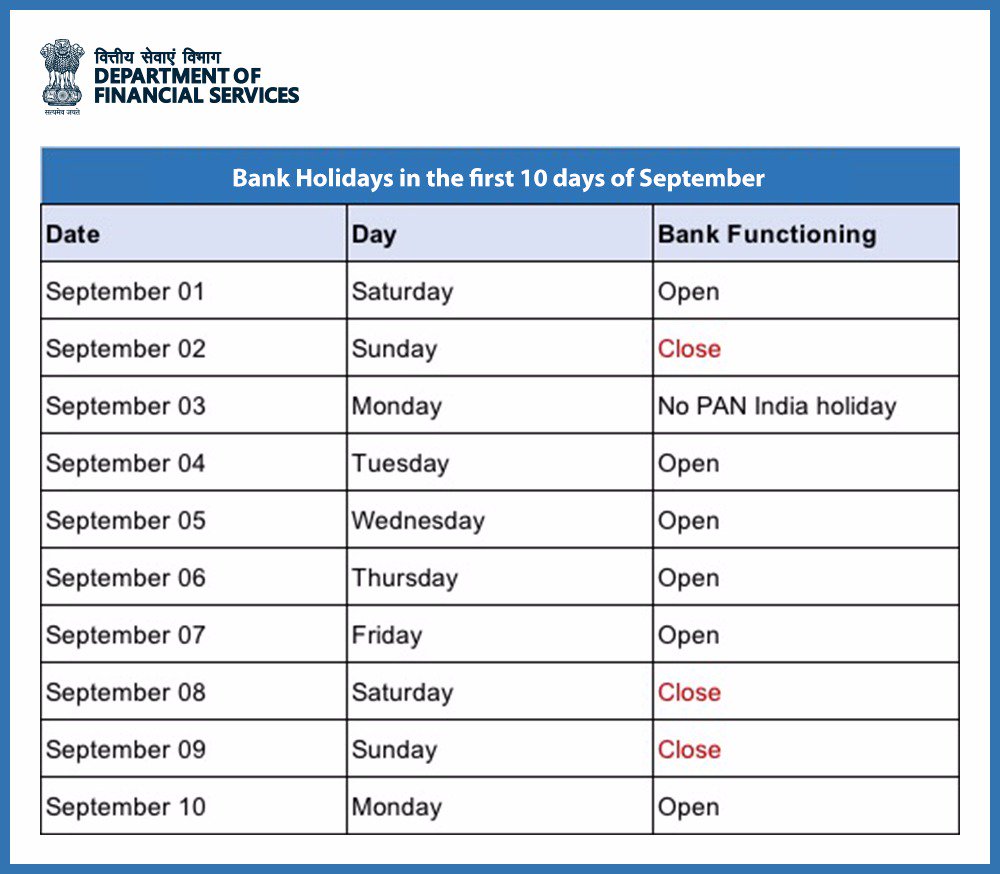
Most retail bank branches typically adhere to a Monday-to-Friday schedule, often opening between 9:00 AM and 10:00 AM and closing between 4:00 PM and 5:00 PM. Saturdays might see reduced hours, particularly in the morning, while Sundays are almost universally observed as non-banking days for physical branches. However, these are merely general guidelines. Different banks, and even different branches of the same bank, can have variations. For instance, branches located within shopping malls or business districts might extend their hours to cater to specific demographics or peak times. Similarly, some banks have experimented with longer evening hours or Sunday operations in select urban areas to enhance customer convenience. This flexibility, while beneficial, also introduces an element of unpredictability, making a quick check essential before planning a visit.
The Impact of Public and Bank Holidays
Perhaps the most significant disruptor to standard banking hours is the observance of public and bank holidays. In the United States, federal holidays such as New Year’s Day, Martin Luther King, Jr. Day, Presidents’ Day, Memorial Day, Juneteenth National Independence Day, Independence Day, Labor Day, Columbus Day, Veterans Day, Thanksgiving Day, and Christmas Day typically mean that all federal banks are closed. While these closures are often predictable, their exact dates can sometimes shift (e.g., if a holiday falls on a weekend, it might be observed on the preceding Friday or following Monday). Furthermore, some states observe additional holidays that might affect local bank branches, even if they aren’t federally mandated closures. It’s crucial for individuals and businesses to anticipate these closures to avoid last-minute transactional headaches, particularly when dealing with payroll, large deposits, or time-sensitive payments. Understanding which holidays impact your specific bank, and remembering that some financial activities like check clearing or wire transfers may also be delayed on these days, is a cornerstone of effective financial planning.
Regional and Branch-Specific Variations
Beyond national holidays, regional differences and even individual branch policies can influence operating hours. A bank branch in a busy downtown financial district might have different hours than one in a quieter suburban neighborhood or a rural area. Factors like local economic activity, customer traffic patterns, and staffing levels can all play a role in determining specific branch hours. For example, a branch catering primarily to businesses might open earlier and close earlier, while one serving a residential community might have later hours or a Saturday presence. Mergers and acquisitions in the banking sector can also lead to temporary or permanent changes in branch hours as new policies are implemented. This variability underscores the importance of not making assumptions based on past experiences or other bank branches, but rather seeking out up-to-date information for the specific branch you intend to visit.
Your Toolkit for Finding Open Banks
In an increasingly digitized world, finding out “what bank is open today” is easier than ever, provided you know where to look. A range of digital and traditional tools are available to help you quickly identify operational branches and plan your banking activities efficiently.
Leveraging Online Banking Portals and Apps
The most immediate and reliable source of information for current bank customers is often their bank’s official website or mobile application. Most modern financial institutions integrate branch locators and up-to-date operating hours directly into these platforms. By entering your location or zip code, you can quickly find nearby branches, view their precise hours, and even check for temporary closures or holiday schedules. Many apps also offer features like appointment scheduling or wait time estimates, further enhancing convenience. For established customers, this is typically the first and most accurate port of call, offering personalized information that might not be readily available through generic searches.
The Power of Bank Locators and Google Maps
For those who are not current customers of a specific bank, or who are traveling and need to find any open bank, general online search engines and mapping services are invaluable. Tools like Google Maps, Apple Maps, or dedicated bank locator websites (e.g., those offered by specific banking associations) allow users to search for “banks near me” or “banks open today.” These platforms typically provide a list of nearby financial institutions, complete with addresses, phone numbers, and often, current operating hours. It’s important to cross-reference information from multiple sources if possible, as real-time updates for every single branch can sometimes lag on third-party platforms, especially during unexpected events or special holiday observances. Reviews and user-contributed information can also sometimes offer clues about a branch’s current status.
Direct Contact: Phone Calls and Social Media
When in doubt, a direct phone call to the bank branch or its customer service line remains a highly effective method. This ensures you receive the most current and accurate information directly from a bank representative. Many banks have automated phone systems that provide holiday hours or temporary closure announcements. For complex situations or when specific services are required, speaking to a person can clarify whether the branch can meet your needs that day. Additionally, many banks maintain active social media presences. Checking their official Twitter, Facebook, or Instagram pages can sometimes reveal real-time updates about branch closures, extended hours, or service disruptions, particularly during inclement weather or other unforeseen circumstances. This also offers a channel for direct inquiry, though responses may not be immediate.
Community Forums and Local Resources
While less common for everyday checks, local community forums, neighborhood social media groups, or even local news websites can sometimes offer supplementary information, particularly regarding smaller, regional banks or credit unions. During widespread events like power outages or major storms, local residents often share updates about which businesses, including banks, are operational. While not official sources, these community-driven updates can provide valuable real-time insights when traditional channels are overwhelmed or slow to update. It’s always wise to verify any critical information obtained this way with an official source, but for a quick pulse check on local conditions, they can be surprisingly useful.
Beyond the Branch: Alternative Banking Solutions
The modern financial landscape offers a wealth of alternatives to the traditional bank branch visit. For many routine transactions, and even some more complex ones, you no longer need to find an “open today” physical location. Embracing these alternative solutions can significantly enhance your financial flexibility and reduce the stress of limited banking hours.
The Ubiquity of ATMs for Cash and Basic Transactions
Automated Teller Machines (ATMs) are the most established and widely available alternative to a teller. Operating 24/7, ATMs allow you to withdraw cash, deposit checks or cash, transfer funds between accounts, check balances, and even make loan payments at any time of day or night. For individuals primarily concerned with cash access or simple deposits, ATMs offer unparalleled convenience. Most major banks have extensive ATM networks, and many participate in interbank networks (like Allpoint or Plus) that allow you to use other banks’ ATMs, though fees may apply. Understanding your bank’s ATM network and associated fees is a smart financial move, ensuring you always have access to your funds without unexpected costs.
Embracing Digital Banking: 24/7 Access from Anywhere
The true revolution in banking accessibility comes from digital platforms. Online banking portals and mobile banking apps have transformed how individuals manage their finances, offering 24/7 access to a vast array of services. From reviewing transaction history and paying bills to transferring money between accounts, setting up alerts, and even applying for loans, almost every aspect of personal finance can now be managed from a computer or smartphone. This “always open” model liberates users from the constraints of branch hours, allowing them to conduct financial tasks on their schedule, whether it’s early morning, late at night, or on a public holiday. The security features embedded in these platforms, including multi-factor authentication and encryption, make them not only convenient but also safe.
Mobile Deposit and Online Bill Pay: Expanding Your Reach
Specific digital features further reduce the need for branch visits. Mobile check deposit, available through most banking apps, allows you to deposit a check simply by taking a picture of it with your smartphone. This eliminates the need to physically go to an ATM or branch, making it incredibly convenient for receiving payments or depositing checks on the go. Similarly, online bill pay services streamline your expense management. You can schedule one-time or recurring payments to virtually any vendor, ensuring bills are paid on time without the hassle of writing checks or visiting payment centers. Many banks also offer peer-to-peer payment services like Zelle, allowing instant money transfers to friends and family, sidestepping the need for cash or wire transfers for personal transactions.
Partner Networks and Grocery Store Banking
Beyond direct digital services, some banks have expanded their physical reach through partnerships. Certain credit unions, for example, participate in shared branching networks, allowing members to conduct transactions at other participating credit union locations as if they were their own branch. Major banks sometimes partner with large retailers or grocery stores to offer limited banking services within those establishments. These “bank-in-a-store” concepts often feature extended hours that align with the retail store’s schedule, providing another avenue for basic deposits, withdrawals, and check cashing outside of traditional banking hours. While the range of services might be limited compared to a full-service branch, they provide a valuable bridge for essential needs.
Planning Ahead: Strategies for Seamless Banking
Proactive financial planning extends beyond budgeting and investment; it also encompasses how you interact with your banking institutions. By adopting a few strategic habits, you can minimize the impact of limited branch hours and ensure your financial needs are always met, regardless of whether a bank is “open today.”
Proactive Calendar Management
One of the simplest yet most effective strategies is to mark all federal and bank holidays on your personal and business calendars well in advance. This allows you to anticipate closures and schedule critical transactions accordingly. If you know a payment is due on a bank holiday, plan to initiate it the day before. For businesses, this is particularly important for payroll, vendor payments, and client invoicing to avoid delays and maintain healthy cash flow. Regularly checking your bank’s published holiday schedule at the beginning of each year can help prevent last-minute surprises and ensure that funds are accessible or processed when needed.
Diversifying Your Banking Channels
Reliance on a single method of banking can lead to frustration when that channel is unavailable. Cultivating comfort and familiarity with multiple banking channels – including your bank’s app, online portal, ATM network, and customer service phone line – provides robust contingency plans. If a branch is unexpectedly closed, or your mobile app is experiencing technical difficulties, having alternative ways to manage your funds ensures continuous access. For instance, if you usually deposit checks via mobile, know where your nearest ATM with deposit functionality is located. If you typically rely on in-person assistance for complex queries, understand how to utilize online chat support or phone customer service.
Emergency Preparedness and Backup Plans
Financial emergencies don’t adhere to banking hours. Having a backup plan for accessing funds or making critical payments outside of normal operations is a hallmark of sound personal finance. This could include maintaining a small amount of emergency cash at home, understanding your credit card’s cash advance limits (as a last resort), or ensuring you have access to funds via digital payment apps that might not be tied directly to traditional banking hours. For businesses, this might involve having multiple payment processing options or lines of credit available to bridge gaps during unexpected bank closures or system downtimes. The goal is to minimize reliance on physical bank presence for urgent needs, empowering you with financial resilience.
The Evolving Landscape of Banking Accessibility
The question “what bank is open today” is becoming increasingly nuanced as the financial industry undergoes a profound transformation. The trajectory points towards a future where physical branch presence, while still important, is complemented, and in many cases superseded, by digital alternatives that redefine accessibility.
The Shift Towards Digital-First Operations
The pandemic significantly accelerated the digital transformation already underway in banking. Many consumers who once relied on branches were compelled to adopt online and mobile banking, discovering the convenience and efficiency it offered. This shift has led banks to invest heavily in their digital platforms, enhancing user experience, security, and the range of services available online. For new generations entering the workforce, digital banking is often the primary, if not sole, method of interaction with their financial institutions. This trend suggests that while physical branches won’t disappear entirely, their role will continue to evolve, possibly becoming hubs for complex financial advice, loan applications, or community engagement, rather than mere transactional centers. The implicit answer to “what bank is open today” increasingly leans towards “your bank, virtually, 24/7.”
Balancing Convenience with Personal Interaction
While digital banking offers unparalleled convenience, there remains a segment of the population, particularly older demographics or those with complex financial needs, who value face-to-face interaction. For some, discussing a mortgage, setting up a trust, or resolving a complicated account issue is best done in person. Banks are challenged with finding a balance: optimizing their digital offerings while retaining sufficient physical presence to cater to these needs. This might mean fewer branches, but potentially more specialized or technologically advanced ones, or a greater emphasis on appointment-based services rather than walk-ins. The physical bank branch might transform into a consultation center rather than a transaction processing unit, changing the fundamental nature of what “open today” truly signifies.

Future Trends in Banking Hours and Services
Looking ahead, we can anticipate further innovations that will impact banking accessibility. Artificial intelligence and advanced chatbots are already providing instant support and answering routine queries outside of human operating hours. The rise of neobanks and challenger banks, which often operate entirely without physical branches, further blurs the lines, offering 24/7 digital services as their default. We may also see more hyper-localized services, where certain essential banking functions become integrated into other daily activities, such as making deposits at smart kiosks in public spaces. The core principle driving these changes is customer convenience and the relentless pursuit of making financial services available anytime, anywhere. While the question “what bank is open today” will persist, its practical implications will increasingly revolve around which digital services are available rather than which physical doors are unlocked.
In conclusion, while the question “what bank is open today” still holds relevance for many, the modern answer is multifaceted. It involves understanding traditional banking schedules and holidays, effectively utilizing a range of digital tools, embracing alternative banking solutions, and strategically planning your financial activities. As the banking sector continues its digital evolution, personal financial management will increasingly depend on savvy navigation of both physical and virtual financial landscapes, ensuring that access to your money is truly a 24/7 reality.
aViewFromTheCave is a participant in the Amazon Services LLC Associates Program, an affiliate advertising program designed to provide a means for sites to earn advertising fees by advertising and linking to Amazon.com. Amazon, the Amazon logo, AmazonSupply, and the AmazonSupply logo are trademarks of Amazon.com, Inc. or its affiliates. As an Amazon Associate we earn affiliate commissions from qualifying purchases.