
Navigating the landscape of personal finance often involves seemingly simple tasks that can, in reality, present a maze of options and considerations. Cashing a check, especially one from a major institution like Bank of America, is one such task. While it might appear straightforward, understanding your various avenues, their associated costs, requirements, and potential limitations is crucial for a smooth and secure transaction. This article delves deep into every viable option for cashing a Bank of America check, providing professional insights to empower you with the best financial decision.
For many, a check represents tangible funds, a payment for services rendered, a gift, or a refund. Transforming that paper into usable cash or digital funds is a fundamental aspect of managing personal finances. Whether you’re a Bank of America account holder, someone banking elsewhere, or entirely unbanked, knowing your choices ensures you can access your money efficiently and without unnecessary hurdles. We’ll explore not only the most common methods but also less obvious alternatives, shedding light on the mechanics, security implications, and financial prudence associated with each.

Navigating Your Options at Bank of America
The most direct and often most cost-effective way to cash a Bank of America check is, unsurprisingly, through Bank of America itself. However, the experience differs significantly depending on whether you are an existing customer or not.
Cashing with a Bank of America Account
If you hold an account with Bank of America, you have the widest array of convenient options at your disposal, often with no fees for the transaction.
- At a Branch with a Teller: This is the traditional method. Presenting your check and a valid government-issued photo ID (such as a driver’s license, state ID, or passport) to a teller at any Bank of America branch allows for immediate cashing, provided there are sufficient funds in the issuer’s account and the check is legitimate. The funds can be given to you in cash or deposited directly into your account. This method is ideal for larger amounts or if you require specific denominations. Tellers can also assist with any potential issues, such as a damaged check or questions about endorsement.
- Using a Bank of America ATM: For smaller checks or when immediate cash isn’t essential, Bank of America ATMs offer a convenient way to deposit checks. Many modern ATMs can even dispense cash back from a deposited check immediately, depending on your account relationship and the bank’s policies regarding funds availability. This is a quick option outside of banking hours, but always check the funds availability policy as a full cash amount might not be accessible immediately. If you’re simply depositing, the funds will typically be available within one to two business days, sometimes sooner.
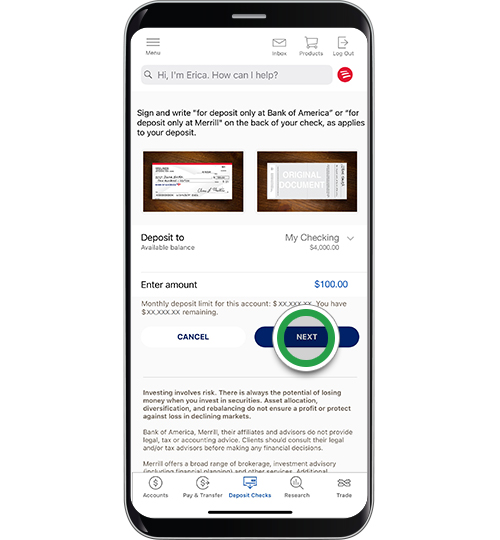
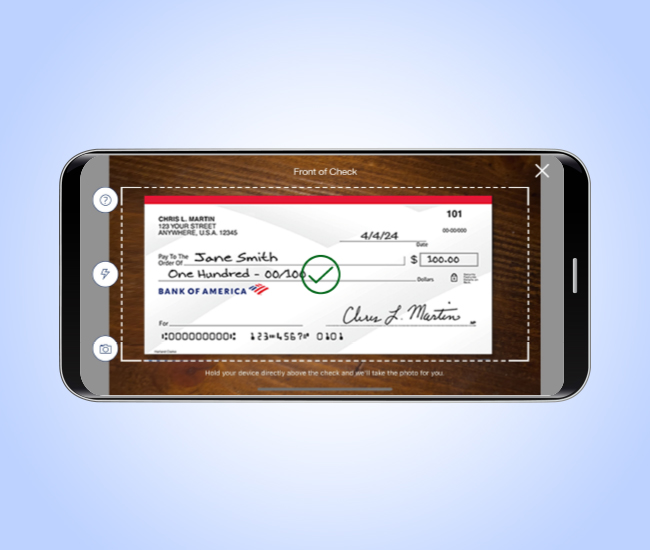
- Mobile Deposit via the Bank of America App: This increasingly popular option allows you to deposit checks from the comfort of your home using your smartphone. Simply endorse the check with “For Bank of America Mobile Deposit Only” (or similar phrasing as required by the app), take photos of the front and back, and submit it through the mobile app. This method is incredibly convenient and often has higher daily deposit limits than ATMs for qualified accounts. Funds are usually available within one to two business days, sometimes instantly depending on the check amount and your account history. It’s crucial to securely store or shred the physical check after confirmation of deposit to prevent fraud.
Cashing Without a Bank of America Account
Cashing a check drawn on Bank of America when you don’t hold an account there is possible, but it comes with stricter requirements and often a fee.
- At a Bank of America Branch: Bank of America, like most banks, may cash checks drawn on their institution for non-account holders. This is because they can verify the funds directly from the issuer’s account. However, they are not obligated to do so and often charge a non-customer check cashing fee, which can range from $5 to $8, depending on the amount and specific state regulations. You will definitely need a valid government-issued photo ID. The bank will scrutinize the check carefully for authenticity and may even call the issuer to verify funds before dispensing cash. It’s advisable to call ahead to the specific branch to confirm their policy and fee structure, as policies can sometimes vary by location. This option is generally considered a last resort due to potential fees and the need for in-person verification.
Exploring Other Financial Institutions
Beyond Bank of America itself, your own bank or credit union offers a familiar and often fee-free environment for cashing or depositing checks.
Your Own Bank or Credit Union
This is arguably the second-best option after cashing directly at the issuer’s bank if you are an account holder there.
- Convenience and Familiarity: Your personal bank or credit union already knows you, your account history, and your financial habits. This relationship often translates to quicker processing and fewer hassles. You can visit a branch, use an ATM, or deposit via their mobile app, similar to the Bank of America options for its account holders.
- Fee-Free Transactions: As a customer, cashing or depositing a check into your account is typically free of charge. This saves you money compared to non-customer check cashing fees.
- Funds Availability: While you can often deposit the check and get immediate access to a portion of the funds, banks are allowed by law (Regulation CC) to place a hold on checks. This means the full amount might not be available for withdrawal or use for a few business days, especially for larger checks, new accounts, or out-of-state checks. However, once the check clears, the funds are securely in your account. Your bank’s specific funds availability policy will dictate when the money becomes fully accessible.
- Deposit vs. Cash: You can choose to deposit the check into your account or request cash back. If you need immediate cash, your bank is more likely to provide it to you as an existing customer, subject to funds availability rules and the balance in your account.
The Issuing Bank (If Not Bank of America)
This section is slightly misaligned with the title, as the title specifically refers to a “Bank of America check.” However, in a broader context of “where can I cash a check,” it’s relevant. For the purpose of this article, the “issuing bank” is Bank of America. So, this subsection would primarily reiterate and emphasize points from “Cashing Without a Bank of America Account” but from the perspective of someone whose own bank isn’t Bank of America, and they are now considering going to Bank of America directly.
- Direct Verification: When you go to Bank of America to cash a check drawn on their institution, they can instantly verify the funds and authenticity directly with the account holder. This direct verification is why they can offer to cash it for non-customers, unlike a third-party bank which would have to send the check through the clearing house.
- Strict Requirements and Fees: As discussed, prepare for mandatory government-issued ID and potential non-customer check cashing fees. This option should be weighed against the convenience and fee-free nature of your own bank, even with potential holds on funds.
Alternative Check Cashing Services
When traditional banking routes are not feasible or convenient, several alternative services can provide quick access to your funds, albeit often at a higher cost.
Check-Cashing Stores and Services
These dedicated businesses specialize in cashing checks for a fee and are widespread.
- High Convenience, Higher Cost: Check-cashing stores offer immediate cash with no need for a bank account or waiting for funds to clear. They operate on extended hours, including weekends, making them highly convenient. However, this convenience comes at a price. Fees can be a percentage of the check amount (e.g., 1% to 10%) or a flat fee, often capped by state regulations. For example, a $500 check could cost you $15-$50 or more to cash.
- Less Scrutiny (Sometimes), But Still Requires ID: While they typically don’t require a bank account, you will still need a valid government-issued photo ID. Some services may have lower scrutiny for smaller checks compared to banks, but they are also vigilant about fraud.
- Varying Limits: Most check-cashing stores have daily limits on the amount they will cash. It’s wise to call ahead to inquire about their fees and limits, especially for larger checks. This option is generally best reserved for urgent needs or when no other banking option is available.
Retailers and Supermarkets
Many large retailers and grocery chains offer check-cashing services, often at more competitive rates than dedicated check-cashing stores.
- Walmart: Walmart is a widely recognized option. They cash pre-printed checks, including payroll, government, tax refund, and MoneyGram money orders, up to certain limits (e.g., $5,000, or $7,500 during tax season). Their fees are generally lower than dedicated check-cashing stores, often just a few dollars per check. You will need a valid ID. Walmart can cash checks from any bank, including Bank of America, provided they meet their criteria.
- Grocery Stores (Kroger, Publix, etc.): Many supermarket chains like Kroger, Publix, and Safeway also offer check-cashing services at their customer service desks. Policies vary by chain and even by individual store, but they typically cash payroll, government, and sometimes personal checks up to a specific limit for a modest fee. Again, valid ID is mandatory.
- Convenience and Affordability: These options strike a balance between the convenience of quick cash and more reasonable fees compared to check-cashing storefronts. They are often integrated into your regular shopping routine.
Essential Considerations for a Smooth Transaction
Regardless of where you choose to cash your Bank of America check, several critical factors will ensure your transaction is seamless and secure.
Required Documentation and Endorsement
- Valid Government-Issued ID: This is non-negotiable at any legitimate institution. Acceptable forms typically include a driver’s license, state ID card, military ID, or passport. Ensure your ID is current and matches the name on the check.
- Proper Endorsement: Before presenting your check, sign the back exactly as your name appears on the “Pay to the Order of” line. For mobile deposits, add “For Mobile Deposit Only” or “For Deposit Only” below your signature. If depositing at an ATM, a simple signature is usually sufficient. In some cases, for third-party cashing, additional endorsements or even fingerprints may be required for verification.
Understanding Fees and Limits
- Be Aware of Costs: Always ask about any fees before initiating a transaction. Banks charge non-customers, check-cashing services charge percentages, and even some retailers have small fees. These costs eat into your funds.
- Know the Limits: Each service provider will have daily or per-transaction limits on the amount of a check they will cash. If you have a large check, confirm these limits in advance to avoid multiple trips or unexpected rejections.
Security and Fraud Prevention
- Verify Check Legitimacy: Be wary of checks that look suspicious (e.g., poor printing, misspellings, unusual routing numbers) or checks for amounts larger than expected, with a request to wire back the difference. These are red flags for common check fraud scams. If in doubt, contact Bank of America directly using their official customer service number (not one on the check itself).
- Protect Personal Information: When providing ID, ensure your information is handled securely. Be cautious of services that ask for excessive personal details beyond what’s necessary for identification.
- Immediate Deposit/Cashing: Once you receive a check, it’s best practice to cash or deposit it promptly. Stale-dated checks (typically checks older than 6 months) may not be honored by the bank. Prompt action also reduces the risk of loss or theft.
Best Practices for Managing Your Funds After Cashing
Successfully cashing a check is just one step in effective money management. How you handle those funds next is equally important.
The Advantage of Direct Deposit
While this article focuses on cashing physical checks, it’s worth highlighting that for recurring payments (like payroll, government benefits, or regular business payments), direct deposit is by far the most efficient and secure method. It eliminates the need for physical checks, potential fees, and waiting times, ensuring funds are instantly available on payday. Most employers and government agencies offer this option, and it’s a financial best practice to utilize it whenever possible.
Building a Relationship with Your Bank
For those who frequently receive checks, establishing a strong banking relationship offers significant advantages. A personal checking or savings account provides:
- Fee-Free Check Cashing/Depositing: As a valued customer, you avoid the fees associated with non-customer transactions.
- Convenient Access to Funds: Mobile apps, ATMs, and online banking make managing your money effortless.
- Financial Tools and Services: Banks offer a suite of services beyond basic transactions, including savings accounts, credit cards, loans, and investment options, all of which contribute to your overall financial well-being.
- Enhanced Security: Your funds are protected by FDIC insurance (up to legal limits), and banks employ robust fraud detection systems.
In conclusion, cashing a Bank of America check offers a spectrum of choices, each with its own benefits and drawbacks. For the majority, leveraging your own bank or directly approaching Bank of America as an account holder provides the most economical and secure path. When these options are unavailable or inconvenient, alternative services can fill the gap, provided you’re mindful of the associated fees and security precautions. By understanding these various avenues, you can confidently and efficiently manage your incoming funds, keeping your personal finances on a strong and secure footing.
aViewFromTheCave is a participant in the Amazon Services LLC Associates Program, an affiliate advertising program designed to provide a means for sites to earn advertising fees by advertising and linking to Amazon.com. Amazon, the Amazon logo, AmazonSupply, and the AmazonSupply logo are trademarks of Amazon.com, Inc. or its affiliates. As an Amazon Associate we earn affiliate commissions from qualifying purchases.