
Amazon is more than just a company; it’s a global phenomenon, a household name, and a ubiquitous presence that has profoundly redefined commerce, technology, and consumer expectations. To ask “what does Amazon mean?” is to delve into the intricate tapestry of its corporate identity, its strategic branding, its unparalleled market influence, and the complex perceptions it evokes worldwide. It means convenience, innovation, and an ever-expanding ecosystem, but also, for some, market dominance and disruption. Understanding Amazon’s meaning requires an exploration of its foundational brand strategy and its continuous evolution.
The Genesis of a Global Brand Identity
The journey of Amazon’s brand identity began not with a grand statement of intent to conquer the world, but with a humble vision for an online bookstore. Yet, even in its nascent stages, the seeds of its future colossal brand were being sown through strategic naming and a relentless focus on the customer.

From Aardvark to Amazon: A Name Born for Scale
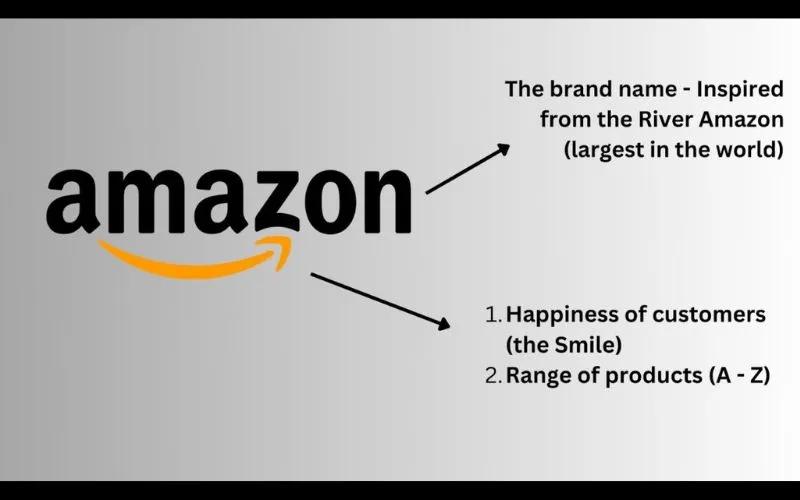
When Jeff Bezos founded his company in 1994, he initially considered names like Cadabra (as in abracadabra) and Relentless.com (which still redirects to Amazon.com today). However, a dive into the “A” section of a dictionary led him to “Amazon”—the largest river in the world. This choice was profoundly strategic. It immediately communicated a sense of vastness, scale, and boundless potential, perfectly aligning with Bezos’s early ambition to create an “everything store.” The letter “A” also ensured prominent placement in alphabetical listings, a clever marketing tactic in the early days of the internet.
This name wasn’t just descriptive; it was aspirational. It transcended the initial offering of books, hinting at a future where the company’s scope would be as immense and diverse as the river itself. This foresight in naming laid a powerful cornerstone for a brand that would eventually extend its reach into nearly every facet of digital and physical life. The brand’s simple, iconic logo—a smile connecting ‘A’ to ‘Z’—further reinforced this “everything store” promise, suggesting that Amazon delivers anything and everything its customers desire, from A to Z, with a friendly, satisfying experience.
The Customer Obsession Doctrine
Perhaps the most potent element in forging Amazon’s enduring brand identity is its unwavering, almost fanatical, commitment to “customer obsession.” From day one, Bezos instilled a culture where customer feedback, convenience, and satisfaction were paramount. This wasn’t merely a marketing slogan; it was an operational principle that permeated every decision, every service, and every product development cycle.
This doctrine manifested in several key brand differentiators:
- Seamless User Experience: Early investment in a user-friendly website, one-click ordering, and transparent reviews set new standards for online retail.
- Unrivaled Logistics: The continuous optimization of supply chains, warehousing, and delivery mechanisms (culminating in Prime) was not just about efficiency; it was about consistently exceeding customer expectations for speed and reliability.
- Personalization: Leveraging data to offer tailored recommendations created a sense of individual recognition, making customers feel understood and valued.
- Problem Resolution: A robust customer service infrastructure, even if sometimes strained by scale, aimed to resolve issues quickly and painlessly, reinforcing trust.
This relentless focus on the customer experience has built a brand renowned for its reliability and convenience. It’s why millions instinctively turn to Amazon first, perceiving it not just as a retailer, but as a trusted partner in their daily lives, capable of fulfilling needs efficiently and dependably. This customer-centricity is the bedrock upon which Amazon’s powerful brand equity rests, distinguishing it in an increasingly competitive marketplace.
Beyond E-commerce: Crafting a Multi-faceted Brand Ecosystem
The true meaning of Amazon extends far beyond its origins as an online bookstore or even an “everything store.” Through relentless innovation, strategic diversification, and an audacious willingness to enter and dominate new industries, Amazon has built a sprawling brand ecosystem. Each component, while seemingly disparate, contributes to the overarching strength and perception of the Amazon brand.
The “Everything Store” Promise and Perception
The initial vision of being the “everything store” has been realized and significantly expanded upon. Today, Amazon’s retail arm encompasses not just books, electronics, and household goods, but also groceries (Whole Foods Market), fashion, pharmaceuticals, and a vast marketplace for third-party sellers. This breadth of offerings means Amazon is deeply integrated into the consumption habits of millions. The brand now signifies a single, convenient destination for virtually any consumer need, eliminating the need to shop elsewhere.
This perception of “everything” is powerfully reinforced by its ability to deliver. The logistics network, the sophisticated recommendation engines, and the sheer volume of products available reinforce the brand promise. However, this vastness also means the brand carries the weight of a complex perception. While consumers appreciate the convenience, the breadth also sparks discussions about market consolidation, local business impact, and labor practices. The “everything store” is a double-edged sword, symbolizing both consumer empowerment and corporate omnipotence.
AWS: The Unseen Pillar of Amazon’s Brand Authority
Perhaps the most astonishing testament to Amazon’s brand strategy is the success of Amazon Web Services (AWS). Initially an internal solution to manage Amazon’s own infrastructure, AWS was offered to other businesses as a cloud computing service. What began as a strategic byproduct has transformed into a dominant, multi-billion-dollar enterprise, providing the foundational technology for countless startups, large corporations, and even government agencies worldwide.
AWS, though not directly consumer-facing, significantly bolsters Amazon’s overall brand authority. It positions Amazon as a leader not just in retail, but in cutting-edge technology and infrastructure. It signifies innovation, reliability, and scale on an industrial level. The fact that the world’s most critical digital services run on AWS quietly underpins Amazon’s brand as a technological powerhouse. It demonstrates a capacity for strategic foresight and execution that extends far beyond consumer goods, earning respect and trust in the enterprise sector and cementing Amazon’s image as a foundational internet company.
Alexa and Prime: Embedding the Brand into Daily Life
Amazon Prime and the Alexa voice assistant are two of the most effective tools Amazon has deployed to embed its brand deep into the daily lives of consumers. Prime, initially conceived as a loyalty program offering free expedited shipping, has evolved into a comprehensive lifestyle subscription service. It bundles streaming video (Prime Video), music, exclusive deals, and more, creating a sticky ecosystem that incentivizes continued engagement with the Amazon brand across multiple touchpoints. Prime members are significantly more loyal and spend more, viewing Prime as an essential service rather than just a retail perk. The Prime logo, displayed prominently, signifies quality, speed, and added value.
Alexa, on the other hand, represents Amazon’s ambition to be an ambient presence in homes and offices. Through devices like the Echo, Alexa offers voice-activated convenience for everything from setting timers and playing music to ordering products and controlling smart home devices. Alexa subtly but consistently reinforces the Amazon brand by becoming the default interface for numerous daily tasks. It transforms the brand from a website or an app into a ubiquitous, helpful, and seemingly intelligent entity. Together, Prime and Alexa exemplify how Amazon moves beyond transactional relationships to forge deeply integrated, habitual connections with its customer base, making the brand synonymous with modern convenience.
The Dual Nature of Amazon’s Brand Narrative
Amazon’s brand narrative is characterized by a fascinating duality. On one hand, it embodies convenience, innovation, and an almost magical ability to deliver. On the other, its sheer scale and market power invite scrutiny, prompting questions about its corporate responsibility and impact.
Convenience, Innovation, and Trust: The Golden Triangle
For the vast majority of consumers, Amazon represents a golden triangle of desirable brand attributes:
- Convenience: The ability to find almost anything, often at competitive prices, and have it delivered quickly, sometimes within hours, is unmatched. This convenience has become a benchmark for all other retailers.
- Innovation: From the Kindle e-reader to drone delivery ambitions, and the continuous evolution of AWS, Amazon is perceived as a company that constantly pushes boundaries. This perception of forward-thinking keeps the brand relevant and exciting.
- Trust: Despite its size, Amazon has largely managed to cultivate a sense of trust among its users, primarily through its reliable delivery, easy returns, and generally positive customer service experiences. Customers trust that if they order from Amazon, their item will arrive as promised, and issues will be resolved.
These three pillars form the core of Amazon’s positive brand image, making it a default choice for millions. They are the result of consistent execution against its customer-obsessed philosophy, transforming utility into a deeply ingrained brand preference.
Navigating Brand Criticism and Corporate Responsibility
However, Amazon’s colossal success and influence inevitably invite critical examination. The brand is often at the center of debates concerning its impact on various stakeholders:
- Labor Practices: High-pressure work environments in fulfillment centers and the treatment of gig economy drivers have led to public and media scrutiny, challenging the brand’s perception of corporate benevolence.
- Market Dominance and Competition: Critics argue that Amazon’s scale and aggressive tactics stifle competition, hurting smaller businesses and consolidating too much power, raising antitrust concerns.
- Environmental Impact: The sheer volume of packaging and logistics required for global delivery raises questions about the brand’s ecological footprint, despite its efforts towards sustainability.
- Data Privacy: As an omnipresent digital entity, Amazon’s collection and use of vast amounts of customer data spark privacy concerns, though it generally maintains a strong reputation for data security.
For Amazon, managing these criticisms is an ongoing brand challenge. It necessitates proactive communication, genuine efforts toward corporate social responsibility, and a willingness to adapt. The meaning of Amazon, therefore, is not monolithic; it’s a dynamic interplay between its celebrated strengths and the ongoing conversations about its societal implications. Its brand managers must continuously work to mitigate negative perceptions while reinforcing its core value propositions.
The Future of Amazon’s Meaning: Evolving Brand Strategy
The meaning of Amazon is not static; it is constantly being shaped by technological advancements, market shifts, consumer expectations, and its own strategic decisions. The future of its brand will depend on its ability to sustain its core strengths while adapting to an increasingly complex global landscape.
Sustaining Dominance Through Perpetual Innovation
Amazon’s brand has always been synonymous with innovation. To maintain its market position and positive brand perception, this commitment to perpetual innovation must continue. This means not only refining existing services but also pioneering new frontiers. We can anticipate Amazon investing heavily in areas such as:
- Advanced AI and Machine Learning: Further integrating AI into every facet of its operations, from logistics optimization and personalized recommendations to predictive analytics and autonomous systems (e.g., robotics in warehouses, drone delivery).
- Sustainability Solutions: Developing and promoting greener supply chains, renewable energy initiatives, and sustainable product offerings to address environmental concerns and appeal to eco-conscious consumers.
- Health and Wellness: Expanding its presence in healthcare through initiatives like Amazon Pharmacy and integrating health-related services into its Prime ecosystem and Alexa devices.
- Global Expansion: Tailoring its brand and services to local cultures and regulations as it seeks to deepen its penetration in emerging markets.
By remaining at the forefront of technological and service innovation, Amazon can ensure its brand continues to signify cutting-edge solutions and a future-forward approach, reinforcing its image as a leader rather than merely a follower.

The Human Element in a Tech-Driven Brand
As Amazon grows ever larger and more reliant on technology, a crucial aspect of its evolving brand strategy will be to re-emphasize the human element. For a brand that prides itself on customer obsession, finding ways to make its vast ecosystem feel more personal and less impersonal will be key. This could involve:
- Enhanced Personalization: Moving beyond product recommendations to anticipate needs and offer proactive, tailored support that feels genuinely intuitive.
- Community Building: Fostering communities around its products and services (e.g., Twitch, Goodreads, customer forums) to create a sense of belonging and shared interest.
- Ethical AI Development: Ensuring that its AI initiatives are developed and deployed responsibly, transparently, and with a clear focus on human well-being and privacy.
- Empathetic Customer Engagement: Investing in customer service experiences that are not just efficient but also empathetic and responsive, mitigating the potential for frustration with automated systems.
Ultimately, “what does Amazon mean?” is a question that reveals a multifaceted brand: a symbol of unparalleled convenience and technological prowess, a disruptor of traditional industries, and a powerful entity navigating the complexities of corporate responsibility in the 21st century. Its meaning will continue to evolve, shaped by its strategic choices, its relentless pursuit of customer satisfaction, and its ability to adapt its narrative to a world that increasingly demands more from its corporate giants. Amazon means a future that is continuously being built, brick by digital brick, by a brand that has fundamentally altered how we live, shop, and interact with technology.
aViewFromTheCave is a participant in the Amazon Services LLC Associates Program, an affiliate advertising program designed to provide a means for sites to earn advertising fees by advertising and linking to Amazon.com. Amazon, the Amazon logo, AmazonSupply, and the AmazonSupply logo are trademarks of Amazon.com, Inc. or its affiliates. As an Amazon Associate we earn affiliate commissions from qualifying purchases.