
Investing in the stock market can seem like a daunting prospect, especially when targeting a high-profile company like Amazon (AMZN). However, with the right knowledge and a clear understanding of the process, purchasing shares in one of the world’s most influential companies is remarkably accessible to the average investor. This guide will demystify the steps involved, offering a professional and insightful pathway to adding Amazon stock to your investment portfolio, strictly within the realm of personal finance and investing.
Understanding Amazon as an Investment
Before diving into the mechanics of purchasing shares, it’s crucial to understand what you’re investing in. Amazon is more than just an e-commerce giant; it’s a sprawling conglomerate with significant stakes in cloud computing (Amazon Web Services – AWS), digital advertising, streaming entertainment, logistics, artificial intelligence, and physical retail. Its diversified business model and relentless focus on innovation have historically driven substantial growth, making it a cornerstone for many investment portfolios.
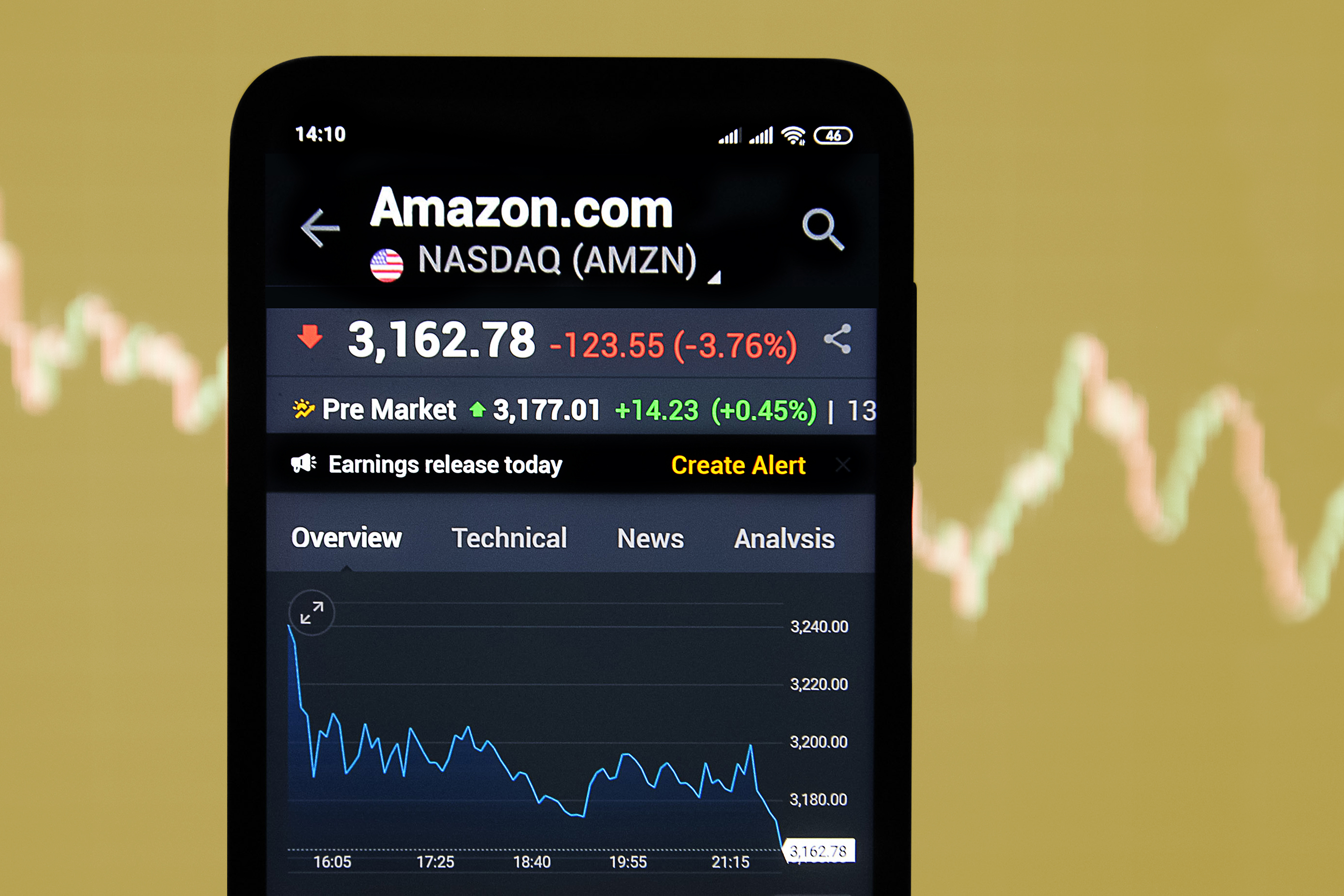
A Brief Overview of Amazon’s Market Position
Amazon holds a dominant position in several key industries. Its e-commerce platform continues to lead globally, benefiting from an extensive distribution network and a vast customer base. AWS, its cloud computing arm, is a market leader, providing critical infrastructure to businesses worldwide and acting as a significant profit engine. Furthermore, Amazon’s ventures into digital advertising, subscription services like Prime, and devices such such as the Echo and Kindle reinforce its ecosystem, creating strong moats against competitors. Investors are drawn to Amazon not just for its current dominance but for its historical ability to innovate and expand into new, profitable sectors. Understanding these underlying strengths is fundamental to a well-informed investment decision.
Key Considerations Before Investing
While Amazon’s track record is impressive, investing in individual stocks always carries inherent risks. Before committing your capital, consider your personal financial goals, risk tolerance, and investment horizon. Are you looking for long-term growth, or do you have a shorter-term objective? Amazon’s stock price, like all publicly traded securities, can be volatile. Economic downturns, regulatory challenges, intense competition, and shifting consumer trends can all impact its performance. It’s also wise to consider Amazon’s valuation; while a strong company, its stock price might reflect high expectations, meaning future growth needs to meet or exceed these to justify continued gains. A thorough personal assessment will help align your investment strategy with your broader financial plan.
Types of Amazon Shares
When you decide to buy shares in Amazon, you are typically purchasing common stock. Common stock represents ownership in the company and confers voting rights on corporate matters, though these are often minimal for individual retail investors. More importantly, common stock gives you a claim on the company’s earnings and assets. Amazon does not currently pay dividends, meaning investors primarily benefit from capital appreciation—the increase in the stock’s market price over time. There aren’t different classes of Amazon shares easily accessible to the public that offer distinct rights or payout structures; the vast majority of investors will buy the standard AMZN common stock traded on the NASDAQ exchange.
Essential Steps to Buying Amazon Stock
Once you’ve decided that investing in Amazon aligns with your financial objectives, the practical steps to acquiring shares are straightforward. The process primarily revolves around setting up a brokerage account and executing your trade.
Choosing the Right Brokerage Account
The first and most critical step is to open a brokerage account. A brokerage firm acts as an intermediary, facilitating the buying and selling of stocks on your behalf. Today, numerous online discount brokers offer user-friendly platforms, low or zero commission fees, and a wide range of investment products. When selecting a broker, consider factors such as:
- Fees: Look for brokers with commission-free stock trades.
- Minimum Deposit: Some brokers require a minimum deposit to open an account, though many now have no minimums.
- Platform Features: Evaluate the usability of their trading platform, research tools, and mobile app.
- Customer Service: Access to responsive customer support can be invaluable.
- Investment Options: Ensure the broker offers access to the NASDAQ exchange where Amazon is listed.
- Fractional Shares: If you plan to invest smaller amounts, check if the broker offers fractional share investing (buying a portion of a share).
Popular options in the U.S. include Charles Schwab, Fidelity, Vanguard, E*TRADE, Robinhood, and TD Ameritrade (soon to be Schwab). Researching and comparing a few options will help you find one that best suits your needs.
Funding Your Brokerage Account
After opening your account, you’ll need to deposit funds. Most brokers offer several ways to do this:
- Electronic Funds Transfer (EFT) / ACH Transfer: This is the most common and often free method, linking your bank account directly to your brokerage account. Funds typically clear within 1-3 business days.
- Wire Transfer: Faster but usually incurs a fee from your bank.
- Check Deposit: Slower and less common nowadays.
- Rollover from another Retirement Account: If you’re funding an IRA, you might roll over funds from an existing retirement plan.
Ensure your account is fully funded and the funds have settled before attempting to place a trade. Many brokers allow you to place trades with unsettled funds, but withdrawal restrictions may apply until funds fully clear.
Placing Your First Order: Market vs. Limit Orders
With your account funded, you’re ready to buy Amazon shares. Navigate to the trading section of your broker’s platform and search for Amazon using its ticker symbol: AMZN. You will then specify how many shares you wish to buy or the dollar amount you want to invest (if buying fractional shares).
Crucially, you’ll need to choose an order type:
- Market Order: This instructs your broker to buy Amazon shares immediately at the best available price in the market. While simple, the exact price you pay might vary slightly from what you see when you place the order, especially in volatile markets.
- Limit Order: This allows you to set a maximum price you’re willing to pay per share. Your order will only be executed if Amazon’s stock price falls to or below your specified limit price. This offers more control over the purchase price but there’s no guarantee your order will be filled if the stock never reaches your limit.
For new investors, a market order is often sufficient for established, highly liquid stocks like Amazon, but a limit order can be a valuable tool if you have a specific entry price in mind.
Alternative Ways to Invest in Amazon
Directly purchasing Amazon shares is the most straightforward method, but it’s not the only way to gain exposure to the company’s performance. For those with less capital, or those seeking broader diversification, alternative strategies exist.
Fractional Shares: Investing with Less Capital

Amazon’s share price can be substantial, making it challenging for investors with limited capital to buy even a single full share. This is where fractional shares become incredibly useful. Many modern brokerage firms allow you to buy a fraction of a share, meaning you can invest a specific dollar amount (e.g., $100) into Amazon, regardless of its per-share price. If Amazon shares are trading at $150, your $100 investment would buy approximately 0.66 shares. This democratizes investing, enabling smaller investors to participate in high-value stocks and build diversified portfolios more easily.
ETFs and Mutual Funds with Amazon Holdings
For investors who prefer a diversified approach rather than picking individual stocks, Exchange Traded Funds (ETFs) and mutual funds offer an excellent alternative. Many growth-oriented ETFs and actively managed mutual funds include Amazon as a significant holding in their portfolios.
- ETFs: These are collections of stocks or other assets that trade like individual stocks. You can find ETFs that track broad market indices (like the S&P 500, which includes Amazon), technology sector ETFs, or growth-focused ETFs. Investing in such an ETF means you indirectly own a small portion of Amazon, alongside many other companies, providing built-in diversification.
- Mutual Funds: Similar to ETFs, mutual funds are professionally managed portfolios of stocks. Many large-cap growth funds or technology funds will feature Amazon prominently. Mutual funds typically have higher expense ratios than ETFs but offer professional management.
This approach allows you to benefit from Amazon’s growth without the concentrated risk of owning only one company’s stock.
Indirect Exposure Through Related Industries
Another nuanced way to gain exposure to Amazon’s success is by investing in companies that are part of its extensive ecosystem or benefit from its growth. For example:
- Suppliers or Partners: Companies that supply components, services, or logistics solutions to Amazon could see their fortunes rise with Amazon’s expansion.
- E-commerce Enablers: Businesses that provide software, payment processing, or shipping services essential for online retail could benefit from the broader e-commerce trend Amazon champions.
- Cloud Computing Beneficiaries: Companies that heavily utilize AWS for their operations might be seen as secondary beneficiaries of AWS’s reliability and innovation.
While this strategy offers more indirect exposure and requires deeper research, it can be a way to diversify your holdings while still betting on the continued influence of tech giants like Amazon.
Navigating the Investment Landscape
Investing, especially in individual stocks, requires more than just knowing how to place an order. It involves strategic thinking, risk management, and a commitment to continuous learning.
The Importance of Diversification
Perhaps the most fundamental principle in investing is diversification. While Amazon is a powerful company, putting all your investment capital into a single stock, no matter how strong, exposes you to significant unsystematic risk. If Amazon were to face unforeseen challenges, your entire portfolio would suffer. Diversification means spreading your investments across different companies, industries, asset classes (stocks, bonds, real estate), and geographical regions. This helps to mitigate risk, as the poor performance of one asset can be offset by the better performance of another, smoothing out overall portfolio returns. While Amazon might be a valuable component, it should ideally be one piece of a broader, well-balanced investment pie.
Long-Term vs. Short-Term Investment Strategies
Your investment horizon significantly influences your approach to buying Amazon shares.
- Long-Term Investing: Many investors choose to buy and hold Amazon stock for many years, aiming to benefit from its sustained growth over decades. This strategy often involves ignoring short-term market fluctuations and focusing on the company’s fundamental strength and future prospects. It’s a less emotionally taxing approach, aligning with the idea of compounding returns over time.
- Short-Term Trading: Some individuals attempt to profit from Amazon’s day-to-day or week-to-week price movements. This involves frequent buying and selling, often using technical analysis. Short-term trading is significantly riskier, more time-consuming, and typically requires extensive knowledge of market dynamics and trading strategies. For most retail investors, especially beginners, a long-term, buy-and-hold strategy is generally recommended.
Understanding Market Volatility and Risk
The stock market is inherently volatile. Stock prices fluctuate daily due to a myriad of factors, including economic news, company earnings reports, geopolitical events, and investor sentiment. While Amazon has demonstrated resilience, its stock is not immune to these fluctuations. Understanding that dips and corrections are a normal part of the market cycle is crucial. Panic selling during a downturn can lock in losses, while having a long-term perspective can help you ride out temporary volatility. Investing in the stock market means accepting a degree of risk, and Amazon, despite its size, is no exception. Educating yourself on market dynamics and cultivating emotional discipline are key to successful investing.
Practical Considerations and Next Steps
After acquiring Amazon shares, your investment journey doesn’t end. Ongoing management and an awareness of related financial implications are essential.
Monitoring Your Investment
While long-term investors don’t need to check their portfolio daily, it’s prudent to periodically review your investment in Amazon. Stay informed about the company’s earnings reports, significant news (e.g., new product launches, regulatory issues), and broader industry trends. Most brokerage platforms provide tools for tracking your portfolio’s performance, setting alerts, and accessing company news. This regular review helps you assess whether your initial investment thesis still holds true and if any adjustments to your portfolio are necessary.
Tax Implications of Stock Ownership
When you invest in stocks, tax considerations become relevant.
- Capital Gains Tax: If you sell your Amazon shares for a profit, you will likely incur capital gains tax. The tax rate depends on how long you held the shares. Gains on shares held for less than a year are considered short-term capital gains and are taxed at your ordinary income tax rate. Gains on shares held for more than a year are long-term capital gains, typically taxed at lower rates.
- Tax-Advantaged Accounts: To potentially mitigate taxes, consider investing in Amazon through tax-advantaged accounts like an Individual Retirement Account (IRA) or a 401(k), if your plan allows for individual stock purchases. Contributions to traditional IRAs and 401(k)s are often tax-deductible, and growth is tax-deferred until retirement. Roth IRAs, while funded with after-tax dollars, allow for tax-free withdrawals in retirement.
Consulting a tax professional can help you understand the specific implications for your situation and optimize your investment strategy from a tax perspective.

Seeking Professional Financial Advice
For those new to investing or with complex financial situations, seeking guidance from a qualified financial advisor can be invaluable. A financial advisor can help you define your financial goals, assess your risk tolerance, develop a comprehensive investment plan, and recommend a portfolio that includes suitable investments, potentially including Amazon. They can also provide personalized advice on diversification, tax planning, and how investing in individual stocks fits into your overall financial picture. While this guide provides a solid foundation, professional advice can offer tailored insights and peace of mind.
Investing in Amazon shares is an achievable goal for many. By understanding the company, navigating the steps to open and fund a brokerage account, and adopting a disciplined approach to investing, you can confidently add this prominent company to your financial portfolio. Remember that thoughtful planning, diversification, and a long-term perspective are key to successful wealth building.
aViewFromTheCave is a participant in the Amazon Services LLC Associates Program, an affiliate advertising program designed to provide a means for sites to earn advertising fees by advertising and linking to Amazon.com. Amazon, the Amazon logo, AmazonSupply, and the AmazonSupply logo are trademarks of Amazon.com, Inc. or its affiliates. As an Amazon Associate we earn affiliate commissions from qualifying purchases.