
The question “what sector is Apple in?” might seem straightforward at first glance, but for investors, financial analysts, and economists, the answer is remarkably complex and highly nuanced. Apple Inc. (AAPL) has transcended its origins as a pure technology hardware company, evolving into a multifaceted conglomerate whose tentacles reach across several critical economic sectors. Understanding this intricate positioning is crucial for assessing its financial health, investment potential, and broader market impact. From a financial perspective, Apple’s sector classification directly influences how it’s valued, how it’s benchmarked against competitors, and how it contributes to the diversification—or concentration—of an investment portfolio.
The Evolving Classification of a Market Behemoth
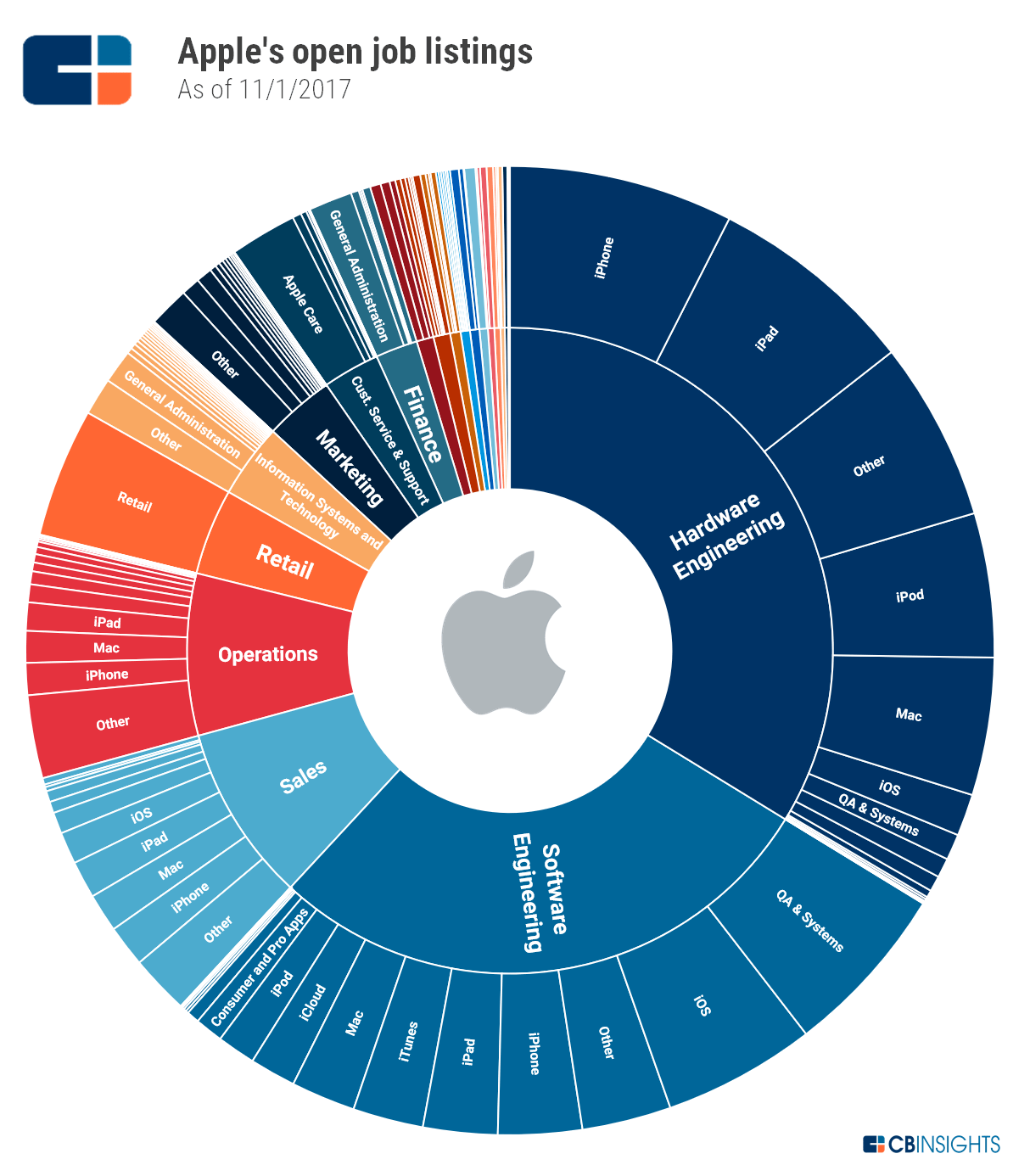
Apple’s journey from a personal computer pioneer to a global titan has been marked by continuous innovation and strategic diversification, making its sector classification a dynamic and often debated topic within financial circles. Historically, defining Apple’s primary sector was simpler, but as its business model expanded, so too did the complexity of its market categorization.
Traditional Tech Sector Roots
For decades, Apple was firmly anchored in the Technology sector. This classification primarily stemmed from its core business of designing, manufacturing, and selling consumer electronics and computer software. Products like the Macintosh, iPod, and early iPhones clearly placed it within the “Hardware, Storage & Peripherals” or “Software & Services” sub-industries, depending on the specific product focus at the time. Investors primarily viewed Apple as a technology growth stock, focusing on product innovation cycles, sales volumes, and market share within the competitive tech landscape. This traditional view emphasized R&D spending, intellectual property, and the rapid pace of technological obsolescence inherent to the sector. Financial models would often compare Apple against other tech giants like Microsoft, IBM, or Dell, analyzing metrics such as revenue growth, gross margins on hardware, and the cost of goods sold.
Diversification Beyond Hardware
The advent of the iPhone marked a pivotal moment, not just for Apple but for its financial classification. While still a hardware product, the iPhone ecosystem—comprising the App Store, iTunes, and later services like Apple Music and iCloud—began to pull Apple into new realms. This expansion blurred the lines between a pure hardware company and a platform provider. The significant revenue generated from the App Store, subscriptions, and other digital services signaled a shift towards a recurring revenue model, a hallmark of software and services companies rather than purely product-driven entities. This diversification began to challenge the simplistic “tech hardware” label, prompting financial professionals to consider its growing footprint in services, which often command higher valuation multiples due to their predictable revenue streams and lower capital expenditure requirements compared to hardware manufacturing.
The Blurring Lines of Industry Classification
Today, Apple’s classification is a multi-layered affair, reflecting its truly diversified business model. Major global industry classification standards, such as the Global Industry Classification Standard (GICS) and the Industry Classification Benchmark (ICB), attempt to categorize companies to help investors compare like with like.
Under GICS, jointly developed by MSCI and S&P Dow Jones Indices, Apple is primarily classified under the Information Technology sector, specifically within the “Technology Hardware, Storage & Peripherals” industry group. However, this primary classification doesn’t fully capture its breadth. Many analysts also acknowledge its significant presence in the Consumer Discretionary sector, particularly concerning its premium brand appeal, retail operations, and direct-to-consumer sales model for products like the iPhone and Apple Watch, which are often discretionary purchases. Furthermore, the burgeoning Services segment—encompassing everything from financial services like Apple Pay and Apple Card to entertainment with Apple TV+ and Apple Music—pushes it into areas that could independently be categorized under Financials or Communication Services. This complexity means that for portfolio management, an investor might consider Apple as a blend, contributing to exposure across multiple sectors, complicating traditional diversification strategies.
Unpacking Apple’s Multifaceted Revenue Streams
To truly understand Apple’s sectoral standing from a financial perspective, one must dissect its revenue streams. The company’s financial reports clearly illustrate a sophisticated blend of product sales and rapidly growing services, each contributing differently to its overall valuation and market perception.
The Dominance of Product Sales
Despite the strong narrative around services, Product sales remain the bedrock of Apple’s financial performance. The iPhone, in particular, continues to be the primary revenue driver, representing over 50% of total sales in many fiscal periods. Its success is not just about unit sales, but also about its high average selling price (ASP) and its ability to maintain premium margins. Beyond the iPhone, the Mac, iPad, and the increasingly vital Wearables, Home, and Accessories segment (including Apple Watch, AirPods, and HomePod) contribute significantly. These product categories reinforce Apple’s position in consumer electronics, showcasing its prowess in design, engineering, and supply chain management. For investors, the performance of these product lines is a key indicator of consumer demand, brand loyalty, and the company’s ability to innovate in competitive hardware markets. Fluctuations in these sales can impact quarterly earnings, influencing stock price movements and investor sentiment.
The Ascendance of Services
The Services segment is Apple’s fastest-growing and highest-margin business, increasingly central to its long-term financial strategy. This segment includes a vast array of offerings: the App Store, Apple Music, iCloud, Apple Pay, AppleCare, Apple TV+, Apple Arcade, and advertising services. The shift towards services provides Apple with several financial advantages. Firstly, it generates recurring revenue, offering greater predictability and stability compared to the cyclical nature of hardware sales. Secondly, services typically boast higher gross margins, which helps to boost Apple’s overall profitability and cash flow. For investors, the growth of services transforms Apple from a purely transactional business into one with sticky ecosystems and subscription-based revenue streams, which are often valued more highly by the market. This diversification mitigates reliance on any single product cycle, providing a more robust and resilient financial model. The continued expansion into new service areas, such as healthcare (e.g., Apple Health features) and automotive (e.g., CarPlay, potential future initiatives), indicates a strategic move to capture even more wallet share and deepen customer engagement across various aspects of their lives.
Strategic Investments and Future Growth Areas
Apple’s immense cash reserves and strategic vision enable it to explore and invest in nascent technologies and markets, hinting at future sector expansions. While its current financial reports classify these under existing segments, R&D expenditures suggest significant investment in areas like augmented reality (AR) and virtual reality (VR), autonomous systems (potentially for automotive), and advanced health technologies. These ventures, though speculative in terms of immediate revenue, position Apple for future growth in sectors that may not even fully exist today. For instance, a successful entry into the electric vehicle market would place Apple squarely in the Automotive sector, while deep dives into medical devices or services could see it touching the Healthcare sector. Monitoring these strategic investments is crucial for investors attempting to project Apple’s long-term financial trajectory and its potential to disrupt entirely new industries.
Investor Perspectives: Where Does Apple Fit in a Portfolio?
For investors, understanding Apple’s sectoral classification isn’t merely an academic exercise; it has tangible implications for portfolio construction, risk management, and performance analysis. Its unique blend of characteristics requires a sophisticated approach to asset allocation and benchmarking.
GICS and ICB Classifications Explained
As mentioned, GICS and ICB are the two most widely used global industry classification standards. GICS places Apple primarily in Information Technology. Within GICS, Apple falls under the “Technology Hardware, Storage & Peripherals” industry, a sub-industry of the “Technology Hardware & Equipment” industry group, which is itself part of the broader Information Technology sector.

The Industry Classification Benchmark (ICB), developed by FTSE Russell and Dow Jones, offers a similar but sometimes distinct categorization. Under ICB, Apple is often found in the Technology supersector, specifically within the “Personal Goods” subsector due to its consumer-facing electronics, but also has strong ties to the “Software & Computer Services” sector through its services division.
The subtle differences between these classification systems can lead to variations in how index funds or ETFs categorize their holdings, and consequently, how investors might gain exposure to—or inadvertently over-allocate to—Apple within a diversified portfolio. An investor focused purely on “Technology Hardware” might see Apple as a core holding, while another seeking broader “Consumer Discretionary” exposure might also include it.
Sector Weighting and Portfolio Diversification
Apple’s colossal market capitalization means it exerts a significant influence on major market indices. It often holds one of the largest, if not the largest, weights in indices like the S&P 500 and the NASDAQ 100. This presents a challenge for diversification. An investor holding a broad market index fund might find themselves with substantial indirect exposure to Apple, potentially concentrating their portfolio in a single company and its primary sectors. If an investor also directly holds Apple stock, this concentration is further amplified.
Financial advisors often counsel clients on the importance of sector diversification to mitigate risk. However, with Apple’s sprawling operations, its classification across multiple sectors can mean it simultaneously provides exposure to tech growth, consumer spending, and potentially even financial services. This dual (or multi-sector) nature can be seen as both a benefit—providing diversified exposure within a single holding—and a risk, as performance across these varied segments is still ultimately tied to one corporate entity. Understanding Apple’s multifaceted role is crucial for accurately assessing a portfolio’s true sector exposure and managing idiosyncratic risk.
Growth vs. Value Considerations
From an investment style perspective, Apple has historically been viewed as a growth stock, driven by its relentless innovation, market expansion, and premium branding. Its high P/E ratios and continuous revenue growth fueled this perception. However, as the company has matured, achieved immense scale, and initiated a dividend program and share buybacks, some analysts have started to categorize it as a hybrid growth-value stock, or even a “defensive growth” stock.
The services segment, with its stable, recurring revenue and higher margins, contributes to a more predictable earnings profile, which can appeal to value investors seeking consistent cash flows. Simultaneously, its continuous product innovation and entry into new markets maintain its growth appeal. This dual appeal makes Apple attractive to a wider range of investors, though it also complicates its categorization in investment style boxes. Financial models for valuing Apple must integrate both growth assumptions for its nascent ventures and stable cash flow projections for its mature product and service lines.
Apple’s Economic Impact and Market Influence
Apple’s scale and reach extend far beyond its balance sheet, making it a powerful force that influences macroeconomic trends, global supply chains, and competitive dynamics across multiple industries. Its financial performance and strategic decisions reverberate throughout the global economy.
Supply Chain Dynamics and Global Reach
Apple operates one of the most complex and global supply chains in the world, stretching across dozens of countries, from component manufacturers in Asia to logistics partners worldwide. The sheer volume of its orders, its stringent quality control, and its design innovations dictate significant demand and technological advancements within the manufacturing sector. Any disruption to Apple’s supply chain—whether due to geopolitical tensions, natural disasters, or labor issues—can have a ripple effect on countless suppliers, contractors, and entire regional economies. From a financial standpoint, this massive global footprint means that Apple’s operational health is intertwined with global trade policies, currency fluctuations, and geopolitical stability, factors that financial analysts must continually monitor.
Competitive Landscape Across Diverse Sectors
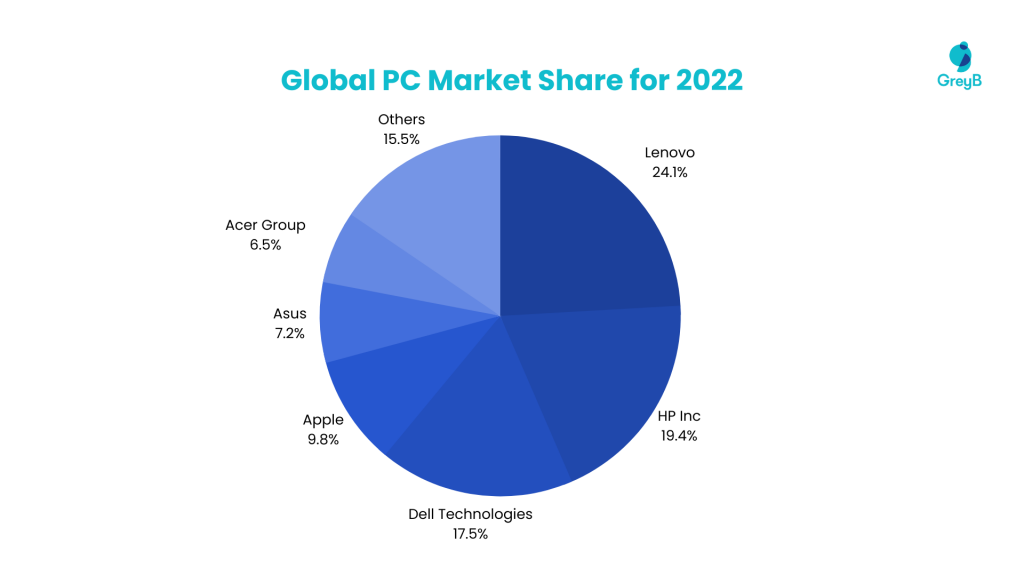
Apple doesn’t just compete in one sector; it simultaneously contends with rivals across numerous industries. In traditional tech hardware, it faces Samsung, Google, Huawei, and Microsoft. In services, it squares off against Spotify and Google (music), Netflix and Amazon (video streaming), and various financial institutions (Apple Pay, Apple Card). Its wearables compete with Fitbit and Garmin, and its computers with Dell and HP. This broad competitive landscape means that Apple’s financial strategy must be agile and comprehensive, constantly innovating to maintain market share and brand relevance in disparate markets. Its ability to command premium pricing and maintain high margins despite intense competition is a testament to its brand strength and ecosystem lock-in, crucial factors for investors assessing its long-term profitability.
The Macroeconomic Significance of Apple’s Performance
As one of the world’s most valuable companies, Apple’s financial performance can be a significant indicator of broader economic health, particularly consumer spending. Strong iPhone sales often correlate with robust consumer confidence, while weak sales can signal economic headwinds. Its employment figures, capital expenditures, and tax contributions also have substantial macroeconomic implications globally. For central banks and economic policymakers, monitoring Apple’s financial results and forward-looking statements can provide valuable insights into technological trends, global demand, and the health of the consumer sector. Its influence on stock market indices means that its share price movements can significantly impact overall market sentiment and investor wealth.
Navigating Future Sector Shifts and Strategic Expansion
Apple’s trajectory suggests a continued evolution in its sectoral identity. Its strategic investments and R&D efforts point towards further diversification, challenging existing classifications and offering new avenues for financial growth.
Innovations Driving New Market Entry
Apple’s long-term vision clearly involves expanding into entirely new markets, leveraging its technological expertise, vast user base, and financial power. Significant investment in areas like augmented and virtual reality (AR/VR) points to a future where Apple could become a dominant player in the nascent metaverse or immersive computing sector. Its advancements in health tracking and medical research, alongside potential future products like smart rings or advanced sensors, could push it deeper into the healthcare technology or even regulated medical device sectors. Furthermore, persistent rumors and leaked information about “Project Titan” (Apple Car) indicate a serious consideration of entering the automotive sector, potentially as a software provider, an electric vehicle manufacturer, or a developer of autonomous driving technology. Each of these potential entries represents a major sectoral shift with profound financial implications, requiring different valuation metrics, regulatory considerations, and competitive analyses.
Regulatory Challenges and Market Adaptation
As Apple expands into new sectors, it inevitably faces increased scrutiny from regulators worldwide. Its dominant position in the App Store has already led to antitrust investigations and legal battles, which can impact its services revenue model. Entry into sectors like finance or healthcare brings a host of new regulatory hurdles, privacy concerns, and compliance costs. For investors, understanding these regulatory risks is paramount, as they can directly affect profitability, market access, and the overall business model. Apple’s ability to adapt its financial strategies and corporate governance to navigate these complex regulatory environments will be critical to its continued success and its ability to maintain its market value across diverse sectors.
Long-Term Outlook for a Diversified Giant
In conclusion, Apple is no longer confinable to a single sector box. While its roots and primary classification remain in Information Technology, its financial reality is that of a diversified conglomerate operating across consumer electronics, software, digital services, financial technology, and potentially future markets in healthcare, automotive, and extended reality. For investors, this means Apple offers a unique blend of exposure to multiple growth engines, but also requires a sophisticated understanding of its complex financial structure, its varying competitive landscapes, and the regulatory challenges associated with each segment. Its sheer size and continuous innovation ensure that Apple will remain a pivotal force, its sector identity a perpetually evolving narrative shaped by its strategic choices and market forces.
aViewFromTheCave is a participant in the Amazon Services LLC Associates Program, an affiliate advertising program designed to provide a means for sites to earn advertising fees by advertising and linking to Amazon.com. Amazon, the Amazon logo, AmazonSupply, and the AmazonSupply logo are trademarks of Amazon.com, Inc. or its affiliates. As an Amazon Associate we earn affiliate commissions from qualifying purchases.