
In today’s dynamic financial landscape, traditional banking solutions, while robust, don’t always cater to every individual’s unique needs or preferences. This is where reloadable Visa cards step in, offering a flexible and accessible alternative for managing personal finances. These cards are not credit cards; rather, they are prepaid debit cards that can be loaded with funds and used for a wide range of transactions, from online purchases to in-store payments and ATM withdrawals. Their appeal stems from their ability to provide a secure payment method without the need for a traditional bank account or a credit check, making them invaluable tools for budgeting, online safety, and financial inclusion.

For those looking to gain better control over their spending, protect their primary bank accounts from online fraud, or simply access a reliable payment method, understanding where to purchase reloadable Visa cards is the crucial first step. This guide will delve into the various avenues available for acquiring these financial tools, alongside critical considerations to ensure you choose the best card for your specific monetary requirements.
Understanding the Versatility of Reloadable Visa Cards
Before embarking on the purchase journey, it’s essential to grasp what a reloadable Visa card truly is and how it distinguishes itself from other financial instruments. This understanding will inform your decision-making process and help you leverage its full potential as a personal finance tool.
What Exactly is a Reloadable Visa Card?
A reloadable Visa card is a type of prepaid debit card that operates on the Visa payment network. Unlike a credit card, which allows you to borrow money up to a certain limit, a reloadable Visa card requires you to load funds onto it before you can use it. It functions similarly to a standard debit card in that transactions draw directly from the loaded balance. The key differentiator, however, is its “reloadable” nature, meaning you can add money to it repeatedly, unlike single-use gift cards. This makes it a sustainable financial tool for ongoing use.
These cards are typically not tied to a traditional bank checking account, making them an excellent option for individuals who are unbanked, prefer not to use their main bank account for certain transactions, or are looking for a straightforward budgeting solution. Most reloadable cards require registration with personal information (Know Your Customer – KYC requirements) to unlock full features, such as FDIC insurance and higher load limits, offering a layer of consumer protection.
Key Benefits and Why They’re Popular
The popularity of reloadable Visa cards stems from a suite of benefits that cater to diverse financial needs:
- Budgeting and Spending Control: Since you can only spend the amount loaded onto the card, it acts as an effective budgeting tool. It prevents overspending and helps individuals stick to a predefined budget for specific categories, like groceries or entertainment.
- Enhanced Online Security: Using a reloadable card for online purchases can significantly reduce the risk to your primary bank account. If the card number is compromised, only the funds loaded onto that specific card are at risk, not your entire savings.
- Accessibility for the Unbanked: For individuals without traditional bank accounts, reloadable cards provide a vital pathway to participate in the digital economy, enabling online shopping, bill payments, and secure transactions.
- No Credit Check Required: Obtaining a reloadable Visa card doesn’t involve a credit check, making it accessible to individuals with poor or no credit history. This is particularly beneficial for young adults, students, or those rebuilding their financial standing.
- Travel Companion: They offer a safer alternative to carrying large amounts of cash while traveling. Many can be used internationally wherever Visa is accepted, and some even offer competitive foreign exchange rates.
- Convenient Gifting: While not exclusively a gift card, a pre-loaded, reloadable Visa can be a practical gift, allowing the recipient flexibility in how they spend the funds while also having the option to add more money to it later.
Differentiating From Other Card Types
It’s crucial to distinguish reloadable Visa cards from similar financial products:
- Gift Cards: Unlike typical gift cards which are single-load and non-reloadable, a reloadable Visa card is designed for continuous use.
- Debit Cards: While both draw from an existing balance, a standard debit card is directly linked to a bank checking account. A reloadable Visa card is a standalone product.
- Credit Cards: Credit cards involve borrowing money that must be repaid, often with interest. Reloadable cards use your own money and carry no debt.
Understanding these distinctions ensures you are choosing the right financial tool for your specific objectives, whether it’s managing debt, building credit, or simply controlling spending.
Navigating the Purchase Landscape: Where to Find Your Card
The widespread acceptance and utility of reloadable Visa cards have led to their availability across a broad spectrum of purchase points. From brick-and-mortar stores to digital platforms, consumers have multiple options to acquire these convenient financial instruments.
Major Retailers and Grocery Stores
One of the most accessible avenues for purchasing reloadable Visa cards is through large retail chains and grocery stores. These locations often carry a variety of prepaid card brands, making it easy for consumers to pick one up during their regular shopping trips.
- Walmart: A dominant player in the retail market, Walmart offers several reloadable Visa cards, often featuring their own branded options or popular choices like Green Dot and Bluebird by American Express (which can be loaded via Visa Debit). Their money centers facilitate easy purchasing and reloading.
- Target: Similar to Walmart, Target stores typically have a selection of prepaid cards available in their gift card or financial services sections.
- CVS and Walgreens: As major drug store chains, CVS and Walgreens are ubiquitous and provide convenient locations for purchasing a range of reloadable Visa cards. They often serve as key reload network locations as well.
- Kroger and Other Grocery Store Chains: Most major grocery store chains, including Kroger, Safeway, Albertsons, and regional supermarkets, stock reloadable Visa cards. These are particularly convenient for cash reloading as you can add funds while checking out with your groceries.
Purchasing from these retailers offers instant gratification; you can walk out with a card in hand. However, keep in mind that the initial card may have limited functionality until registered online, and specific fees can vary by brand.
Online Providers and Financial Technology Platforms
The digital realm has become a significant hub for acquiring reloadable Visa cards, often offering a wider selection, potentially lower fees, and more advanced features compared to in-store purchases.
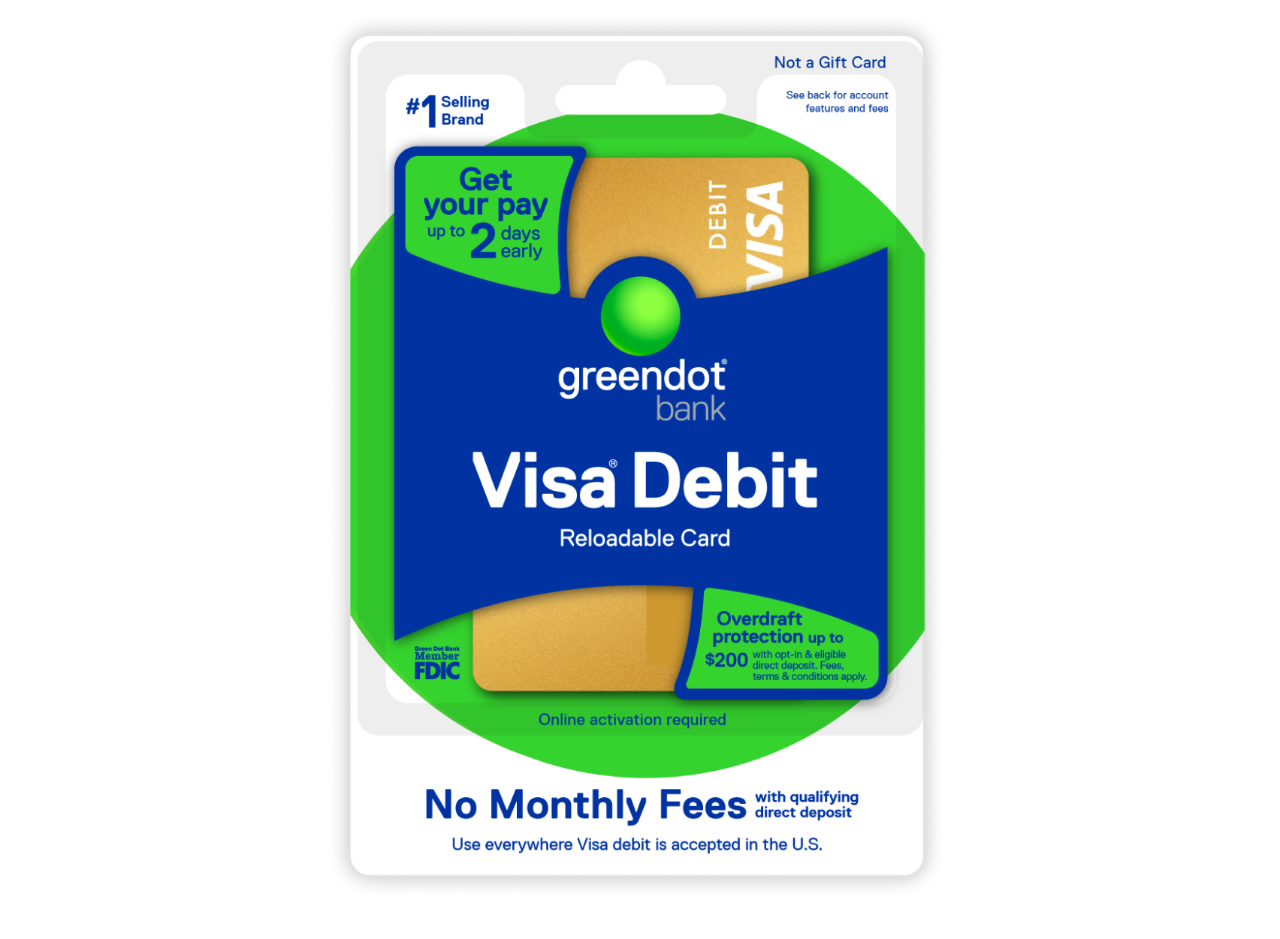
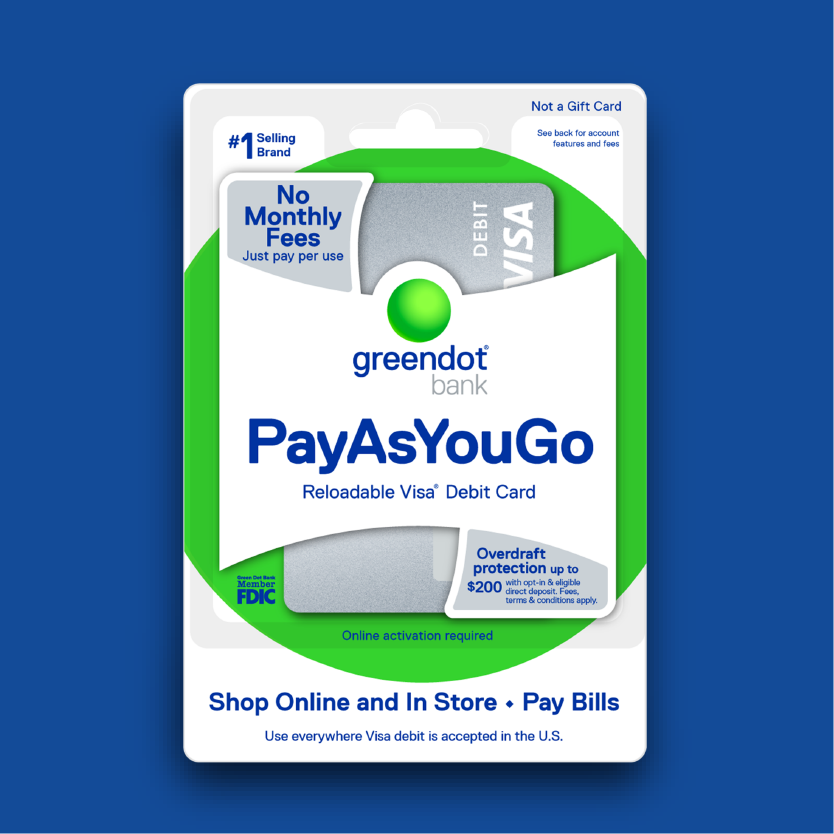
- Dedicated Prepaid Card Websites (e.g., Netspend, Green Dot, PayPal Prepaid, Chime): Many companies specialize solely in prepaid card services. Websites like Netspend, Green Dot, and PayPal Prepaid allow you to apply for a card online and have it mailed to you. These platforms often provide comprehensive digital banking features, including direct deposit, online bill pay, and robust mobile apps for managing your account. Chime, while more akin to a mobile bank, offers a Visa debit card that functions similarly to a reloadable card with direct deposit capabilities.
- Digital Payment Platforms (e.g., PayPal, Venmo): While primarily known for peer-to-peer payments, platforms like PayPal often offer associated reloadable prepaid debit cards. These cards are seamlessly integrated with your digital wallet, making it easy to transfer funds between your online balance and your physical card.
- Issuer Websites: Some financial institutions directly offer reloadable Visa cards through their websites, separate from their traditional banking products. These might include banks that partner with prepaid card providers.
Online acquisition offers the benefit of convenience, often a broader array of choices, and the ability to compare features and fees from the comfort of your home. However, you’ll need to wait for the card to be mailed, and activation typically involves an online registration process.
Banks and Credit Unions
While not their primary offering, some traditional banks and credit unions do offer their own reloadable prepaid Visa cards. These might be marketed as travel cards, student cards, or general-purpose reloadable cards.
- Advantages: If you already bank with an institution that offers such a card, it might provide seamless integration with your existing accounts for easy transfers and potentially waived fees. You also benefit from the familiarity and trust associated with established financial institutions.
- Considerations: The selection might be limited compared to specialized prepaid providers, and their fees or features might not always be as competitive. It’s worth checking with your current bank or local credit union to see if they have options that align with your needs.
Specialized Kiosks and Money Service Businesses
Less commonly, reloadable Visa cards can be found at specialized kiosks or through money service businesses, such as check-cashing stores or certain convenience stores.
- Convenience: These locations can be useful for immediate access, particularly in areas where major retailers or banks are scarce.
- Potential Drawbacks: They might offer a limited selection of brands, and transaction fees for purchases or reloads can sometimes be higher compared to other options. It’s always wise to inquire about all associated costs before committing to a purchase.
Key Considerations Before Making Your Purchase
Acquiring a reloadable Visa card is more than just picking the first option you see. A thoughtful approach involves scrutinizing various factors that impact the card’s overall cost-effectiveness, utility, and convenience.
Understanding Fees: Activation, Transaction, Reload, Monthly Maintenance
Fees are perhaps the most critical aspect to evaluate when choosing a reloadable Visa card. They can significantly impact the amount of money you effectively have access to.
- Activation Fee: A one-time fee charged when you first purchase and activate the card.
- Monthly Maintenance Fee: A recurring fee charged to keep the account open. Some cards waive this fee if you meet certain criteria, like setting up direct deposit or maintaining a minimum balance.
- Transaction Fees: Fees for specific actions, such as PIN transactions, signature transactions (less common now), or declined transactions.
- ATM Fees: Charges for withdrawing cash from ATMs, which can be levied by both the card issuer and the ATM owner.
- Reload Fees: Charges incurred each time you add money to the card, especially for cash reloads at retail locations. Direct deposits are often free.
- Foreign Transaction Fees: Fees for using the card internationally or for transactions in foreign currencies.
- Inactivity Fees: Some cards charge a fee if the card remains unused for a certain period.
Always read the cardholder agreement carefully to understand the full fee schedule. Comparing these across different providers can save you a substantial amount of money over time.
Reload Options and Convenience
The ease with which you can add funds to your card is paramount to its long-term usability.
- Direct Deposit: Many reloadable cards allow you to set up direct deposit for your paycheck, government benefits, or tax refunds. This is often the most convenient and cheapest (usually free) reload method.
- Cash Reload Networks: Services like Visa ReadyLink, Green Dot Reload @ the Register, or VanillaDirect provide networks of participating retailers (e.g., Walmart, CVS, Walgreens) where you can add cash to your card for a small fee.
- Bank Transfers: Some cards allow you to transfer funds from a linked bank account, either through online banking or an external transfer service.
- Mobile Check Deposit: Certain cards offer the ability to deposit checks using their mobile app by simply taking a picture of the check.
Consider your primary source of income and preferred method of funding to ensure the chosen card aligns with your lifestyle.
Features and Benefits: Online Bill Pay, ATM Access, Mobile App
Beyond basic spending, many reloadable Visa cards offer additional features that enhance their utility as a financial management tool.
- Online Bill Pay: The ability to pay bills directly from your card’s balance, often through a dedicated portal or the card’s mobile app.
- ATM Access: Confirm if the card allows cash withdrawals at ATMs and if there are any network-specific fees or surcharge-free ATMs available.
- Mobile App: A robust mobile app can provide convenience for checking balances, reviewing transaction history, setting up alerts, and even managing card locks/unlocks.
- FDIC Insurance: Ensure your card is FDIC-insured (typically through a partnering bank) to protect your funds up to the legal limit in case the issuing financial institution fails. This usually requires registering your card.
- Rewards Programs: A few reloadable cards might offer limited rewards, such as cashback on certain purchases, though this is less common than with credit cards.
KYC (Know Your Customer) and Registration Requirements
Most reloadable cards will function in a limited capacity upon purchase (e.g., for in-store purchases) but require full registration to unlock all features, protect your funds, and meet regulatory requirements. This typically involves providing:
- Full Name
- Address
- Date of Birth
- Social Security Number (or other taxpayer identification number)
- Government-Issued ID
This process is vital for fraud prevention and allows the issuer to comply with federal regulations. Without full registration, you may face lower spending limits, inability to reload, or lack of FDIC insurance.
Activating, Funding, and Optimizing Your Reloadable Card
Once you’ve purchased your reloadable Visa card and considered all the critical factors, the next steps involve activating it, adding funds, and implementing best practices to maximize its benefits and security.
Step-by-Step Activation Process
Activation is typically a straightforward process, often required before the card can be used.
- Locate Activation Instructions: These are usually found on a sticker on the front of the card, on the card packaging, or within the accompanying documentation.
- Visit the Website or Call the Number: Most cards offer online activation through a dedicated website or a toll-free customer service number.
- Provide Required Information: You’ll need to enter the card number, expiration date, and security code (CVV), along with your personal details for registration (as discussed in KYC requirements).
- Set a PIN: You’ll typically be prompted to create a Personal Identification Number (PIN) for ATM withdrawals and PIN-based purchases.
Ensure you complete the full registration process to unlock all card features and protect your funds.
Convenient Reload Methods
Having understood the various reload options, it’s time to put them into practice. Choose the method that best suits your financial flow:
- Direct Deposit: Provide your card’s routing and account numbers (found in your online account or documentation) to your employer or benefits provider. This is often the most efficient and cost-effective method.
- Cash Reload: Visit a participating retail location (e.g., Walmart, CVS). Hand your card and cash to the cashier, and they’ll process the reload, usually for a small fee.
- Bank Transfer: Initiate an ACH transfer from your bank account to your reloadable card’s account number, or use your bank’s bill pay feature if the card issuer is listed.
- Mobile Check Deposit: If available, use the card’s mobile app to snap photos of a check and deposit it electronically.
Regularly monitor your balance and schedule reloads as needed to avoid interruptions in your spending.
Maximizing Security and Fraud Protection
While reloadable cards offer inherent security benefits, adopting best practices can further safeguard your funds.
- Protect Your PIN: Never share your PIN with anyone, and avoid writing it down.
- Monitor Transactions Regularly: Utilize the mobile app or online portal to check your transaction history frequently. Report any unauthorized transactions immediately.
- Set Up Alerts: Many cards offer email or text alerts for transactions, low balances, or large purchases, helping you stay informed.
- Report Lost or Stolen Cards Promptly: If your card is lost or stolen, contact the issuer’s customer service immediately to report it and initiate a card replacement. Many registered cards offer protection against unauthorized use once reported.
- Be Wary of Scams: Treat your reloadable card like a bank account. Do not use it for payments to unknown individuals or in response to suspicious requests.
Managing Your Funds Effectively
Reloadable cards are powerful budgeting tools. Leverage their features to gain better control over your money:
- Categorize Spending: Assign different cards for different spending categories (e.g., one for groceries, one for entertainment) if feasible, to help track specific budgets.
- Set Spending Limits: Use the “only spend what’s loaded” feature to your advantage by intentionally loading only your budgeted amount for a period.
- Utilize Mobile Apps: Many apps offer visual breakdowns of spending, helping you identify areas where you might be overspending.
- Automate Savings (if available): Some cards offer sub-accounts or features to help you set aside money for specific savings goals.
By actively managing your reloadable Visa card, it transforms from a simple payment method into a robust personal finance management tool.
The Future and Practical Applications of Reloadable Visa Cards
As financial technology continues to evolve, reloadable Visa cards are not only keeping pace but also integrating into the broader digital payment ecosystem, cementing their role in personal finance.
Embracing Digital Wallets and Contactless Payments
Modern reloadable Visa cards are increasingly compatible with digital wallets such as Apple Pay, Google Pay, and Samsung Pay. This integration allows users to make secure, contactless payments using their smartphones or smartwatches, enhancing convenience and reducing the need to carry the physical card. This also opens doors for online purchases through these digital wallet platforms, further streamlining the payment process and adding an extra layer of security through tokenization. The future will likely see even deeper integration with various payment technologies, making these cards even more versatile.
Ideal Scenarios for Use
Reloadable Visa cards excel in several practical scenarios, addressing diverse financial needs:
- Strict Budgeting: For individuals committed to a budget, loading only the allotted amount for a specific period (e.g., weekly groceries, monthly entertainment) ensures strict adherence and prevents overspending.
- Online Shopping Security: They provide an excellent “firewall” for online transactions. By loading only the amount needed for a purchase, you minimize exposure to fraud on your primary bank account or credit cards.
- Travel Expenses: Managing travel budgets becomes easier. You can load funds for specific trip expenses and avoid carrying large amounts of cash, with the added benefit of global Visa acceptance.
- Allowances for Children/Teens: Reloadable cards offer a modern alternative to cash allowances, teaching financial responsibility and safe spending habits in a digital world, while parents retain oversight.
- Managing Freelance or Gig Economy Income: For those who receive income outside of traditional paychecks, these cards offer a reliable platform for direct deposits and managing expenses.
- Financial Inclusion for the Unbanked: By providing access to digital payments, bill pay, and secure transactions, reloadable cards empower individuals without traditional bank accounts to fully participate in the modern economy.
The Evolving Role in Personal Finance
The role of reloadable Visa cards in personal finance is continually expanding. They are not merely placeholders for cash but sophisticated financial instruments that promote financial literacy, security, and accessibility. As consumer preferences shift towards digital-first solutions and a greater demand for granular control over spending, reloadable cards are poised to become even more indispensable. Their adaptability to emerging payment technologies and their fundamental benefits of budgeting and security ensure their sustained relevance for a broad demographic, making them a cornerstone of modern, flexible money management.
In conclusion, knowing where to purchase a reloadable Visa card is just the beginning. The real value lies in understanding its features, fees, and how to effectively integrate it into your personal financial strategy to achieve greater control, security, and peace of mind.
aViewFromTheCave is a participant in the Amazon Services LLC Associates Program, an affiliate advertising program designed to provide a means for sites to earn advertising fees by advertising and linking to Amazon.com. Amazon, the Amazon logo, AmazonSupply, and the AmazonSupply logo are trademarks of Amazon.com, Inc. or its affiliates. As an Amazon Associate we earn affiliate commissions from qualifying purchases.