
Gift cards, whether received as thoughtful presents or purchased for personal use, represent tangible financial value. Yet, despite their widespread popularity, a surprising amount of this value often goes unclaimed or is forgotten, essentially becoming lost money. For anyone committed to sound personal finance, understanding the exact balance on a gift card isn’t just a matter of convenience; it’s a crucial step in effective money management, smart budgeting, and maximizing every dollar at your disposal. This guide delves into the essential methods and financial wisdom behind managing your gift card balances, ensuring you harness their full potential.
The Financial Imperative of Knowing Your Gift Card Balance
In the grand scheme of personal finance, every dollar counts. Gift cards, though often overlooked in traditional budgeting discussions, are a legitimate part of your financial ecosystem. Proactively checking their balances is a small habit with significant financial returns, preventing monetary waste and empowering more informed spending decisions.
Maximizing Value and Preventing Loss
The most straightforward financial benefit of knowing your gift card balance is the prevention of loss. Research consistently shows that billions of dollars in gift card value go unused annually. This is money that consumers have either paid for or received as a gift, which essentially evaporates if not utilized. By knowing the exact amount remaining, you eliminate guesswork and are empowered to spend every last cent. This vigilance is particularly important given that some gift cards have expiration dates, dormancy fees, or can be misplaced. Regularly checking balances allows you to use the funds before these financial risks materialize, ensuring you extract the full value intended. It’s a direct financial gain, akin to finding money you didn’t realize you had.
Smart Budgeting and Spending
Effective personal finance hinges on informed budgeting. A gift card balance, whether $5 or $500, can significantly impact your planned expenditures. Knowing you have $75 on a particular store’s gift card means you can allocate that amount towards a specific purchase, freeing up cash from your regular budget for other necessities or savings goals. Conversely, not knowing the balance could lead you to overspend from your bank account or miss an opportunity to use a gift card for a planned expense. This clarity allows for more precise financial planning, helping you stick to your budget and avoid unnecessary cash outflows. It transforms a nebulous potential discount into a concrete budget line item.
Avoiding Awkward Situations and Transaction Declines
Beyond the direct financial implications, there are practical financial benefits at the point of sale. Imagine presenting a gift card for a purchase, only for it to be declined due to insufficient funds, leaving you scrambling for an alternative payment method. This isn’t just an inconvenience; it can be an embarrassing moment that disrupts your financial transaction. For larger purchases, it can lead to unnecessary delays or even the abandonment of a sale if you’re unprepared. Proactively checking balances ensures smooth transactions, allowing you to confidently use the card knowing precisely how much it will cover. If the balance is less than the purchase price, you can mentally prepare to cover the difference with another payment method, maintaining financial composure and efficiency.
Primary Methods for Checking Gift Card Balances
While the specific steps might vary slightly from one issuer to another, the core methods for checking a gift card balance are remarkably consistent. Understanding these primary avenues will equip you to ascertain the value of virtually any gift card in your possession.
Online Balance Check (The Digital Gateway)
In our increasingly digital world, checking a gift card balance online has become the most common and often the most convenient method. This approach leverages technology to provide instant access to your card’s financial standing, often from the comfort of your home.
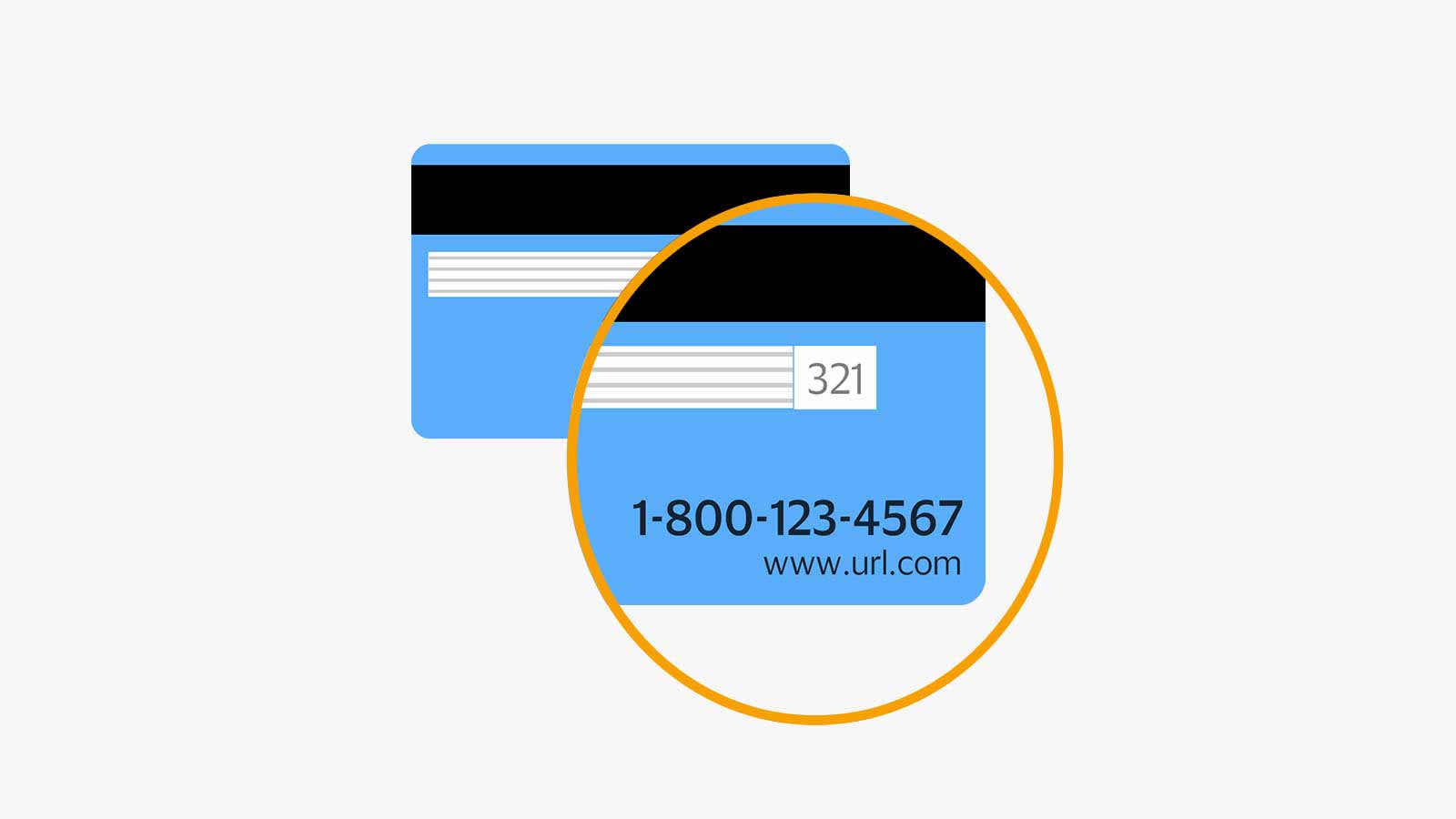
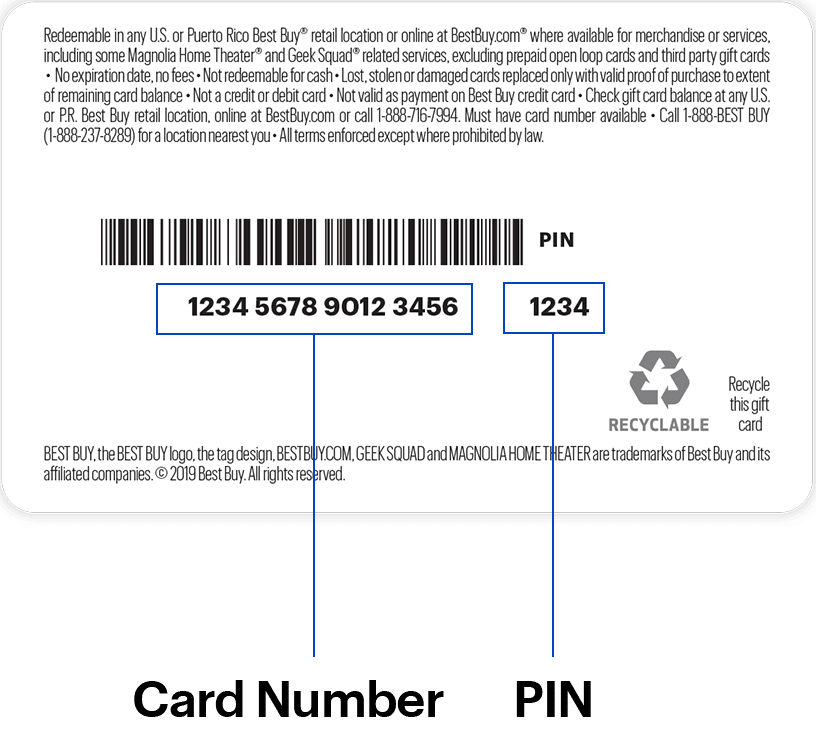
- Importance of the Card Number and PIN/Security Code: Almost all online balance checks require the unique gift card number, typically a 16-digit code found on the back of the card. Many cards also feature a PIN (Personal Identification Number) or a security code, often hidden under a scratch-off panel, which serves as a crucial layer of security, verifying that you are the legitimate holder of the card. Without these, the financial information cannot be accessed. It’s imperative to keep these details secure but accessible.
- Where to Find the Official Website: The most reliable place to find the balance check website is directly on the back of the gift card itself. Many cards print a specific URL or a customer service number that directs you to their balance inquiry portal. If not, a quick search for “[Merchant Name] gift card balance” or “[Network Name] gift card balance” (e.g., “Visa gift card balance”) will typically lead you to the correct, official site. Always ensure you are on a legitimate, secure website (look for ‘https://’ and a padlock icon) to protect your financial information.
- Step-by-Step Process:
- Locate the gift card number and PIN/security code on the back of your card.
- Navigate to the official balance check website (from the card or a trusted search).
- Enter the required information into the designated fields.
- Click “Check Balance” or a similar button.
- Your current balance will be displayed. It’s a good practice to screenshot or note down this balance for your financial records.
Phone Inquiry (Direct Customer Service)
For those who prefer direct interaction or encounter issues with online checks, calling customer service remains a highly effective method. This human-centric approach can be particularly helpful for resolving complex issues or understanding specific card terms.
- Locating the Toll-Free Number: Similar to the website, a toll-free customer service number is almost always printed on the back of the gift card. This number connects you directly to the issuer’s support line.
- Information Needed (Card Number, PIN): When you call, the automated system or a customer service representative will typically ask for your gift card number and potentially the PIN or security code to verify ownership. Have these readily available before you call to expedite the process.
- Benefits of Speaking to a Representative: While automated systems can often provide the balance, speaking directly with a representative offers additional advantages. They can help troubleshoot if there’s an issue with the card, explain expiration policies, clarify any fees, or even provide details on past transactions, offering a richer financial overview than a simple balance number. This level of detail can be crucial for comprehensive financial tracking.
In-Store Check (The Physical Touchpoint)
For gift cards intended for a specific physical retailer, checking the balance in person can be a quick and easy option, especially if you’re already at the store. This method bridges the gap between the digital and physical aspects of financial management.
- Visiting the Issuing Merchant: Simply take your gift card to any physical location of the merchant that issued it. For example, if you have a Starbucks gift card, visit a Starbucks store.
- Requiring a Staff Member to Scan/Input Details: Approach a cashier or customer service desk. Explain that you wish to check the balance on your gift card. The staff member will then typically scan the card’s barcode or manually enter the card number into their point-of-sale system to reveal the remaining balance.
- Convenience for Physical Store Cards: This method is particularly convenient for cards from local businesses or specific chains where you frequently shop. It eliminates the need for internet access or phone calls, offering immediate, on-the-spot financial information before you make a purchase. It ensures you know exactly what funds you have available before committing to a transaction.
Understanding Different Types of Gift Cards and Their Balance Checks

The landscape of gift cards is diverse, and while the core checking methods remain consistent, understanding the nuances of different types can streamline your financial management of these assets.
Merchant-Specific Gift Cards
These are cards issued by a particular retailer or service provider (e.g., Amazon, Apple, Gap, Sephora). Their value is generally restricted to purchases from that specific merchant.
- Direct Checking Methods: For merchant-specific cards, the balance check will always be directly through that merchant’s own platform. This means using their website (e.g., amazon.com/gc/balance), their dedicated customer service number, or visiting one of their physical store locations. The financial relationship is singular and direct, making the checking process focused on that specific brand’s channels. Often, if you have an online account with the merchant, you can even save the gift card and see its balance directly within your account profile, integrating it into your broader financial picture with that retailer.
Open-Loop Gift Cards (Visa, MasterCard, American Express, Discover)
Unlike merchant-specific cards, open-loop gift cards are branded by major credit card networks. They function much like debit cards and can be used almost anywhere the respective network is accepted, offering significant flexibility.
- Checking Via the Network’s Dedicated Portal: Because these cards are not tied to a single merchant, you’ll check their balance through the website or phone number of the network itself, not a specific store. For example, a Visa gift card’s balance would be checked on a Visa gift card website (often specified on the card), not a random retailer’s site. These sites are designed to handle the broad financial tracking required for these versatile cards. It’s crucial to use the official network site to ensure accuracy and security.
Digital Gift Cards (e-Gift Cards)
E-gift cards are electronic versions of traditional gift cards, typically delivered via email or SMS. They often come with a unique code that can be redeemed online or in-store.
- Balance Usually Tied to an Email Confirmation or Account: The initial email containing the e-gift card often includes a direct link to check the balance or instructions on how to do so. Many e-gift cards are also linked to a specific user account with the merchant once redeemed or partially used. For instance, an Amazon e-gift card might show its balance directly in your Amazon account’s gift card section.
- Accessing Through the Sender’s Email or Specific App/Website: Always refer back to the original email for the most reliable balance information. If the card was added to an app (like a Starbucks app), the balance will typically be displayed there. The key is that the digital nature often means the balance is dynamically updated and readily viewable within a digital interface, making it easy to track its financial value.
Best Practices for Gift Card Management and Financial Wisdom
Effectively managing gift cards goes beyond just checking balances; it involves integrating them into your broader personal finance strategy to ensure no value is lost and every dollar serves its purpose.
Keep Records and Receipts
Treat gift cards like cash or a temporary bank account. When you receive or purchase a gift card, make a note of the card number, PIN, the initial balance, and the date. If possible, keep the receipt of purchase. This financial accountability is invaluable if a card is lost, stolen, or if you dispute a transaction. Many issuers require proof of purchase or the card details to assist with recovery or balance inquiries. A simple spreadsheet or a dedicated folder for gift card information can save you significant financial heartache.
Spend Promptly
The easiest way to lose value on a gift card is to forget about it. The longer you hold onto a card, the higher the risk of misplacing it, it expiring (though less common now, some still do), or the issuing merchant going out of business. From a financial perspective, a gift card represents “money waiting to be spent.” Spend it sooner rather than later on something you genuinely need or want. This practice minimizes the financial risk of dormancy fees, expirations, or simply losing track of the asset.
Consolidate Balances (Where Possible)
Some retailers allow you to consolidate multiple small gift card balances onto a single card or even transfer them to your online account. For example, if you have two Starbucks cards with small balances, you can often combine them onto one card or into your Starbucks app. This is a brilliant financial strategy as it reduces the number of cards you need to track, minimizes the chance of losing small, forgotten balances, and makes it easier to use up every last dollar, maximizing the total value. It’s an organizational move that translates directly into better financial control.
Be Wary of Scams
Gift cards are a popular target for scammers. Be extremely cautious of unsolicited requests for gift card numbers or PINs. Never share these details with anyone you don’t implicitly trust or with unfamiliar websites or callers. Legitimate balance checks will only occur through the official channels outlined above. Scammers often pose as utility companies, government agencies, or tech support, demanding gift cards for payment, which is a significant red flag. Protecting your gift card information is akin to protecting your bank account details; it’s a vital part of safeguarding your personal finances from fraud.
Conclusion
Mastering the art of checking your gift card balances is a small but significant step in responsible personal finance. It transforms a potentially forgotten asset into a valuable financial tool, allowing for smarter budgeting, maximized value, and seamless transactions. By utilizing online portals, phone inquiries, or in-store checks, and adopting best practices for management, you can ensure that every gift card contributes positively to your financial well-being. Embrace these habits not just for convenience, but as an integral part of your strategy to manage and maximize every aspect of your monetary resources.
aViewFromTheCave is a participant in the Amazon Services LLC Associates Program, an affiliate advertising program designed to provide a means for sites to earn advertising fees by advertising and linking to Amazon.com. Amazon, the Amazon logo, AmazonSupply, and the AmazonSupply logo are trademarks of Amazon.com, Inc. or its affiliates. As an Amazon Associate we earn affiliate commissions from qualifying purchases.