
In the rapidly evolving landscape of modern finance, few names carry as much weight as Coinbase. Established in 2012, Coinbase has transformed from a radical experiment in digital currency into a publicly traded financial powerhouse that serves as the primary gateway for millions of investors entering the world of blockchain assets. For the personal finance enthusiast or the professional investor, understanding Coinbase is no longer optional; it is a fundamental requirement for navigating the 21st-century economy.
At its core, Coinbase is a secure online platform used for buying, selling, transferring, and storing digital currency. However, describing it merely as a “wallet” or an “exchange” fails to capture the breadth of its ecosystem. For many, Coinbase is the bridge between the traditional banking system—the world of dollars, euros, and cents—and the decentralized world of Bitcoin, Ethereum, and thousands of other digital assets.
Understanding Coinbase: The Gateway to Digital Asset Investing
Coinbase was founded with a clear mission: to create an open financial system for the world. In the early days of cryptocurrency, acquiring Bitcoin was a technical challenge that required significant computer literacy. Coinbase revolutionized this by creating a user interface that felt as familiar and intuitive as a standard banking app.
From Startup to Publicly Traded Powerhouse
The trajectory of Coinbase is a testament to the maturation of the cryptocurrency sector. In April 2021, Coinbase Global, Inc. went public on the Nasdaq via a direct listing under the ticker symbol COIN. This was a watershed moment for the “Money” niche, as it signaled the arrival of crypto-native companies into the mainstream financial establishment. As a regulated, US-based entity, Coinbase provides a level of transparency and accountability that many of its offshore competitors lack, making it the preferred choice for risk-averse investors and institutional players alike.
How Coinbase Simplifies the Crypto Experience
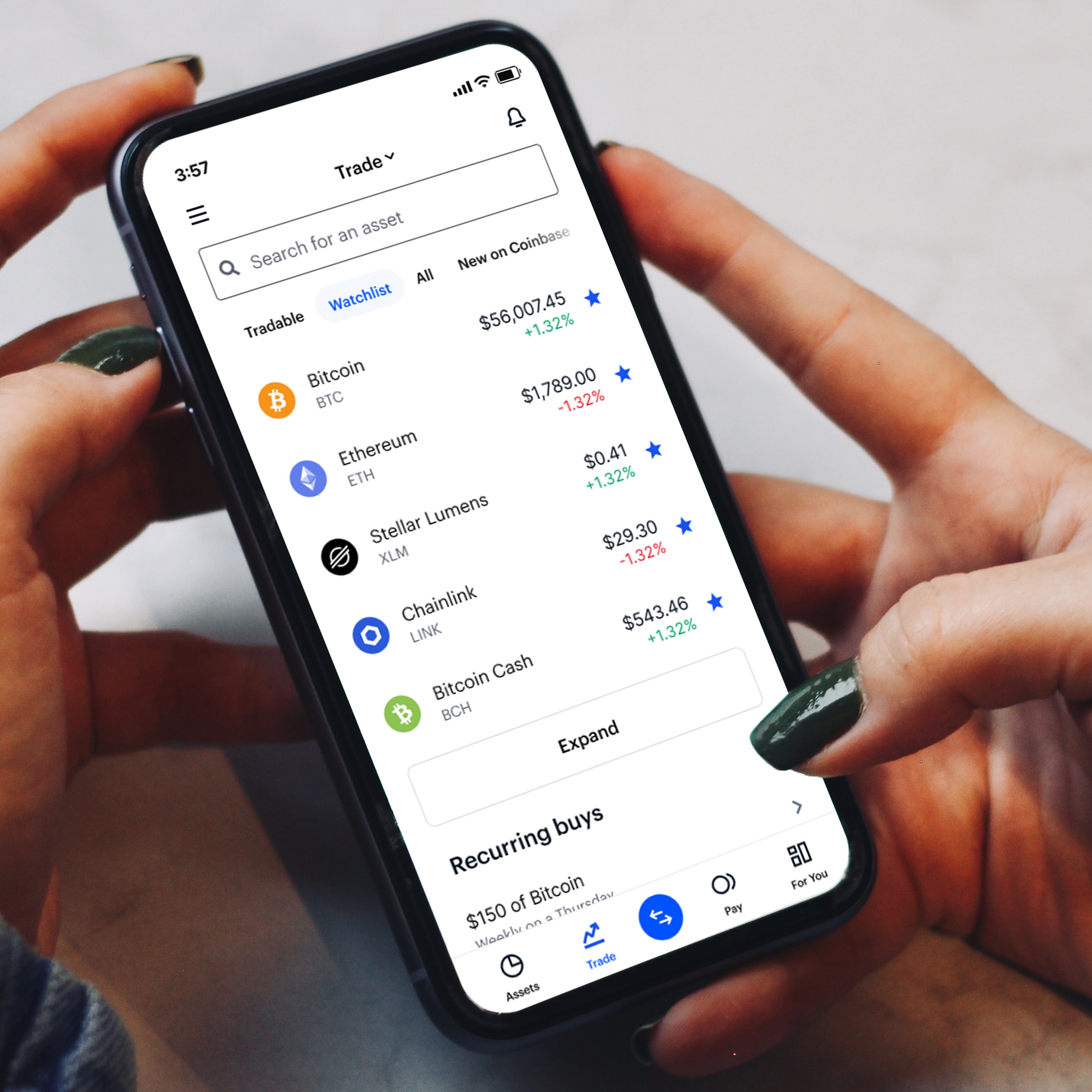
The primary appeal of Coinbase lies in its “on-ramp” capabilities. It allows users to link their traditional bank accounts, debit cards, or wire transfer services to a digital storefront. Once these accounts are linked, the process of purchasing a fractional share of a digital asset is as simple as a few clicks. This accessibility has democratized investing, allowing individuals to start with as little as a few dollars, fostering a new generation of micro-investors and side-hustlers.
Key Features for the Modern Personal Finance Portfolio
For those looking to grow their net worth or diversify their investment portfolio, Coinbase offers a suite of tools that go far beyond simple buying and selling. It has evolved into a comprehensive wealth management platform for the digital age.
Buying and Selling Digital Assets
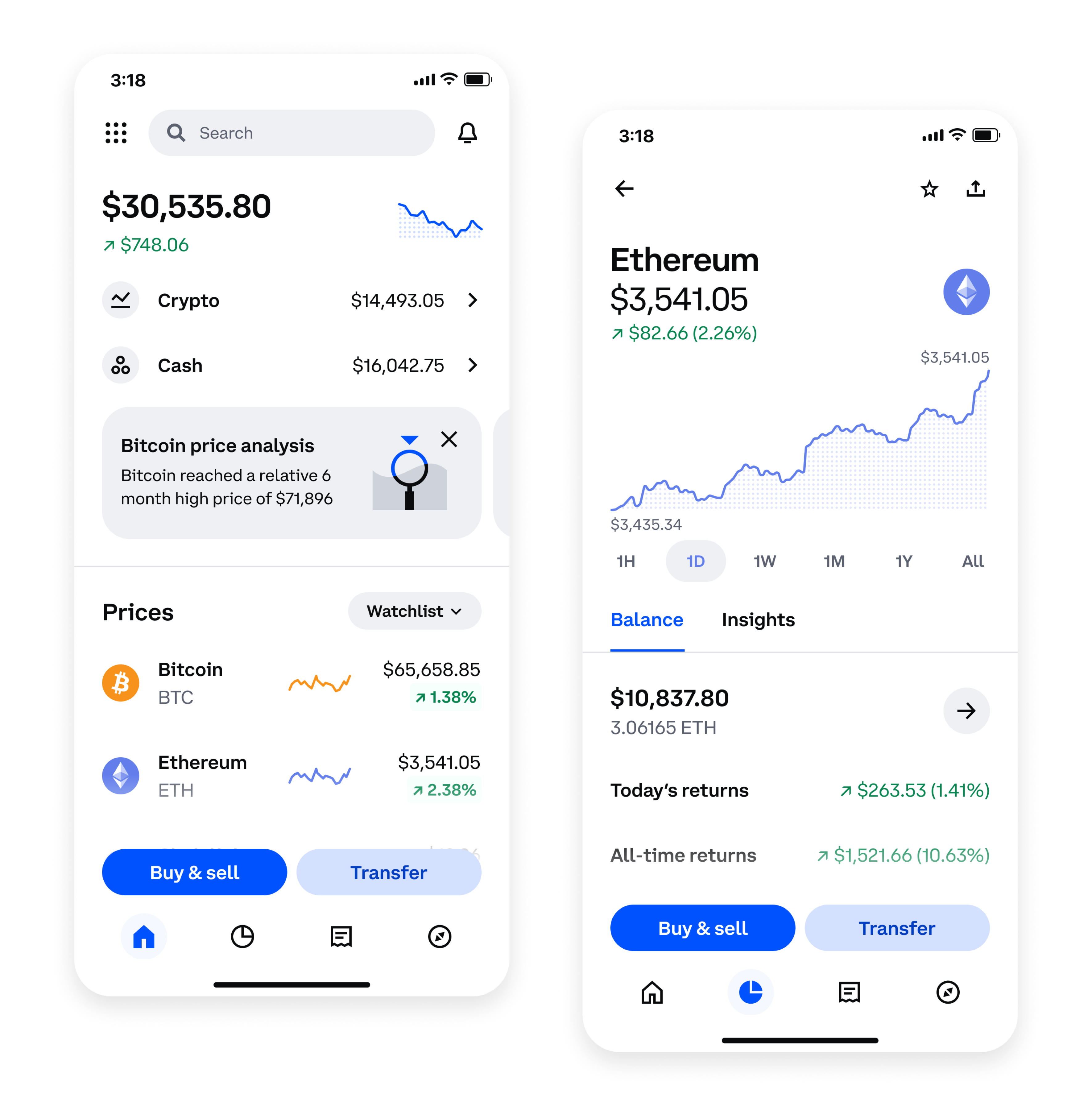
Coinbase supports a vast array of cryptocurrencies, ranging from market leaders like Bitcoin (BTC) and Ethereum (ETH) to stablecoins like USDC, which are pegged to the US dollar. The platform provides real-time price tracking, historical data, and educational resources to help investors make informed decisions. The ease of execution allows users to react quickly to market volatility, which is a hallmark of the crypto sector.
Coinbase Earn: Generating Passive Income Through Staking
One of the most compelling features for personal finance is “Coinbase Earn.” This feature allows users to earn interest—or “rewards”—on their holdings through a process known as staking. By participating in the validation of transactions on a blockchain network, users can receive a percentage yield on their assets. For an investor, this mirrors the concept of a high-yield savings account or a dividend-paying stock, providing a stream of passive income that can be reinvested to compound wealth over time.
The Coinbase Card: Bridging Digital Assets and Daily Spending
Coinbase has further integrated itself into daily financial life through the Coinbase Card, a Visa debit card that allows users to spend their crypto balance or USDC anywhere Visa is accepted. For many, this solves the “liquidity” problem of crypto, turning an investment into a spendable currency. Furthermore, the card often provides rewards in the form of crypto-back on purchases, effectively turning every grocery run or gas station visit into a micro-investment opportunity.
Security and Regulatory Compliance: Protecting Your Capital
In the world of online income and digital finance, security is the highest priority. Coinbase has built its reputation on being one of the most secure platforms in the industry, employing rigorous standards to protect user funds from theft and cyber-attacks.
Institutional-Grade Custody and Cold Storage
A significant majority of user assets on Coinbase are stored in “cold storage”—offline servers that are disconnected from the internet and protected by physical security. This makes them virtually impossible to hack remotely. For the portion of assets held online to facilitate liquidity, Coinbase maintains insurance policies to mitigate the risks of platform-wide breaches. This institutional-grade security provides peace of mind for individuals who may be wary of the “wild west” reputation of the broader crypto market.
Insurance and FDIC Coverage for Cash Balances
It is important for investors to distinguish between their crypto holdings and their cash balances. For US customers, Coinbase stores USD balances in accounts at FDIC-insured banks. While the cryptocurrencies themselves are not FDIC-insured, the cash waiting to be invested is protected up to standard limits ($250,000). This distinction is vital for financial planning, as it provides a layer of safety similar to that of a traditional brokerage or bank.
Regulatory Standing in a Changing Landscape
Unlike many international exchanges that operate in regulatory gray areas, Coinbase has proactively sought licenses and built relationships with regulators. It is registered as a Money Services Business with FinCEN and holds BitLicenses in New York, among other state-level certifications. For the serious investor, this compliance reduces “platform risk”—the danger that an exchange might be shut down or its assets frozen by government intervention.
Strategic Trading: Coinbase vs. Coinbase Advanced
As investors grow in their sophistication, their needs change. Coinbase recognizes this by offering two distinct experiences within the same ecosystem: the standard Coinbase app and Coinbase Advanced.
For the Beginner: The Standard Interface
The standard Coinbase interface is designed for simplicity. It hides the complexity of order books, limit orders, and technical indicators in favor of a clean “Buy/Sell” button. While this is perfect for the novice, it comes at a cost. The fees on the standard app are typically higher, as users pay a premium for the convenience and ease of use.
For the Experienced Trader: Advanced Tools and Lower Fees
Coinbase Advanced (formerly Coinbase Pro) is tailored for those who view crypto as a serious trading vehicle or a primary side hustle. It offers professional-grade charting tools, depth charts, and more complex order types (such as limit and stop orders). Crucially, the fee structure for Advanced is significantly lower and based on a maker-taker model. For an investor managing a large portfolio, switching to the Advanced interface can save thousands of dollars in transaction costs over the long term, directly impacting their bottom line.
Integrating Coinbase into Your Long-Term Financial Plan
Successful investing is rarely about “timing the market”; it is about “time in the market.” Coinbase provides several tools that align with established personal finance principles like Dollar-Cost Averaging (DCA) and diversification.
Dollar-Cost Averaging with Recurring Buys
One of the most effective ways to build wealth in a volatile market is through recurring buys. Coinbase allows users to automate their investments, purchasing a set amount of Bitcoin or Ethereum every week, bi-weekly, or month. This strategy removes the emotional stress of trying to buy at the “bottom” and ensures that the investor accumulates more assets when prices are low and fewer when prices are high, resulting in a lower average cost basis over time.
Diversification and Risk Management
While Bitcoin remains the “digital gold” of many portfolios, Coinbase provides the opportunity to diversify into different sectors of the blockchain economy, including Smart Contract platforms, Decentralized Finance (DeFi) protocols, and Gaming tokens. By spreading capital across different assets, an investor can mitigate the risk of a single project failing. Furthermore, the ability to store assets in the “Coinbase Wallet”—a separate, self-custody app—allows advanced users to take full control of their private keys, adhering to the “not your keys, not your coins” philosophy of financial sovereignty.
In conclusion, Coinbase is far more than a simple app; it is a comprehensive financial infrastructure. Whether you are a casual investor looking to put $50 into Bitcoin, a freelancer looking to get paid in crypto, or a seasoned trader seeking a regulated platform for high-volume activity, Coinbase provides the tools necessary to thrive in the modern financial era. By combining ease of use with robust security and a wide range of investment products, it remains the gold standard for anyone looking to navigate the intersection of technology and money.
aViewFromTheCave is a participant in the Amazon Services LLC Associates Program, an affiliate advertising program designed to provide a means for sites to earn advertising fees by advertising and linking to Amazon.com. Amazon, the Amazon logo, AmazonSupply, and the AmazonSupply logo are trademarks of Amazon.com, Inc. or its affiliates. As an Amazon Associate we earn affiliate commissions from qualifying purchases.