
Navigating the world of car financing can often feel like traversing a complex maze. One of the most critical factors influencing your car-buying decision, and indeed your long-term financial health, is the interest rate on your car loan. Understanding “what is the average car loan rate” isn’t just about knowing a number; it’s about comprehending the myriad factors that shape it, how it impacts your budget, and how you can position yourself to secure the most favorable terms possible. In an economy characterized by fluctuating interest rates and diverse lending options, an informed approach is your most powerful tool.
Understanding Car Loan Rates in Today’s Market
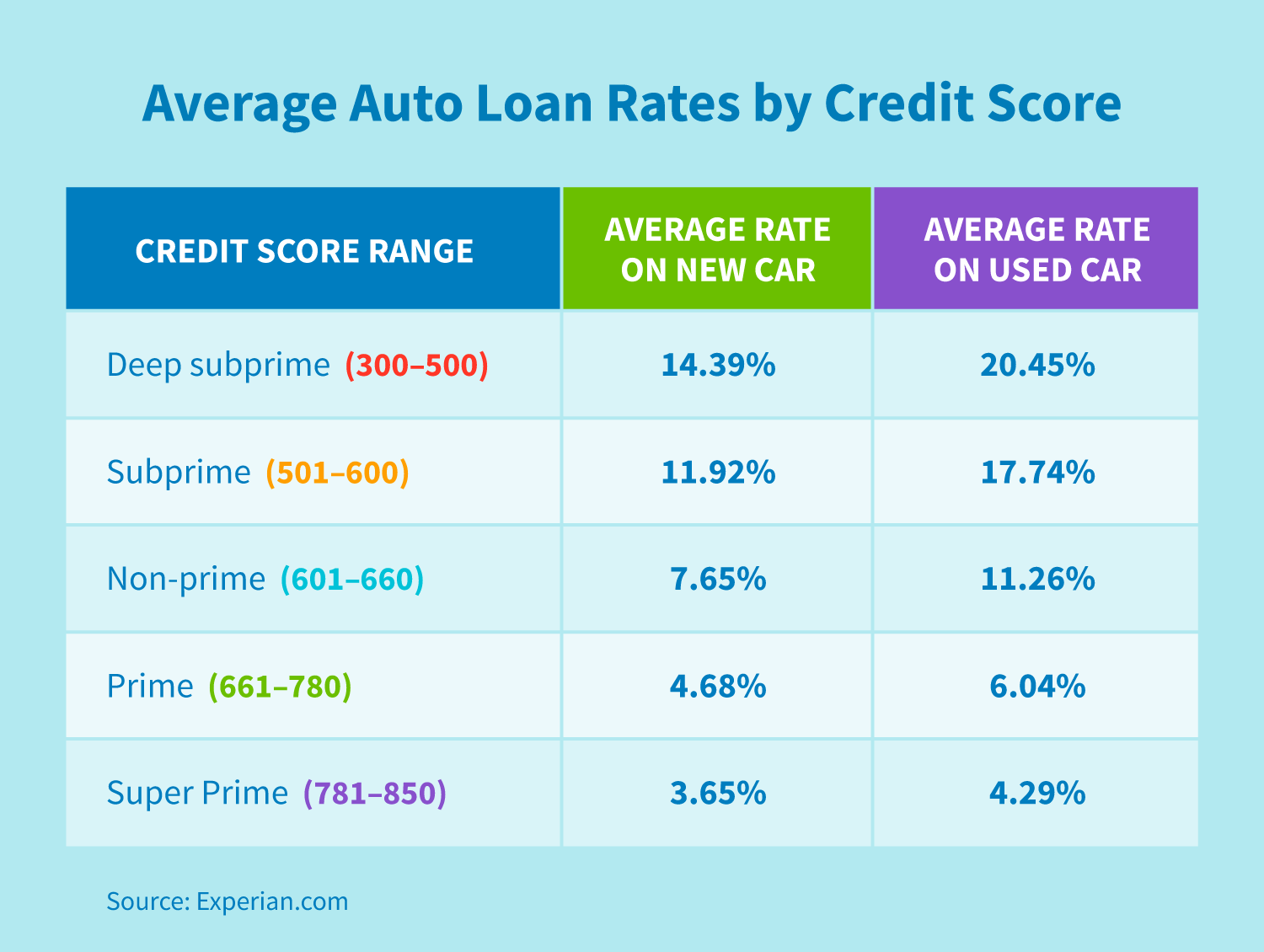
The “average” car loan rate is a dynamic figure, constantly influenced by broader economic indicators, lending policies, and individual borrower profiles. While general averages provide a useful benchmark, it’s crucial to understand that your personal rate can vary significantly. These averages typically differentiate between new and used vehicles, reflecting the differing risk profiles associated with each.
New vs. Used Car Loan Rates
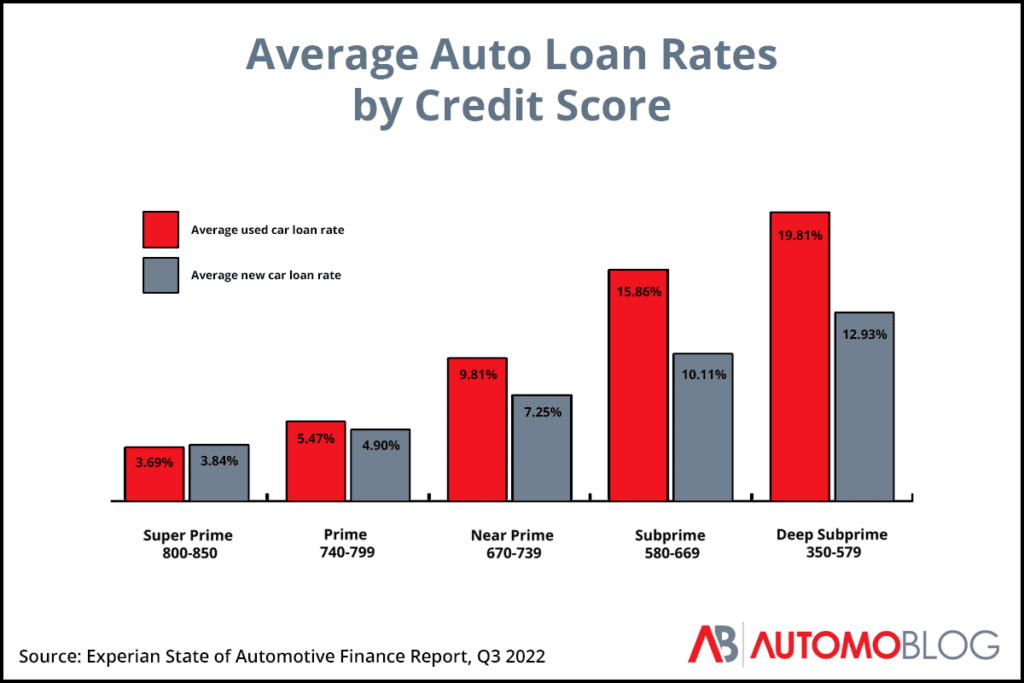
Historically, loans for new vehicles tend to carry lower interest rates than those for used vehicles. This disparity primarily stems from the perceived risk by lenders. New cars generally hold their value better in the initial years, come with manufacturer warranties, and have a clear, higher resale value if the lender needs to repossess and sell them. Used cars, conversely, have already depreciated, may have unknown maintenance histories, and are generally seen as a higher risk. This higher risk translates into a higher interest rate to compensate the lender. For instance, while a prime borrower might see a new car loan rate in the low single digits, a used car loan for the same borrower could be a few percentage points higher. These differences, even seemingly small, can add up to hundreds or thousands of dollars over the life of the loan.
The Role of Credit Scores
Perhaps the single most influential factor in determining your car loan rate is your credit score. Lenders use credit scores (like FICO or VantageScore) as a quick indicator of your creditworthiness – your likelihood of repaying the loan on time. A higher credit score signals lower risk, which typically results in lower interest rates.
- Excellent Credit (780-850): Borrowers in this tier usually qualify for the absolute best rates, often the advertised “teaser” rates.
- Good Credit (670-739): Still considered low-risk, these borrowers can expect competitive rates, though slightly higher than those with excellent credit.
- Fair Credit (580-669): Borrowers here will likely see moderate rates, as they represent a somewhat higher risk.
- Poor Credit (300-579): High-risk borrowers in this category will face significantly higher interest rates, and may even struggle to get approved for a loan from traditional lenders.
Understanding your own credit score before you begin shopping is paramount, as it sets the realistic expectation for what rates you can qualify for.
Key Factors Influencing Your Car Loan Rate
Beyond the general market averages and your credit score, a multitude of other specific factors converge to determine the exact interest rate you’re offered. Being aware of these elements allows you to better strategize and potentially improve your financial standing before approaching a lender.
Credit Score and History
As mentioned, your credit score is central. However, lenders also delve deeper into your credit history. They look at your payment history (missed payments are red flags), the length of your credit history (longer is generally better), your credit utilization (how much credit you’re using relative to your limits), and the types of credit you have (a mix of credit cards, mortgages, and other loans is often positive). A strong history of responsible borrowing across various credit types builds lender confidence and unlocks lower rates. Conversely, recent delinquencies, bankruptcies, or a high debt-to-income ratio will likely push rates higher.
Loan Term and Down Payment
The length of your loan (the loan term) and the size of your down payment are also critical.
- Loan Term: Shorter loan terms (e.g., 36 or 48 months) typically come with lower interest rates because the lender’s money is tied up for a shorter period, reducing their risk exposure to market fluctuations or your financial changes. Longer terms (e.g., 60, 72, or even 84 months) result in lower monthly payments but usually come with higher interest rates and a greater total cost of the car over time. Lenders perceive longer terms as higher risk due to potential depreciation exceeding the remaining loan balance.
- Down Payment: A larger down payment reduces the amount you need to borrow, thus reducing the lender’s risk. This often translates into a lower interest rate. A substantial down payment also signifies financial stability on your part, further encouraging lenders to offer better terms. Aiming for at least 10-20% of the car’s value is generally recommended.
Economic Conditions and Lender Type
Broader economic conditions play a significant role. When the Federal Reserve raises interest rates to combat inflation, it typically leads to higher borrowing costs across the board, including car loans. Conversely, in periods of economic stimulus, rates might be lower. The type of lender you choose also matters:
- Banks: Offer competitive rates, especially for borrowers with excellent credit.
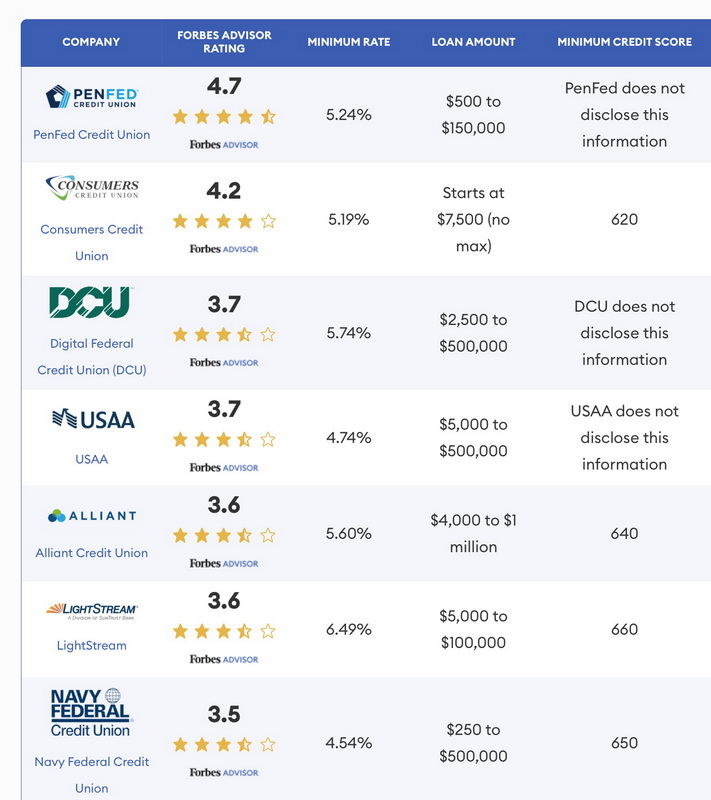
- Credit Unions: Often known for offering slightly lower rates and more flexible terms than traditional banks, as they are non-profit organizations focused on member benefits.
- Dealerships: While convenient, dealership financing (often through captive finance companies like Ford Credit or Toyota Financial Services) may not always offer the best rates unless they have special promotions for new cars. However, they can sometimes be more lenient with lower credit scores.
- Online Lenders: A growing option, offering quick pre-approvals and competitive rates, often allowing for easy comparison shopping.
Strategies for Securing the Best Car Loan Rate
Armed with the knowledge of what influences car loan rates, you can proactively implement strategies to improve your chances of securing the most favorable terms available. A little preparation and diligent shopping can save you thousands over the life of your loan.
Pre-Approval and Comparison Shopping
One of the most effective strategies is to get pre-approved for a loan before you step into a dealership. This involves applying for a loan with several different lenders (banks, credit unions, online lenders) to see what rates they offer you.
- Benefits of Pre-Approval: It gives you a concrete interest rate offer, allowing you to walk into the dealership knowing your baseline financing option. This shifts the focus from financing to the car’s price, giving you significant leverage. It also clarifies your budget, preventing you from falling in love with a car you can’t truly afford.
- Comparison Shopping: Don’t settle for the first offer. Apply to at least 3-5 lenders. Multiple credit inquiries for the same type of loan within a short period (typically 14-45 days, depending on the scoring model) are usually treated as a single inquiry, minimizing the impact on your credit score. This allows you to truly compare rates and terms.
Optimizing Your Financial Profile
Taking steps to improve your creditworthiness before applying for a loan can directly lead to lower interest rates.
- Check Your Credit Report: Obtain free copies of your credit report from Equifax, Experian, and TransUnion via AnnualCreditReport.com. Review them for errors and dispute any inaccuracies, as these can negatively impact your score.
- Improve Your Credit Score: Pay all your bills on time, especially credit card payments. Reduce your credit card balances to lower your credit utilization ratio. Avoid opening new lines of credit just before applying for a car loan, as this can temporarily ding your score.
- Increase Your Down Payment: The more you can put down upfront, the less you need to borrow, and the lower your monthly payments will be. It also signals financial stability to lenders, potentially earning you a better rate.
Negotiating Smartly
When at the dealership, remember that you’re negotiating two separate things: the price of the car and the terms of the loan.
- Negotiate Car Price First: Focus solely on getting the best purchase price for the vehicle before discussing financing. Once you agree on a price, you can then compare the dealer’s financing offer against your pre-approved rates.
- Understand All Loan Details: Don’t just look at the monthly payment. Scrutinize the interest rate, the total loan amount, any fees, and the loan term. Be wary of extended warranties or add-ons that are folded into the loan, as they increase the total amount financed and thus the interest paid.
The Long-Term Impact of Your Car Loan Rate
The interest rate on your car loan might seem like a small percentage, but its long-term impact on your finances can be substantial. Understanding this broader picture helps you make more financially sound decisions.
Total Cost of Ownership
A higher interest rate doesn’t just mean a slightly higher monthly payment; it significantly increases the total amount you pay for the car over the life of the loan. For example, on a $30,000 car financed over 60 months:
- At 3% interest: Monthly payment ~$539, Total interest ~$2,340, Total cost ~$32,340
- At 8% interest: Monthly payment ~$608, Total interest ~$6,480, Total cost ~$36,480
This seemingly small difference of 5 percentage points in the interest rate translates to over $4,000 more in interest paid. This additional cost is money that could have been saved, invested, or used for other financial goals. Always calculate the total cost of the loan, not just the monthly payment.
When to Consider Refinancing
Even if you secured a car loan previously, your circumstances or market conditions might have changed, making refinancing a viable option.
- Improved Credit Score: If your credit score has significantly improved since you first took out the loan, you might qualify for a lower interest rate now.
- Lower Market Rates: General interest rates might have dropped since your original loan.
- Desire for Lower Payments: While often resulting in paying more interest overall, refinancing to a longer term can reduce your monthly payments if you’re experiencing financial strain.
- Change in Financial Situation: If you’ve paid down other debts or received a raise, you might be able to afford a shorter term with a lower interest rate, saving money.
Refinancing involves taking out a new loan to pay off your existing car loan, ideally at a better rate or with more favorable terms. Always calculate the potential savings and consider any fees associated with refinancing before committing.
Navigating the Application Process and Avoiding Pitfalls
The car loan application process, while straightforward for many, can be fraught with potential missteps that could cost you money. Being prepared and cautious can safeguard your financial interests.
Common Mistakes to Avoid
- Focusing Only on Monthly Payments: This is a classic trap. A dealer might offer a low monthly payment by extending the loan term significantly or by adding costly extras, making the total cost much higher. Always ask for the total price, the interest rate, and the loan term.
- Not Shopping Around: Settling for the first financing offer, especially from a dealership, almost guarantees you won’t get the best rate. Multiple loan offers give you negotiating power.
- Ignoring Your Credit Report: Assuming your credit is good without checking it can lead to surprises and missed opportunities for better rates.
- Rolling Negative Equity into a New Loan: If you’re trading in a car that you owe more on than its worth (negative equity), avoid rolling that amount into your new car loan if possible. This means you’ll be paying interest on a “car” you no longer own, starting your new loan underwater.
- Skipping the Down Payment: While zero-down loans are tempting, they increase your loan amount, interest paid, and put you at risk of owing more than the car is worth as soon as you drive off the lot.
Essential Documents and Information
When applying for a car loan, be prepared to provide certain documentation and information:
- Personal Information: Government-issued ID, Social Security number, proof of residency.
- Income Verification: Pay stubs, W-2s, tax returns (especially for self-employed individuals).
- Employment History: Current employer details, possibly previous employment.
- Debt Information: Details of existing debts like mortgages, credit cards, student loans.
- Vehicle Information: For a specific car, you’ll need its VIN, make, model, and year.
Understanding what is the average car loan rate is merely the starting point. A comprehensive understanding of the influencing factors, combined with proactive strategies and careful navigation of the lending landscape, empowers you to make a financially savvy decision that serves your budget and long-term financial goals.
aViewFromTheCave is a participant in the Amazon Services LLC Associates Program, an affiliate advertising program designed to provide a means for sites to earn advertising fees by advertising and linking to Amazon.com. Amazon, the Amazon logo, AmazonSupply, and the AmazonSupply logo are trademarks of Amazon.com, Inc. or its affiliates. As an Amazon Associate we earn affiliate commissions from qualifying purchases.