
Navigating the landscape of car financing can often feel like deciphering a complex financial puzzle. Among the most crucial pieces of this puzzle is the Annual Percentage Rate (APR). Far more than just an interest rate, the APR represents the true annual cost of borrowing money, encompassing not only the interest but also certain fees charged by the lender. Understanding what constitutes an average APR for a car loan, and more importantly, what factors influence the rate you personally receive, is fundamental to making an informed and financially sound vehicle purchase.
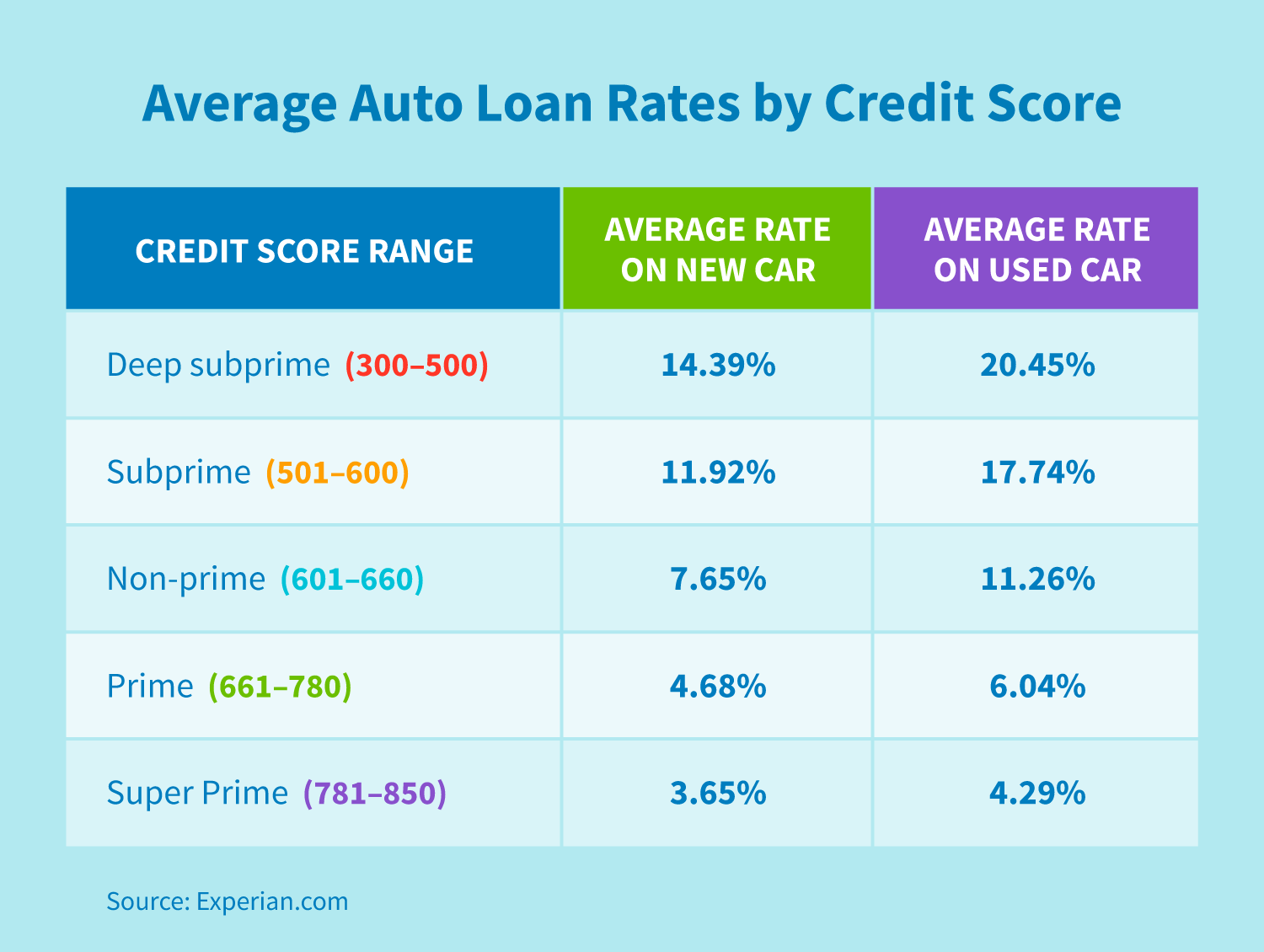
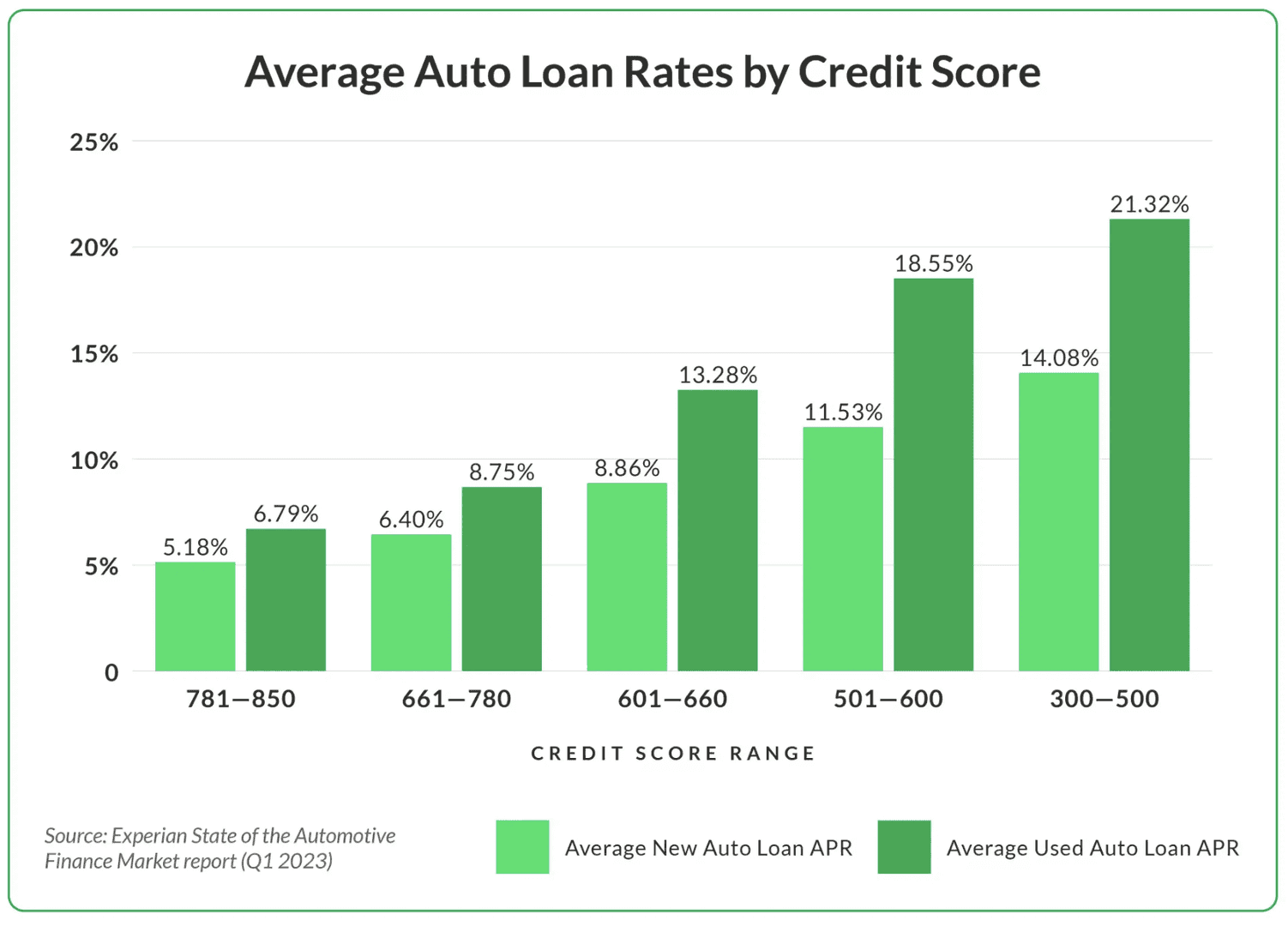
The “average” APR for a car loan is a dynamic figure, constantly shifting due to economic conditions, market forces, and individual borrower profiles. It’s a benchmark, not a guarantee, and real-world rates can vary dramatically. For instance, according to industry reports from credit bureaus like Experian, average new car loan APRs have historically hovered in the range of 4-7% for borrowers with excellent credit, while used car loan APRs typically run higher, often between 5-10% for the same credit tier, reflecting the higher perceived risk associated with financing pre-owned vehicles. For those with less-than-stellar credit, these averages can climb significantly, sometimes reaching into the double digits or even higher. This wide spectrum underscores why relying solely on a national average can be misleading and why a deeper dive into the mechanics of car loan APRs is essential for every prospective car buyer.
Deconstructing the Average: Key Factors Influencing Your Car Loan APR
The APR you’re offered on a car loan is not a static number but rather a personalized calculation based on a multitude of variables. Lenders meticulously assess these factors to determine the risk associated with lending to you, and that risk assessment directly translates into your quoted interest rate. Understanding these influencing factors empowers you to optimize your financial standing before even stepping into a dealership or submitting an application.
Your Credit Score: The Cornerstone of Your Rate
Undoubtedly, your credit score is the single most impactful factor in determining the APR you qualify for. Lenders use this three-digit number to gauge your creditworthiness – your history of borrowing and repayment. A higher credit score signals a lower risk to lenders, indicating a strong track record of responsible financial behavior.
- Excellent Credit (780+): Borrowers in this tier typically receive the lowest APRs, often qualifying for prime rates or even promotional offers. Lenders view them as highly reliable.
- Good Credit (670-739): Still considered low-risk, individuals with good credit scores can expect competitive rates, though slightly higher than those with excellent credit.
- Fair Credit (580-669): Borrowers in this range may find themselves offered higher APRs as lenders perceive a moderate risk. Options might be more limited, and rates could be significantly above the prime average.
- Poor Credit (Below 580): This tier presents the greatest challenge. Lenders will offer substantially higher APRs to offset the increased risk of default. In some cases, securing a loan without a co-signer or significant down payment might be difficult.
Even a difference of 50-100 points in your credit score can translate into several percentage points on your APR, which can add up to thousands of dollars over the life of the loan.
Loan Term: The Duration of Your Repayment
The length of your loan, or the loan term, also plays a crucial role in your APR. While longer loan terms (e.g., 72 or 84 months) reduce your monthly payments, making a car more “affordable” on a month-to-month basis, they often come with higher APRs.
- Shorter Terms (24-48 months): Generally carry lower APRs because the lender’s money is tied up for a shorter period, reducing their exposure to risk over time. You pay less interest overall, but your monthly payments will be higher.
- Longer Terms (60-84 months): Often come with higher APRs. Lenders face a greater risk that your financial situation might change, or the car’s value might depreciate significantly beyond the outstanding loan balance over a longer period. While monthly payments are lower, the total interest paid over the life of the loan is substantially higher.
It’s a delicate balance between monthly affordability and the total cost of borrowing.
New vs. Used Car: The Asset’s Value and Risk
The type of vehicle you’re financing also influences the APR. Lenders often perceive used cars as carrying a higher risk than new cars for several reasons:
- Depreciation: Used cars have already undergone significant depreciation, and their future value can be less predictable than a new car.
- Reliability: Used cars may be more prone to mechanical issues, which could impact the borrower’s ability to make payments if unexpected repair costs arise.
- Collateral Value: In the event of default, a used car’s resale value might be lower, making it less desirable as collateral.
Consequently, average APRs for used car loans are typically 1-3 percentage points higher than those for new car loans, even for borrowers with identical credit scores.
Down Payment and Loan-to-Value (LTV) Ratio
A substantial down payment not only reduces the amount you need to borrow but also signals to lenders that you are financially committed to the purchase and less likely to default. This reduces the lender’s risk exposure.
- Higher Down Payment: Leads to a lower loan-to-value (LTV) ratio (the amount borrowed relative to the car’s value). A lower LTV means the lender has a smaller principal at risk and better protection in case of default, often resulting in a lower APR.
- No Down Payment/Low Down Payment: Increases the LTV, meaning the lender is financing a larger proportion of the car’s value. This higher risk can lead to a higher APR. Aiming for at least 10-20% down on a new car and 20% or more on a used car is generally advisable.
Debt-to-Income (DTI) Ratio
Lenders also look at your debt-to-income (DTI) ratio, which compares your total monthly debt payments to your gross monthly income. A high DTI suggests that a significant portion of your income is already allocated to existing debt, potentially limiting your ability to take on new obligations like a car loan. A lower DTI ratio indicates more financial flexibility and a greater capacity to handle new debt, making you a more attractive borrower and potentially qualifying you for a lower APR. Lenders typically prefer a DTI ratio below 43%, though it can vary by institution and loan type.
Strategies to Secure a Favorable Car Loan APR
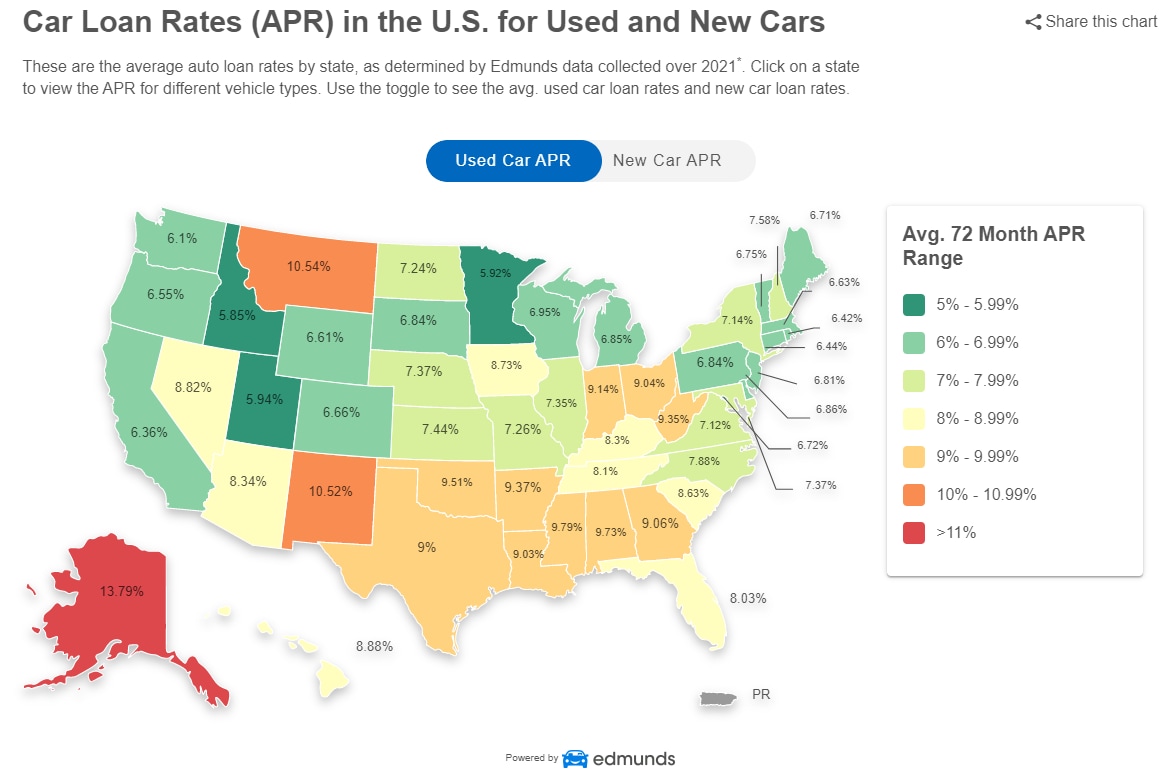
While some factors like current market rates are beyond your control, there are several proactive steps you can take to improve your chances of securing the best possible car loan APR. A little preparation can go a long way in saving you money over the life of your loan.
Improve Your Credit Score
Given its paramount importance, improving your credit score should be a top priority if you’re not in the “excellent” or “good” tiers.
- Pay Bills on Time: Payment history is the biggest factor in your credit score. Make sure all your credit card, loan, and utility payments are made by their due dates.
- Reduce Existing Debt: Lowering your credit utilization ratio (the amount of credit you’re using versus your total available credit) can significantly boost your score. Pay down credit card balances.
- Avoid New Credit Applications: Each new application results in a hard inquiry, which can temporarily ding your score. Try to consolidate applications if possible.
- Check Your Credit Report for Errors: Obtain free copies of your credit report from Equifax, Experian, and TransUnion (via AnnualCreditReport.com) and dispute any inaccuracies. Correcting errors can quickly improve your score.
Shop Around for Lenders and Get Pre-Approved
Never accept the first loan offer you receive, especially from a dealership. Different lenders have different underwriting criteria and risk assessments, leading to varying APRs.
- Compare Multiple Offers: Apply with various institutions, including traditional banks, credit unions, and online lenders. Credit unions, in particular, often offer competitive rates.
- Get Pre-Approved: Obtaining pre-approval from a few lenders before you even visit a dealership gives you a solid understanding of the rate you qualify for. This puts you in a stronger negotiating position with the dealership, as you have an outside offer to compare against their financing options. Multiple inquiries for the same type of loan within a short period (typically 14-45 days, depending on the credit scoring model) are usually treated as a single inquiry, minimizing the impact on your credit score.
Make a Substantial Down Payment
As discussed, a larger down payment reduces the amount you need to borrow, thereby lowering the lender’s risk and often leading to a better APR. Aim for at least 10-20% for a new car and 20% or more for a used car. If you can save up more, it’s almost always a wise financial move. This also means you’ll pay less interest over the loan term and build equity faster.
Choose the Shortest Loan Term You Can Afford
While a longer loan term offers lower monthly payments, it typically comes with a higher APR and significantly more interest paid over the life of the loan. If your budget allows, opt for a shorter term (e.g., 48 or 60 months instead of 72 or 84). Calculate your monthly payments for different terms and choose the shortest one that fits comfortably within your budget without stretching you too thin.
Consider a Co-signer if Necessary
If your credit score is fair or poor, or you have a limited credit history, a co-signer with excellent credit can significantly improve your chances of getting approved for a loan and securing a lower APR. A co-signer essentially guarantees the loan, taking on the responsibility for repayment if you default. However, this is a serious commitment for the co-signer, as it impacts their credit and financial obligations, so it should be considered carefully.
The Long-Term Impact of APR on Your Car Loan
Understanding the “average” APR is one thing, but comprehending its long-term financial ramifications is another. A seemingly small difference in APR can translate into substantial savings or additional costs over the life of your car loan, profoundly affecting your overall financial health.
Total Cost of the Loan
The APR directly dictates the total amount of interest you will pay over the life of the loan. Even a difference of one or two percentage points can accumulate into hundreds or even thousands of dollars.
Example:
-
Loan Amount: $30,000
-
Loan Term: 60 months (5 years)
-
Scenario A: APR of 5%
- Estimated Monthly Payment: ~$566
- Total Interest Paid: ~$3,960
- Total Cost of Car: $33,960
-
Scenario B: APR of 7%
- Estimated Monthly Payment: ~$594
- Total Interest Paid: ~$5,640
- Total Cost of Car: $35,640
In this example, a 2% difference in APR results in nearly $1,700 more in interest paid over five years. Imagine the impact over a 72- or 84-month term! This additional cost could otherwise be used for savings, investments, or other financial goals.
Impact on Monthly Payments and Budgeting
While the total cost is crucial, the APR also directly influences your monthly payment. A higher APR means a larger portion of your monthly payment goes towards interest, leaving less to reduce the principal. This can make a car feel less affordable, potentially straining your monthly budget. Conversely, a lower APR frees up more of your payment to pay down the principal, accelerating your path to ownership and providing more breathing room in your budget. It’s essential to calculate monthly payments at different APRs to understand their real impact on your cash flow.
Building Equity in Your Vehicle
Equity is the difference between your car’s market value and the amount you still owe on the loan. A lower APR helps you build equity faster because more of your early payments go towards reducing the principal balance rather than just covering interest. Rapid equity building is beneficial because it reduces the risk of being “upside down” on your loan (owing more than the car is worth), which can be a significant problem if you need to sell the car or if it’s totaled in an accident. A higher APR, by contrast, slows down equity accumulation, keeping you in a more precarious financial position for longer.
In conclusion, the “average APR for a car loan” is a helpful guideline, but it’s merely a starting point. Your personal APR will be a reflection of your unique financial profile, the vehicle you choose, and the current economic climate. By understanding the factors that influence your rate and implementing strategies to improve your creditworthiness and shop intelligently, you can significantly reduce the cost of financing your next vehicle. Taking the time to secure a favorable APR is one of the most impactful financial decisions you can make when purchasing a car, setting you on a path to greater savings and financial control.
aViewFromTheCave is a participant in the Amazon Services LLC Associates Program, an affiliate advertising program designed to provide a means for sites to earn advertising fees by advertising and linking to Amazon.com. Amazon, the Amazon logo, AmazonSupply, and the AmazonSupply logo are trademarks of Amazon.com, Inc. or its affiliates. As an Amazon Associate we earn affiliate commissions from qualifying purchases.