
For many, purchasing a car represents a significant financial commitment and a necessary one. Whether it’s a brand-new sedan, a reliable used SUV, or a sleek electric vehicle, the vast majority of car buyers rely on financing to make their automotive dreams a reality. At the heart of this financing is the car loan rate, a seemingly simple percentage that holds immense power over the total cost of your vehicle and your monthly budget. Understanding what a car loan rate is, how it’s determined, and how to secure the most favorable terms is paramount for any savvy consumer. It’s not just about the sticker price; it’s about the true cost of ownership over the lifetime of the loan, heavily influenced by this critical rate.
This guide delves deep into the intricacies of car loan rates, empowering you with the knowledge to navigate the complex world of automotive financing with confidence and financial acumen. From deciphering the components of an interest rate to strategic approaches for securing the best deal, we aim to transform a potentially daunting process into an informed financial decision.
Decoding Car Loan Rates: More Than Just a Number
At its core, a car loan rate is the cost of borrowing money to purchase a vehicle, expressed as a percentage of the loan amount. However, this single figure encapsulates a multitude of financial factors and can appear in different forms. Grasping these nuances is the first step toward smart auto financing.
The Anatomy of an Auto Loan Interest Rate
An interest rate is the percentage charged by a lender for the use of borrowed money. For a car loan, it dictates how much extra you’ll pay on top of the principal amount (the actual price of the car you’re financing). This rate is typically expressed annually. So, if you borrow $20,000 at a 5% interest rate, you would pay $1,000 in interest for that year, assuming no payments were made and simple interest was applied (though car loans use amortizing schedules, meaning interest is calculated on the remaining principal).
Lenders factor in various elements when setting your specific interest rate. These often include the lender’s cost of funds, operational expenses, risk assessment (primarily based on your creditworthiness), and their desired profit margin. Understanding these underlying components helps demystify why rates can vary significantly from one borrower or lender to another.
APR vs. Interest Rate: Understanding the Difference
While often used interchangeably, the Annual Percentage Rate (APR) and the interest rate are distinct, though related, concepts. The interest rate is simply the cost of borrowing money from the lender. The APR, however, provides a more comprehensive picture of the total cost of the loan. It includes the interest rate PLUS any additional fees associated with the loan, such as origination fees, application fees, or other charges rolled into the financing.
For instance, a loan might have a 4.5% interest rate, but if it comes with significant fees, its APR could be 4.8% or even higher. When comparing loan offers, the APR is the more accurate metric to use as it allows for an apples-to-apples comparison of the true cost of borrowing across different lenders. Always ask for and compare the APR, not just the quoted interest rate.
Fixed vs. Variable Rates: What to Expect
Car loans typically come with one of two rate structures:
- Fixed-Rate Loans: The most common type for car financing, a fixed-rate loan means your interest rate remains constant throughout the entire loan term. Your monthly principal and interest payment will never change, providing predictability and stability for your budget. This consistency is highly valued by consumers who prefer knowing exactly what to expect each month.
- Variable-Rate Loans: Less common for standard car loans, variable-rate loans feature an interest rate that can fluctuate over the loan term. These rates are usually tied to a benchmark index (like the prime rate) and adjust periodically. While a variable rate might start lower than a fixed rate, it carries the risk that your payments could increase if interest rates rise in the broader market. Due to the relative predictability desired in auto loans, fixed rates dominate the market.
Key Factors Influencing Your Car Loan Rate
The loan rate you qualify for isn’t arbitrary; it’s a direct reflection of a lender’s assessment of risk and market conditions. Several crucial factors coalesce to determine the percentage you’ll pay. Being aware of these elements empowers you to take proactive steps to secure a better rate.
Your Credit Score: The Ultimate Predictor
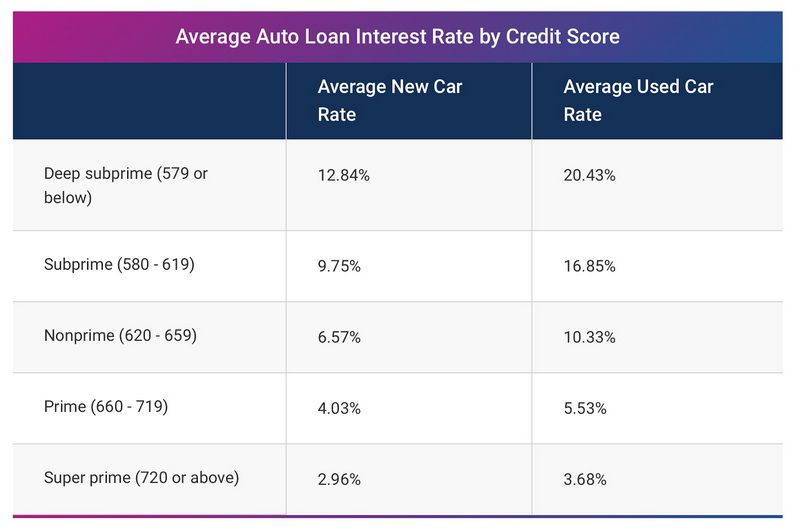
Without a doubt, your credit score is the single most influential factor in determining the car loan rate you’ll be offered. Lenders use credit scores (like FICO scores) as a quick snapshot of your creditworthiness and your likelihood of repaying the loan. A higher credit score (typically 700+) indicates a lower risk to the lender, resulting in lower interest rates. Conversely, a lower credit score (below 600) signals higher risk, leading to significantly higher rates to compensate the lender for that perceived risk.
Lenders often categorize borrowers into tiers based on credit scores (e.g., “super prime,” “prime,” “near prime,” “subprime”), with each tier having a corresponding range of interest rates. Before applying for a loan, it’s wise to check your credit score and report. Correcting any errors or working to improve your score can have a substantial positive impact on your loan rate.
Loan Term and Down Payment: Striking the Right Balance
The loan term (the length of time you have to repay the loan) also plays a critical role. Shorter loan terms (e.g., 36 or 48 months) typically come with lower interest rates because the lender’s risk exposure is reduced. However, shorter terms mean higher monthly payments. Longer terms (e.g., 60, 72, or even 84 months) result in lower monthly payments but usually carry higher interest rates due to the extended period of risk and potential for depreciation. This also means you’ll pay more in total interest over the life of the loan.
A substantial down payment also works in your favor. By putting more money down upfront, you reduce the amount you need to borrow. This lowers the lender’s risk and can translate into a better interest rate. Furthermore, a larger down payment means you’ll build equity faster, potentially avoiding being “upside down” on your loan (owing more than the car is worth).
New vs. Used Vehicles: A Matter of Perceived Risk
The type of vehicle you’re financing — new or used — can impact your interest rate. New car loans generally come with lower interest rates than used car loans. This is because new cars typically hold their value better in the initial years, are less likely to have unforeseen mechanical issues, and are often seen as less of a risk by lenders. Used cars, especially older models, carry a higher perceived risk due to depreciation, potential maintenance issues, and a shorter expected lifespan, leading to higher interest rates.
Lender Type and Market Dynamics
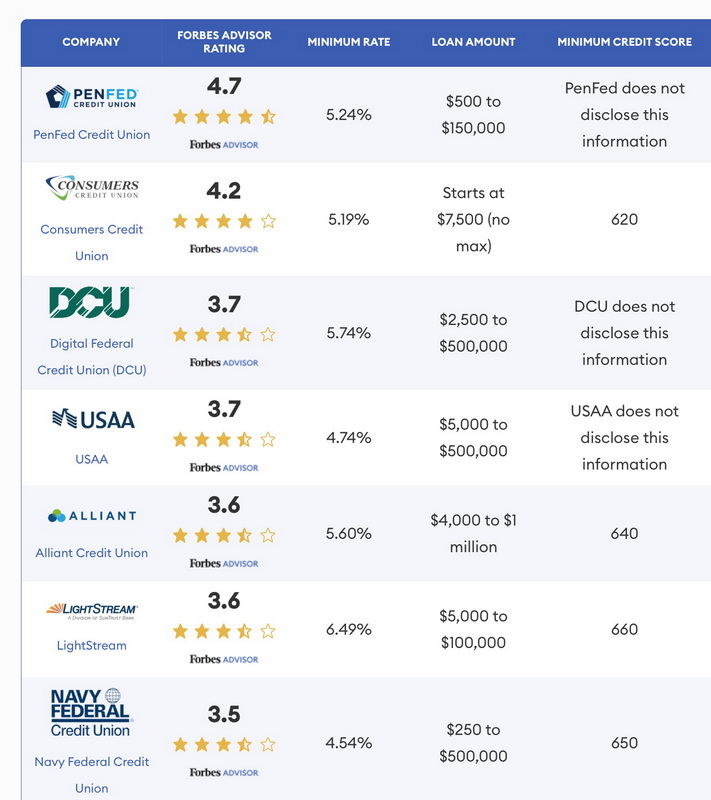
Different types of lenders offer varying rates. Banks, credit unions, and online lenders all have distinct lending models and risk appetites. Credit unions, being not-for-profit organizations, often offer some of the most competitive rates. Online lenders can also be very competitive due to lower overheads. Dealership financing (often through captive finance companies like Toyota Financial Services or GM Financial) can sometimes offer promotional low rates on new cars, but it’s crucial to compare these with other lenders.
Beyond individual factors, broader market dynamics — such as the prevailing federal interest rates set by central banks (like the Federal Reserve in the U.S.) and the overall economic climate — influence the baseline rates lenders can offer. When interest rates are low across the economy, car loan rates tend to be lower, and vice versa.
Strategies for Securing the Best Car Loan Rate
Understanding the factors influencing your rate is only half the battle. The other half involves strategic planning and proactive steps to position yourself as an ideal borrower and secure the most advantageous financing terms.
Pre-Approval: Your Power Play
One of the most effective strategies is to get pre-approved for a car loan before you even set foot in a dealership. Pre-approval means a lender has reviewed your credit and financial information and is willing to lend you a specific amount at a particular interest rate, subject to final verification.
- Empowerment: A pre-approval letter transforms you into a cash buyer at the dealership. You know exactly what you can afford and at what rate, allowing you to focus solely on negotiating the car’s price without the pressure of financing decisions.
- Negotiating Leverage: With a pre-approval in hand, you have a benchmark. The dealership might try to beat your pre-approved rate, giving you leverage for a better deal, or you can confidently decline their financing if it’s not competitive.
- Budget Clarity: Pre-approval helps you establish a realistic budget, preventing you from falling in love with a car outside your financial comfort zone.
Improving Your Credit Profile
Since your credit score is paramount, taking steps to improve it can dramatically lower your loan rate.
- Check Your Credit Report: Obtain copies of your credit report from all three major bureaus (Experian, Equifax, TransUnion) and dispute any inaccuracies.
- Pay Bills on Time: Payment history is the most significant factor in your credit score. Make sure all your credit accounts are paid punctually.
- Reduce Debt: Lowering your credit utilization (the amount of credit you’re using versus the amount available) can boost your score.
- Avoid New Credit Inquiries: In the months leading up to a car loan application, try to avoid opening new lines of credit, as this can temporarily lower your score.
Shopping Around for Lenders
Never settle for the first loan offer you receive, especially if it’s from the dealership. As mentioned, banks, credit unions, and online lenders all have different rates and terms. Apply to several different lenders within a short window (typically 14-45 days, depending on the scoring model) so that multiple inquiries are treated as a single credit inquiry for scoring purposes. This “rate shopping” window allows you to compare offers without significantly harming your credit score.
Negotiation Tactics at the Dealership
Even with pre-approval, dealerships may offer their own financing options. Sometimes, they can even beat your pre-approved rate, especially if they are incentivized by captive finance companies or have access to special programs.
- Separate Negotiations: Always negotiate the car price first, independent of financing. Once you’ve agreed on a price, then discuss financing options. Mixing the two can obscure the true cost of each.
- Focus on APR: When discussing financing with the dealership, always compare the APR they offer against your pre-approved APR.
- Beware of Add-ons: Dealers may try to roll additional products (extended warranties, gap insurance, paint protection) into your loan. While some might be beneficial, ensure you understand their cost and impact on your monthly payment and total interest. Consider purchasing these separately if desired, rather than financing them at the same interest rate as your car.
The Long-Term Impact: How Rates Affect Your Wallet
The car loan rate isn’t just a number on a contract; it’s a financial lever that significantly influences the total amount you’ll pay for your vehicle over its lifetime. A difference of even one or two percentage points can translate into thousands of dollars.
Calculating Total Cost of Ownership
To truly understand the financial implications, it’s essential to look beyond the monthly payment and calculate the total cost of the loan. This involves multiplying your monthly payment by the number of months in the loan term.
For example:
- Loan A: $25,000 at 5% APR over 60 months = approx. $471.78/month. Total paid = $28,306.80. Total interest = $3,306.80.
- Loan B: $25,000 at 7% APR over 60 months = approx. $495.06/month. Total paid = $29,703.60. Total interest = $4,703.60.
In this scenario, a 2% difference in APR results in paying an extra $1,396.80 in interest over five years. Imagine this difference over longer terms or larger loan amounts. This calculation underscores the importance of securing the lowest possible rate.
The Power of Compound Interest
Car loans utilize an amortization schedule, meaning interest is calculated on the remaining principal balance. Early in the loan term, a larger portion of your monthly payment goes towards interest, while later, more goes towards principal. A higher interest rate means a larger slice of your early payments is consumed by interest, reducing the amount applied to the principal and slowing down your equity build-up. This compounding effect, while working against you as a borrower, highlights why a lower rate pays dividends over the entire loan period.
Refinancing Opportunities: When and Why
Even if you didn’t secure the absolute best rate initially, you might have an opportunity to improve your terms through refinancing. Refinancing involves taking out a new loan to pay off your existing car loan, ideally at a lower interest rate, shorter term, or both.
Consider refinancing if:
- Your Credit Score Has Improved: If your score has significantly risen since you took out the original loan, you might qualify for a much better rate.
- Interest Rates Have Dropped: If market rates have generally fallen, you might be able to find a lower rate.
- Your Financial Situation Has Improved: A higher income or lower debt-to-income ratio can make you a more attractive borrower.
- You Want a Shorter Term: Refinancing can allow you to shorten your loan term and pay off the car faster, potentially saving on total interest, though monthly payments will increase.
Refinancing can be a powerful tool for financial optimization, but always compare the new APR and total cost of the new loan against your current one, taking into account any fees associated with the refinance.
Navigating the Application Process
Applying for a car loan, while straightforward, requires attention to detail. Knowing what to expect and what pitfalls to avoid can streamline the process and prevent costly mistakes.
Required Documentation and Information
Lenders will typically require a range of documents and information to process your loan application:
- Personal Identification: Driver’s license, Social Security number.
- Proof of Income: Pay stubs, tax returns, bank statements to verify your ability to repay.
- Employment Information: Employer’s name and contact details, length of employment.
- Residency Information: Utility bills, lease agreements to verify address.
- Vehicle Information (if applicable): VIN, make, model, year, mileage, and purchase price of the car you intend to buy.
- Down Payment Proof: If you are making a down payment, proof of funds.
Having these documents organized and readily available will expedite your application.
Common Pitfalls to Avoid
- Ignoring Your Credit Score: Applying without knowing your credit health is like flying blind.
- Not Shopping Around: Settling for the first offer means potentially leaving money on the table.
- Extending the Loan Term Too Long: While it lowers monthly payments, it significantly increases total interest and the risk of being upside down on your loan.
- Focusing Only on Monthly Payment: Always look at the total cost of the loan and the APR, not just the monthly payment figure. A low monthly payment can hide a very long term and a high interest rate.
- Buying More Car Than You Can Afford: Even with a low rate, a car that’s too expensive for your budget will strain your finances. Ensure your car payment, insurance, and maintenance costs fit comfortably within your overall financial plan.

Understanding the Loan Agreement
Before signing any loan agreement, read it thoroughly. Do not hesitate to ask questions about anything you don’t understand. Pay close attention to:
- APR: Confirm it matches what was quoted.
- Loan Term: Ensure the number of months is correct.
- Total Amount Financed: This should reflect the agreed-upon price of the car minus your down payment, plus any legitimate fees.
- Payment Schedule: Understand when payments are due and what the penalties are for late payments.
- Prepayment Penalties: Most car loans do not have prepayment penalties, but it’s crucial to confirm this if you plan to pay off your loan early.
In conclusion, the car loan rate is a pivotal element in vehicle ownership, impacting affordability and financial well-being. By understanding its components, the factors that influence it, and adopting strategic financial practices, consumers can confidently navigate the world of automotive financing, securing terms that align with their financial goals and ultimately driving away with peace of mind.
aViewFromTheCave is a participant in the Amazon Services LLC Associates Program, an affiliate advertising program designed to provide a means for sites to earn advertising fees by advertising and linking to Amazon.com. Amazon, the Amazon logo, AmazonSupply, and the AmazonSupply logo are trademarks of Amazon.com, Inc. or its affiliates. As an Amazon Associate we earn affiliate commissions from qualifying purchases.