
Purchasing a car is often one of the most significant financial decisions an individual makes, second only to buying a home. It’s a transaction that involves not just the immediate exchange of funds but often a long-term commitment that impacts personal budgets, credit scores, and overall financial health. Understanding the various methods available to pay for a car, along with the implications of each, is paramount to making an informed decision that aligns with your financial goals and capabilities. This comprehensive guide will dissect the payment landscape, explore critical influencing factors, uncover the true cost of ownership, and equip you with smart strategies to navigate the process effectively within the realm of personal finance.
Understanding Your Car Payment Landscape
The journey to car ownership offers several distinct paths when it comes to payment. Each method carries its own set of advantages, disadvantages, and financial considerations that warrant careful evaluation.
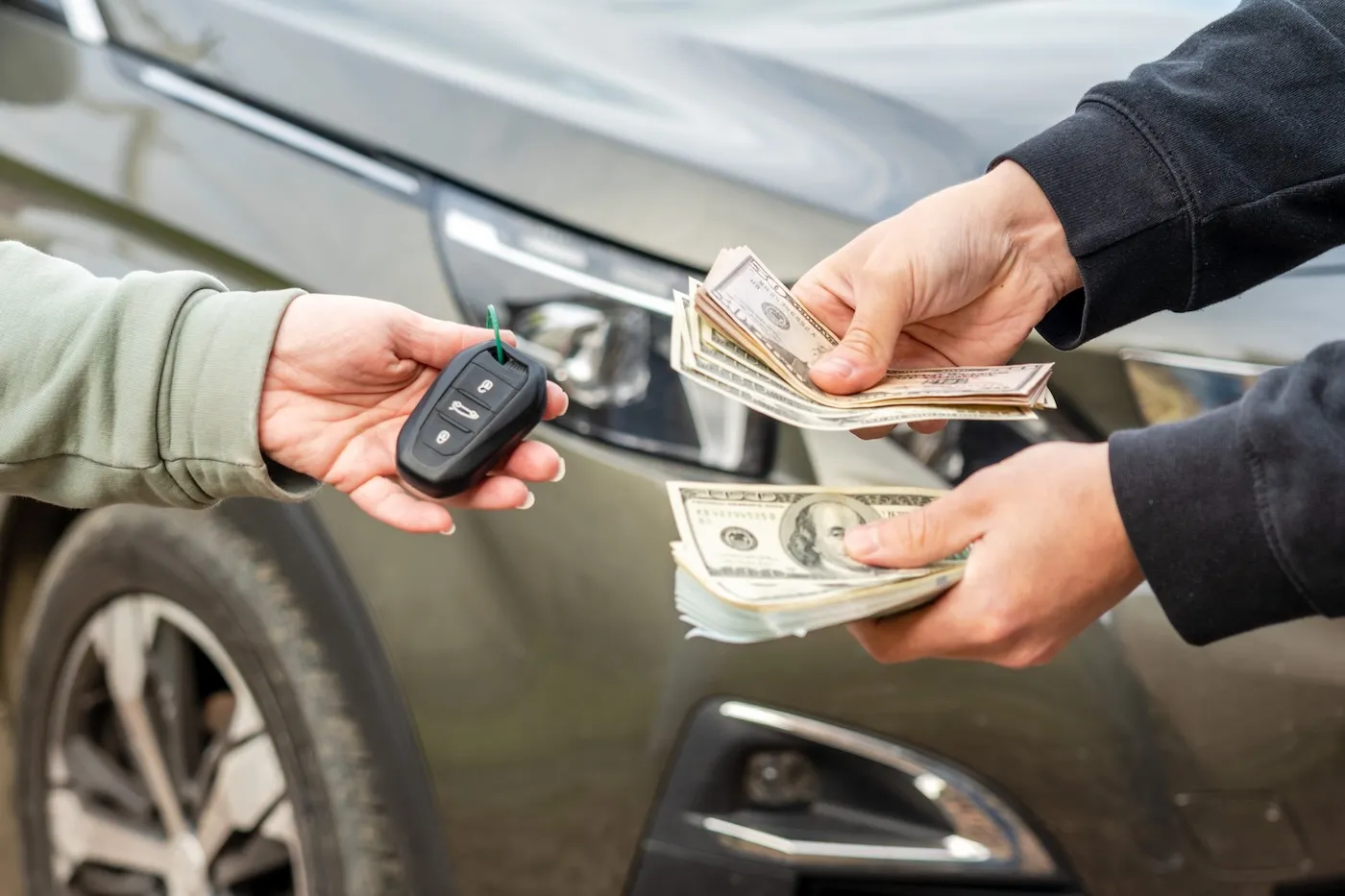
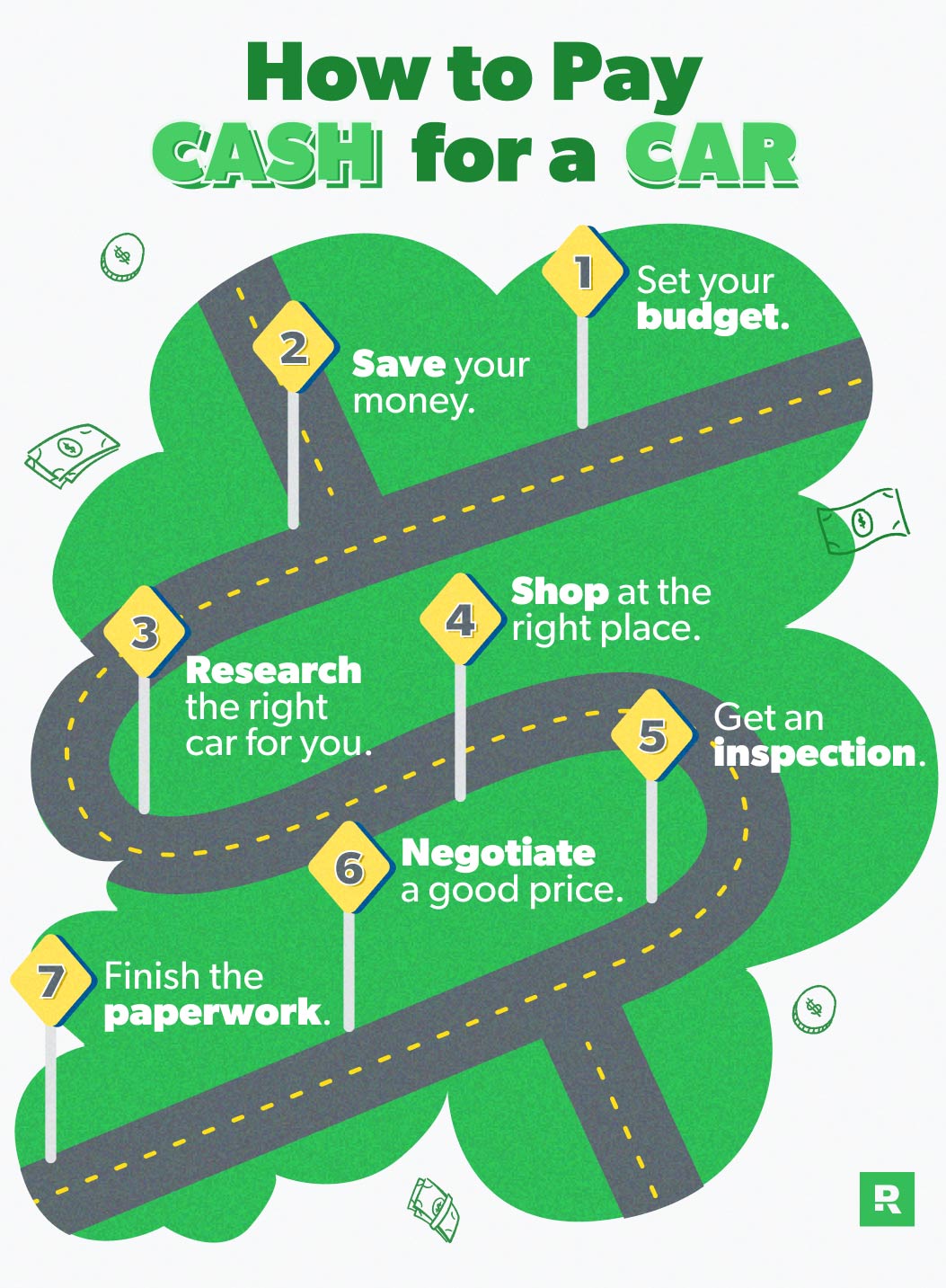
The Allure of Cash: Paying Upfront
Paying for a car with cash is often lauded as the financially savvy choice, and for good reason. When you pay cash, you avoid interest charges entirely, which can save you thousands of dollars over the life of a loan. It simplifies the transaction, as you own the vehicle outright from day one, free from the encumbrance of monthly payments or lender obligations. This freedom can translate into greater peace of mind and more flexibility in your monthly budget. Furthermore, cash buyers often hold a stronger negotiating position with dealerships, as the transaction is simpler and quicker for them, potentially leading to a better deal on the purchase price.
However, paying cash isn’t without its caveats. It requires having a substantial sum of liquid capital readily available, which might deplete your emergency fund or prevent you from investing that money elsewhere for potentially higher returns. Forgoing a car loan means forgoing an opportunity to build or improve your credit history, which can be a vital component of future financial endeavors. The decision to pay cash should therefore be weighed against your overall financial strategy, ensuring it doesn’t compromise other critical financial objectives or leave you financially vulnerable.
Financing Through Loans: The Common Path
For the majority of car buyers, financing a vehicle through a loan is the most accessible and common method. A car loan involves borrowing money from a financial institution (bank, credit union, or the dealership’s captive finance company) and repaying it, with interest, over a predetermined period, typically 3 to 7 years. This method allows individuals to drive a car they might not be able to afford outright, spreading the cost over manageable monthly payments.
The world of car loans is diverse, offering various structures and terms. Key aspects include the principal amount (the car’s price minus any down payment or trade-in), the interest rate (the cost of borrowing), and the loan term (the repayment period). Each of these components significantly impacts the total cost of the car and the affordability of monthly payments. While loans make car ownership accessible, they also mean paying more than the sticker price due to interest. A longer loan term can reduce monthly payments but increases the total interest paid and extends the period of indebtedness. Moreover, failing to make timely payments can severely damage your credit score, making future borrowing more difficult and expensive.
Leasing: An Alternative for Flexibility
Leasing a car is fundamentally different from buying, as it involves renting the vehicle for a set period, typically 2 to 4 years, rather than purchasing it. At the end of the lease term, you return the car to the dealership, with the option to lease a new vehicle, purchase the leased car, or simply walk away. Leasing is often attractive to those who prefer to drive a new car every few years, desire lower monthly payments compared to a loan, and want to avoid the hassles of selling a used car.
Lease payments are calculated based on the depreciation of the vehicle during the lease term, rather than its full purchase price, along with interest (often called a “money factor”), taxes, and fees. This typically results in lower monthly outgoings than a comparable loan. However, lessees do not build equity in the vehicle; they are essentially paying for its use. Leases come with mileage restrictions, and exceeding these limits incurs hefty penalties. There can also be charges for excessive wear and tear. Understanding the fine print, including acquisition fees, disposition fees, and early termination penalties, is crucial before entering into a lease agreement. For individuals who prefer predictable expenses, enjoy driving new cars frequently, and stay within mileage limits, leasing can be a financially viable option.
Key Factors Influencing Your Car Payment Decision
Making an informed decision about how to pay for a car requires a thorough understanding of various financial metrics and personal circumstances. These factors directly impact not only the affordability of the vehicle but also the terms and overall cost of financing.
Assessing Your Financial Health: Credit Score and Budget
Your credit score is arguably the single most important factor determining the interest rate you’ll be offered on a car loan. Lenders use credit scores as an indicator of your creditworthiness and your likelihood of repaying the loan. A higher credit score (typically above 700) signifies lower risk, leading to lower interest rates and more favorable loan terms. Conversely, a lower credit score will result in higher interest rates, significantly increasing the total cost of the loan. Prior to car shopping, it’s wise to obtain your credit report and score, allowing you time to address any inaccuracies or take steps to improve your score if necessary.
Equally critical is establishing a realistic budget. This goes beyond just the monthly car payment. Your budget should encompass all car-related expenses, including insurance, fuel, maintenance, and potential repairs. Financial experts often recommend that your total car expenses (payment, insurance, gas, maintenance) should not exceed 10-15% of your net monthly income. A clear budget helps you understand what you can truly afford, preventing you from becoming “car poor” – where a significant portion of your income is tied up in vehicle expenses, limiting your financial flexibility.
The Power of a Down Payment
A down payment is the initial sum of money you pay upfront towards the purchase of a car, reducing the amount you need to finance. Making a substantial down payment offers several significant financial advantages. Firstly, it reduces your monthly loan payments, making the car more affordable on a recurring basis. Secondly, it decreases the total amount of interest you’ll pay over the life of the loan, as you’re borrowing less money. Thirdly, a larger down payment can improve your loan-to-value (LTV) ratio, which can qualify you for better interest rates, especially if your credit score is not pristine.
For new cars, a down payment of 10-20% is often recommended. For used cars, a higher down payment (e.g., 20% or more) can be particularly beneficial, as used cars typically depreciate faster initially. While it requires a larger upfront outlay, the long-term savings and financial stability afforded by a robust down payment are often well worth the initial investment.
Interest Rates and Loan Terms: What to Look For
The interest rate represents the cost of borrowing money, expressed as a percentage of the principal amount. Even a seemingly small difference in the interest rate can translate into thousands of dollars over a multi-year loan term. It’s crucial to shop around for the best interest rate, comparing offers from multiple lenders rather than simply accepting the financing offered by the dealership. Credit unions often provide highly competitive rates, so they are always a good place to start your inquiry.
The loan term, or the duration over which you repay the loan, also profoundly impacts both your monthly payment and the total cost. Shorter loan terms (e.g., 36 or 48 months) result in higher monthly payments but significantly lower total interest paid. Longer loan terms (e.g., 72 or 84 months) offer lower monthly payments, making expensive cars seem more affordable, but they dramatically increase the total interest paid and prolong your period of indebtedness. Moreover, with longer terms, you risk going “upside down” on your loan, where you owe more than the car is worth, especially given rapid depreciation in the early years. Balancing monthly affordability with the total cost of ownership requires careful consideration of both the interest rate and the loan term.
Trade-ins: Leveraging Your Current Vehicle
Trading in your current vehicle can significantly offset the cost of your new purchase or lease. The trade-in value is deducted from the new car’s price, effectively reducing the amount you need to finance or the cash you need to pay. This simplifies the transaction, as you avoid the time and effort involved in selling your old car privately.
However, dealerships often offer less for a trade-in than what you might achieve through a private sale. To maximize your financial advantage, research your car’s market value using online tools like Kelley Blue Book or Edmunds before heading to the dealership. This knowledge empowers you to negotiate effectively and ensure you’re getting a fair price for your trade-in. If the dealership’s offer is too low, consider selling your car privately to maximize your return, then using that cash towards your new vehicle. Remember to factor in any outstanding loan balance on your trade-in; if you owe more than the car is worth, you’ll need to pay the difference or roll it into your new loan, which is generally not advisable.
Deconstructing the Total Cost of Car Ownership
While the purchase price or monthly payment is the primary focus for most buyers, the true financial commitment of car ownership extends far beyond these initial figures. Understanding the full spectrum of costs is essential for accurate budgeting and preventing financial surprises.
Beyond the Sticker Price: Taxes, Fees, and Insurance
When buying a car, several unavoidable costs are added to the vehicle’s price. Sales tax, varying by state and locality, can add hundreds or even thousands of dollars to the total. Registration fees, title fees, and license plate fees are also mandatory, one-time or annual charges. Dealerships may also add various administrative fees, documentation fees (“doc fees”), or preparation fees. While some fees are non-negotiable, it’s wise to scrutinize all charges and question anything that seems excessive or unclear.
Car insurance is another significant and ongoing expense. The cost of insurance is highly variable, influenced by factors such as your age, driving record, location, the make and model of the car, and the type of coverage you choose. Before finalizing a car purchase, obtain insurance quotes for the specific vehicle you’re considering. A car that seems affordable on paper might become prohibitively expensive once insurance costs are factored in, especially for younger drivers or those with a less-than-perfect driving history.
Maintenance and Fuel: Ongoing Expenses
Unlike the one-time or annual costs, maintenance and fuel are recurring expenses that will be part of your budget for as long as you own the car. Fuel costs can fluctuate significantly based on gas prices, your vehicle’s fuel efficiency (MPG), and your driving habits. For frequent commuters, even a slightly less fuel-efficient car can lead to substantial additional costs over a year.
Maintenance involves routine services like oil changes, tire rotations, brake inspections, and fluid checks, as well as potential repairs due to wear and tear or unexpected issues. While new cars come with manufacturer warranties that cover many mechanical problems, regular maintenance is still necessary to keep the warranty valid and the car running smoothly. As a car ages, maintenance and repair costs tend to increase. Budgeting for these ongoing expenses is crucial to avoid being caught off guard and to ensure the longevity and reliability of your vehicle.
Depreciation: The Hidden Cost of Time
Depreciation is arguably the largest, yet often overlooked, cost of car ownership. It refers to the decrease in a vehicle’s value over time. From the moment you drive a new car off the lot, it begins to lose value. Most new cars lose 20-30% of their value in the first year alone, and continue to depreciate at a rate of 15-20% annually for the next few years. This means that if you need to sell or trade in your car a few years after purchase, you will receive significantly less than what you paid for it.
Understanding depreciation is vital for several reasons. It impacts the resale value of your car, your equity in the vehicle, and can put you in a negative equity situation (where you owe more on your loan than the car is worth) if you don’t make a substantial down payment or have a very long loan term. While depreciation is unavoidable, choosing vehicles known for retaining their value better, buying used cars (which have already gone through their steepest depreciation period), and maintaining your vehicle well can help mitigate its impact on your personal finances.
Smart Strategies for Securing the Best Deal
Navigating the car buying process can be daunting, but employing smart financial strategies can lead to substantial savings and a more favorable overall deal.
Researching and Comparing Lenders
Before you even set foot in a dealership, take the time to research and secure pre-approval for a car loan from multiple lenders. Banks, credit unions, and online lenders all offer various rates and terms. Getting pre-approved gives you a clear understanding of the interest rate you qualify for and the maximum loan amount you can afford. This financial leverage allows you to negotiate with the dealership from a position of strength, effectively treating their financing offer as just another option to compare against your pre-approved rate. Don’t fall into the trap of discussing monthly payments without knowing the total cost; always focus on the total loan amount, interest rate, and overall price of the vehicle.
Negotiating the Purchase Price and Loan Terms
Negotiation is a critical skill in car buying. Always aim to negotiate the car’s purchase price separately from any financing or trade-in discussions. Once you agree on a price, then you can discuss your trade-in (if applicable) and financing options. Be prepared to walk away if the deal isn’t right. Dealerships often operate on thin margins and may be willing to lower the price to close a sale, especially towards the end of the month or quarter when sales targets need to be met.
When discussing loan terms, focus on the Annual Percentage Rate (APR) rather than just the monthly payment. A lower monthly payment achieved by extending the loan term might seem attractive but will cost you more in interest over time. Be wary of add-ons, extended warranties, and service packages that are often pushed at the financing desk; carefully evaluate if they offer genuine value or if you’d be better off declining them or sourcing them independently.
Leveraging Online Financial Tools and Calculators
The digital age offers a plethora of online financial tools and calculators that can empower you throughout the car buying process. Loan calculators can help you estimate monthly payments based on different interest rates, loan terms, and down payments, allowing you to fine-tune your budget. Affordability calculators can help you determine how much car you can truly afford, considering your income and other expenses. Depreciation calculators can give you an idea of how much a specific vehicle will be worth in a few years.
Furthermore, online platforms allow you to research vehicle prices, compare models, read reviews, and even obtain insurance quotes from the comfort of your home. Websites like Edmunds, Kelley Blue Book, and NADAguides provide invaluable data on vehicle values, new car pricing, and trade-in estimates. By leveraging these resources, you can arrive at the dealership well-informed and prepared, reducing the chances of overpaying or making a decision you’ll regret.
The Future of Car Payments: Trends and Innovations
The automotive and financial industries are continually evolving, introducing new payment models and financial tools that reflect changing consumer preferences and technological advancements.
Digital Lending Platforms and Fintech Solutions
The rise of fintech has significantly streamlined the car loan application and approval process. Digital lending platforms offer quick, convenient, and often competitive financing options, sometimes with instant approvals. These platforms leverage advanced algorithms to assess creditworthiness, making financing more accessible and transparent. They allow consumers to compare multiple loan offers from various lenders side-by-side, without the traditional back-and-forth often associated with dealership finance departments. This shift towards digital-first lending promises greater efficiency and more personalized financial solutions for car buyers.

Subscription Models and Fractional Ownership
Beyond traditional buying and leasing, innovative payment models are emerging. Car subscription services, offered by both manufacturers and third-party companies, provide access to a vehicle (or a fleet of vehicles) for a monthly fee that typically includes insurance, maintenance, and roadside assistance. This model offers ultimate flexibility, allowing users to swap cars frequently and avoid long-term commitments, appealing to those who prioritize convenience and variety over ownership.
Fractional ownership, though less common for individual car purchases, is gaining traction in luxury and specialized vehicle markets. This involves multiple individuals owning a share of a vehicle, sharing its use and maintenance costs. While not a direct payment method for a single car, these models represent a broader trend in mobility services that challenge conventional notions of car ownership and payment, pointing towards a future where access to transportation may be prioritized over outright purchase.
In conclusion, paying for a car is a multi-faceted financial decision. Whether you opt for cash, a traditional loan, or a lease, understanding the financial implications, leveraging smart strategies, and utilizing available tools are crucial. By meticulously planning, researching, and negotiating, you can navigate the complexities of car payments and secure a vehicle that enhances your life without compromising your financial well-being.
aViewFromTheCave is a participant in the Amazon Services LLC Associates Program, an affiliate advertising program designed to provide a means for sites to earn advertising fees by advertising and linking to Amazon.com. Amazon, the Amazon logo, AmazonSupply, and the AmazonSupply logo are trademarks of Amazon.com, Inc. or its affiliates. As an Amazon Associate we earn affiliate commissions from qualifying purchases.