
The question of “when did Bitcoin come out” is more than a simple chronological inquiry; it is a search for the origin point of a global financial revolution. To understand when Bitcoin emerged is to understand the intersection of a failing global economy and the birth of a new asset class that would redefine personal finance, investing, and the very concept of “money.”
Bitcoin did not appear in a vacuum. It was the result of decades of research into cryptography, but its specific arrival was timed to coincide with one of the most significant financial collapses in human history. Today, we look back at the timeline of Bitcoin’s release not just as a tech milestone, but as the moment the seeds of decentralized finance were sown.
1. The Timeline of Emergence: From Concept to Code
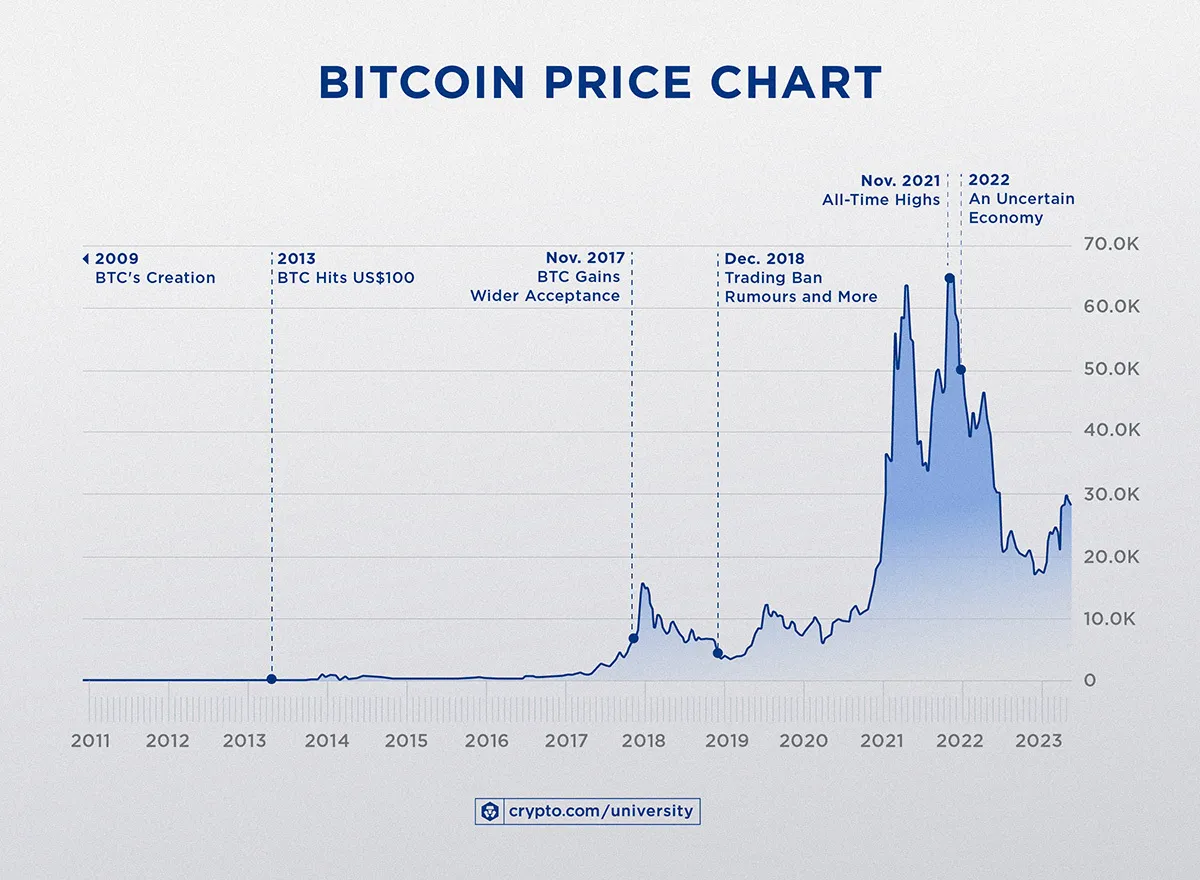
To pinpoint exactly when Bitcoin “came out,” we must look at three distinct dates: the publication of its conceptual framework, the launch of its network, and the first recorded transaction. Each of these milestones represents a different phase of its birth into the financial world.
The Whitepaper (October 2008)
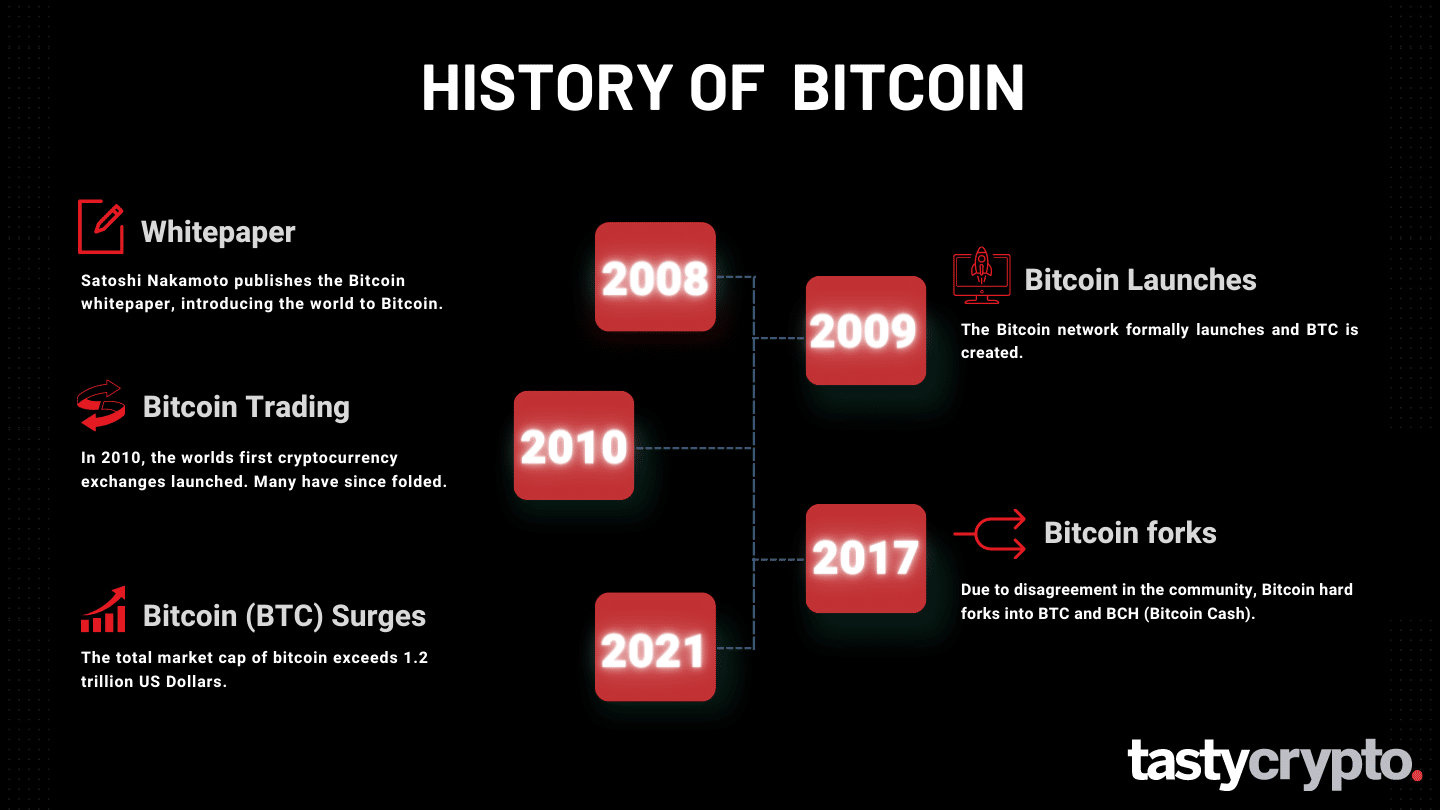
The intellectual birth of Bitcoin occurred on October 31, 2008. An individual or group operating under the pseudonym Satoshi Nakamoto published a document titled Bitcoin: A Peer-to-Peer Electronic Cash System to a cryptography mailing list. This was not a product launch but a manifesto for a new financial protocol. Released just weeks after the collapse of Lehman Brothers, the whitepaper proposed a system that allowed online payments to be sent directly from one party to another without going through a financial institution.
The Genesis Block (January 2009)
The technical birth of Bitcoin happened on January 3, 2009. This is the date the “Genesis Block” (Block 0) was mined, marking the official launch of the Bitcoin network. Nakamoto famously embedded a message in the coinbase parameter of this first block: “The Times 03/Jan/2009 Chancellor on brink of second bailout for banks.” This was a definitive marker of the era and a clear statement of Bitcoin’s intended role as an alternative to the traditional banking system.
The First Transaction (January 2009)
A few days later, on January 12, 2009, the first actual transfer of Bitcoin took place. Satoshi Nakamoto sent 10 BTC to Hal Finney, a respected developer and cryptographic pioneer. This proved that the software functioned as intended, moving from a theoretical concept to a functional financial tool.
2. Why the Timing Mattered: The Financial Backdrop of 2008
The timing of Bitcoin’s release is inseparable from its value proposition. When we ask when Bitcoin came out, we are also asking why it came out. The year 2008 was defined by the Great Recession, a period where trust in centralized financial institutions reached an all-time low.
The 2008 Financial Crisis
The global financial system was on the verge of total collapse due to the subprime mortgage crisis. Massive government bailouts were required to keep major banks afloat, leading to a sense of betrayal among the public. Bitcoin was presented as a solution to this fragility. By removing the “middleman”—the very banks that were being bailed out—Bitcoin offered a system where the “ledger” was maintained by a decentralized network rather than a boardroom of executives.
Challenging Centralized Banking
Bitcoin’s emergence introduced the concept of “sovereign money.” For the first time, individuals had an option for a store of value that was not subject to the monetary policies of central banks. Because Bitcoin’s supply is hard-capped at 21 million coins, it was designed to be an inflationary hedge, contrasting sharply with the “quantitative easing” (printing of money) that defined the post-2008 economic recovery.
3. Bitcoin as a New Financial Asset Class
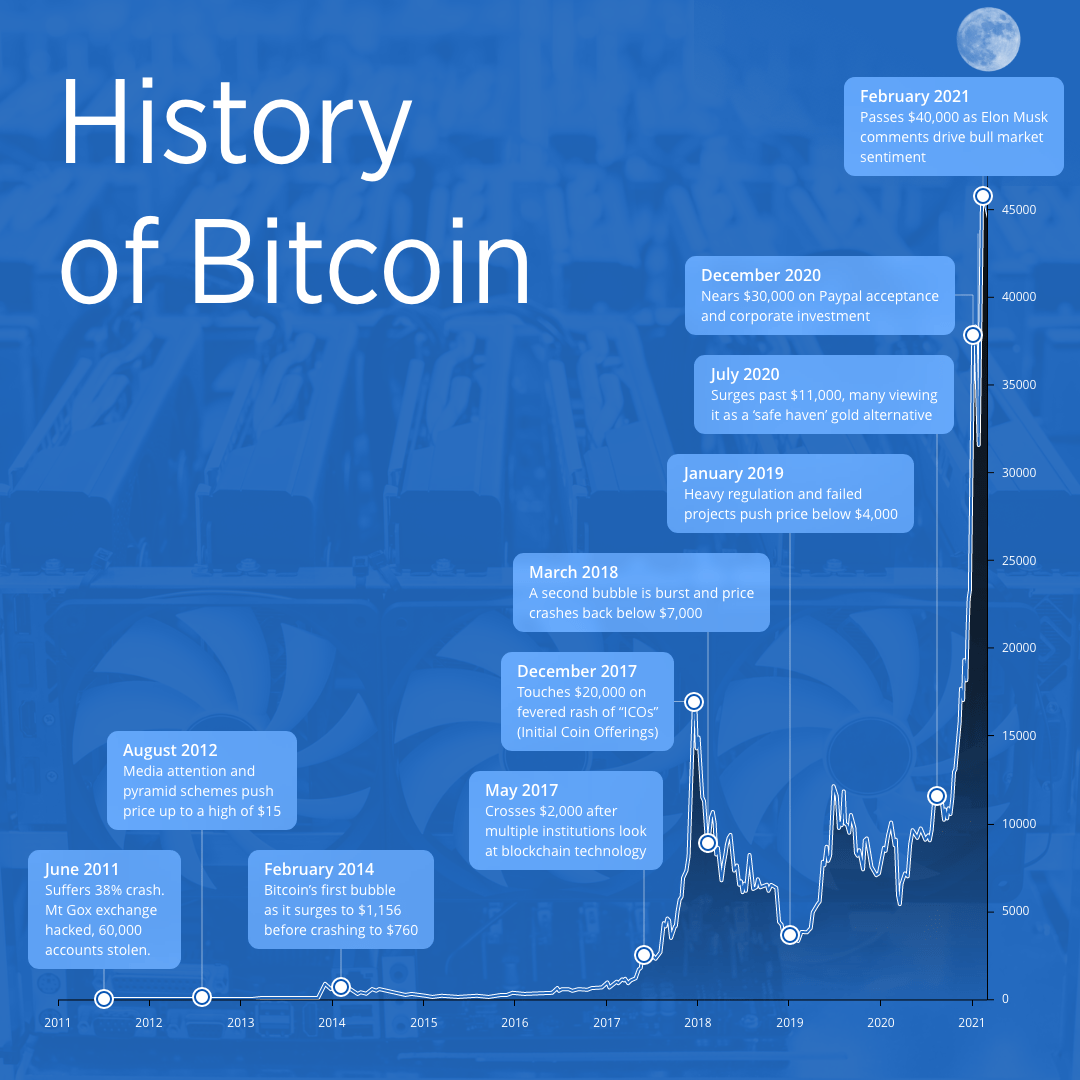
Once Bitcoin was “out” in the world, it had to transition from a digital curiosity into a legitimate asset. This journey involved establishing a market price and proving its utility as a financial instrument.
From Zero to Value: The Pizza Milestone
For the first year of its existence, Bitcoin had virtually no monetary value. It was traded for fun among hobbyists. This changed on May 22, 2010, now known as “Bitcoin Pizza Day.” A programmer named Laszlo Hanyecz paid 10,000 BTC for two Papa John’s pizzas. At the time, this valued Bitcoin at a fraction of a penny. However, this was the first time Bitcoin was used as a medium of exchange for a real-world commodity, setting the stage for its eventual valuation in the thousands of dollars.
Store of Value vs. Medium of Exchange
As Bitcoin grew, its primary financial identity shifted. While it was originally intended as “electronic cash,” the investing world began to view it as “Digital Gold.” Its scarcity and decentralization made it an attractive alternative to precious metals. Investors began to hold Bitcoin (the “HODL” strategy) rather than spend it, recognizing its potential for massive capital appreciation as adoption increased.
4. The Evolution of Bitcoin Investing
Since its 2009 debut, the way people interact with Bitcoin financially has undergone a massive transformation. What started as a niche activity for “miners” has become a staple of modern portfolio management.
The Early Adopters and Mining
In the early years (2009–2012), the only way to acquire Bitcoin was to mine it using a standard home computer. The barrier to entry was low in terms of cost but high in terms of technical knowledge. These early years saw the rise of the first exchanges, most notably Mt. Gox, which provided the first liquid markets where users could trade fiat currency for Bitcoin.
Institutional Integration and ETFs
The most significant shift in Bitcoin’s financial journey occurred when institutional investors—hedge funds, family offices, and corporations—began to add Bitcoin to their balance sheets. Companies like MicroStrategy and Tesla made headlines by purchasing billions in BTC. This culminated in 2024 with the approval of Spot Bitcoin ETFs (Exchange-Traded Funds) by the SEC. This milestone allowed traditional investors to gain exposure to Bitcoin through their standard brokerage accounts, effectively merging the world of decentralized finance with Wall Street.
5. The Future of Money in a Post-Bitcoin World
Understanding when Bitcoin came out allows us to project where it is going. We are now over a decade into this experiment, and Bitcoin has moved from a fringe experiment to a global macro-asset.
Scarcity and the Halving Cycles
A key part of Bitcoin’s financial design is the “Halving,” an event that occurs roughly every four years where the reward for mining new blocks is cut in half. This mechanism ensures that the 21 million cap is never exceeded and creates a predictable supply shock. These cycles have historically driven massive bull markets, making the “timing” of an investment in Bitcoin as important as the timing of its original release.
Long-term Financial Planning with Crypto
For the modern investor, Bitcoin represents a new pillar of diversification. As the world moves toward a more digital economy, the role of decentralized assets is likely to grow. Financial advisors are increasingly discussing “asymmetric bets”—the idea that a small allocation to Bitcoin could yield outsized returns due to its historical growth trajectory.
Conclusion: The Legacy of January 2009
When did Bitcoin come out? It came out at exactly the right time. Had it been released during a period of economic stability, it might have been ignored. Instead, it was born from the ashes of a financial crisis, offering a transparent, mathematically secured alternative to a system that had failed.
From Satoshi Nakamoto’s whitepaper in 2008 to the launch of the Genesis Block in 2009, Bitcoin has evolved from a cryptic experiment into a trillion-dollar asset class. Its emergence marked the beginning of a new era in money—one where the individual has more control over their wealth than ever before. Whether you view it as a tech marvel or a financial lifeline, Bitcoin’s arrival changed the trajectory of global finance forever. For the investor, the history of Bitcoin is not just a series of dates, but a roadmap for the future of digital value.
aViewFromTheCave is a participant in the Amazon Services LLC Associates Program, an affiliate advertising program designed to provide a means for sites to earn advertising fees by advertising and linking to Amazon.com. Amazon, the Amazon logo, AmazonSupply, and the AmazonSupply logo are trademarks of Amazon.com, Inc. or its affiliates. As an Amazon Associate we earn affiliate commissions from qualifying purchases.