
In today’s rapidly evolving digital landscape, the ability to carry your operating system with you, ready to boot on almost any compatible computer, is an incredibly powerful tool. Whether you’re a tech enthusiast looking for ultimate flexibility, a professional needing a consistent work environment across different machines, or a troubleshooter aiming for quick access to diagnostic tools, installing Windows 10 on a USB drive offers a compelling solution. This guide will walk you through the entire process, from selecting the right USB drive to creating a bootable Windows 10 installation media and understanding its practical applications.
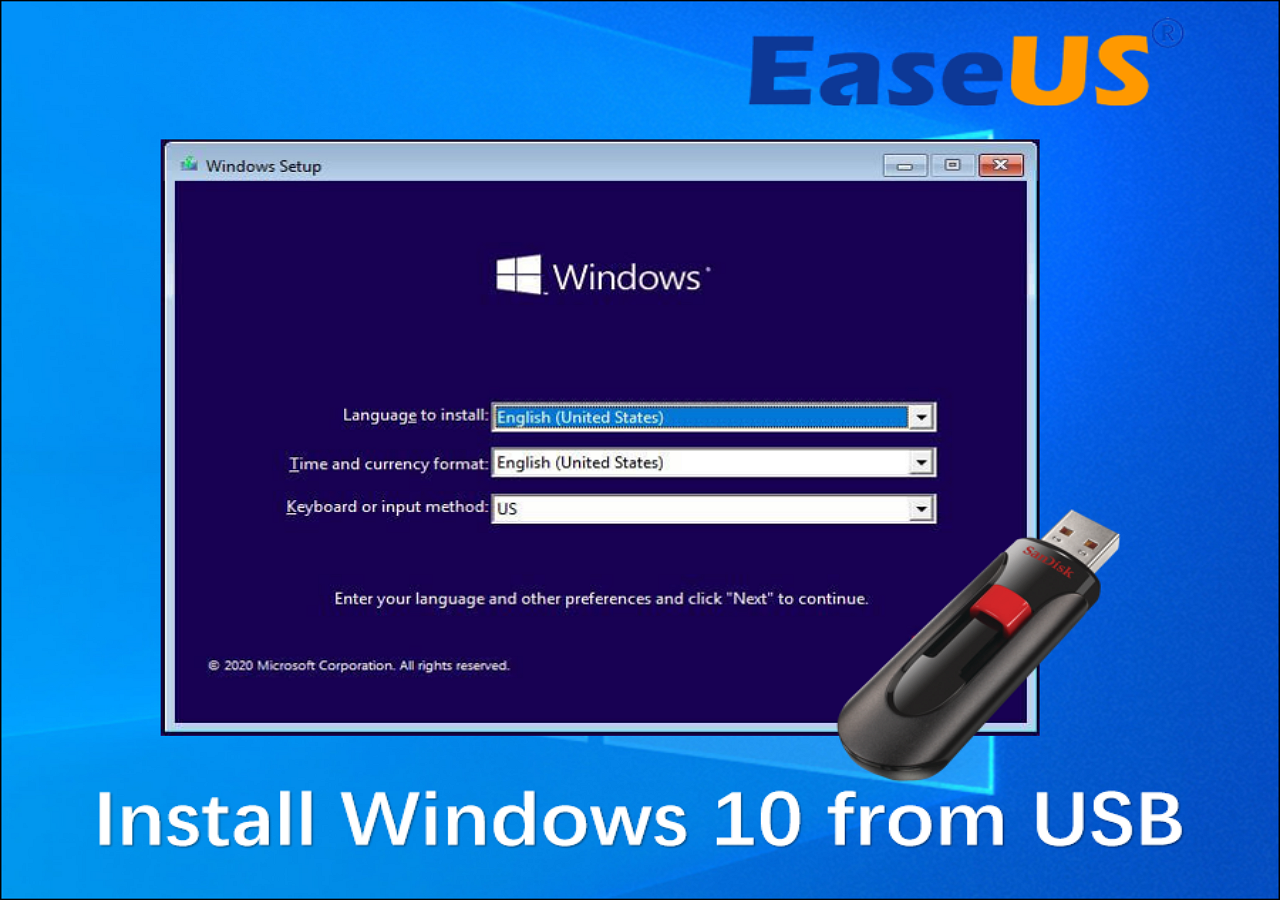
The Power of a Portable Windows 10 Installation
The concept of a “live USB” or a “portable OS” is not new, but with Windows 10, Microsoft has made it more accessible than ever to create a fully functional operating system on a portable storage device. This isn’t just about having an installer; we’re talking about a complete, bootable installation of Windows 10 that can be used on any PC. This opens up a world of possibilities:
- Uninterrupted Productivity: Maintain your familiar work environment, applications, and settings wherever you go. No more adapting to unfamiliar desktop setups or reinstalling essential software on temporary machines.
- Troubleshooting and Recovery: A bootable Windows 10 USB is an invaluable asset for diagnosing and fixing computer problems. You can boot into your portable OS to access files, run diagnostic tools, or even perform a clean installation on a problematic hard drive.
- Software Testing and Development: Developers can use a portable Windows 10 to test their applications in a clean, controlled environment without affecting their primary system.
- Secure Browsing: For sensitive online activities, a portable OS can offer an isolated and secure browsing experience, separate from your main operating system.
- Education and Demonstration: Easily demonstrate software or operating system features to others without needing to install them on their machines.
While installing Windows 10 on a USB drive can be a game-changer, it’s crucial to understand the difference between a simple Windows installation media (used for installing Windows onto a computer’s internal drive) and a persistent installation that allows you to actually run Windows 10 from the USB. This guide will focus on creating a fully bootable and potentially persistent Windows 10 environment on a USB.
Prerequisites: What You’ll Need
Before diving into the installation process, ensure you have the following essential components:
Choosing the Right USB Drive
This is perhaps the most critical decision you’ll make. Not all USB drives are created equal, and the performance and longevity of your portable Windows 10 installation will heavily depend on the drive you choose.
- Capacity: For a full Windows 10 installation, you’ll need a USB drive with a significant amount of storage. A minimum of 32GB is recommended, but 64GB or even 128GB is ideal for a more comfortable experience, allowing for updates, software installations, and personal files. A larger drive also contributes to better longevity as it distributes write operations across more sectors.
- Speed (USB 3.0/3.1/3.2/USB-C): This is where you’ll see the biggest difference. A slow USB 2.0 drive will result in excruciatingly slow boot times and application loading. Opt for a USB 3.0 or higher drive (identified by blue plastic inside the connector or by its speed rating). The faster the read/write speeds, the more responsive your portable Windows 10 will be. Look for drives with high sequential read and write speeds if available.
- Durability and Reliability: Since you’ll be booting and writing data to the USB drive frequently, consider a drive known for its durability. Some higher-end USB flash drives or even portable SSDs are designed for this kind of workload and will offer better longevity.
Windows 10 Installation Media
You’ll need a way to get the Windows 10 installation files onto your USB drive. There are two primary ways to achieve this:
- Windows 10 ISO File: This is a disk image file that contains all the necessary files for a Windows 10 installation. You can download the official Windows 10 ISO directly from Microsoft’s website. This is the most common and recommended method.
- Windows 10 Installation USB (Traditional Installer): While this article is about installing Windows 10 onto a USB, you might start by creating a standard Windows 10 installation USB using the Media Creation Tool. This tool can directly create a bootable USB installer, which we can then adapt for a portable installation.
A Working Computer with Internet Access
You’ll need a computer to download the Windows 10 ISO (if needed), create the bootable USB, and perform the installation. This computer will also need a stable internet connection to download the necessary files.
BIOS/UEFI Access on Target Computers
To boot from your USB drive, the computer you intend to use it on must be configured to boot from external media. You’ll typically access the BIOS or UEFI settings by pressing a specific key (like F2, F10, F12, or Del) during the computer’s startup sequence.
Method 1: Creating a Bootable Windows 10 Installation USB (The Foundation)
This method focuses on creating a standard bootable USB drive that can be used to install Windows 10 onto a computer’s internal drive. It’s the first step towards a portable OS, as we’ll modify it later.
Step 1: Download the Windows 10 Media Creation Tool
- Navigate to the official Microsoft Windows 10 download page.
- Under “Create Windows 10 installation media,” click “Download tool now.”
- Save the
MediaCreationTool.exefile to your computer.
Step 2: Run the Media Creation Tool and Prepare Your USB Drive

- Insert your USB drive (at least 8GB, but 32GB+ recommended for our later purpose) into your computer. Ensure it has no important data, as it will be formatted.
- Run the
MediaCreationTool.exeyou downloaded. - Accept the license terms.
- On the “What do you want to do?” screen, select “Create installation media (USB flash drive, DVD, or ISO file) for another PC” and click “Next.”
- On the “Select language, architecture, and edition” screen, leave the recommended options checked unless you have specific needs. Click “Next.”
- On the “Choose which media to use” screen, select “USB flash drive” and click “Next.”
- The tool will then prompt you to select your USB drive. Choose the correct one from the list and click “Next.”
- The Media Creation Tool will now download the Windows 10 files and create a bootable USB drive. This process can take a significant amount of time depending on your internet speed and USB drive speed.
- Once complete, you’ll see a “Your USB flash drive is ready” message. Click “Finish.”
At this point, you have a standard Windows 10 installer on your USB. This is excellent for installing Windows on a new PC, but it’s not a “portable” Windows that you can run and customize. For that, we need to move to the next, more advanced method.
Method 2: Creating a Portable Windows 10 Installation (Windows To Go Style)
Microsoft’s “Windows To Go” feature, which allowed users to run a full Windows 8/8.1/10 Enterprise/Education from a USB drive, was officially deprecated. However, the underlying principle and methods to achieve a similar outcome persist, often requiring third-party tools or advanced command-line techniques.
The most straightforward way to achieve a persistent Windows 10 installation on a USB is by using third-party tools that are designed to capture a current Windows installation (or an installed image) and deploy it onto a USB drive in a way that is bootable and retains changes.
Using Third-Party Tools (Recommended for Simplicity and Persistence)
Several reputable third-party tools can simplify the process of creating a portable Windows 10. These tools generally work by:
- Capturing an Existing Windows Installation: You can install Windows 10 on a separate partition or virtual machine, customize it, and then use the tool to “capture” this installation into an image file.
- Deploying the Image to USB: The tool then deploys this captured image onto your prepared USB drive, making it bootable.
Popular Tools:
- WinToUSB: This is a widely recommended and user-friendly tool specifically designed for creating Windows To Go drives. It supports Windows 10 and can create portable installations from ISOs or an existing Windows installation. It often offers a free version with essential features.
- Rufus (with specific settings): While primarily known for creating standard bootable USBs, Rufus can sometimes be used with specific settings and ISOs to achieve a portable installation, though it might be less straightforward for beginners.
General Steps using a tool like WinToUSB (Illustrative):
- Download and Install WinToUSB: Get the latest version of WinToUSB from its official website.
- Connect Your USB Drive: Insert your high-capacity, high-speed USB drive (32GB+, ideally 64GB or 128GB USB 3.0+).
- Launch WinToUSB: Open the WinToUSB application.
- Select Installation Source:
- From ISO: If you have downloaded a Windows 10 ISO, select the option to install from an ISO image. Browse to your ISO file and select it.
- From Current OS: If you want to create a portable version of your current Windows installation, select the option to clone your current Windows to a USB drive.
- Choose Target Drive: Select your prepared USB drive from the list of available drives. Double-check this to avoid formatting the wrong drive.
- Partition Scheme and Boot Mode: The tool will usually prompt you to select the partition scheme (MBR or GPT) and boot mode (UEFI or Legacy BIOS). For modern systems, GPT and UEFI are generally recommended.
- Start the Installation: Click the “Proceed” or “Install” button. WinToUSB will now create the necessary partitions on your USB drive and install Windows 10. This process can take a considerable amount of time.
- Reboot and Configure: Once the installation is complete, you may need to reboot your computer and enter the BIOS/UEFI to set your USB drive as the primary boot device.
Command-Line Method (Advanced – Using diskpart and DISM)
This method is more technical and involves using the Windows command prompt. It offers more control but is prone to errors if not followed precisely.
This method often involves booting from the standard Windows installation USB created in Method 1, then using diskpart to partition and format the target USB drive, and finally using DISM (Deployment Image Servicing and Management) to apply the Windows image to the USB drive.
Simplified Outline (Requires detailed command execution):
- Boot from Standard Windows 10 Installation Media: Create a bootable USB using Method 1.
- Open Command Prompt: When the Windows Setup screen appears, press
Shift + F10to open a command prompt. - Use
diskpart:- Type
diskpartand press Enter. list diskto identify your target USB drive.select disk X(where X is your USB drive number).cleanto wipe the drive.create partition primaryformat fs=NTFS quickassign letter=W(assign a letter to your USB drive, e.g., W)active(for MBR installations)exitto leave diskpart.
- Type
- Mount the Windows ISO: You’ll need to mount the Windows 10 ISO file to access its contents.
- Use
DISMto Apply the Image:- Find the
install.wimorinstall.esdfile within the mounted ISO’ssourcesfolder. - Use a command like:
dism /apply-image /imagefile:"path_to_isosourcesinstall.wim" /index:1 /applydir:W:(adjust index if needed, and path to your ISO and USB drive letter).
- Find the
- Make the USB Bootable: This often involves copying boot files from the mounted ISO or using
bcdbootcommand. For example:bcdboot W:Windows /s W: /f ALL
Note: This command-line method is complex and requires precise syntax. Refer to detailed guides specifically for creating Windows To Go via DISM for exact command sequences.
Considerations for Using Your Portable Windows 10
Once your portable Windows 10 is set up, there are a few things to keep in mind:
- Performance: Even with a fast USB 3.0+ drive, performance will likely not match a native installation on an SSD. Expect slightly longer boot times and application loading.
- Updates: Windows Updates will work, but they can be resource-intensive and take a long time on a USB drive. It’s often advisable to manage updates carefully or perform them when you have ample time.
- Wear and Tear: Constant writing to the USB drive can reduce its lifespan. Using a drive designed for higher write endurance is beneficial.
- Driver Compatibility: While Windows 10 is good at managing drivers, you might encounter situations where specific hardware on a host computer requires drivers that aren’t readily available in your portable installation.
- Licensing: Ensure you have a valid Windows 10 license. When you boot your portable OS on different computers, Windows’ activation might get confused, but generally, if the hardware is significantly different, it will prompt for reactivation or use a digital license tied to your Microsoft account if you’ve previously used one.

Conclusion: Your Pocket-Sized Windows Experience
Installing Windows 10 on a USB drive transforms your operating system into a portable powerhouse. Whether you’re seeking enhanced productivity, robust troubleshooting capabilities, or a secure digital environment, the process, while sometimes requiring a bit of technical effort, is immensely rewarding. By carefully selecting your USB hardware and following the appropriate installation method – either leveraging user-friendly third-party tools or navigating the more advanced command-line options – you can unlock the freedom of having your familiar Windows desktop and applications ready to go, anytime, anywhere. This capability not only streamlines your digital workflow but also positions you as a more adaptable and resourceful user in an increasingly interconnected world.
aViewFromTheCave is a participant in the Amazon Services LLC Associates Program, an affiliate advertising program designed to provide a means for sites to earn advertising fees by advertising and linking to Amazon.com. Amazon, the Amazon logo, AmazonSupply, and the AmazonSupply logo are trademarks of Amazon.com, Inc. or its affiliates. As an Amazon Associate we earn affiliate commissions from qualifying purchases.