
In the landscape of modern finance, few companies have fundamentally reshaped the concept of individual income as significantly as Airbnb. While most consumers view it simply as a website for booking a vacation rental, from a financial perspective, Airbnb represents the cornerstone of the “Sharing Economy”—a peer-to-peer marketplace that allows individuals to monetize their most significant liabilities: their homes.
Since its inception in 2008, Airbnb has evolved from a desperate experiment in San Francisco to a global financial powerhouse. For the modern investor, entrepreneur, or side-hustler, understanding “what is Airbnb” requires looking past the user interface and into the mechanics of property yields, market disruption, and the democratization of the hospitality industry.

The Evolution of the Peer-to-Peer Hospitality Business Model
To understand Airbnb’s financial impact, one must first understand its business model. Unlike traditional hotel chains like Marriott or Hilton, Airbnb does not own the real estate listed on its platform. It operates as a “light-asset” marketplace, connecting “hosts” (suppliers) with “guests” (demand). This model allows for exponential scalability without the capital-intensive burden of property acquisition or maintenance.
From Air Mattresses to IPO: A Financial Timeline
The company began when its founders rented out air mattresses in their apartment to pay rent. This “side hustle” origin story eventually attracted venture capital from firms like Sequoia Capital and Y Combinator. By the time Airbnb went public in December 2020 (Ticker: ABNB), it achieved a valuation that exceeded the world’s three largest hotel chains combined. For investors, this signaled a massive shift in where capital was flowing within the travel sector—away from brick-and-mortar assets and toward platform-based technology.
The Disruption of the Traditional Hotel Industry
Airbnb disrupted the hospitality sector by introducing a new tier of supply into the market. By allowing residential properties to compete with commercial hotels, the platform created a more elastic supply of lodging. Financially, this has put downward pressure on “RevPAR” (Revenue Per Available Room) for traditional hotels during peak seasons, as Airbnb hosts can rapidly increase supply to meet high demand, such as during major sporting events or festivals, capturing revenue that previously went exclusively to large corporations.
Airbnb as a Side Hustle: Monetizing Underutilized Assets
For the average individual, Airbnb is primarily a tool for personal finance. It transformed the “spare bedroom” from a dormant space into a revenue-generating asset. In an era of rising inflation and stagnant wages, “Airbnb hosting” has become one of the most popular and accessible side hustles in the world.
Short-Term vs. Long-Term Rentals: Maximizing Yield
The financial allure of Airbnb lies in the “yield gap.” In many metropolitan areas, a property rented out on a short-term basis (nightly or weekly) can generate 2x to 3x the monthly revenue of a traditional long-term lease. While long-term rentals provide stability, short-term rentals through Airbnb offer dynamic pricing. Hosts can use algorithmic pricing tools to increase rates during weekends or holidays, significantly boosting their Net Operating Income (NOI).
Managing Operational Costs and Overhead
However, the “Airbnb as a business” model is not without its costs. Unlike passive stock market investing, hosting requires active management. Professional hosts must account for:
- Cleaning and Maintenance: These are the highest recurring expenses.
- Platform Fees: Airbnb typically charges hosts a 3% service fee, though this can vary.
- Utility and Consumables: Unlike long-term tenants, Airbnb guests expect utilities, Wi-Fi, and basic amenities (coffee, soap, linens) to be included in the price.
- Insurance: Standard homeowners’ insurance often does not cover commercial short-term rental activity, necessitating specialized “Host Protection” policies.
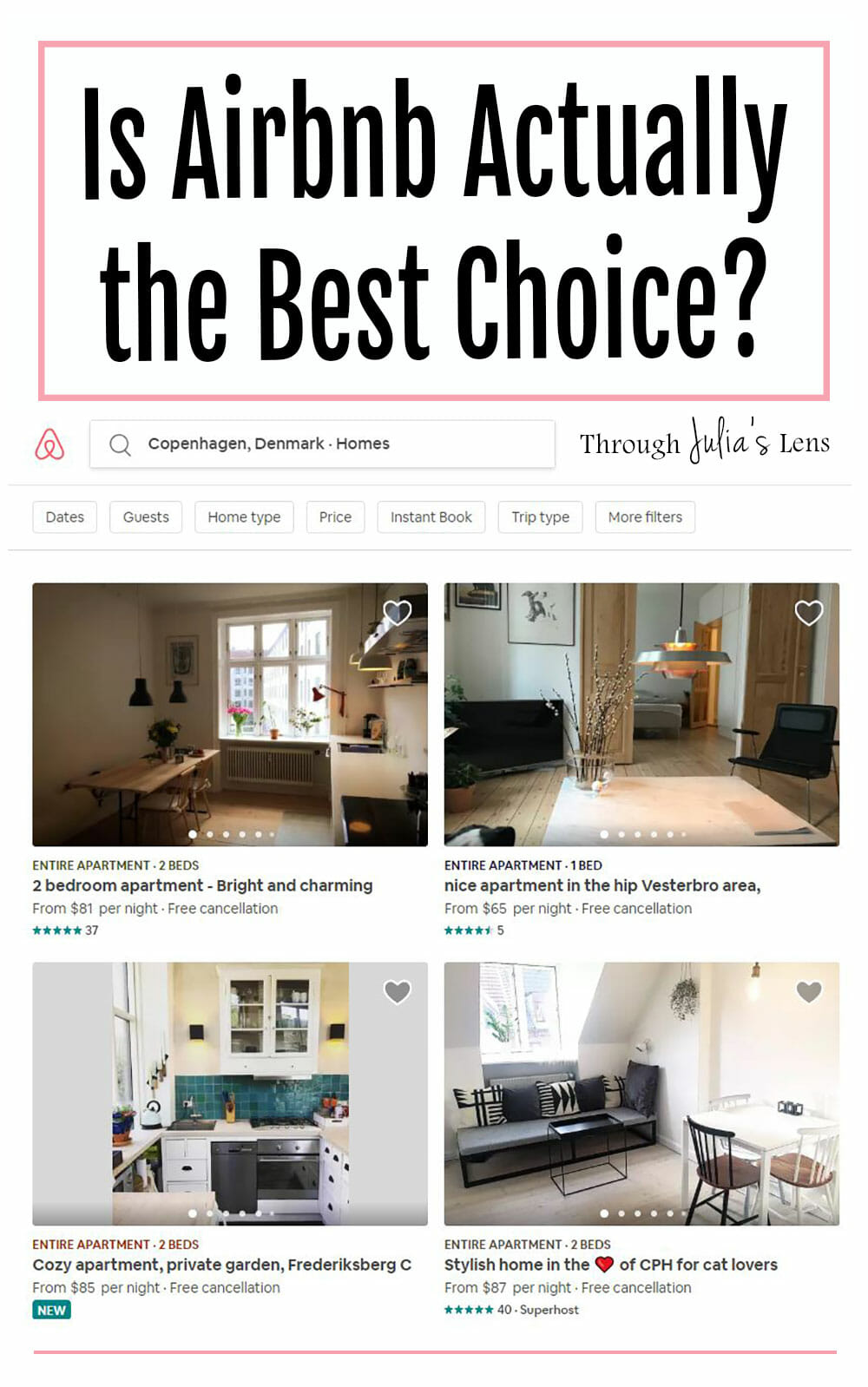
The Financial Ecosystem for Hosts and Real Estate Investors
Beyond the casual host, a sophisticated ecosystem of real estate investors has emerged, using Airbnb as their primary vehicle for wealth creation. This has led to the rise of “professionalized hosting,” where individuals manage dozens of properties as a full-time business.
Airbnb Arbitrage: The Low-Capital Entry Strategy
One of the most discussed financial strategies in the “online income” space is Airbnb Arbitrage. This involves a person signing a long-term lease on a property (with the landlord’s permission) and then re-renting it on Airbnb for a profit. The financial benefit here is leverage: the “arbitrager” does not need a massive down payment to buy the property. They only need the first month’s rent, a security deposit, and furniture costs. If the Airbnb revenue exceeds the rent and operating expenses, the investor pockets the difference as cash flow.
Tax Implications and Financial Regulatory Landscape
From a business finance perspective, Airbnb income is treated differently depending on the jurisdiction. In the United States, for example, the “14-day rule” (IRS Section 280A) allows some homeowners to rent out their property for fewer than 15 days a year without paying federal income tax on that revenue. However, for those operating it as a business, income is subject to self-employment tax.
Furthermore, the “regulatory risk” is a major financial factor. Many cities (like New York or Paris) have implemented strict caps or bans on short-term rentals to protect the local housing market. For an investor, a sudden change in local zoning laws can turn a profitable Airbnb into a cash-flow-negative liability overnight.
Evaluating Airbnb as a Publicly Traded Investment
For those who do not wish to manage properties, Airbnb offers a different financial path: equity investment. As a public company, Airbnb’s financial health is a bellwether for the broader travel and tech sectors.
Revenue Streams and Profitability Metrics
Investors looking at ABNB stock focus on “Nights and Experiences Booked” and “Gross Booking Value” (GBV). Airbnb’s revenue is derived from the service fees charged to both guests and hosts. Unlike many “growth” tech companies that struggle with profitability, Airbnb has demonstrated an ability to generate significant Free Cash Flow (FCF). This is largely due to their high margins; once the platform infrastructure is built, the cost of adding one more listing is virtually zero.
Risk Factors: Global Regulation and Market Volatility
The primary financial risks for Airbnb as a corporation are twofold: regulation and competition. As mentioned, local governments are increasingly viewing Airbnb as a contributor to housing shortages, leading to potential “taxation at the source” or outright bans. Additionally, Google Travel and Booking.com are encroaching on Airbnb’s market share by integrating short-term rentals into their search engines. Investors must weigh the company’s brand dominance against these external systemic risks.

Conclusion: The Future of Airbnb in the Global Economy
Ultimately, Airbnb is more than just a travel app; it is a sophisticated financial infrastructure that has redefined the relationship between real estate and income. It has empowered millions of people to become micro-entrepreneurs, provided a new asset class for real estate investors, and offered a high-growth vehicle for stock market participants.
Whether you are looking to earn an extra $500 a month to cover your mortgage or seeking to build a multi-million dollar rental empire, Airbnb provides the platform to do so. However, as the market matures, the “easy money” phase of the sharing economy is transitioning into a more professionalized, regulated, and competitive landscape. Success in the Airbnb ecosystem now requires a disciplined approach to business finance, a keen understanding of local regulations, and a commitment to delivering a high-value product in an increasingly crowded marketplace. For those who can navigate these complexities, Airbnb remains one of the most powerful wealth-building tools of the 21st century.
aViewFromTheCave is a participant in the Amazon Services LLC Associates Program, an affiliate advertising program designed to provide a means for sites to earn advertising fees by advertising and linking to Amazon.com. Amazon, the Amazon logo, AmazonSupply, and the AmazonSupply logo are trademarks of Amazon.com, Inc. or its affiliates. As an Amazon Associate we earn affiliate commissions from qualifying purchases.