
The search for the “best” credit card is a fundamental milestone in a well-rounded personal finance journey. However, the reality is that there is no single card that reigns supreme for every consumer. The financial landscape is diverse, and the “best” card is entirely dependent on an individual’s spending habits, credit profile, and long-term financial goals. For some, the best card is one that offers a straightforward 2% back on every purchase; for others, it is a high-tier travel card that provides lounge access and luxury hotel upgrades.
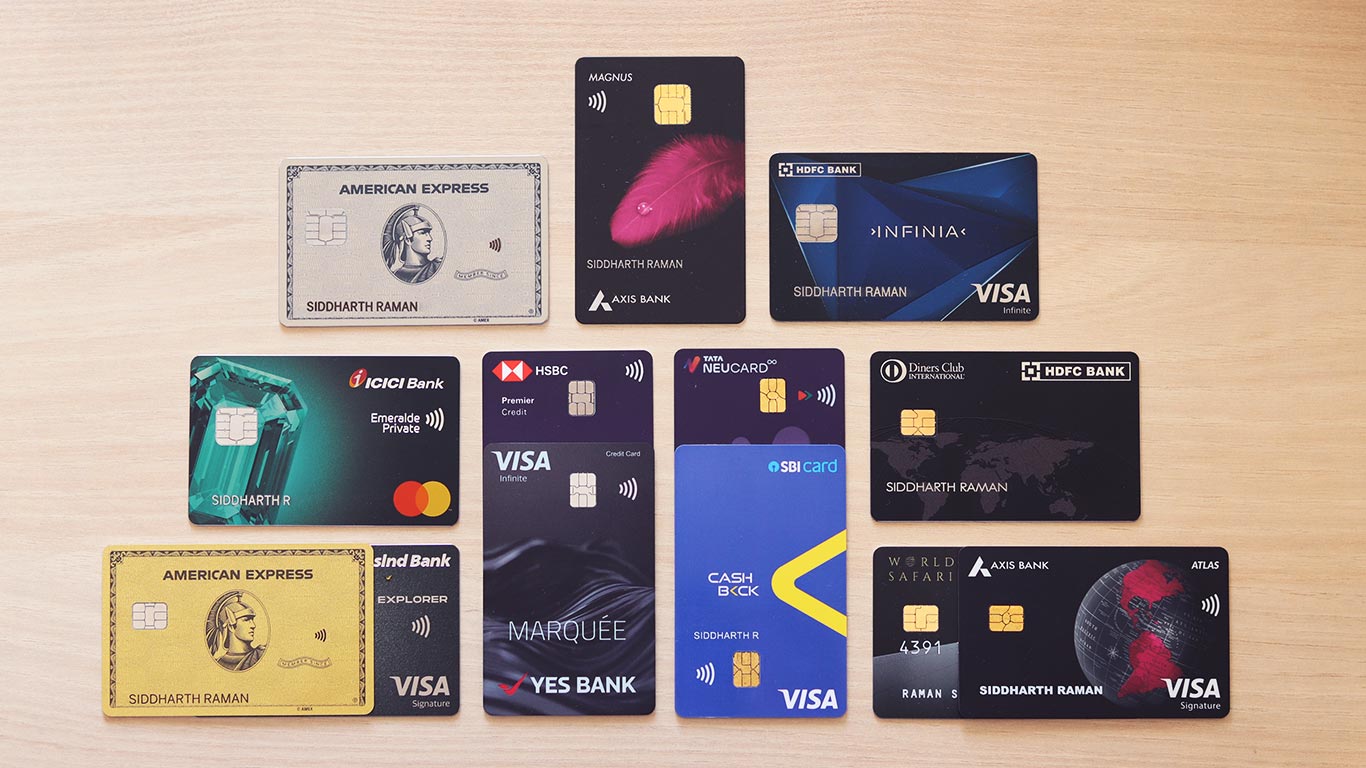
In this guide, we will move beyond the superficial marketing of sign-up bonuses and dive into the strategic framework required to identify which credit card will serve as the most powerful tool in your financial arsenal.
Understanding Your Financial Profile: The Foundation of Choice
Before looking at specific card offers, you must conduct a rigorous self-assessment. A credit card is a double-edged sword: it can be a wealth-building tool that generates thousands of dollars in rewards, or it can be a high-interest debt trap that hinders your financial independence.
Analyzing Your Spending Habits
The most effective way to choose a credit card is to look backward at your last six months of expenses. Categorize your spending into buckets: groceries, dining out, travel, gas/commuting, and “everything else.”
If the majority of your budget goes toward household essentials and groceries, a card that offers 6% back at supermarkets will far outperform a travel card that offers 3x points on flights. Conversely, if you are a digital nomad or a frequent business traveler, a card that prioritizes travel credits and airport lounge access will provide more tangible value than a retail-focused card.
Evaluating Your Credit Score and Eligibility
Your credit score is the gatekeeper of the industry’s top-tier offers. Generally, credit cards are categorized by the credit range they require:
- Excellent (740–850): Access to the highest rewards rates, premium travel perks, and the lowest interest rates.
- Good (670–739): Access to solid cash-back cards and mid-tier travel cards.
- Fair/Poor (300–669): Focus shifts from rewards to “rebuilding.” These usually include secured cards or cards with lower limits and fewer perks.
Understanding where you stand allows you to apply for cards you are likely to be approved for, preventing unnecessary “hard inquiries” on your credit report that can temporarily dip your score.
Decoding Rewards Structures: Cash Back vs. Points and Miles
Once you understand your spending, you must decide on the currency you want to earn. This is the primary divide in the credit card world: the simplicity of cash versus the high-ceiling potential of travel points.
The Case for Cash Back: Simplicity and Liquidity
Cash-back cards are the gold standard for those who value simplicity and immediate utility. The rewards are transparent—1% to 5% of your purchase is returned to you as a statement credit or a deposit into your bank account.
There are two main types of cash-back structures:
- Flat-Rate Cards: These offer a consistent percentage (e.g., 2%) on every purchase regardless of the category. These are ideal for those who want a “set it and forget it” strategy.
- Tiered or Rotating Category Cards: These offer higher percentages (e.g., 5%) on specific categories like gas or streaming services, often requiring you to “activate” the bonus each quarter. These are best for “optimizers” who don’t mind carrying multiple cards to maximize every dollar.
The Case for Points and Miles: Maximizing Value
Travel rewards cards earn “points” or “miles” instead of cents. While more complex, these can be significantly more valuable if you know how to use them. For example, 50,000 points might be worth $500 in cash, but if transferred to a partner airline, they could be used to book a business-class seat worth $2,000.
The “best” travel cards usually belong to a larger ecosystem (such as Chase Ultimate Rewards, American Express Membership Rewards, or Capital One Venture). The power of these ecosystems lies in transferability. Being able to move points to various airlines and hotel chains gives you the flexibility to find the “sweet spots” in redemption charts, effectively giving you a higher return on your spending than cash back ever could.
Essential Features Beyond Rewards: Fees, APRs, and Perks
While marketing focuses on rewards, the structural features of a card—annual fees and interest rates—often determine its true cost-benefit ratio.
The Math of Annual Fees
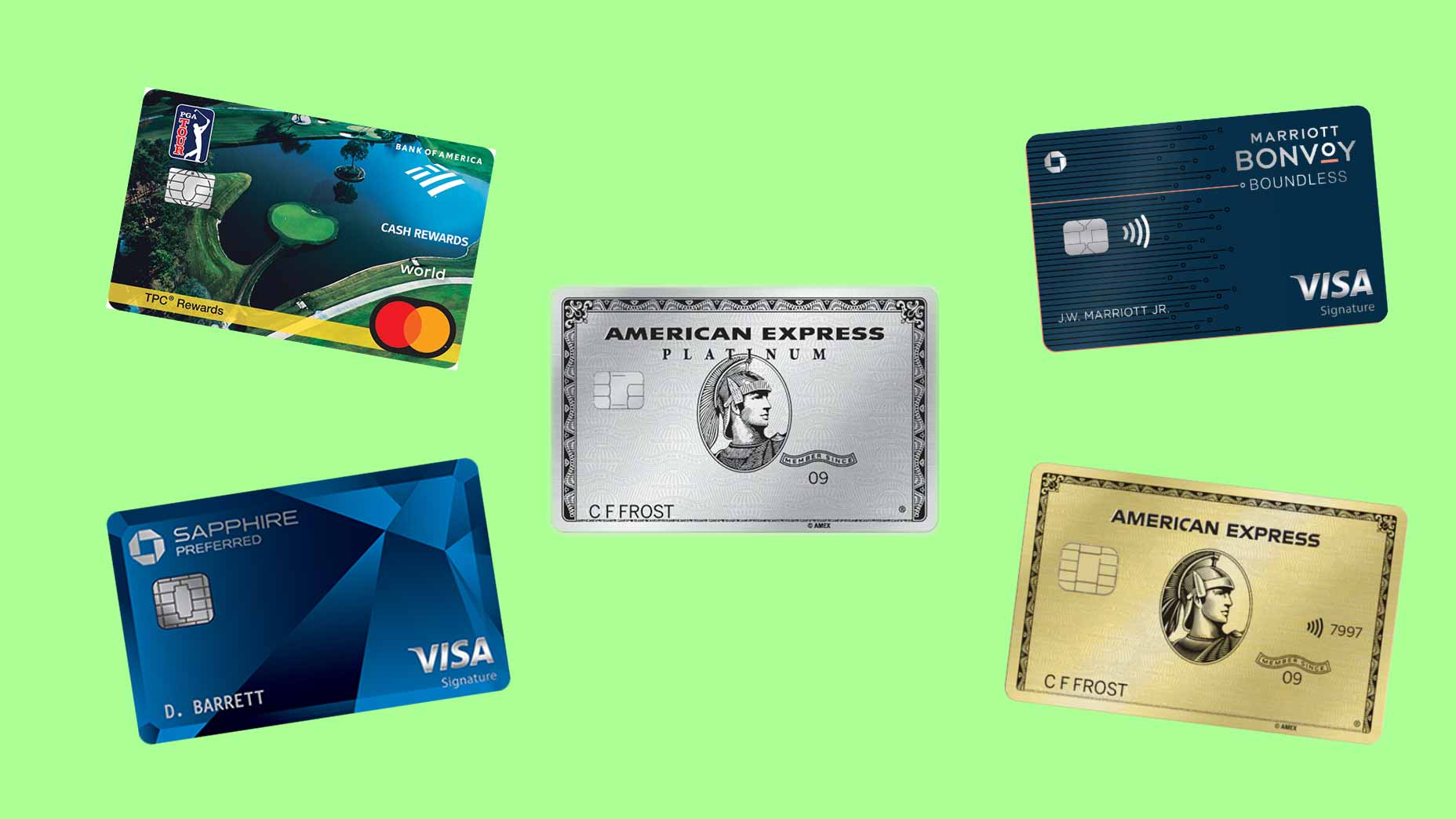
Many of the “best” credit cards come with annual fees ranging from $95 to $695. A common mistake is avoiding these fees at all costs. In reality, a $250 annual fee card might provide a $200 travel credit, a $100 hotel credit, and a higher earning rate on your biggest spending categories.
To determine if a card is worth it, perform a “Breakeven Analysis”:
(Total Annual Value of Perks + Estimated Annual Rewards) – Annual Fee = Net Profit.
If the Net Profit is higher than what you would earn on a no-fee card, the “expensive” card is actually the better deal.
Interest Rates (APR) and the Debt Trap
For the “best” card to remain an asset, you must pay the balance in full every month. If you carry a balance, the interest rate (usually 18% to 29%) will quickly negate any rewards you earn.
However, if you are currently in debt or planning a large purchase, the “best” card for you might be a 0% Intro APR card. These cards allow you to carry a balance for 12 to 21 months without accruing interest, providing a valuable window for debt consolidation or interest-free financing for a major life event.
Consumer Protections and Secondary Benefits
High-quality cards offer “invisible” benefits that can save you thousands. These include:
- Primary Rental Car Insurance: Saves you $15–$30 per day on rental insurance.
- Purchase Protection: Covers your new phone or laptop if it’s stolen or damaged within 90 days.
- Extended Warranty: Adds an extra year to the manufacturer’s warranty on electronics.
- Cell Phone Protection: Covers repair or replacement if you pay your monthly bill with the card.
Specialized Cards for Specific Financial Goals
Sometimes, the best card isn’t about maximizing points; it’s about solving a specific financial problem.
Building and Rebuilding: Secured and Student Cards
For those with a limited credit history, “Secured Cards” are the most effective tool. These require a refundable security deposit that serves as your credit limit. They are designed to report your on-time payments to the credit bureaus, helping you graduate to a traditional “unsecured” card within 6 to 12 months.
Similarly, Student Cards offer a path for young adults to begin building credit with lower entry barriers and rewards tailored to a student lifestyle, such as “Good Grade” bonuses.
Business Credit Cards for Entrepreneurs
If you have a side hustle, freelance business, or a startup, a business credit card is essential for separating personal and professional finances. These cards offer higher credit limits and rewards categories tailored to business needs, such as office supplies, internet services, and social media advertising. Furthermore, many business cards do not appear on your personal credit report (unless you default), which helps keep your personal credit utilization low.
Strategic Execution: How to Choose and Apply
Once you have identified your spending habits and your preferred rewards currency, the final step is a tactical application.
Utilizing Comparison Tools and Pre-Approval
Never apply blindly. Use reputable financial comparison websites to view side-by-side breakdowns of current offers. More importantly, utilize “Pre-Approval” or “Pre-Qualification” tools offered on bank websites. these use a “soft pull” on your credit, meaning they won’t hurt your score, to tell you if you are likely to be accepted before you submit a formal application.
The Rule of the Sign-Up Bonus
The fastest way to gain value from a new card is the Sign-Up Bonus (SUB). This is a lump sum of points or cash given after you spend a certain amount within the first few months. When choosing between two similar cards, the one with the higher SUB often wins out in the first year. However, ensure that the “minimum spend” requirement fits within your natural budget; you should never overspend just to earn a bonus.
Conclusion: Your “Best” Card Is a Living Strategy
The best credit card for you today may not be the best card for you five years from now. As your income grows, your travel preferences evolve, or your family size increases, your wallet should adapt accordingly.
A sophisticated approach to personal finance often involves a “two-card strategy”: one card that offers high rewards in your top spending category (like groceries or travel) and a secondary flat-rate card for everything else. By aligning your plastic with your purpose, you transform a simple payment method into a high-performance engine for wealth and utility. The “best” card isn’t the one with the flashiest metal design; it’s the one that puts the most value back into your pocket based on the life you already lead.
aViewFromTheCave is a participant in the Amazon Services LLC Associates Program, an affiliate advertising program designed to provide a means for sites to earn advertising fees by advertising and linking to Amazon.com. Amazon, the Amazon logo, AmazonSupply, and the AmazonSupply logo are trademarks of Amazon.com, Inc. or its affiliates. As an Amazon Associate we earn affiliate commissions from qualifying purchases.