
For most individuals, a vehicle represents one of the most significant line items in their personal balance sheet. It is a depreciating asset that requires ongoing capital for maintenance, insurance, and fuel. However, when the time comes to liquidate this asset, the process should be viewed through a strictly financial lens: a strategic divestment aimed at maximizing return on investment (ROI) and minimizing transaction costs.
Selling a car is not merely a logistical task; it is a financial negotiation. Whether you are looking to upgrade your primary mode of transportation or liquidating a side asset to bolster your investment portfolio, understanding the nuances of the used car market is essential. This guide explores the financial mechanics of selling a car, from valuation strategies to mitigating fiscal risk during the transaction.
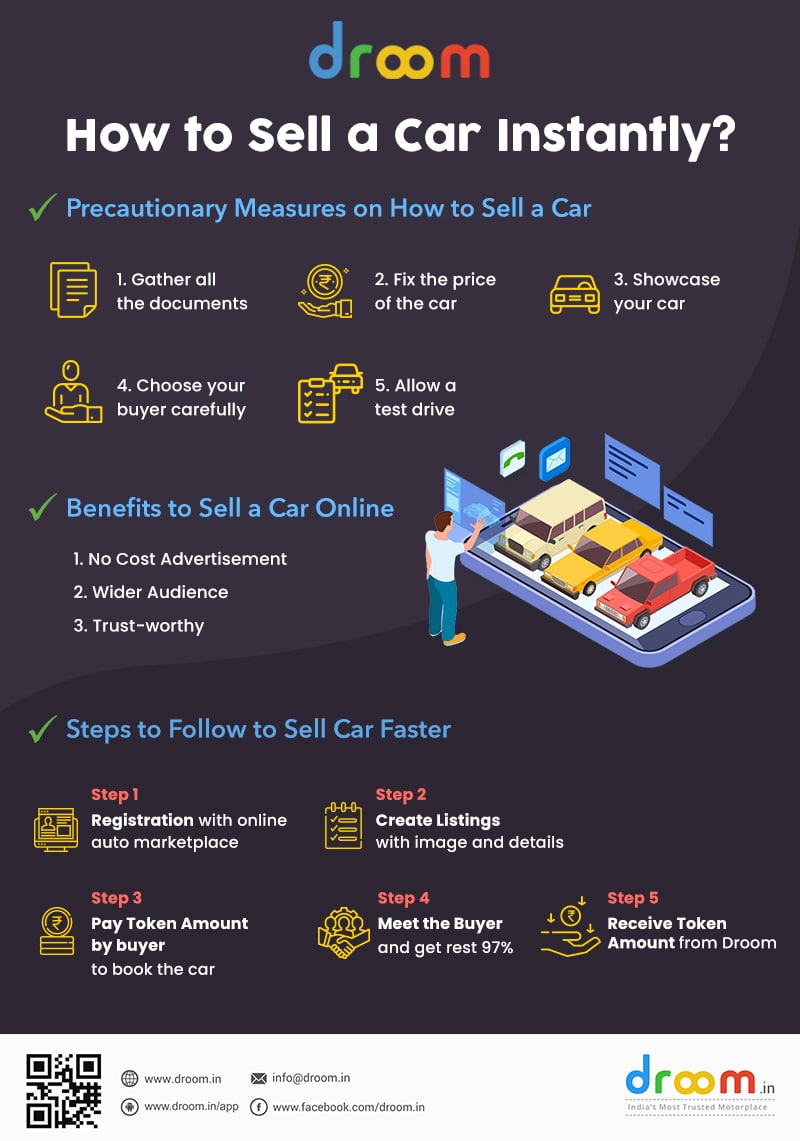
Evaluating Your Asset: Market Timing and Valuation
The first step in any successful divestment is accurate valuation. In the world of personal finance, overestimating an asset’s value leads to stagnation (the car won’t sell), while underestimating it results in “leaving money on the table.”
Understanding Depreciation and Market Volatility
Automobiles are notorious for their steep depreciation curves, often losing 15% to 20% of their value in the first year alone. However, the used car market is not static. External economic factors—such as supply chain disruptions in new vehicle manufacturing or shifts in interest rates—can create “pockets” of value. For instance, during periods of high inflation, used vehicle prices may remain artificially buoyant. Before listing your vehicle, analyze current market trends. Are fuel-efficient hybrids currently in high demand? Is there a seasonal surge for 4WD vehicles as winter approaches? Timing your sale to coincide with high demand is the simplest way to ensure a higher sale price.
Leveraging Valuation Tools for a Competitive Edge
To arrive at a “strike price,” you must consult multiple data points. Tools like Kelly Blue Book (KBB), Edmunds, and J.D. Power provide a baseline, but these are often lagging indicators. For a real-time financial snapshot, examine “sold” listings on peer-to-peer marketplaces and check the “Instant Cash Offer” prices from institutional buyers. By triangulating these figures, you can establish a three-tier pricing strategy: your “aspirational price” (the high end of the market), your “fair market value” (where you expect to land), and your “floor price” (the lowest amount you will accept to maintain financial viability).
Maximizing ROI: Preparation as a Financial Strategy
In the context of business finance, the “presentation” of an asset directly correlates to its perceived value. When selling a car, small capital outlays in the short term can lead to significant gains in the final sale price.
The Cost-Benefit of Repairs and Detailing
One of the most common financial dilemmas is determining which repairs are worth the investment. As a rule of professional finance, focus on repairs that provide a high “curb appeal” or address major red flags that would give a buyer leverage to negotiate the price down. A professional detail, costing perhaps $200, can often add $500 to $1,000 to the perceived value of the vehicle. Conversely, expensive mechanical repairs—such as a transmission overhaul—rarely return 100% of their cost. In such cases, it may be more financially prudent to disclose the issue and lower the asking price accordingly, rather than sinking more capital into a departing asset.
Documentation as a Value-Add
A vehicle with a complete, transparent service history is a “low-risk” asset. In financial terms, transparency reduces the “risk premium” a buyer might otherwise demand in the form of a lower price. Consolidate all maintenance records, warranty information, and proof of recent part replacements. Providing a comprehensive vehicle history report (such as Carfax or AutoCheck) at your own expense demonstrates professional due diligence and can justify a premium price point, as it reassures the buyer against the “hidden costs” of a lemons.
Navigating the Marketplace: Private Sale vs. Trade-In
The channel through which you sell your car will be the single largest factor in determining your net proceeds. Each path offers a different trade-off between liquidity (speed) and profit margin.
The Financial Pros and Cons of Private Listings
Selling a vehicle privately is almost always the most profitable route. By bypassing the “middleman” (the dealership), you capture the full market value of the asset. In a private sale, you are essentially earning the “spread” that a dealer would have taken for their overhead and profit. However, this route requires an investment of “sweat equity”—time spent listing the car, responding to inquiries, and meeting potential buyers. From a personal finance perspective, you must calculate your hourly rate; if you spend 20 hours selling a car to earn an extra $2,000, your effective “earnings” are $100 per hour.
Instant Cash Offers and Institutional Buyers
For those prioritizing liquidity and speed, institutional buyers like CarMax, Carvana, or local dealership “buy centers” offer a streamlined alternative. While these entities will offer a price below private-party value (to account for their own profit margins), they provide a guaranteed exit strategy. Furthermore, in many jurisdictions, trading in a vehicle at a dealership offers a significant tax advantage. If you are buying a new car for $40,000 and trading in your old one for $15,000, you may only be required to pay sales tax on the $25,000 difference. Depending on your local tax rate, this “tax credit” can bridge the gap between a low trade-in offer and a higher private sale price.
Financial Security and Transaction Management
The final stage of the sale is the most critical regarding risk management. A high sale price is meaningless if the transaction falls through or if you fall victim to financial fraud.
Vetting Buyers and Avoiding Payment Fraud
In the digital age, peer-to-peer transactions carry inherent risks. To protect your capital, insist on secure payment methods. Cash is king, but for high-value transactions, it can be impractical and risky to carry. A cashier’s check is a common alternative, but these can be forged. The gold standard for financial security is meeting the buyer at their bank and witnessing the teller issue the check or facilitate a direct wire transfer. Avoid “escrow” services recommended by the buyer, as these are often sophisticated phishing sites designed to steal your vehicle and your personal data.
Handling Titles, Taxes, and Legal Liabilities
The transaction is not complete until the legal liability has been transferred. From a financial liability standpoint, you must ensure the title is signed correctly and a bill of sale is executed. Failing to notify your local Department of Motor Vehicles (DMV) or equivalent authority that the vehicle has been sold could leave you financially responsible for the new owner’s tickets, accidents, or impound fees. Additionally, remember to cancel your insurance policy immediately after the sale to receive a pro-rated refund of your premiums—a small but important step in reclaiming every cent of your automotive budget.
Reinvesting the Proceeds: Wealth Management Post-Sale
Once the sale is finalized and the funds are in your account, the focus shifts from divestment to capital allocation. How you handle these proceeds can significantly impact your long-term financial health.
Allocating Funds to High-Yield Savings or New Assets
If you do not need to replace the vehicle immediately, the proceeds should be treated as an infusion of capital into your broader portfolio. In a high-interest-rate environment, placing the money in a High-Yield Savings Account (HYSA) or a short-term Certificate of Deposit (CD) can allow the capital to grow while you contemplate your next move. Alternatively, if the sale was intended to pay down high-interest debt (such as credit card balances), the “return” on that sale is effectively the interest rate you are no longer paying—often as high as 20-25%.

The Opportunity Cost of the Next Purchase
Finally, use the clarity of a fresh sale to evaluate your future transportation needs. The “wealthiest” way to own a car is to buy a reliable, used vehicle that has already cleared the steepest part of its depreciation curve and to hold it until maintenance costs exceed its utility. By applying the same financial rigor to your next purchase that you applied to your sale, you can turn a cycle of constant automotive debt into a manageable strategy for wealth preservation.
Selling a car is more than a simple exchange of keys for cash; it is a sophisticated financial exit. By approaching the process with a focus on valuation, ROI-driven preparation, and secure transaction management, you ensure that your vehicle—even as a depreciating asset—serves your overarching financial goals.
aViewFromTheCave is a participant in the Amazon Services LLC Associates Program, an affiliate advertising program designed to provide a means for sites to earn advertising fees by advertising and linking to Amazon.com. Amazon, the Amazon logo, AmazonSupply, and the AmazonSupply logo are trademarks of Amazon.com, Inc. or its affiliates. As an Amazon Associate we earn affiliate commissions from qualifying purchases.