
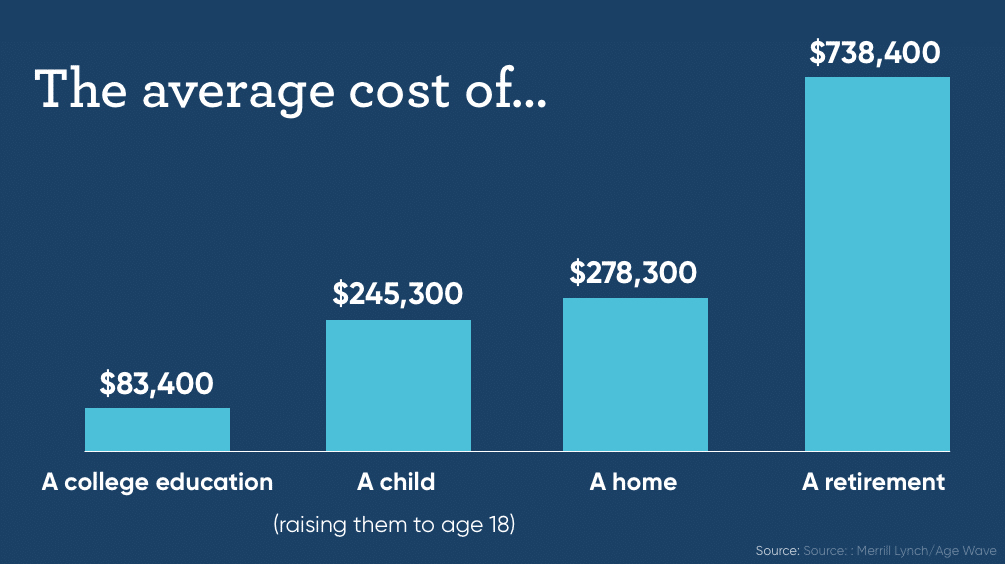
The question of how much money is required for retirement is perhaps the most significant financial calculation an individual will ever make. For decades, the “million-dollar mark” was held up as the gold standard of financial security. However, in an era of fluctuating inflation, increasing longevity, and the gradual disappearance of traditional pensions, the answer is no longer a one-size-fits-all figure. Determining your retirement “number” requires a deep dive into your anticipated lifestyle, your geographic location, and your tolerance for market risk.
To achieve a comfortable retirement, you must shift your perspective from saving a random lump sum to generating a sustainable stream of lifelong income. This guide explores the essential frameworks, mathematical models, and strategic considerations necessary to determine exactly how much you will need to retire with confidence.
Determining Your Retirement Spending Requirements
The foundation of any retirement plan is not what you earn today, but what you expect to spend tomorrow. Many financial planners suggest that retirees will need between 70% and 80% of their pre-retirement annual income to maintain their current standard of living. However, this “rule of thumb” can be misleading if your post-career goals differ significantly from your working years.
The 80% Rule and Beyond
The logic behind needing less income in retirement is based on the elimination of certain costs. You will no longer be contributing to retirement accounts, payroll taxes (Social Security and Medicare) will decrease, and your work-related expenses—such as commuting, professional wardrobes, and daily lunches—will vanish. Furthermore, many retirees aim to have their mortgages paid off by the time they stop working.
However, it is vital to recognize that while some costs decrease, others often rise. Travel, hobbies, and leisure activities frequently consume the surplus created by lower work expenses, especially in the early “go-go” years of retirement. A more accurate way to estimate your needs is to build a “bottom-up” budget that accounts for fixed costs (housing, utilities, food) and discretionary costs (entertainment, travel, gifting).
Accounting for Healthcare and Long-Term Care
The single greatest wildcard in retirement planning is healthcare. According to recent data from Fidelity, a 65-year-old couple retiring today can expect to spend approximately $315,000 on healthcare costs throughout their retirement, excluding long-term care.
Medicare covers many expenses, but it does not cover everything. Deductibles, copayments, and services like dental and vision can add up quickly. Moreover, the potential need for assisted living or nursing home care can deplete even a robust nest egg in a matter of years. Incorporating a dedicated health savings account (HSA) or investigating long-term care insurance should be a primary component of your spending analysis.
Factoring in Inflation and Purchasing Power
When calculating your future needs, you must account for the eroding power of inflation. A $5,000 monthly budget today will not have the same purchasing power in 20 or 30 years. Historically, inflation averages around 3% annually. At this rate, prices double approximately every 24 years. Your retirement “number” must be inflation-adjusted to ensure that your quality of life does not diminish as you age.
Proven Frameworks for Calculating Your Target Number
Once you have a clear picture of your annual spending needs, you can work backward to determine the total portfolio size required to support that spending. Financial experts generally rely on two primary methods: the Multiplier Method and the 4% Rule.
The 4% Rule and Sustainable Withdrawal Rates
Developed from the “Trinity Study,” the 4% Rule is a cornerstone of retirement planning. It suggests that if you withdraw 4% of your initial portfolio balance in the first year of retirement and adjust that amount for inflation every year thereafter, your money has a high probability of lasting 30 years.
For example, if you determine you need $60,000 per year from your savings to supplement other income sources, you would divide $60,000 by 0.04. This results in a target portfolio of $1.5 million. While the 4% rule is a helpful starting point, it is not infallible. In periods of low market returns or high inflation, some experts suggest a more conservative withdrawal rate of 3.3% to 3.5% to ensure the portfolio’s longevity.
The Multiplier Method (25x Expenses)
A simpler variation of the 4% Rule is the “25x Expenses” model. This calculation dictates that you need to save 25 times your anticipated annual retirement expenses. If your projected annual spending is $80,000, and you expect to receive $20,000 from Social Security, your “gap” is $60,000. Multiplying $60,000 by 25 gives you a target of $1.5 million.
This method provides a tangible goal for savers. It also emphasizes the power of lifestyle optimization: for every $1,000 you can shave off your annual retirement budget, you reduce your total savings goal by $25,000.

Managing Sequence of Returns Risk
The math of retirement is different from the math of accumulation because of “sequence of returns risk.” This is the risk that the market experiences a significant downturn in the years immediately preceding or following your retirement date. If you are forced to sell assets to fund your lifestyle while the market is down, your portfolio may never recover. To mitigate this, many retirees keep 1–3 years of cash or liquid “buffer” assets to avoid selling stocks during a bear market.
Diversifying Income Streams and Tax Considerations
Your retirement “number” isn’t just about a single brokerage account; it’s a mosaic of different income sources, each with different tax implications. Understanding how these pieces fit together can significantly lower the total amount you need to save.
Maximizing Social Security and Pensions
Social Security serves as an inflation-indexed floor for most retirees. The age at which you claim these benefits significantly impacts your monthly payout. While you can claim as early as age 62, your benefits increase by approximately 8% for every year you wait until age 70. For many, delaying Social Security acts as a form of “longevity insurance,” providing a larger guaranteed check that lasts as long as they live. If you are fortunate enough to have a corporate or government pension, this similarly reduces the pressure on your personal investment portfolio.
The Role of Tax-Advantaged Accounts
Not all dollars are created equal. A $1 million balance in a Traditional 401(k) is not the same as $1 million in a Roth IRA. Withdrawals from Traditional accounts are taxed as ordinary income, meaning the IRS may effectively “own” 15% to 25% of that balance. Conversely, Roth accounts allow for tax-free withdrawals.
To determine how much you truly need, you must calculate your after-tax requirements. Strategies like “tax-loss harvesting” and “Roth conversions” during low-income years can help optimize your withdrawals and extend the life of your nest egg.
Passive Income and Real Estate
Many investors lower their required retirement number by building secondary income streams. Rental properties, dividend-paying stocks, and small business interests can provide consistent cash flow that doesn’t require liquidating principal. If your passive income covers 50% of your expenses, your “25x” target only needs to apply to the remaining 50%, making your retirement goal much more attainable.
Strategies for Closing the Savings Gap
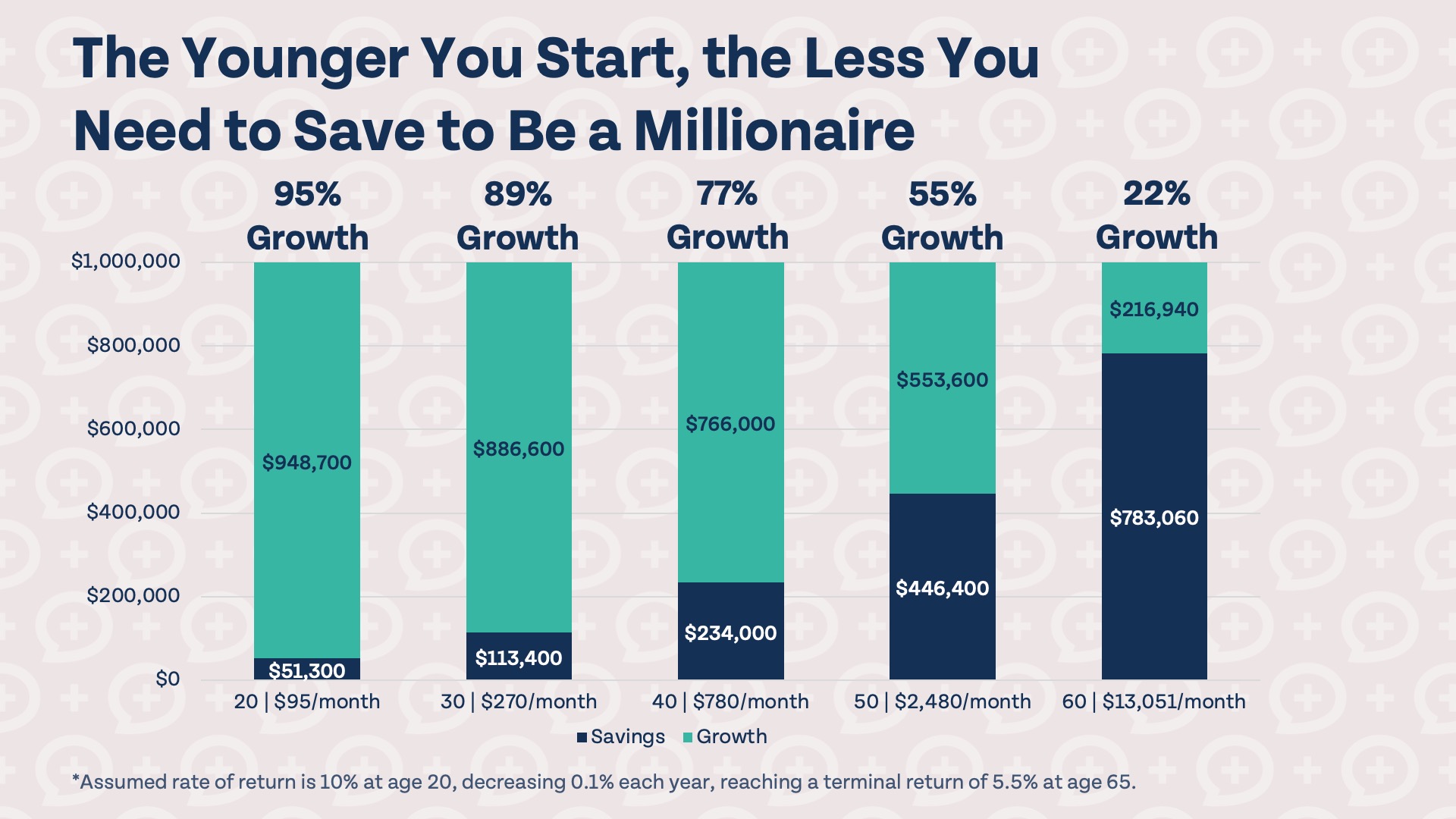
If your calculations reveal a gap between what you have and what you need, there are several levers you can pull to get back on track. The key is to act as early as possible to allow compound interest to do the heavy lifting.
Utilizing Catch-Up Contributions
The IRS allows individuals aged 50 and older to make “catch-up contributions” to their 401(k) and IRA accounts. These additional limits allow late-starters to aggressively shield income from taxes and bolster their savings in the final decade of their career. Consistently hitting these maximums can result in a significant boost to your final portfolio value.
Expense Optimization and Downsizing
One of the most effective ways to lower your retirement number is to lower your cost of living. This might involve “geographic arbitrage”—moving from a high-cost-of-living state to a more affordable area or even retiring abroad. Downsizing from a large family home to a smaller, more efficient residence can also unlock equity that can be reinvested into your retirement portfolio while simultaneously lowering monthly maintenance and utility costs.
Rethinking the Retirement Timeline
If the numbers don’t align, delaying retirement by even two or three years can have a transformative effect on your financial security. A shorter retirement means your savings don’t have to last as long, you have more years to contribute to your accounts, and your Social Security benefits will be higher. Alternatively, many are opting for “Phased Retirement” or “Barista FIRE,” where they work part-time in a less stressful field to cover basic expenses while allowing their primary investments to continue growing untouched.
Conclusion: The Path to Financial Peace of Mind
Ultimately, the answer to “how much will I need to retire” is deeply personal. It is a balance between your current sacrifices and your future desires. By using the 4% rule as a baseline, accounting for the rising costs of healthcare, and understanding the tax implications of your accounts, you can move from guesswork to a data-driven strategy.
Retirement planning is not a static event but an evolving process. It requires regular check-ins to adjust for market performance, changes in tax law, and shifts in your personal health and goals. With a disciplined approach to saving and a clear understanding of your spending needs, you can build a financial foundation that provides not just a “number,” but the freedom to enjoy your post-career years with total peace of mind.
aViewFromTheCave is a participant in the Amazon Services LLC Associates Program, an affiliate advertising program designed to provide a means for sites to earn advertising fees by advertising and linking to Amazon.com. Amazon, the Amazon logo, AmazonSupply, and the AmazonSupply logo are trademarks of Amazon.com, Inc. or its affiliates. As an Amazon Associate we earn affiliate commissions from qualifying purchases.