
In an era dominated by smartphones, instant messaging, and Voice over IP (VoIP) services, the concept of a traditional landline phone might seem like a relic from the past. However, for many individuals and businesses, a landline remains an indispensable tool, offering unparalleled reliability, security, and sound quality that digital alternatives sometimes struggle to match. Whether you’re seeking a stable communication backbone for your home office, a dependable link for emergency services, or simply prefer the clarity of a dedicated line, understanding how to get a landline phone installed is a valuable skill.
This comprehensive guide will walk you through every step of the process, from initial research to the final activation, all while subtly integrating insights relevant to technology, brand considerations, and personal finance.
Why a Landline Still Matters in the Digital Age
Before diving into the mechanics of installation, it’s worth exploring why a landline continues to hold relevance in our hyper-connected world. Far from being obsolete, landlines offer unique advantages that align surprisingly well with modern needs, touching upon aspects of Tech, Money, and even Brand perception.
Unpacking the Tech & Reliability Factor
From a technological standpoint, traditional landlines, often referred to as Plain Old Telephone Service (POTS), operate on a dedicated copper wire infrastructure. This physical connection offers inherent advantages:
- Unmatched Reliability: Unlike cellular networks or internet-dependent VoIP services, landlines are largely unaffected by power outages (as they often draw power from the telephone company’s central office), internet disruptions, or network congestion. This makes them a critical communication tool during emergencies or natural disasters when other services may fail.
- Superior Sound Quality: Dedicated lines typically provide crystal-clear voice transmission without the latency, compression artifacts, or dropped calls sometimes associated with wireless or internet-based communications. For crucial business calls or elderly users, this clarity can be paramount.
- Enhanced Digital Security: While not directly connected to the internet, a landline provides a secure, private communication channel less susceptible to internet-based hacking, phishing attempts, or data breaches that plague digital communications. For sensitive conversations, this layer of privacy is invaluable.
- Emergency Service Priority: Landlines automatically provide accurate location data to emergency services (911/999), often more reliably and quickly than mobile phones, especially in rural areas or multi-story buildings where GPS signals can be weak. This is a crucial safety feature that often goes overlooked.
The Money & Financial Prudence Angle
While cell phone plans can be expensive, a landline can surprisingly offer significant financial benefits, particularly when bundled with other services.
- Cost-Effectiveness in Bundles: Many internet service providers (ISPs) and cable companies offer attractive bundles that include internet, TV, and phone services at a reduced combined cost. For households already subscribing to internet and TV, adding a landline can be remarkably cheap, making it a smart personal finance move.
- Predictable Billing: Landline plans typically come with fixed monthly charges, eliminating concerns about exceeding data limits or surprise overage fees common with mobile plans. This predictability aids in budgeting and financial planning.
- Accessibility for All Budgets: For individuals seeking basic communication without the high monthly fees of a smartphone data plan, a landline offers an affordable and dependable alternative.
- Business Savings: For small businesses, a dedicated landline can be more cost-effective for high-volume local calls than multiple cell phone lines, contributing to better business finance management.
Branding & Professional Perception
Even in personal use, and especially for businesses, the choice of communication method can subtly influence perception, touching upon the concept of Brand.
- Professionalism and Stability: A business listed with a landline number often projects an image of stability, reliability, and establishment. For clients or partners, it signals a permanent presence, enhancing corporate identity and trust.
- Consistency for Personal Branding: For freelancers or remote workers, having a reliable landline ensures uninterrupted communication, reinforcing a personal brand of professionalism and availability.
- Customer Service Reputation: Companies that maintain a landline for customer support lines demonstrate a commitment to accessibility and diverse communication channels, positively impacting their brand reputation.
- Accessibility for Diverse Audiences: Not everyone owns a smartphone or has reliable internet access. Providing a landline option ensures your business or personal contacts are accessible to the broadest possible audience.
Pre-Installation Steps: Preparing for Your Connection
The process of getting a landline installed begins well before a technician sets foot on your property. Thoughtful preparation can streamline the entire procedure, saving you time, money, and potential headaches. This phase involves crucial research and decision-making that impact your future communication experience.
1. Checking Availability and Researching Providers
Your first step is to determine which landline providers service your specific address. Unlike the often-competitive wireless market, landline service typically relies on established infrastructure, meaning your options might be regional.
- Identify Local Providers: In most areas, the incumbent local exchange carrier (ILEC), often a major telecom company like AT&T, Verizon (for specific regions), or CenturyLink, will be your primary option. Cable companies (e.g., Xfinity, Spectrum, Cox) also frequently offer landline services as part of their bundled packages, leveraging their existing coaxial or fiber optic networks.
- Online Availability Check: Most providers offer an online tool where you can enter your address to check service availability. This is the quickest way to narrow down your choices.
- Inquire About Infrastructure: Understand if your area is serviced by traditional copper lines (POTS), fiber optics, or a hybrid system. This can influence the quality and types of services available. Fiber optic voice services, for instance, often offer superior clarity and integration with high-speed internet.
2. Choosing the Right Provider and Plan
Once you know who can serve you, the next critical step is to compare providers and select a plan that aligns with your communication needs and budget. This is where a keen eye for Money and Brand considerations comes into play.
- Compare Features and Pricing:
- Call Features: Do you need unlimited local and long-distance calls? International calling options? Caller ID, call waiting, voicemail, call forwarding, or three-way calling?
- Pricing Structure: Understand the monthly base fee, any activation charges, equipment rental fees, and taxes. Some providers offer promotional rates for new customers, so inquire about the regular price after the promotional period.
- Contract Terms: Be aware of any minimum contract periods and early termination fees.
- Bundling Opportunities: As mentioned, bundling internet, TV, and phone services often leads to significant savings. Evaluate these packages to see if they offer a better overall value for your personal finance, even if your primary goal is just the landline.
- Provider Reputation (Brand): Research customer reviews and ratings for each provider. How do they handle technical support? What is their track record for reliability and customer service? A provider with a strong brand reputation for customer satisfaction is often worth a slightly higher price. Look for case studies or independent reviews to gauge their performance.
- Digital Security Offerings: While landlines are inherently secure, some providers may offer additional features like spam call blocking or fraud alerts, which can enhance your digital security perimeter.
- Required Equipment: Ask if you need to purchase or rent any specific equipment (e.g., a modem if opting for VoIP-based landline through an ISP).
3. Gathering Necessary Information and Scheduling
Once you’ve made your choice, you’ll need to provide some personal and logistical details to finalize the order.
- Personal Information: Your full name, current address, billing address, phone number, and often a Social Security Number or other identification for a credit check.
- Payment Information: A credit card or bank account details for recurring billing.
- Installation Preferences: Discuss preferred dates and times for the technician’s visit. Be aware that specific time slots (e.g., weekends, early mornings) might be limited or incur extra charges.
The Installation Process: What to Expect
The day of installation is when the technical aspects come to life. Knowing what to expect can help you prepare your home and interact effectively with the technician.
1. Technician’s Arrival and Initial Assessment
- Arrival Confirmation: The provider will usually give you a time window. Ensure someone 18 or older is present to grant access to the technician.
- External Wiring Check: The technician will first assess the external wiring connecting your home to the main telephone network. This might involve inspecting utility poles, junction boxes, or underground conduits. They will ensure the line from the street to your house is intact and properly connected.
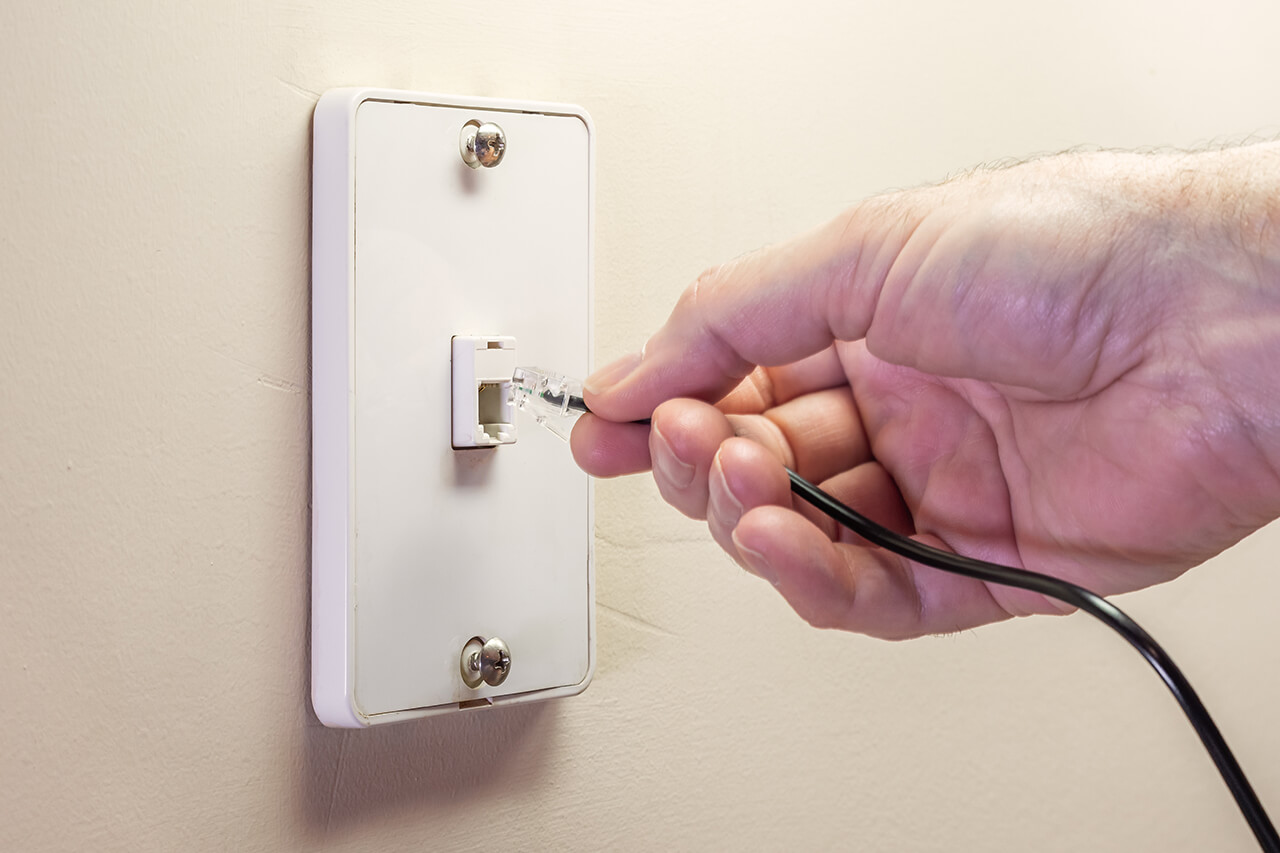
- Internal Wiring Assessment: If you’re getting a new line or reactivating an old one, the technician will check your existing internal wiring and phone jacks. They’ll identify the optimal location for new jacks if needed or test existing ones.
2. Running New Lines and Equipment Setup
- Running New Wires (if necessary): If your home lacks proper phone wiring or if existing wires are damaged, the technician will run new lines. This might involve drilling small holes, running wires along baseboards or through walls, and installing new phone jacks in desired locations. Discuss placement with the technician beforehand to ensure it meets your needs while adhering to safety codes.
- Connecting the Network Interface Device (NID): This is a small box usually found on the outside of your home, where the telephone company’s wiring connects to your internal home wiring. The technician will ensure this is properly installed and functioning.
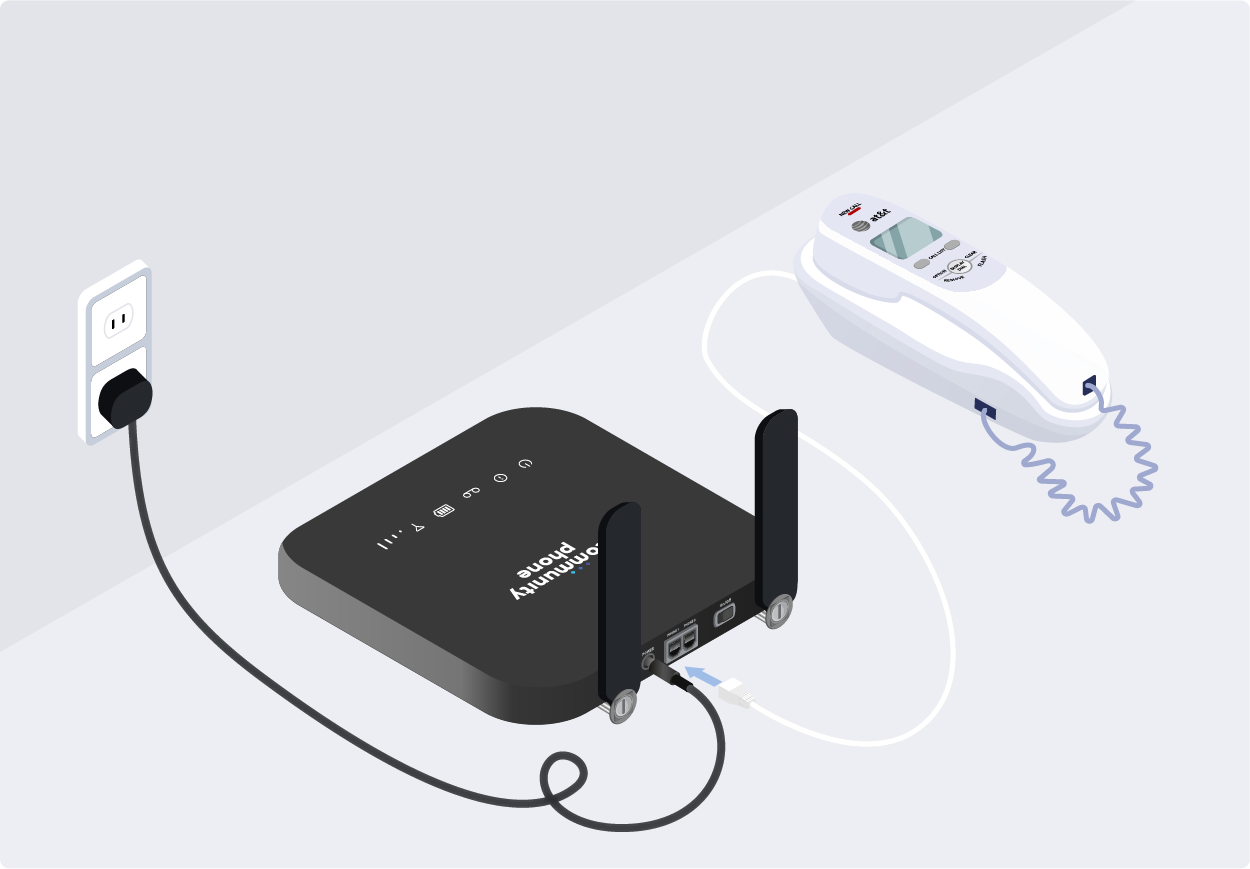
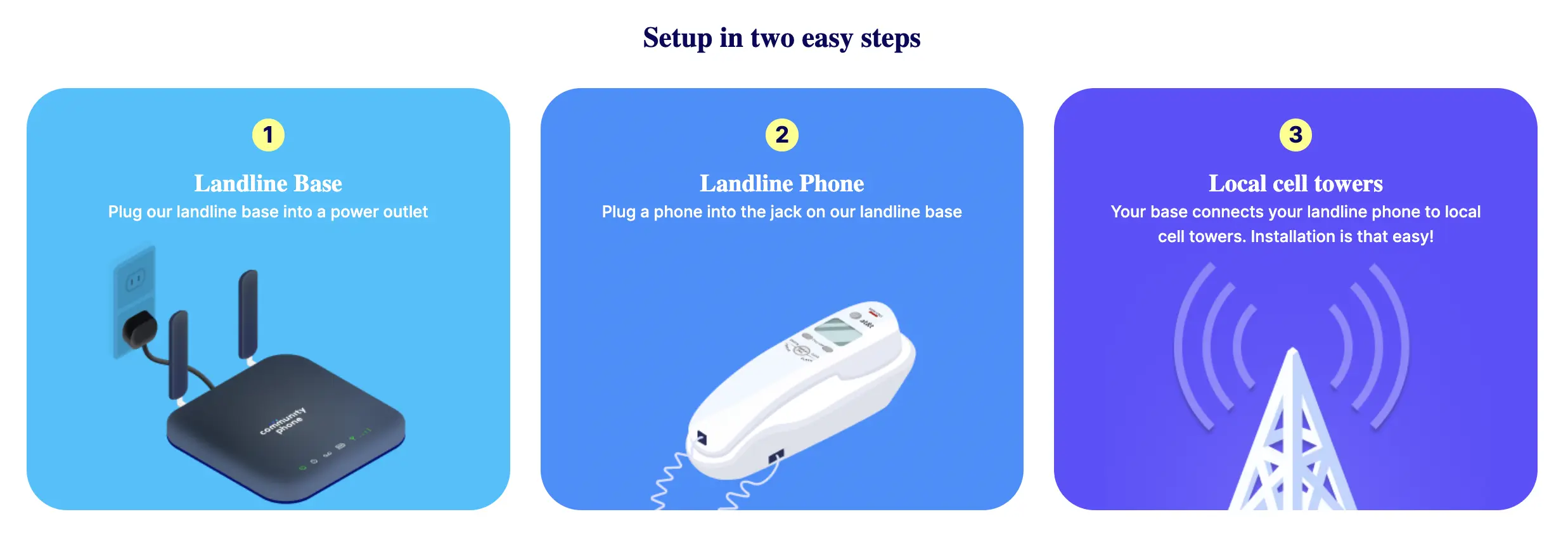
- Connecting Your Phone: Once the lines are active, the technician will connect your landline phone to a jack and test the dial tone and call functionality. If your service is part of a bundle, they might also set up a modem or gateway for internet and voice services.
- VoIP Configuration (if applicable): If your “landline” is actually a VoIP service provided by a cable or internet company, the technician will configure the Analog Telephone Adapter (ATA) or the voice-enabled modem, ensuring the internet connection supports the voice service seamlessly. This highlights the evolving Tech landscape of home phone services.
3. Testing and Activation
- Making a Test Call: The technician will make a test call (often to a designated line) to confirm that your phone is fully operational, both for making and receiving calls. They’ll check for clarity, volume, and any static.
- Explaining Features: They may briefly explain how to use basic features like voicemail, caller ID, or call waiting, depending on your plan. This is a good opportunity to ask any immediate questions.
- Final Sign-off: You’ll usually be asked to sign off on the installation, confirming that the service is active and the work is completed to your satisfaction.
Activating and Optimizing Your New Landline
After the technician leaves, your landline is technically installed, but a few post-installation steps can help you fully activate its features and ensure optimal performance. This stage focuses on leveraging the Tech functionalities and managing your communication experience.
1. Initial Test and Feature Setup
- Independent Testing: Even after the technician tests it, make a few calls yourself – local, long-distance, and to your mobile phone – to ensure everything is working perfectly. Check for any static or dropped calls.
- Voicemail Activation: Access your voicemail service (usually by dialing a specific number or *98) and follow the prompts to set up your greeting, password, and preferences. Personalizing your voicemail is a crucial part of managing your professional or personal Brand.
- Caller ID and Call Waiting: Confirm these features are active. Most phones have settings to manage call waiting beeps or display caller ID information.
- Call Forwarding: If you need to forward calls to another number, learn how to activate and deactivate this feature (often through star codes or an online portal).
2. Managing Your Services and Features
- Online Portal Access: Many providers offer an online portal where you can manage your account, view billing details, and customize phone features (e.g., blocking unwanted numbers, setting up distinctive rings). Familiarize yourself with this tool for better financial management and service control.
- Feature Customization: Explore advanced features like anonymous call rejection, selective call forwarding, or setting up a ‘do not disturb’ mode. These Tech features allow you to tailor the service to your specific needs.
- Troubleshooting Basics: Understand basic troubleshooting steps, such as checking phone cords, ensuring the phone is properly plugged in, and restarting any associated modems if you have a VoIP-based landline. This knowledge empowers you to resolve minor issues quickly, minimizing downtime.
3. Maintenance Tips and Future Considerations
- Protect Your Wiring: Keep phone lines away from high-traffic areas where they might be tripped over or damaged. Protect outdoor NIDs from extreme weather if possible.
- Regular Cleaning: Keep your phone handset and base clean to prevent dust buildup that could affect sound quality or button functionality.
- Review Your Plan Annually: As your communication needs evolve, periodically review your landline plan. Are you still getting the best value for your Money? Are there new bundles or features that would benefit you? This proactive approach ensures you always have the most cost-effective and suitable service.
- Consider Modern Alternatives: While your landline is now installed, stay aware of the evolving Tech landscape. VoIP services continue to improve, and fiber optic infrastructure is expanding. Understanding these alternatives will help you make informed decisions about your communication future.
Conclusion
While the allure of mobile and internet-based communication is undeniable, the traditional landline phone holds a steadfast position for those prioritizing reliability, sound quality, and a stable connection. From bolstering emergency preparedness to providing a consistent backbone for business communication, the benefits extend across various aspects of our lives.
By carefully navigating the pre-installation steps—researching providers, comparing plans that offer value for your Money, and considering the Brand reputation of your chosen service—you lay the groundwork for a successful setup. The installation process itself, though requiring a technician, is straightforward when you know what to expect. Finally, taking the time to activate and optimize your new line’s Tech features ensures you fully harness its capabilities.
Whether you’re making a strategic decision for enhanced digital security, seeking predictable communication costs, or simply valuing the clarity of a dedicated line, getting a landline phone installed is a practical and often overlooked step towards a more reliable communication ecosystem.
aViewFromTheCave is a participant in the Amazon Services LLC Associates Program, an affiliate advertising program designed to provide a means for sites to earn advertising fees by advertising and linking to Amazon.com. Amazon, the Amazon logo, AmazonSupply, and the AmazonSupply logo are trademarks of Amazon.com, Inc. or its affiliates. As an Amazon Associate we earn affiliate commissions from qualifying purchases.