
In an era dominated by smartphones, ubiquitous Wi-Fi, and sophisticated digital communication platforms, the notion of installing a landline might seem anachronistic to some. Yet, for a significant segment of the population—from burgeoning home offices and established enterprises to households prioritizing unparalleled reliability and specific communication needs—the landline remains an indispensable tool. Far from being a relic, today’s landline services have evolved, integrating with modern technology to offer stable, secure, and often cost-effective communication solutions. This comprehensive guide will walk you through the entire process of getting a landline installed, exploring the contemporary reasons behind this choice, the technological options available, and the practical steps involved, all while considering the financial implications and future outlook.
Why a Landline Still Matters in the Digital Age
While mobile phones offer unparalleled portability and versatility, they are not without their limitations. Landlines, whether traditional copper-based or their modern digital counterparts, continue to offer distinct advantages that resonate deeply in both personal and professional spheres. Understanding these benefits is the first step in appreciating why a landline might be the right choice for you.
Unwavering Reliability and Emergency Preparedness
One of the most compelling arguments for retaining or installing a landline is its inherent reliability. Unlike mobile networks, which can be susceptible to signal dead zones, network congestion, or power outages (especially with a drained phone battery), traditional landlines typically draw power directly from the telephone network. This makes them remarkably resilient during emergencies, natural disasters, or widespread power disruptions. For households with elderly members, young children, or individuals with medical conditions, a dependable line of communication that functions even when other utilities fail is not just a convenience, but a critical safety net. Many emergency services (like 911 or 999) still rely on accurate caller ID and location data provided by landlines, which can be more precise than mobile triangulations in some scenarios. From a ‘Tech’ perspective, this robust infrastructure is a testament to tried-and-true engineering designed for continuous operation.
Superior Call Quality and Security
The dedicated circuit of a traditional landline often translates into crystal-clear call quality, free from the dropped calls, echoes, or garbled audio that can sometimes plague mobile conversations, especially in areas with poor cellular reception. This consistent clarity is particularly valuable for professional calls, conference calls, or long conversations where clear communication is paramount. Furthermore, landlines are generally considered more secure against certain types of cyber intrusions and eavesdropping compared to wireless communications, offering an added layer of privacy. For businesses, maintaining a distinct landline number also projects an image of stability and professionalism—a subtle yet important ‘Brand’ aspect in building customer trust.
Bridging Connectivity Gaps
Despite widespread mobile coverage, there are still many rural areas, basements, or buildings with structural interference where mobile signals struggle to penetrate. A landline offers a reliable communication channel in these “dead zones,” ensuring that you’re always reachable and can always make outgoing calls. For home offices situated in such locations, or businesses that cannot afford even momentary communication lapses, a landline bridges these crucial connectivity gaps, acting as a foundational element of their communication infrastructure. Moreover, for those who prefer to keep their personal mobile number separate from their business or public-facing contact, a landline provides an excellent means of demarcation, enhancing personal ‘Brand’ management by maintaining privacy.
Understanding Your Landline Options
The term “landline” itself has evolved. While the copper-wire, analog service (POTS – Plain Old Telephone Service) is what most people initially imagine, modern technology has introduced several robust alternatives that offer similar reliability with added features. Understanding these options is key to making an informed decision that aligns with your specific needs and existing technological ecosystem. From a ‘Tech’ standpoint, these advancements reflect the ongoing evolution of telecommunications.
Traditional Copper Lines: The Legacy Standard
The conventional copper landline, often referred to as POTS, is the classic telephone service that has been the backbone of global communication for over a century. It operates by transmitting analog voice signals over dedicated copper wires directly to your home or business. Its primary advantages are its simplicity, robust reliability, and independence from internet or electrical power at your premises (as the phone company provides power over the line). However, traditional copper lines are gradually being phased out in many regions as telecommunication companies migrate to more advanced digital infrastructures. While still available in some areas, new installations might be increasingly rare or limited, and the ‘Tech’ future for these lines is diminishing.
Voice over Internet Protocol (VoIP): The Digital Evolution
VoIP services represent the modern evolution of the landline, transmitting voice calls digitally over an internet connection. This is often the type of “landline” service offered by internet service providers (ISPs) and cable companies today. VoIP offers numerous advantages: it’s often cheaper than traditional landlines, comes with a wealth of advanced features like call forwarding, voicemail-to-email, caller ID, and international calling plans, and can be easily bundled with internet and TV services, potentially saving ‘Money’. Installation typically involves connecting a special adapter (ATA – Analog Telephone Adapter) to your internet router, which then connects to a standard telephone. The main drawback is its reliance on your internet connection and home power supply; if either goes down, your VoIP service will be affected, though many providers offer battery backup options for emergencies.
Cable Phone Services: Bundled Convenience
Cable phone services are essentially a form of VoIP provided by cable companies. They offer similar features and benefits to standalone VoIP services but are typically offered as part of a triple-play bundle (internet, TV, and phone). This bundling can be a significant ‘Money’ saver, simplifying billing and potentially reducing overall monthly expenses. The installation process is often integrated with your internet and TV setup, making it convenient. Like other VoIP services, it relies on your cable modem and home power, meaning it’s susceptible to outages if those fail. However, for many users seeking a modern, feature-rich landline experience within their existing digital ecosystem, cable phone service presents an attractive and integrated solution.
Navigating the Installation Process: Step-by-Step
Once you’ve decided on the type of landline service that best suits your needs, the next step is to initiate the installation process. This usually involves a series of straightforward steps, from selecting a provider to the final activation of your service. Being prepared for each stage can significantly streamline the experience.
Selecting the Right Provider and Plan
The first crucial step is to research and choose a service provider. Your options will largely depend on your location and the type of landline service you desire:
- Traditional Copper Lines: You’ll typically look for incumbent local exchange carriers (ILECs), which are often the original telephone companies in your region.
- VoIP and Cable Phone Services: Your internet service provider (ISP) or cable company is usually the primary provider for these digital options. Many offer attractive bundles that combine internet, TV, and phone services, which can lead to significant ‘Money’ savings.
When comparing providers, consider:
- Availability: Not all services are available in all areas. Check coverage for your specific address.
- Pricing: Compare monthly fees, installation costs, equipment rental fees, and any hidden charges.
- Features: What call features are included (caller ID, voicemail, call waiting, three-way calling)? Are international calls important?
- Customer Service: Read reviews about their technical support and overall customer experience. A strong ‘Brand’ reputation for service is vital.
- Bundling Options: If you already have internet or TV, check if bundling a phone service offers better value.
Once you’ve chosen, you’ll select a plan that matches your calling habits (e.g., unlimited local, unlimited long-distance, international add-ons).
Scheduling Your Installation Appointment
After selecting your provider and plan, you’ll schedule an installation appointment. This can usually be done online or by calling the provider’s sales or customer service department. Here are some tips for scheduling:
- Be Flexible: Installation appointments often require a technician visit and may involve specific time windows (e.g., 8 AM – 12 PM). Be prepared to be available during that period.
- Provide Clear Information: Confirm your exact address, contact number, and any specific access instructions for your property.
- Inquire About Prep: Ask if there’s anything you need to do to prepare for the technician’s arrival (e.g., clearing access to existing phone jacks, ensuring your router is powered on for VoIP).
- Confirm Fees: Re-confirm any installation fees or equipment charges before finalizing the appointment to avoid surprises related to ‘Money’.
What to Expect During the Technician Visit
The installation process will vary slightly depending on whether you’re getting a traditional copper line or a digital VoIP/cable phone service. However, some general expectations apply:
For Traditional Copper Lines:
- The technician will locate the main telephone line entry point to your property (often a box on the exterior).
- They will ensure the line is active and connected to the central office.
- Inside your home or business, they will connect the line to existing phone jacks or install new ones if needed. This may involve running new wiring if no suitable existing infrastructure is present.
- They will test the dial tone and call quality from each activated jack.
- They might install a network interface device (NID) on the exterior of your property, which is the demarcation point between the phone company’s network and your internal wiring.
For VoIP/Cable Phone Services:
- If you’re bundling, the technician will likely install or activate your cable modem or internet router.
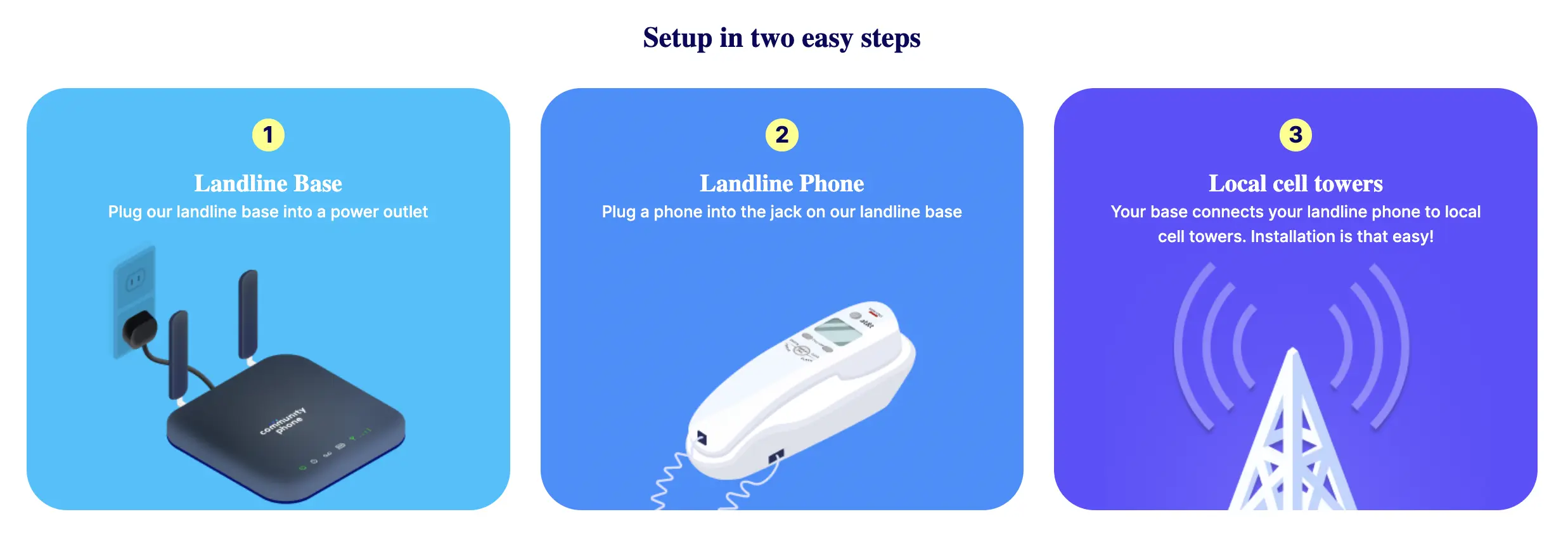
- They will connect the phone adapter (ATA) to your router, or ensure your cable modem has a built-in phone port.
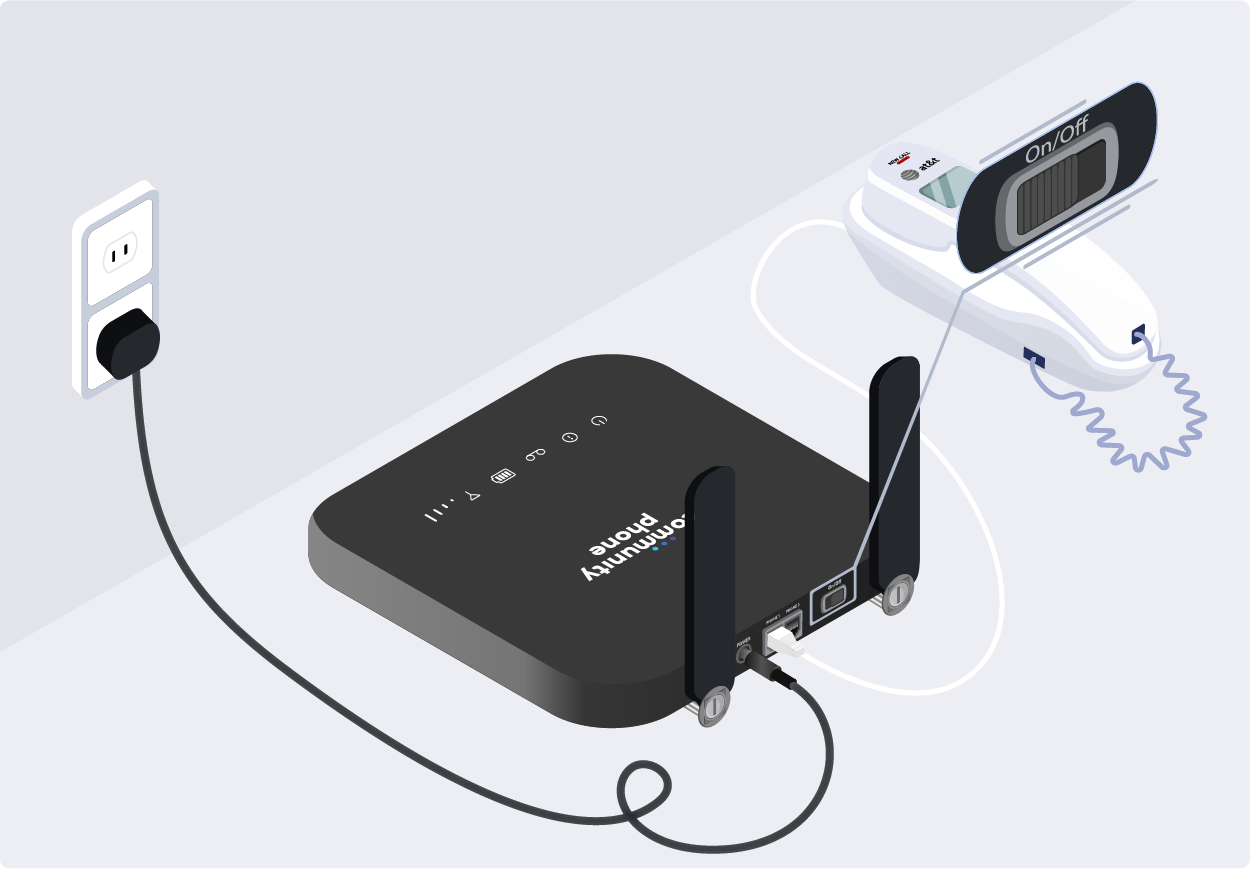
- They will connect your phone handset(s) to the appropriate jack on the adapter or modem.
- They will confirm internet connectivity and then test the phone service, ensuring you have a dial tone and can make and receive calls.
- They may also verify that any additional ‘Tech’ features like voicemail or caller ID are functioning correctly.
In both cases, expect the technician to spend anywhere from 1 to 3 hours, depending on the complexity of the installation. Be ready to answer questions about preferred jack locations or any existing wiring.
Activating Your New Service
In most cases, the technician will activate your service and ensure it’s fully operational before leaving. However, for some VoIP services, or if you’re performing a self-installation (rare for initial landline setup, more common for equipment upgrades), you might need to complete an activation step yourself. This usually involves:
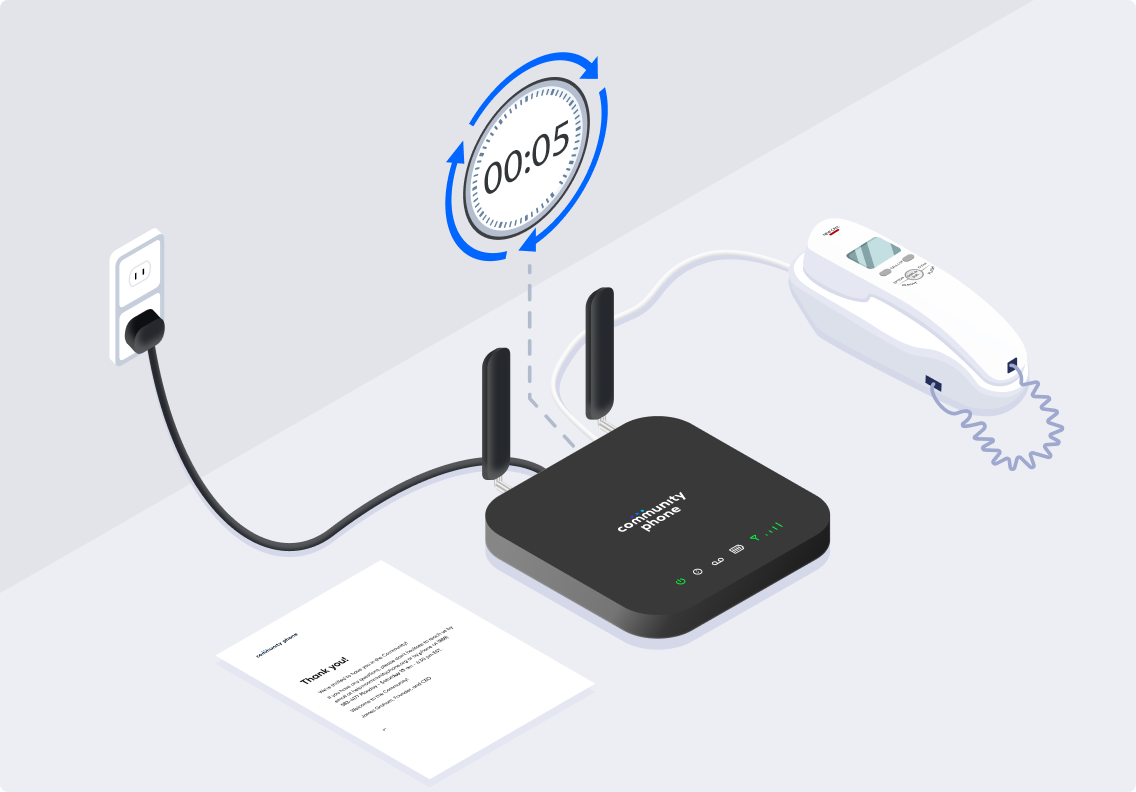
- Plugging in your phone and adapter.
- Waiting for the system to boot up (for VoIP).
- Making a test call to ensure connectivity.
- Setting up voicemail and other features by following automated prompts or logging into an online portal.
Once activated, you can begin using your new landline immediately.
Financial and Technical Considerations
Installing a landline involves both initial and ongoing costs, alongside understanding the technical nuances that ensure smooth operation. A clear grasp of these aspects helps manage your ‘Money’ effectively and leverages the ‘Tech’ capabilities of your chosen service.
Decoding Installation Costs and Monthly Fees
The ‘Money’ aspect is a significant factor in deciding on a landline.
- Installation Fees: These vary widely by provider and type of service. Traditional copper line installations, especially if new wiring is required, can be more expensive. VoIP or cable phone services might have lower or even waived installation fees, particularly when bundled. Always ask about promotional offers.
- Equipment Costs: You might need to purchase or rent a modem/router (for VoIP/cable phone) or an ATA. Some providers include this, while others charge separately.
- Monthly Service Fees: These are ongoing costs for your chosen plan. Factors influencing this include:
- Calling Area: Local, long-distance, international.
- Features: Premium features like enhanced caller ID, advanced voicemail, or call forwarding often incur extra charges.
- Bundles: Combining phone with internet and/or TV usually results in a lower overall monthly bill than separate services.
- Taxes and Surcharges: Expect various government taxes, regulatory fees, and surcharges to be added to your bill, which can increase the stated price.
Carefully review the terms and conditions and ask for a complete breakdown of all costs before committing to a service.
Essential Equipment and Setup
The ‘Tech’ requirements for your landline largely depend on the service type:
- Traditional Landline (POTS): Requires only a compatible analog telephone. The provider installs all necessary outside wiring and potentially inside jacks.
- VoIP/Cable Phone:
- High-Speed Internet Connection: Essential for service operation.
- Modem/Router: Provided by your ISP or cable company, often integrated with Wi-Fi.
- Analog Telephone Adapter (ATA): For VoIP, this device converts analog phone signals to digital and vice-versa. Sometimes integrated into the modem/router.
- Compatible Telephone: Standard analog phones will work with an ATA.
- Power Backup (Optional but Recommended): A UPS (Uninterruptible Power Supply) can keep your modem, router, and ATA powered during outages, ensuring your VoIP service continues to function. This is a critical ‘Tech’ consideration for reliability.
Ensure your internal wiring is in good condition, especially if you have an older home or business, to prevent signal degradation.
Troubleshooting and Maintenance Tips
Even with professional installation, occasional ‘Tech’ issues can arise. Knowing basic troubleshooting steps can save you time and frustration:
- No Dial Tone/Service:
- Check if your phone is properly plugged into the jack or adapter.
- For VoIP, ensure your internet connection is working and your modem/router/ATA are powered on and connected. Restarting these devices can often resolve issues.
- Check for any service outages in your area by contacting your provider.
- Poor Call Quality:
- For VoIP, this might indicate an internet connectivity issue. Test your internet speed.
- Check for loose connections.
- If using a cordless phone, try a wired phone to rule out battery or signal interference issues.
- Unwanted Calls:
- Utilize caller ID and call blocking features often included with modern landline services.
- Register your number with national “Do Not Call” registries.
Regular maintenance for landlines is minimal, but ensuring your equipment (especially for VoIP) is in a well-ventilated area and free from dust can extend its lifespan. For traditional lines, outdoor connections are typically maintained by the provider.
The Future of Landlines: Adapting to New Technologies
The landscape of telecommunications is continuously evolving, and landlines are no exception. While traditional copper lines are gradually being phased out, the fundamental concept of a fixed, reliable phone number remains highly relevant, adapting through technological advancements. Understanding these shifts is vital for anyone considering a landline for the long term, impacting both ‘Tech’ adoption and ‘Money’ planning.
Phasing Out Copper: The Move Towards Digital
Globally, telecommunication companies are making a significant ‘Tech’ transition away from maintaining the expensive and aging copper infrastructure that supports traditional POTS lines. This move is driven by the desire to consolidate networks, reduce maintenance costs, and leverage the greater efficiencies and capabilities of fiber optic and digital (VoIP) technologies. While this doesn’t mean the end of fixed-line phone numbers, it does signify a shift towards digital alternatives. New installations of copper lines are becoming less common, and existing copper lines are being migrated to fiber-based VoIP services. This trend underscores the importance of considering VoIP or cable phone options when installing a new landline, as these represent the future standard. This migration often provides opportunities for consumers to upgrade to faster internet and more feature-rich phone services, sometimes with cost savings when bundled.
The Smart Home Integration Potential
Modern landline services, particularly VoIP, are increasingly capable of integrating with ‘Tech’ found in smart home ecosystems. For instance, some VoIP services allow you to manage calls through smartphone apps, providing voicemail transcriptions, or even integrating with smart assistants. For businesses, VoIP systems can integrate with CRM (Customer Relationship Management) software, enhancing productivity and customer service. As smart home technology continues to advance, we can expect further innovations that blend the reliability of a fixed communication line with the convenience and intelligence of connected devices, offering capabilities far beyond simple voice calls. This evolution secures the landline’s relevance, not as a standalone device, but as an integrated component of a broader digital lifestyle or business operation.
In conclusion, while the initial question “how to get a landline installed” might evoke images of a bygone era, the modern answer reveals a dynamic and evolving landscape. Whether driven by a need for unwavering reliability, superior call quality, the desire for a distinct professional ‘Brand’ identity, or careful ‘Money’ management through bundled services, the landline remains a valuable communication tool. By understanding the technological options, navigating the installation process, and considering the financial and technical implications, individuals and businesses can confidently integrate a landline into their communication strategy, ensuring they are connected reliably in our increasingly digital world.
aViewFromTheCave is a participant in the Amazon Services LLC Associates Program, an affiliate advertising program designed to provide a means for sites to earn advertising fees by advertising and linking to Amazon.com. Amazon, the Amazon logo, AmazonSupply, and the AmazonSupply logo are trademarks of Amazon.com, Inc. or its affiliates. As an Amazon Associate we earn affiliate commissions from qualifying purchases.