
The global shift towards sustainable energy sources has dramatically reshaped the job market, creating a burgeoning demand for skilled professionals in renewable energy sectors. Among these, the role of a solar installer stands out as a critical and highly sought-after position. This isn’t just a job; it’s an opportunity to be at the forefront of the green revolution, contributing directly to a cleaner planet while building a stable and rewarding career. For those intrigued by hands-on work, cutting-edge technology, and a future-proof industry, becoming a solar installer offers a compelling trajectory that aligns perfectly with the current emphasis on tech innovation, personal branding, and smart financial choices.
The Dawn of a Green Career: Understanding the Solar Installer Role
The solar industry is experiencing unprecedented growth, fueled by decreasing costs of solar technology, supportive government policies, and a growing environmental consciousness among consumers and businesses alike. This expansion directly translates into a robust job market for individuals with the right skills and passion.
What Exactly Does a Solar Installer Do?
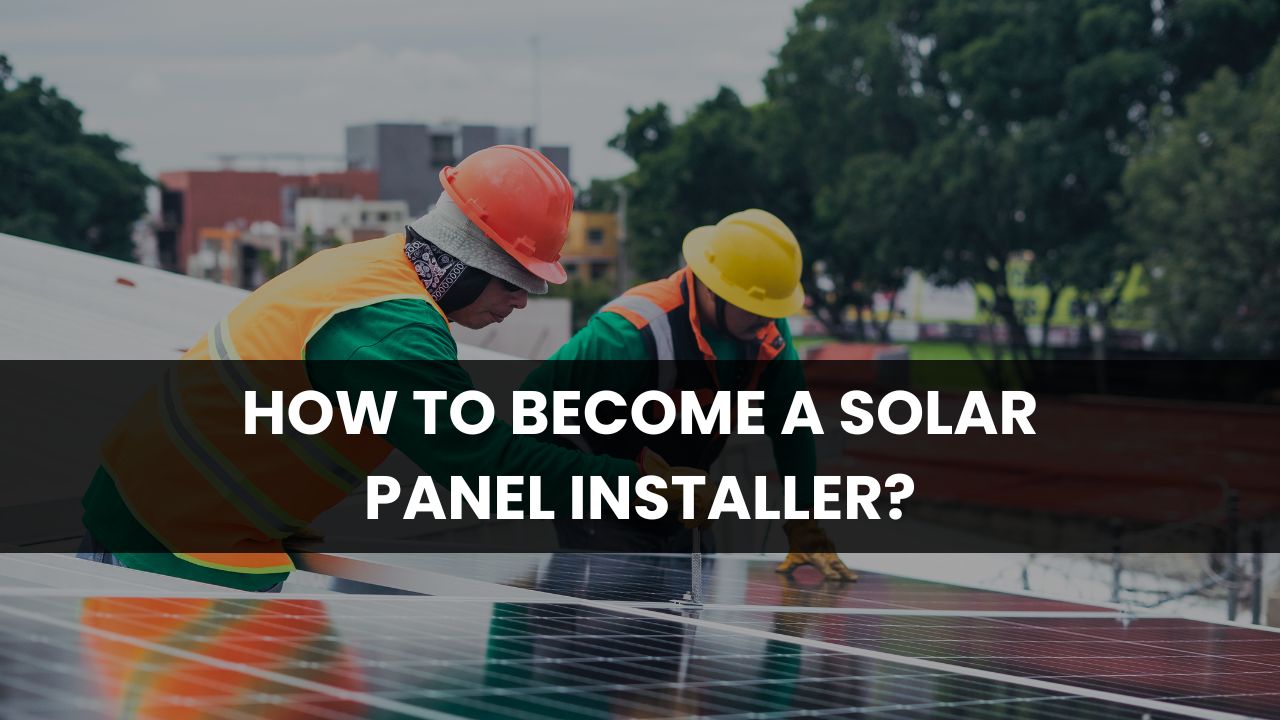
At its core, a solar installer is responsible for the assembly, installation, and maintenance of solar photovoltaic (PV) systems on rooftops or other structures. This multifaceted role requires a blend of technical expertise, precision, and adherence to stringent safety protocols.
A typical day for a solar installer might involve:
- Site Assessment and Preparation: Reviewing blueprints, assessing structural integrity of roofs, and preparing the installation area. This often involves using tech tools like digital measurement devices and project management apps to ensure accuracy and efficiency.
- Mounting Systems Installation: Installing mounting racks and other structural supports that will hold the solar panels securely in place.
- Panel Installation: Carefully lifting and securing solar panels onto the mounted racks. This requires physical strength, balance, and meticulous attention to detail to avoid damaging the delicate panels.
- Electrical Wiring and Connection: Connecting panels to inverters, which convert direct current (DC) electricity from the panels into alternating current (AC) electricity usable by homes and businesses. This phase also involves running conduit, connecting wiring to the main electrical panel, and ensuring the system is safely integrated with the local grid. Knowledge of electrical codes and digital security best practices for smart grids becomes increasingly relevant here.
- System Testing and Activation: Performing thorough checks to ensure the system is functioning correctly, troubleshooting any issues, and ultimately activating the solar power system.
- Maintenance and Repair: Occasionally, installers may be called upon to diagnose and repair issues with existing solar systems, ensuring optimal performance and longevity.
Installers work on a variety of projects, from residential rooftops to large-scale commercial arrays and utility-grade solar farms. The diversity of work keeps the job engaging and constantly evolving with new technologies and installation methods.
Why Solar Installation Now? Market Growth and Demand
The trajectory of the solar industry is upward and accelerating. Governments globally are investing heavily in renewable energy, offering incentives, tax credits, and rebates for solar adoption. This strong support, coupled with the decreasing cost of solar PV technology, makes solar power an increasingly attractive option for homes and businesses.
The U.S. Bureau of Labor Statistics projects a phenomenal growth rate for solar photovoltaic installers, with employment expected to grow 6% from 2022 to 2032, much faster than the average for all occupations. This means tens of thousands of new jobs will be created, ensuring long-term career stability for those entering the field. This high demand also translates into competitive salaries and excellent opportunities for career advancement, making it a sound financial investment in your future. The continuous innovation in solar panel efficiency, energy storage solutions, and smart grid integration (all tech trends) further solidifies the industry’s future, guaranteeing a dynamic work environment.
Charting Your Course: Education, Skills, and Certifications
Embarking on a career as a solar installer requires a combination of foundational knowledge, specialized training, and a commitment to continuous learning. It’s a field where practical skills are paramount, but theoretical understanding and professional credentials significantly boost your prospects.
Foundational Knowledge: High School and Beyond
While a high school diploma or equivalent is generally the minimum educational requirement, a strong foundation in certain subjects can prove highly beneficial. Courses in mathematics, physics, and shop classes (such as carpentry or electrical work) provide an excellent groundwork for understanding the principles of solar energy and the practicalities of installation. Any experience with construction, roofing, or general electrical work can also give you a significant advantage. Even basic productivity skills learned in school, like effective communication and project organization, will serve you well in team-based installation projects.
Specialized Training Programs and Apprenticeships
The most direct route into solar installation is through specialized vocational training or an apprenticeship.
- Vocational Schools and Community Colleges: Many institutions now offer dedicated programs in renewable energy technology, solar PV installation, or electrical trades. These programs typically cover solar system design, electrical wiring, safety protocols, and hands-on installation techniques. They often lead to a certificate or an associate’s degree, equipping graduates with a comprehensive skill set. These courses frequently incorporate training on the latest AI tools for system design and performance monitoring, along with various apps used for project management and site assessment.
- Apprenticeships: An apprenticeship offers an invaluable on-the-job learning experience. You work alongside experienced installers, gaining practical skills while earning a wage. Apprenticeships typically last 1-2 years and combine hands-on training with classroom instruction. This path is particularly appealing for those who prefer learning by doing and want to quickly enter the workforce. Many apprenticeship programs are offered through unions or large solar installation companies.
Essential Certifications and Licensing
While specific requirements can vary by state and municipality, obtaining relevant certifications significantly enhances your brand as a qualified solar installer and can open doors to higher-paying opportunities.
- NABCEP Certification: The North American Board of Certified Energy Practitioners (NABCEP) offers highly respected certifications for various roles within the renewable energy sector, including PV Installer Specialist and PV Installation Professional. Obtaining a NABCEP certification demonstrates a high level of expertise and commitment to quality, making you a more attractive candidate to employers and a more credible professional in the eyes of clients. Investing in such a certification is a strategic money move, as it often leads to increased earning potential.
- Electrical Licensing: In some jurisdictions, solar installers may need an electrician’s license, especially if their work involves connecting to the main electrical panel. While not always a primary requirement for all solar installers, having an electrician’s license expands your capabilities and can lead to more specialized and higher-paying roles.
- Safety Training: OSHA (Occupational Safety and Health Administration) certification, particularly OSHA 10 or OSHA 30 for construction, is often a mandatory requirement. This training covers critical safety practices, fall protection, electrical safety, and other hazards common in construction and roofing work. Adhering to these safety standards is not just about compliance; it’s about safeguarding lives and protecting your company’s reputation. Utilizing digital security for accessing and updating safety protocols can also be an important aspect of modern operations.
Beyond Technical Skills: What Makes a Great Installer?
While technical proficiency is crucial, a truly successful solar installer possesses a broader range of abilities:
- Physical Fitness and Stamina: The job often involves heavy lifting, climbing ladders, working at heights, and enduring various weather conditions. Good physical condition is essential for safety and efficiency.
- Problem-Solving Skills: Every installation presents unique challenges. Installers must be able to diagnose issues, think critically, and find practical solutions on the spot. This often involves leveraging tech tools for diagnostics.
- Attention to Detail: Precision is paramount in solar installation. Misaligned panels or improper wiring can significantly impact system performance and safety.
- Teamwork and Communication: Solar installation is almost always a team effort. Effective communication and collaboration with colleagues, supervisors, and even clients are vital for smooth project execution and maintaining a strong team brand.
- Safety Consciousness: A strong commitment to safety protocols is non-negotiable. This protects the installer, their team, and the integrity of the project. Modern companies often use apps and digital platforms for safety briefings and incident reporting, enhancing overall digital security in the workplace.

Launching Your Solar Career: Job Search and Professional Growth
With your skills honed and certifications in hand, the next step is to enter the vibrant solar job market. This phase involves strategic job searching, effective personal branding, and understanding the financial rewards of your chosen path.
Navigating the Job Market: Where to Find Opportunities
The demand for solar installers means opportunities are plentiful, but a targeted approach will yield the best results.
- Online Job Boards: General job sites like Indeed, LinkedIn, and Glassdoor frequently list solar installer positions. Niche job boards specializing in renewable energy, such as SolarPowerJobs.com or CleanEnergyJobs.com, are also excellent resources.
- Company Websites: Directly visit the career pages of prominent solar installation companies in your region. Many firms prefer to hire directly through their websites.
- Industry Associations: Organizations like the Solar Energy Industries Association (SEIA) or local clean energy alliances often have job boards or can connect you with potential employers. Attending industry events and conferences (online or in-person) is a fantastic way to network and build your personal brand.
- Networking: Leverage your connections from vocational schools, apprenticeships, and certifications. Informational interviews with people already in the industry can provide insights and lead to referrals.
- Apprenticeship Programs: As mentioned, many companies or unions run apprenticeship programs that serve as a direct pipeline to full-time employment.
Building Your Professional Brand
In a competitive job market, how you present yourself can make all the difference. Building a strong professional brand is crucial.
- Resume and Portfolio: Craft a concise resume highlighting your relevant training, certifications, and any hands-on experience. If you’ve participated in projects, create a portfolio (digital or physical) with photos, descriptions, and details of your contributions. This is where digital tools can shine; a well-organized online portfolio can impress potential employers.
- LinkedIn Profile: Create a professional LinkedIn profile that showcases your skills, experience, and certifications. Connect with industry professionals and follow solar energy companies. This platform is invaluable for networking and keeping abreast of industry trends, impacting your personal branding significantly.
- Interview Preparation: Be ready to discuss your technical knowledge, problem-solving abilities, and commitment to safety. Demonstrate enthusiasm for the renewable energy sector. Think about how your productivity tools and habits can contribute to the team’s efficiency.
- Online Reputation: Be mindful of your online presence. Future employers often check social media. Ensure your public profiles reflect a professional image. This is a critical aspect of your corporate identity even as an individual seeking employment.
The Financial Landscape: Salary Expectations and Earning Potential
A career as a solar installer is not only fulfilling but also financially rewarding. The median annual wage for solar PV installers was $49,830 in May 2022, according to the U.S. Bureau of Labor Statistics. However, this figure can vary significantly based on several factors:
- Experience Level: Entry-level installers typically start lower, but wages increase substantially with experience, specialized skills, and advanced certifications like NABCEP. Lead installers and foremen can earn significantly more.
- Geographic Location: Salaries vary by region, often higher in areas with greater solar adoption and a higher cost of living.
- Employer Type: Larger companies, unionized positions, or those specializing in commercial/utility-scale projects may offer higher compensation and better benefits.
- Specialization: Installers who can also design systems, manage projects, or troubleshoot advanced electrical issues command higher pay.
Many companies also offer benefits packages including health insurance, retirement plans, and paid time off. The combination of a strong salary, job security, and benefits makes this a smart money move for long-term financial stability.
The Future is Bright: Advanced Opportunities and Entrepreneurship
A career as a solar installer is just the beginning. The dynamic nature of the renewable energy sector offers numerous pathways for growth, specialization, and even entrepreneurship.
Career Progression: From Installer to Project Manager
With experience, dedication, and continuous learning, a solar installer can climb the career ladder in several directions:
- Lead Installer/Foreman: Overseeing installation teams, ensuring quality control, and managing on-site logistics.
- Solar Designer/Engineer: Moving into office-based roles focused on designing solar PV systems, calculating energy needs, and creating detailed blueprints. This role heavily relies on sophisticated software and AI tools for simulation and optimization.
- Project Manager: Managing entire solar projects from conception to completion, including budgeting, scheduling, client communication, and team coordination.
- Sales and Consulting: Leveraging your technical knowledge to educate potential clients about solar solutions and close sales. This requires strong communication and personal branding skills.
- Operations and Maintenance Specialist: Focusing on the long-term performance and upkeep of solar arrays, often utilizing AI tools for predictive maintenance and advanced diagnostic gadgets.
Continuous professional development, including staying updated on new tech trends, advanced apps for system monitoring, and ongoing digital security practices for networked systems, will be key to unlocking these opportunities.
Embracing Technology: The Role of Digital Tools in Solar
The solar industry is inherently high-tech, and installers who embrace new tools and technologies will always be at an advantage.
- Design Software: Programs like Aurora Solar, Helioscope, or AutoCAD are used for system design, shading analysis, and performance modeling. Understanding these tools enhances your value.
- Monitoring Apps: Smartphone and tablet apps allow installers to monitor system performance, diagnose issues remotely, and communicate with customers, improving productivity.
- AI and Machine Learning: AI tools are increasingly used for optimizing panel placement, predicting energy output, and identifying potential faults before they become major problems. This creates new opportunities for installers to specialize in smart solar solutions.
- Digital Security: As solar systems become more connected, understanding the basics of digital security for IoT devices and smart grids will be important to protect against cyber threats and ensure system integrity.
- Drones and Robotics: Drones are used for site surveys and thermal imaging inspections, while robotics may play an increasing role in automated installations on large-scale projects. Staying ahead of these technology trends is vital.

Considering Your Own Solar Business?
For ambitious installers, the ultimate career progression might be starting their own solar installation company. This path requires not only technical expertise but also a strong understanding of business finance, marketing, and brand strategy.
- Business Planning: Developing a comprehensive business plan, securing financing (money management), and navigating legal and regulatory requirements.
- Marketing and Sales: Building a strong brand identity, developing effective marketing campaigns (both traditional and digital), and establishing a sales pipeline.
- Team Building: Hiring and training a skilled team, fostering a positive work culture, and ensuring adherence to safety and quality standards.
- Financial Management: Managing cash flow, budgeting, pricing projects, and understanding tax implications – all crucial money skills.
The journey to becoming a solar installer is an exciting and empowering one. It combines physical work with technical acumen, offers significant growth potential, and allows you to make a tangible difference in the fight against climate change. By investing in the right training, acquiring essential certifications, continuously learning, and strategically building your professional brand, you can forge a highly successful and fulfilling career in the ever-expanding world of renewable energy.
aViewFromTheCave is a participant in the Amazon Services LLC Associates Program, an affiliate advertising program designed to provide a means for sites to earn advertising fees by advertising and linking to Amazon.com. Amazon, the Amazon logo, AmazonSupply, and the AmazonSupply logo are trademarks of Amazon.com, Inc. or its affiliates. As an Amazon Associate we earn affiliate commissions from qualifying purchases.