
In an era defined by rapid technological advancement and an increasing reliance on digital platforms, choosing the right web browser is more than a mere preference—it’s a critical decision impacting your digital security, productivity, and overall online experience. Firefox, developed by the non-profit Mozilla Foundation, stands as a beacon of open-source innovation and user privacy in a landscape often dominated by corporate interests. This comprehensive guide will walk you through every step of installing Firefox across various operating systems, ensuring you can seamlessly transition to a browser designed with your best interests at heart.
As a website deeply invested in Tech trends, Digital Security, and Productivity tools, we understand the importance of empowering users with the knowledge to make informed software choices. Firefox isn’t just another browser; it represents a commitment to an open internet, safeguarding your personal data against intrusive tracking, and offering a highly customizable platform that can significantly enhance your efficiency. Furthermore, for those interested in Personal Finance and Online Income, a secure and reliable browser is the foundation for safe transactions and productive work, making Firefox a wise choice for financial prudence and digital peace of mind.
Why Choose Firefox? Understanding Its Core Advantages
Before diving into the installation process, it’s worth understanding why millions of users worldwide opt for Firefox. Its appeal extends beyond mere functionality, touching upon crucial aspects of online life that resonate with our core website topics.
A Champion of Digital Security and Privacy
At the heart of Firefox’s Brand Strategy lies an unwavering commitment to user privacy. Unlike many competitors that rely on advertising revenue derived from user data, Mozilla’s non-profit model allows them to prioritize your security without compromise. Firefox offers robust Enhanced Tracking Protection, blocking third-party trackers, cryptominers, and fingerprinters by default. This proactive approach to digital security means less unsolicited data collection and a more private browsing experience, crucial for anyone concerned about their online footprint, especially when managing Personal Finance or sensitive business data.
Enhancing Productivity and Customization
Firefox is built for speed and efficiency. Its Quantum engine delivers swift page loading times, ensuring you can navigate the web fluidly. Beyond speed, its extensive add-on ecosystem empowers users to tailor their browsing experience to their exact needs. From password managers and ad-blockers to note-taking tools and specialized developer extensions, Firefox offers a plethora of options that can significantly boost your Productivity. This level of customization allows you to create an optimized digital workspace, whether you’re handling Online Income projects, managing Business Finance, or simply streamlining your daily tasks.
Open Source and Community-Driven Innovation
Embracing the Tech ethos of collaboration and transparency, Firefox is an open-source project. This means its code is publicly available for scrutiny, fostering a community of developers dedicated to continually improving its security and features. This transparency builds trust, a critical element for any Brand in the digital age, and ensures that the browser evolves with the needs of its users, rather than being dictated solely by corporate agendas. It’s a testament to technology serving humanity, not the other way around.
Pre-Installation Checklist: Ensuring a Smooth Setup
Before you begin the installation of Firefox, a few preparatory steps can ensure the process goes smoothly and that your system is ready for its new browser. This aligns with our focus on providing comprehensive Tutorials and optimizing your Software experience.
System Requirements and Compatibility
While Firefox is designed to be lightweight and efficient, it’s always wise to check if your system meets the minimum requirements. Most modern computers running recent versions of Windows, macOS, or popular Linux distributions will have no issues.
- Windows: Windows 7, 8, 10, or 11. A processor with SSE2 support, 512 MB of RAM (2 GB recommended), and 200 MB of hard drive space.
- macOS: macOS 10.12 (Sierra) or higher. An Intel x86 or Apple Silicon processor, 512 MB of RAM (2 GB recommended), and 200 MB of hard drive space.
- Linux: Firefox is often included in distribution repositories. General requirements include a GTK+ 3.14 or higher, GLib 2.22 or higher, Pango 1.14 or higher, X.Org 1.0 or higher (or Wayland), and recommended libraries like libstdc++ (latest version).
Ensuring a Stable Internet Connection
A stable internet connection is paramount for downloading the Firefox installer. Interrupted downloads can lead to corrupted files, causing installation errors. If you’re using Wi-Fi, ensure you have a strong signal. For critical downloads, a wired Ethernet connection is often more reliable. This seemingly minor detail is a cornerstone of effective Tutorials and seamless Tech implementation.
Backing Up Important Browser Data (Optional but Recommended)
If you’re switching from another browser and have important bookmarks, passwords, or browsing history you wish to preserve, consider backing up that data before installing Firefox. Most modern browsers offer export functionalities for this purpose. While Firefox offers an import tool post-installation, having a separate backup provides an extra layer of security and ensures you don’t lose valuable information. This practice aligns with best practices in Digital Security and Productivity by safeguarding your digital assets.
Step-by-Step Installation Guides Across Platforms
Now that your system is ready, let’s proceed with the installation process tailored for various operating systems. These Tutorials are designed to be clear and straightforward, making it easy for anyone to get Firefox up and running.
Installing Firefox on Windows
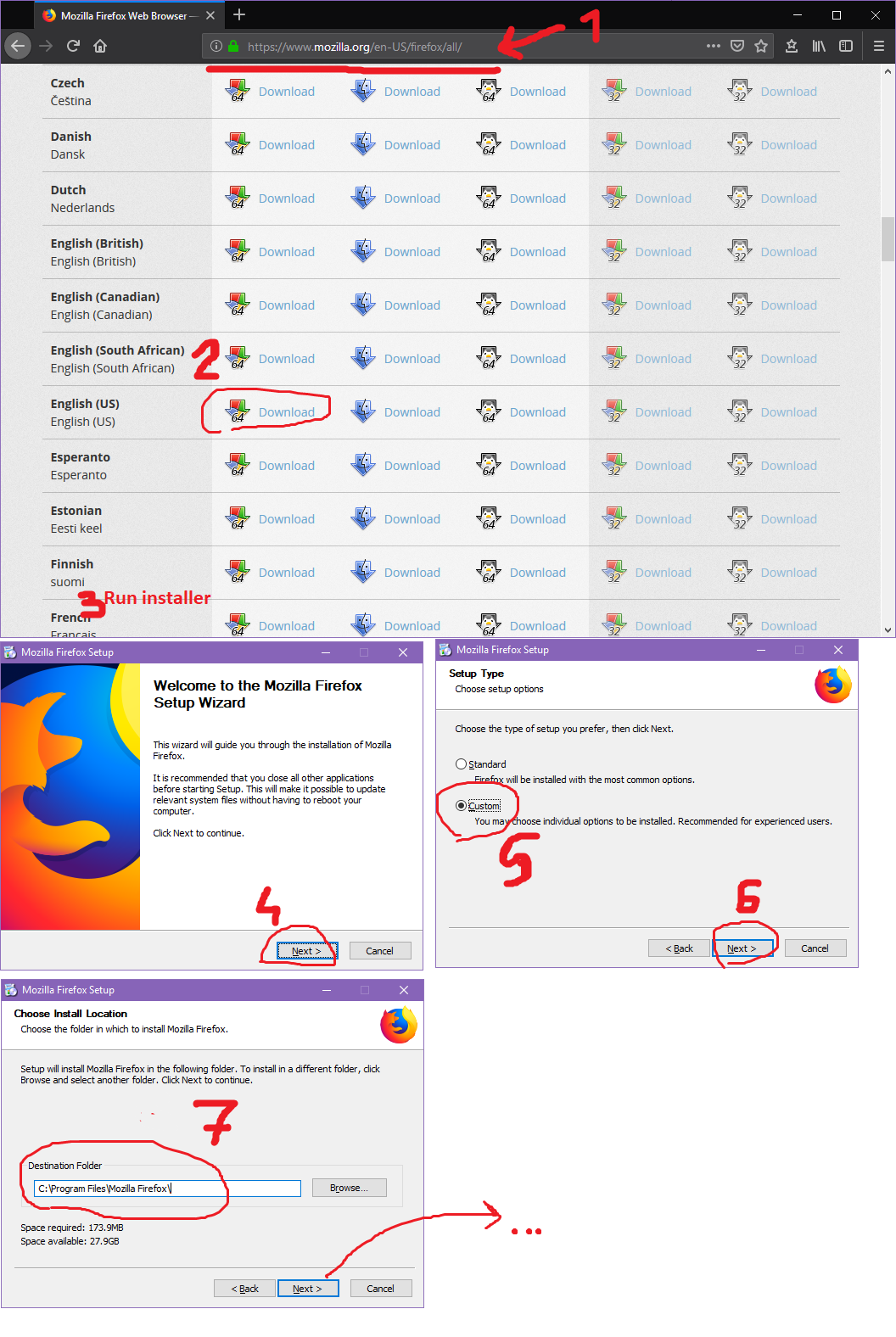
- Download the Installer: Open your current web browser (e.g., Edge, Chrome) and navigate to the official Mozilla Firefox download page:
www.mozilla.org/firefox/download/. Click the prominent “Download Firefox” button. The website automatically detects your operating system and language. - Run the Installer: Once the
Firefox Installer.exefile has finished downloading (usually found in your “Downloads” folder or browser’s download bar), double-click it to launch the setup wizard. - User Account Control: If prompted by User Account Control (UAC), click “Yes” to allow the installer to make changes to your device.
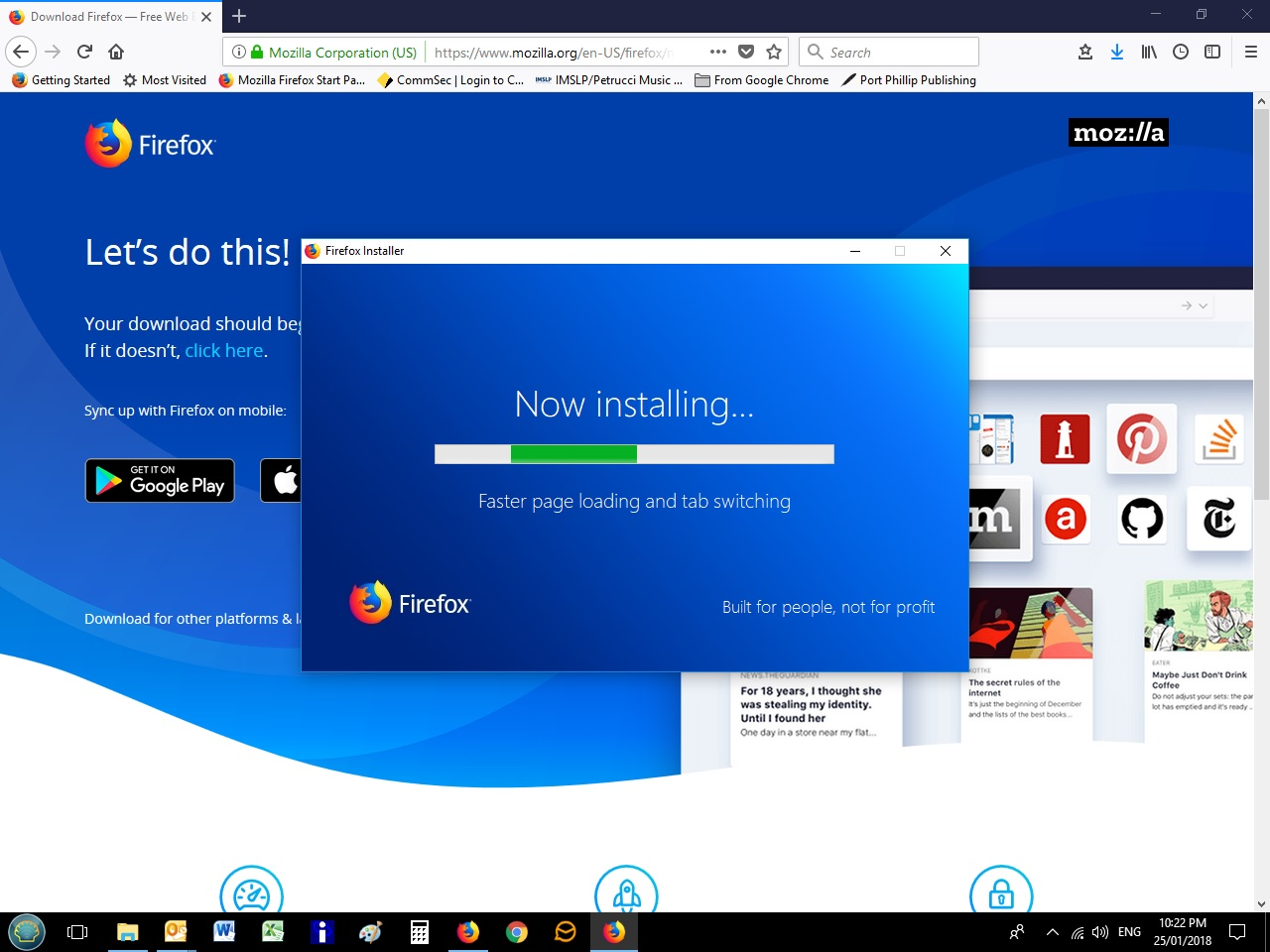
- Installation Process: The Firefox installer is designed to be very simple. It will begin downloading and installing the necessary files. You’ll see a progress bar. There are typically no complex options to configure during this phase.
- Launch Firefox: Once the installation is complete, Firefox will usually launch automatically, and a shortcut will be added to your desktop and Start Menu. You are now ready to begin browsing securely.
Installing Firefox on macOS
- Download the Installer: Open Safari or your preferred browser and visit
www.mozilla.org/firefox/download/. Click the “Download Firefox” button. A.dmgfile will download to your “Downloads” folder. - Open the DMG File: Locate the
Firefox.dmgfile and double-click it. This will mount the disk image, opening a new Finder window. - Drag to Applications: In the opened window, you’ll see the Firefox icon and an alias to your “Applications” folder. Drag the Firefox icon into the “Applications” folder.
- Eject the Disk Image: After copying, you can eject the Firefox disk image by dragging its icon from your desktop to the Trash, or by right-clicking it in the Finder sidebar and selecting “Eject.”
- Launch Firefox: Open your “Applications” folder, find the Firefox icon, and double-click it to launch. The first time you launch it, macOS might ask for confirmation as it’s an app downloaded from the internet. Click “Open.” You can optionally drag the Firefox icon to your Dock for quick access.
Installing Firefox on Linux
Installing Firefox on Linux typically involves using your distribution’s package manager, which ensures the browser is kept up-to-date with system updates, enhancing Digital Security.
For Debian/Ubuntu-based Distributions (e.g., Ubuntu, Linux Mint)
- Update Package List: Open a terminal (
Ctrl+Alt+T) and run:
bash

sudo apt update
- Install Firefox: Install Firefox ESR (Extended Support Release) or the standard version:
bash

sudo apt install firefox
If Firefox is already installed (which is common on Ubuntu), this command will ensure it’s the latest version. - Launch Firefox: You can find Firefox in your applications menu or launch it from the terminal by typing
firefox.
For Fedora/Red Hat-based Distributions

- Update System: Open a terminal and run:
bash

sudo dnf update
- Install Firefox:
bash

sudo dnf install firefox
- Launch Firefox: Find it in your applications menu or type
firefoxin the terminal.
For Arch Linux-based Distributions
- Update System: Open a terminal and run:
bash

sudo pacman -Syu
- Install Firefox:
bash

sudo pacman -S firefox
- Launch Firefox: Find it in your applications menu or type
firefoxin the terminal.
Installing Firefox on Android and iOS (Mobile Devices)
Firefox also offers robust mobile apps, extending its privacy and Productivity features to your smartphones and tablets, making it an essential App for your digital ecosystem.
- Open App Store:
- Android: Open the Google Play Store.
- iOS: Open the Apple App Store.
- Search for Firefox: Use the search bar to look for “Firefox Browser.”
- Install the App: Select the official “Firefox Browser: fast, private & safe” app (Mozilla is usually listed as the developer). Tap “Install” (Android) or “Get” (iOS). You may need to authenticate with your device’s password, PIN, or biometric data.
- Launch Firefox: Once installed, tap “Open” or find the Firefox icon on your home screen or app drawer to launch the browser. You can then sign in with a Firefox Account to sync your bookmarks, history, and passwords across devices, further boosting your Productivity.
Post-Installation: Optimizing Your Firefox Experience
Installing Firefox is just the beginning. To truly harness its power and align it with your Productivity and Digital Security goals, a few post-installation steps and customizations are highly recommended. These proactive measures underscore our commitment to effective Tutorials and maximizing your Software investment.
Initial Setup and Customization
Upon first launch, Firefox often presents an initial setup wizard. Take a moment to:
- Set as Default Browser: If you intend to make Firefox your primary browser, set it as default. This ensures all web links open directly in Firefox, solidifying your Digital Security posture.
- Firefox Account: Consider signing up for a free Firefox Account. This allows you to sync your bookmarks, browsing history, open tabs, and passwords across all your devices (desktop and mobile), providing seamless browsing and enhancing Productivity.
- Theme and Layout: Explore Firefox’s customization options. You can change themes, adjust the toolbar, and rearrange icons to create a browsing environment that suits your workflow.
Importing Data from Other Browsers
Firefox makes it easy to transition by offering a built-in import tool. This function allows you to quickly bring over your essential data, minimizing disruption and maintaining your Productivity.
- Access Import Tool: Go to the Firefox menu (three horizontal lines in the top-right corner), then “Bookmarks,” and select “Manage bookmarks.” Alternatively, type
about:configin the address bar, then search for and enablebrowser.migrate.content.guids(though this is more advanced). The simpler way is usually via the Library window (Ctrl+Shift+BorCmd+Shift+Bon Mac), then “Import and Backup” -> “Import Data From Another Browser…”. - Select Browser: Choose the browser you’re migrating from (e.g., Chrome, Edge, Safari).
- Select Data to Import: Pick what you want to import: bookmarks, browsing history, saved passwords.
- Complete Import: Click “Next” or “Finish.” Your data will be integrated into Firefox.
Enhancing Security and Privacy Settings
Firefox comes with strong default privacy settings, but you can further enhance them for maximum protection, a critical aspect of Digital Security and safeguarding your Personal Finance information.
- Enhanced Tracking Protection: Verify that this is set to “Standard” or “Strict” in your browser settings (Menu > Settings > Privacy & Security). “Strict” blocks even more trackers but might break some websites.
- HTTPS-Only Mode: Enable HTTPS-Only Mode (Menu > Settings > Privacy & Security). This forces all connections to use secure HTTPS encryption, protecting your data from eavesdropping.
- Cookie Management: Review your cookie settings. You can block third-party cookies or manage site-specific permissions.
- Privacy-Focused Add-ons: Consider installing add-ons like uBlock Origin (for advanced ad/tracker blocking), Privacy Badger (for learning and blocking trackers), or a reputable VPN service extension. These tools, while simple Apps, significantly enhance your digital security posture.
Recommended Add-ons for Productivity
Leverage Firefox’s extensive add-on library to boost your Productivity and streamline your workflow.
- Password Manager: Use a dedicated password manager like Bitwarden or LastPass for secure password generation and storage, a critical tool for managing multiple online accounts related to Online Income or Business Finance.
- Read-It-Later Service: Integrate Pocket (owned by Mozilla) or another read-it-later service to save articles for offline reading, helping you manage information efficiently.
- Dark Reader: An excellent add-on for converting websites to dark mode, reducing eye strain, especially during late-night work sessions.
- Language Tools: If you work across multiple languages, consider translation add-ons.
Troubleshooting Common Installation Issues
Even with the best preparation, unforeseen issues can sometimes arise during software installation. This Tutorial section aims to equip you with solutions to common problems, minimizing downtime and supporting your Productivity.
Download Problems
- Incomplete Download: If the installer file size doesn’t match the expected size, or if it errors out, try downloading again. A poor internet connection is often the culprit.
- Blocked Download: Your antivirus software or firewall might mistakenly flag the Firefox installer as suspicious. Temporarily disable them (with caution!) and try downloading again, then re-enable them. Always download from
www.mozilla.orgto ensure authenticity.
Installation Errors
- “Firefox is already running” Error: Ensure all instances of Firefox (if you had a previous version) are closed before running the installer. Check your task manager (Windows) or Activity Monitor (macOS) to force-quit any lingering processes.
- “Corrupted Installer” Error: This typically means the download was incomplete or damaged. Delete the installer file and download a fresh copy.
- Insufficient Permissions: On Windows or macOS, ensure you’re logged in with an administrator account or provide administrator credentials when prompted by UAC.
Firefox Not Launching After Installation
- Restart Your Computer: A simple restart can often resolve minor software conflicts or background process issues.
- Check Antivirus/Firewall: Your security software might be blocking Firefox from launching. Check its quarantine or blocked applications list and add Firefox as an exception.
- Safe Mode: On desktop versions, you can try launching Firefox in Safe Mode (Troubleshoot Mode). This disables extensions and themes, which can sometimes cause conflicts. Go to the Firefox menu, then Help, and select “Troubleshoot Mode.” If it launches, an add-on is likely causing the issue.
- Reinstall: As a last resort, uninstall Firefox completely and then perform a fresh installation.
Conclusion: Embrace a Smarter, Safer Web with Firefox
Installing Firefox is a straightforward process that opens the door to a more private, secure, and customizable browsing experience. In an internet landscape where Digital Security is paramount and Productivity is often tied to the efficiency of our tools, Firefox stands out as a powerful and principled choice. Its non-profit mission, commitment to user privacy, and open-source nature reflect a Brand Strategy that prioritizes people over profit, aligning perfectly with the values of transparency and empowerment we champion.
Whether you’re concerned about safeguarding your Personal Finance details, boosting your Online Income ventures through efficient research, or simply seeking a faster and more private way to navigate the web, Firefox offers a robust solution. By following this comprehensive Tutorial, you’ve not only installed a piece of software; you’ve chosen a browser that embodies the spirit of an open and user-centric web. Welcome to Firefox – a smarter, safer internet awaits.
aViewFromTheCave is a participant in the Amazon Services LLC Associates Program, an affiliate advertising program designed to provide a means for sites to earn advertising fees by advertising and linking to Amazon.com. Amazon, the Amazon logo, AmazonSupply, and the AmazonSupply logo are trademarks of Amazon.com, Inc. or its affiliates. As an Amazon Associate we earn affiliate commissions from qualifying purchases.