
In today’s digitally interconnected world, applications have become an indispensable part of our daily lives. From streamlining work tasks and managing finances to providing entertainment and connecting with loved ones, the sheer variety of apps available is staggering. The primary gateway to this vast digital universe for most users is the “App Store” – a term often used colloquially to refer to the official application marketplaces associated with major operating systems. This article will demystify the process of installing and accessing these vital digital hubs, covering the nuances for the most popular platforms: iOS (Apple devices), Android (Google devices), and briefly touching upon other ecosystems. We will explore what makes these stores so essential, how to navigate them effectively, and the underlying technology that powers them, all while keeping in mind the broader themes of technology, brand, and even how these platforms can impact your financial endeavors.
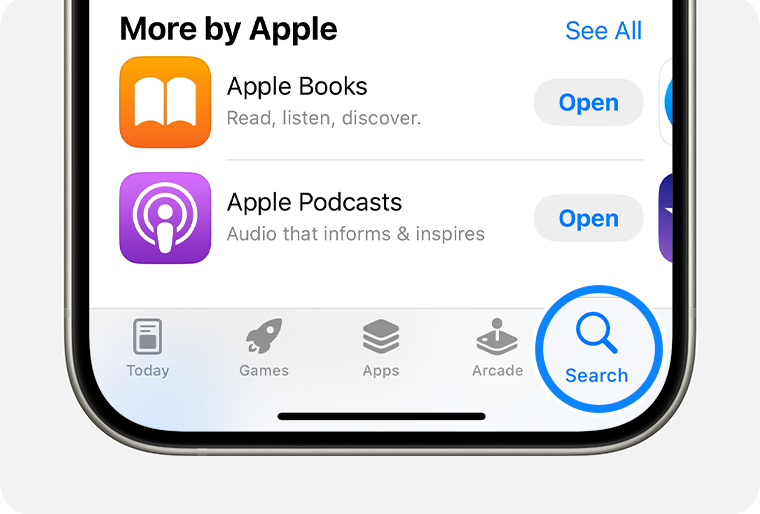
The concept of an “App Store” has revolutionized software distribution. Before its widespread adoption, acquiring new applications often involved complex installations from physical media or downloading from less regulated websites, posing security risks and compatibility issues. The App Store model, pioneered by Apple and subsequently adopted by Google and others, centralized the process, offering a curated and secure environment for users to discover, download, and purchase applications. This has not only simplified the user experience but also created a robust ecosystem for developers to reach a global audience, fostering innovation and driving the growth of the digital economy.
Understanding the App Store Ecosystem
Before diving into installation, it’s crucial to understand what an “App Store” truly represents. It’s more than just a collection of programs; it’s a carefully managed platform that acts as an intermediary between app developers and end-users. This ecosystem is built on several key pillars:
The Pillars of the App Store
- Discovery and Curation: App Stores are designed to help users find what they’re looking for. Through categorized browsing, search functionalities, curated lists, and personalized recommendations, users can explore a vast array of applications. The “curation” aspect is vital; reputable app stores have review processes to ensure a baseline level of quality, security, and adherence to platform guidelines. This process protects users from malicious software and ensures a more reliable experience.
- Distribution and Updates: The App Store acts as a central hub for distributing applications. Once downloaded, it also manages updates, ensuring that users always have access to the latest features, bug fixes, and security patches without manual intervention. This seamless update process is a hallmark of modern software management.
- Monetization and Transactions: For developers, app stores provide a straightforward way to monetize their creations, whether through paid downloads, in-app purchases, or subscriptions. For users, this means a secure and convenient way to purchase apps and manage their digital spending. This directly ties into the “Money” aspect of our discussion, as app stores are significant drivers of the digital economy.
- Security and Trust: One of the most significant advantages of official app stores is the enhanced security they offer. Platforms like the Apple App Store and Google Play Store implement rigorous security checks to identify and remove malware, phishing attempts, and other malicious applications. While no system is foolproof, these stores provide a significantly safer environment than downloading software from unverified sources. This aligns with the “Digital Security” sub-topic within our “Tech” category.
Installing the App Store: Platform-Specific Guides
The process of “installing” the App Store is often misunderstood. For most users, the App Store is not something you install; rather, it’s an integral part of the operating system that comes pre-installed on your device. However, there can be instances where users might be referring to specific app stores on other devices or platforms, or perhaps troubleshooting issues where the store seems to be missing or malfunctioning. Let’s break down the most common scenarios.
For iOS Devices (iPhone, iPad, iPod Touch)
The Apple App Store is deeply embedded within the iOS operating system. You cannot “install” it separately because it’s a core component. If you are using an iPhone, iPad, or iPod Touch, the App Store application is already on your device.
Accessing the App Store on iOS:
- Locate the Icon: Look for an icon that resembles a blue square with a white “A” and a white paintbrush. It’s typically found on your home screen or within the App Library.
- Tap to Open: Simply tap the icon to launch the App Store.
- Sign In/Create an Apple ID: The first time you open the App Store, or when you want to download an app, you’ll be prompted to sign in with your Apple ID. If you don’t have one, you can create one for free. This Apple ID is essential for all your purchases, downloads, and for syncing data across your Apple devices.
- Explore and Download: Once signed in, you can browse through various categories, use the search bar to find specific apps, and tap on an app to view its details. To download a free app, tap “Get” and then “Install.” For paid apps, you’ll see the price; tap it and follow the on-screen prompts to complete the purchase using your Apple ID’s payment method.
Troubleshooting Missing App Store on iOS:
If you somehow cannot find the App Store icon on your iOS device:
- Check the App Library: Swipe left repeatedly on your home screen until you reach the App Library. Type “App Store” in the search bar at the top. If the app is there but not on your home screen, you can drag it back to your home screen.
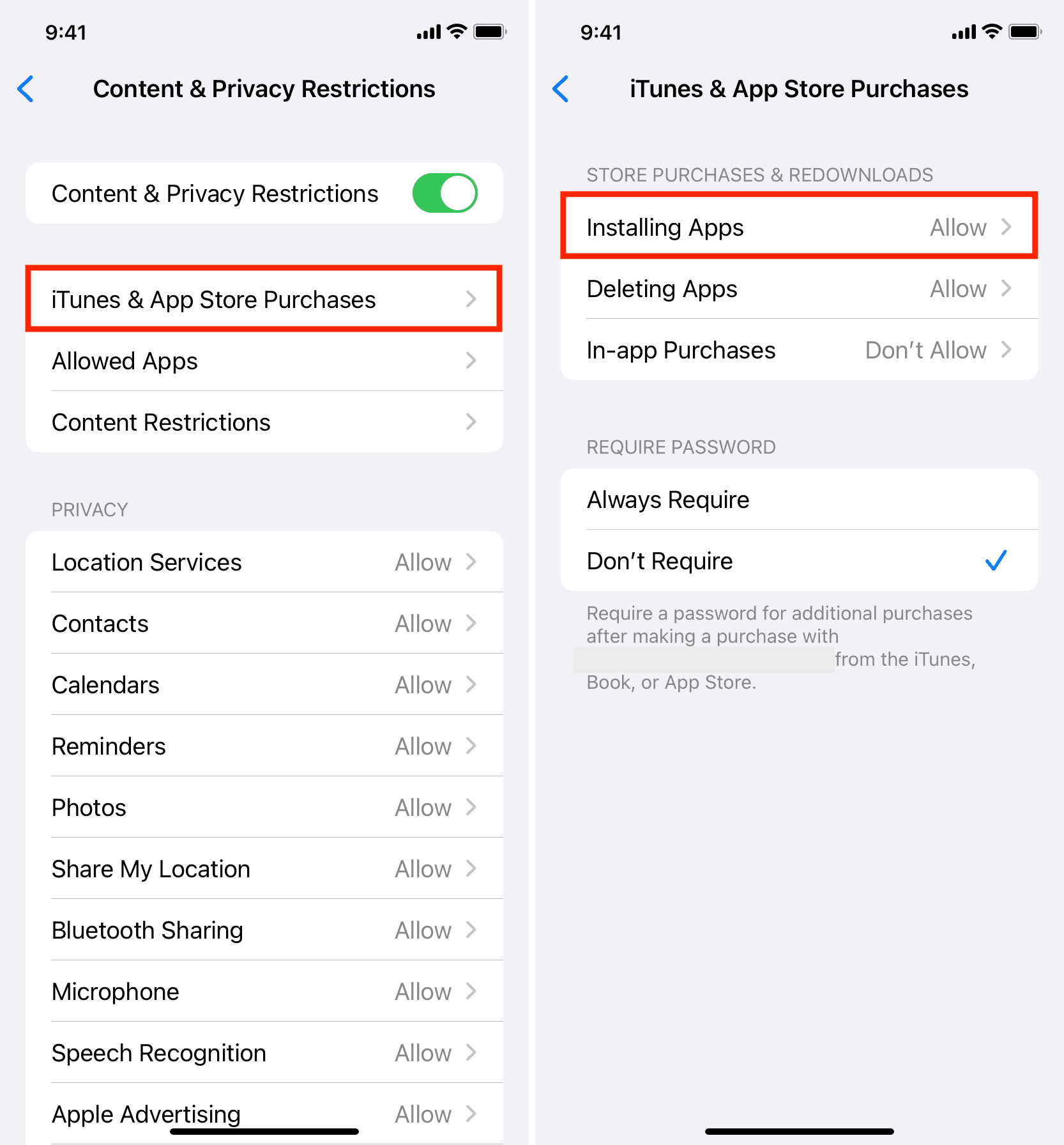
- Check Restrictions: Go to Settings > Screen Time > Content & Privacy Restrictions. If “Installing Apps” is turned off, the App Store icon may be hidden. Toggle it back on.
- Reset Home Screen Layout: If all else fails, you can reset your home screen layout to its default state. Go to Settings > General > Transfer or Reset iPhone > Reset > Reset Home Screen Layout. Be aware that this will rearrange all your apps back to their default positions.
For Android Devices (Smartphones, Tablets)
Similar to iOS, the primary application marketplace for Android devices is the Google Play Store. It comes pre-installed on the vast majority of Android smartphones and tablets manufactured by companies like Samsung, Google Pixel, OnePlus, and many others.
Accessing the Google Play Store on Android:
- Locate the Icon: Look for an icon that is a colorful white triangle on a dark background. It’s usually on your home screen or in your app drawer.
- Tap to Open: Tap the Google Play Store icon to launch it.
- Sign In/Create a Google Account: You’ll need to be signed into a Google Account to use the Play Store. If your device is already set up with your Google Account, you’ll likely be automatically logged in. If not, follow the prompts to sign in or create a new Google Account.
- Discover and Download: Once inside, you can browse by categories, search for apps, or explore curated lists. To download a free app, tap “Install.” For paid apps, you’ll see the price; tap it and choose your preferred payment method.
“Installing” the Google Play Store on Android (Less Common Scenarios):
While the Play Store is almost always pre-installed, there are rare scenarios where it might be missing or uninstalled (e.g., on heavily modified custom ROMs or older devices no longer receiving updates). In such cases, “installing” it becomes more technical:
- Using a Device with Google Mobile Services (GMS): Most mainstream Android devices come with GMS, which includes the Play Store. If you bought a device without GMS (like some devices from certain regions or custom builds), installing the Play Store and its dependencies can be a complex process and might not always be stable or supported.
- Sideloading APKs (Not Recommended for Beginners): Theoretically, one could download the Google Play Store APK file from a trusted source and attempt to install it. However, this is generally not recommended for average users due to security risks and potential compatibility issues. The Play Store relies on several core Google services to function correctly, and simply installing the APK might not be enough.
- Using an Alternative App Store: If the Google Play Store is unavailable or you prefer other options, Android supports alternative app stores like Amazon Appstore, F-Droid (for open-source apps), or manufacturer-specific stores. These can often be installed by downloading their respective APKs from their official websites.
Beyond the Giants: Other App Marketplaces and Their Significance
While Apple’s App Store and Google Play Store dominate the mobile landscape, it’s important to acknowledge that the concept of an “app store” extends to other platforms and ecosystems.
App Stores on Desktops and Other Devices
- Microsoft Store: For Windows users, the Microsoft Store offers a curated selection of applications, games, and media. It’s built into Windows 10 and 11, providing a secure and convenient way to acquire software. You can access it by searching for “Microsoft Store” in the Windows search bar.
- Mac App Store: Similar to the iOS App Store, the Mac App Store is integrated into macOS, offering a wide range of Mac applications. You can find it in your Applications folder.
- Gaming Consoles: Platforms like PlayStation Store, Xbox Games Store, and Nintendo eShop function as app stores for games and digital content on their respective consoles.
- Smart TVs and Streaming Devices: Devices like Roku, Amazon Fire TV, Apple TV, and various smart TV platforms have their own app stores to download streaming services, games, and other entertainment applications.
The existence of these diverse app stores highlights the universal demand for streamlined access to digital content. Each platform aims to provide a secure, user-friendly, and well-managed environment for both consumers and developers.
The “Brand” and “Money” Implications of App Stores
The impact of app stores extends beyond mere technical functionality. From a Brand perspective, the curated nature of these stores shapes user perception of quality and trustworthiness. A presence on a major app store lends credibility to an application and its developer. Developers often invest significantly in their “brand” within the app store, using professional screenshots, compelling descriptions, and consistent branding to attract users.
From a Money standpoint, app stores are colossal economic engines. They facilitate billions of dollars in transactions annually. For individuals looking for Online Income or Side Hustles, developing and publishing an app can be a viable path. Understanding the monetization models, user acquisition strategies, and the economics of app store optimization (ASO) is crucial for anyone venturing into this space. Furthermore, many productivity apps and financial tools available on these stores can directly help individuals and businesses manage their finances more effectively, underscoring the interconnectedness of technology and wealth.

Conclusion: Navigating the Digital Marketplace with Confidence
In essence, the question “how do I install the App Store?” is typically answered by understanding that for major mobile platforms like iOS and Android, the app store is a foundational element that comes pre-installed. Your primary task is to access it, sign in with your respective account (Apple ID or Google Account), and then begin exploring the vast universe of applications available.
The App Store, in its various forms across different devices, represents a significant advancement in how we interact with technology. It has democratized access to software, fostered innovation, and created new economic opportunities. By understanding how these digital marketplaces function, you can navigate them with confidence, discover powerful tools, enhance your productivity, manage your finances, and unlock a world of digital possibilities. Whether you’re a seasoned tech enthusiast or a newcomer to the digital age, mastering the use of app stores is a fundamental skill for today’s connected world.
aViewFromTheCave is a participant in the Amazon Services LLC Associates Program, an affiliate advertising program designed to provide a means for sites to earn advertising fees by advertising and linking to Amazon.com. Amazon, the Amazon logo, AmazonSupply, and the AmazonSupply logo are trademarks of Amazon.com, Inc. or its affiliates. As an Amazon Associate we earn affiliate commissions from qualifying purchases.