
In an era characterized by market volatility, rising living costs, and the constant temptation of consumerism, the ability to save money has evolved from a simple habit into a critical life skill. Saving is not merely about the act of hoarding currency; it is about creating a buffer between your current lifestyle and the unpredictability of the future. It is the foundation upon which financial freedom is built, providing the capital necessary for investment, the security needed for peace of mind, and the flexibility to pursue opportunities that align with your long-term goals.
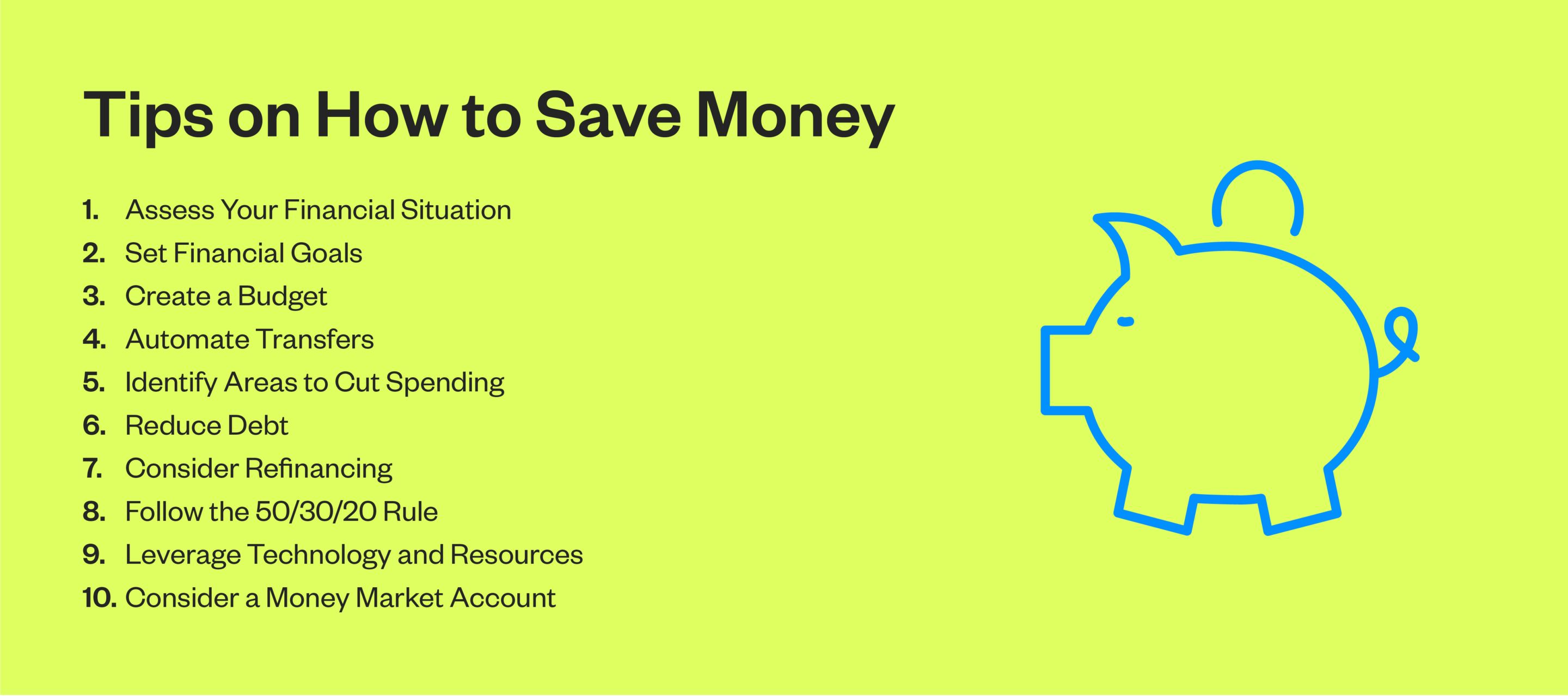
How one saves money in the 21st century requires a blend of traditional discipline and modern strategic thinking. This guide explores the multifaceted approach to personal finance, focusing on psychological shifts, structural budgeting, and the optimization of expenses to ensure that your hard-earned income serves your future self.
The Psychological Framework of Effective Saving
Before a single dollar can be tucked away into a savings account, a shift in mindset must occur. Saving is often viewed as a form of deprivation—giving up something today to have nothing today. However, high-net-worth individuals and financial experts view saving as “paying yourself first.”
Redefining the Value of Capital
The first step in saving money is understanding the “opportunity cost” of every purchase. When you spend $1,000 on a luxury item, you aren’t just losing $1,000; you are losing the potential growth that $1,000 could have generated over twenty years in a diversified portfolio. By viewing money as a tool for future production rather than just a medium for immediate consumption, the motivation to save becomes intrinsic rather than forced.
Overcoming Lifestyle Creep
Lifestyle creep—the tendency to increase spending as income rises—is the primary enemy of wealth accumulation. Many professionals find that despite receiving significant raises, their bank balances remain stagnant. To combat this, one must decouple their standard of living from their earning power. By maintaining a consistent lifestyle while income grows, the surplus can be funneled directly into savings and investments, accelerating the journey toward financial independence.
The Power of Intentional Spending
Saving does not mean living a life of austerity. Instead, it involves intentionality. It is about identifying what truly brings value to your life and ruthlessly cutting costs on things that do not. When you stop spending on “filler” items—the daily expensive coffee you don’t really enjoy, the subscriptions you never use—you free up capital for the things that matter, making the act of saving feel like a strategic choice rather than a sacrifice.
Structural Budgeting: Giving Every Dollar a Job
A budget is a roadmap for your money. Without it, capital tends to “evaporate” through small, unmonitored transactions. Effective budgeting provides a clear view of where your money is going and allows you to make data-driven decisions about your financial future.
The 50/30/20 Rule: A Balanced Approach
For those seeking a straightforward framework, the 50/30/20 rule is an excellent starting point. Under this model, 50% of your after-tax income goes toward “needs” (housing, utilities, groceries), 30% toward “wants” (entertainment, dining out), and 20% toward “savings and debt repayment.” This structure ensures that savings are prioritized while still allowing for a reasonable quality of life.
Zero-Based Budgeting for Maximum Efficiency
Zero-based budgeting is a more rigorous method where every dollar of income is assigned a specific category at the start of the month. By the time you are finished, your income minus your expenses (including savings) equals zero. This method is highly effective for identifying “leaks” in your spending habits. It forces you to justify every expense, ensuring that no money is left to be spent aimlessly.
Auditing Recurring “Ghost” Expenses
In the digital age, many people lose significant amounts of money to “ghost” expenses—automated subscriptions and memberships that are no longer utilized. A quarterly audit of bank statements is essential. Canceling unused streaming services, gym memberships, or software subscriptions can often yield hundreds of dollars in “found” money that can be redirected into a high-yield savings account.
Strategic Optimization of High-Impact Costs

While skipping a latte may save a few dollars, the most significant progress in saving money is made by optimizing the largest line items in your budget: housing, transportation, and food.
Reimagining Housing and Utilities
Housing is typically the largest monthly expense. Saving money in this area might involve downsizing, taking on a roommate, or moving to a more tax-advantaged location. Furthermore, optimizing utility costs through energy-efficient appliances, smart thermostats, and better insulation can lead to compounding savings over several years. Even a 10% reduction in monthly housing-related costs can result in thousands of dollars saved annually.
Mastering the Food Economy
Food is one of the most flexible areas of a budget. The gap between the cost of cooking at home and the cost of dining out or ordering delivery is vast. Strategic grocery shopping—utilizing meal planning, buying in bulk, and choosing generic brands—can drastically reduce monthly expenditures. Additionally, the “brown bag” lunch habit remains one of the most effective, albeit cliché, methods for saving significant capital over a working career.
Transportation and Total Cost of Ownership
Many people view their car payment as a permanent fixture of life. However, transportation costs include more than just the loan; they include insurance, maintenance, fuel, and depreciation. Saving money in this category often means driving a reliable used vehicle rather than leasing a new one every three years. By choosing a car that is a few years old, you avoid the steepest part of the depreciation curve, allowing that “saved” money to work for you elsewhere.
Leveraging Financial Tools and Technology
In the modern landscape, technology can be a powerful ally in the quest to save. By automating the process, you remove the element of human error and the temptation to spend.
High-Yield Savings Accounts (HYSA)
Traditional savings accounts often offer negligible interest rates. To save effectively, your “stashed” cash should be working for you. Moving your emergency fund and short-term savings to a High-Yield Savings Account (HYSA) can significantly increase your earnings through compound interest. While the rates fluctuate with the market, an HYSA typically offers a return that is many times higher than a standard big-box bank account.
Automated Transfers and “Pay Yourself First”
The most successful savers are those who don’t have to think about it. Setting up an automated transfer that moves money from your checking account to your savings account the day your paycheck arrives ensures that the money is “gone” before you have the chance to spend it. This treats savings as a non-negotiable bill that must be paid every month.
Utilizing Micro-Savings and Cashback Apps
While they shouldn’t be the primary pillar of your strategy, micro-savings apps that “round up” your purchases to the nearest dollar can provide a helpful supplement. Similarly, using cashback portals and credit cards with high reward rates (provided the balance is paid in full every month) can effectively discount your necessary spending by 2% to 5%, which can then be funneled back into savings.
Long-Term Wealth Preservation and Growth
The ultimate goal of saving is not just to have a pile of cash, but to build a foundation for long-term financial security. This requires moving beyond simple saving and into the realm of wealth preservation.
Building and Protecting the Emergency Fund
A robust emergency fund is the cornerstone of financial stability. Most experts recommend keeping three to six months of essential living expenses in a liquid account. This fund acts as insurance against job loss, medical emergencies, or urgent home repairs. Without this buffer, an unexpected expense can force you into high-interest debt, which can take years to pay off and derail your entire savings plan.
Debt Management as an Indirect Saving Strategy
Paying down high-interest debt, such as credit card balances, is mathematically equivalent to saving at a guaranteed rate of return. If you have a credit card with a 20% interest rate, paying it off is the best “investment” you can make. Once the debt is cleared, the money previously allocated to interest payments can be redirected entirely into your savings and investment accounts, creating a powerful snowball effect.

Transitioning from Saving to Investing
Finally, it is important to recognize that while saving creates a safety net, investing builds wealth. Once you have an adequate emergency fund and have optimized your monthly expenses, the next step in “saving” for the future is deploying capital into assets like low-cost index funds, real estate, or retirement accounts. This allows your saved money to outpace inflation and grow exponentially over time, ensuring that the discipline you practice today leads to true financial independence tomorrow.
In conclusion, saving money is a multi-dimensional discipline. It requires a psychological commitment to future-focused living, a structural approach to managing cash flow, and a strategic eye for optimizing major expenses. By leveraging modern financial tools and maintaining a consistent, automated approach, anyone can transform their financial trajectory, moving from a state of uncertainty to a position of strength and freedom.
aViewFromTheCave is a participant in the Amazon Services LLC Associates Program, an affiliate advertising program designed to provide a means for sites to earn advertising fees by advertising and linking to Amazon.com. Amazon, the Amazon logo, AmazonSupply, and the AmazonSupply logo are trademarks of Amazon.com, Inc. or its affiliates. As an Amazon Associate we earn affiliate commissions from qualifying purchases.