
In the rapidly evolving landscape of digital entertainment, users are constantly seeking ways to personalize and consolidate their media consumption. While platforms like Roku offer a streamlined, user-friendly experience, they sometimes come with limitations on content customization. This is where the allure of Kodi, a powerful open-source media center, becomes apparent. However, a common challenge many users face is the seemingly incompatible nature of these two platforms: Kodi isn’t natively available on Roku devices. This article aims to demystify the process, providing a comprehensive guide on how to bridge this gap, enabling you to enjoy Kodi’s vast capabilities on your Roku streaming device. We’ll delve into the necessary steps, explore technical nuances, and discuss best practices to ensure a smooth, secure, and enriched streaming experience, integrating insights relevant to technology trends, digital security, and maximizing your entertainment investment.
Understanding the Landscape: Kodi, Roku, and Their Compatibility
Before diving into the installation process, it’s crucial to understand what each platform brings to the table and why their direct integration isn’t straightforward. This foundational knowledge will empower you to navigate the solutions more effectively and appreciate the ingenuity involved in bringing these two powerful systems together.
What is Kodi? A Gateway to Personalized Media
Kodi, formerly known as XBMC (Xbox Media Center), is a free and open-source media player software application developed by the XBMC Foundation. It allows users to play and view most streaming media, such as videos, music, podcasts, and videos from the internet, as well as all common digital media files from local and network storage media. What sets Kodi apart is its incredible extensibility through a vast ecosystem of third-party add-ons. These add-ons can unlock access to a virtually limitless array of content, from global news channels and niche documentaries to independent films and live sports, transforming your device into a truly personalized entertainment hub.
From a technological perspective, Kodi represents the pinnacle of user-controlled media management. It offers a highly customizable interface, extensive playback capabilities, and a robust framework for integrating various media sources. For tech enthusiasts and those looking to curate their digital libraries, Kodi is an indispensable tool, epitomizing the “Tech” aspect of our website’s focus by offering a powerful, adaptable software solution.
What is Roku? Your Streamlined Entertainment Hub
Roku devices, on the other hand, are a popular line of digital media players manufactured by Roku, Inc. They provide access to streaming media content from various online services. Roku’s primary appeal lies in its simplicity, user-friendly interface, and the sheer volume of “channels” (apps) available on its platform, which number in the thousands. From Netflix and Hulu to Disney+ and YouTube, Roku aggregates a wide range of official streaming services, making it incredibly easy for consumers to access their subscribed content with minimal fuss.
Roku’s brand identity is built around accessibility and ease of use. It’s designed to be a plug-and-play solution for the average consumer, offering a curated and controlled environment. While this approach ensures stability and broad appeal, it also means that unofficial or open-source applications like Kodi are not directly supported through its official channel store. This controlled ecosystem, while beneficial for general users, creates a barrier for those seeking the advanced customization that Kodi offers.
The Compatibility Conundrum: Why Native Installation Isn’t an Option
The core reason you cannot directly install Kodi on a Roku device stems from their fundamental architectural and philosophical differences. Roku operates on a proprietary operating system, designed to run specific applications (channels) developed using its SDK (Software Development Kit) and approved by Roku. Kodi, being an open-source application, is not developed with Roku’s specific OS in mind, nor does it typically seek official approval for inclusion in proprietary app stores due to its nature and the content flexibility it offers.
Therefore, unlike devices such as Android TV boxes or Amazon Fire Sticks, which allow for “sideloading” applications from outside their official app stores, Roku devices are locked down. They do not permit users to install third-party applications that are not part of their approved channel library. This proprietary lock-in, while great for security and stability from Roku’s perspective, means that a direct installation of Kodi onto a Roku device is simply not possible. This technological constraint necessitates alternative methods to bring Kodi’s functionality to your Roku screen.
Preparing for the Installation: Essential Prerequisites
Since direct installation is out of the question, our approach involves leveraging Roku’s capabilities for screen mirroring or casting. This allows another device, where Kodi is running, to project its display onto your Roku-connected TV. Successfully achieving this requires some preliminary steps and understanding of your existing setup.
Choosing Your Method: Screen Mirroring vs. Casting
There are primarily two indirect methods to get Kodi content displayed on your Roku device:
- Screen Mirroring: This method duplicates the entire screen of a source device (like an Android smartphone/tablet or a Windows PC) onto your TV via Roku. Whatever you see on your source device’s screen, including the Kodi interface, will be mirrored on your TV. This is the most common and generally reliable method for getting Kodi onto Roku.
- Casting: Some applications, including certain media players or web browsers that support casting protocols (like DLNA), can “cast” specific content (e.g., a video stream) to your Roku. While Kodi itself doesn’t have a direct “Cast to Roku” button, you can cast content from a device running Kodi if that device supports casting its display or specific media. For simplicity and broader compatibility, screen mirroring is often the preferred and more straightforward route.
For the purposes of this guide, we will focus primarily on screen mirroring, as it offers the most direct way to interact with Kodi through your Roku.
Required Devices and Software
To successfully implement the screen mirroring technique, you will need the following:
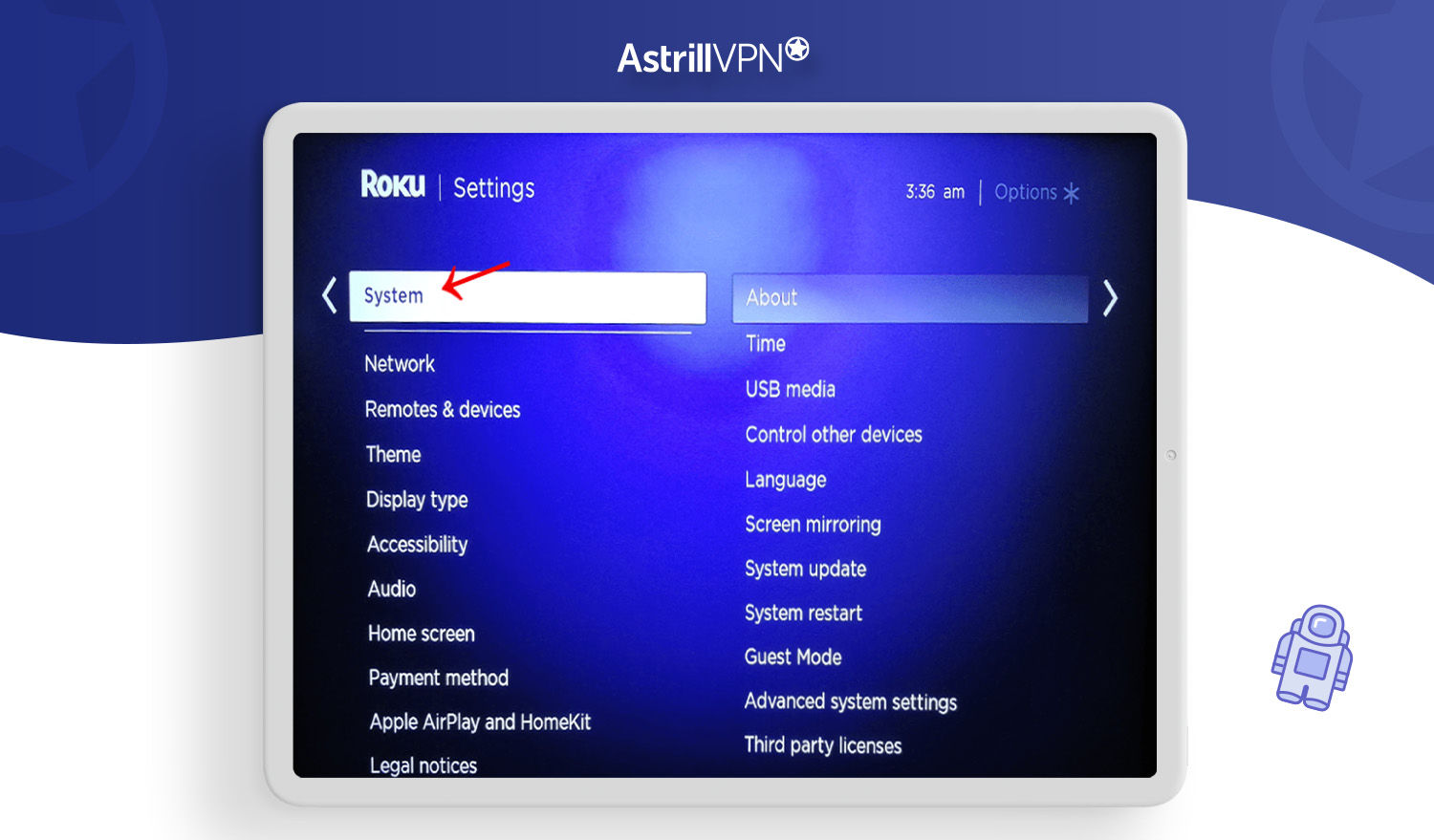
- Roku Device: Any Roku streaming player (Roku Stick, Roku Express, Roku Premiere, Roku Ultra) or a Roku TV that supports screen mirroring. Most modern Roku devices manufactured after 2017 generally support this feature. You can check your Roku’s settings under
Settings > System > Screen Mirroringto confirm. - Source Device with Kodi Installed:
- Android Smartphone or Tablet: This is often the easiest option. You’ll need to install the Kodi app from the Google Play Store (or sideload the APK if you prefer). Ensure your Android device is relatively modern and has sufficient processing power for smooth Kodi operation and mirroring.
- Windows PC: A desktop or laptop running Windows 8.1 or later. You can download and install Kodi from the official Microsoft Store or the Kodi website.
- Strong Wi-Fi Network: Both your Roku device and your source device (Android or PC) must be connected to the same Wi-Fi network. A stable and fast connection is crucial for seamless mirroring without lag or interruptions. This also touches upon the “Tech” aspect of network infrastructure and its impact on user experience.
Network Configuration and Settings
Before you begin, ensure your network is optimized for streaming:
- Verify Wi-Fi Connection: Double-check that both your Roku and the device running Kodi are connected to the same Wi-Fi network and ideally the same band (2.4GHz or 5GHz). 5GHz generally offers better performance for streaming due to less interference and higher bandwidth.
- Enable Screen Mirroring on Roku:
- Go to your Roku device’s home screen.
- Navigate to
Settings > System > Screen Mirroring. - Ensure “Screen Mirroring Mode” is set to “Prompt” or “Always Allow.” “Prompt” is safer as it asks for permission before connecting.
- Update Kodi: Ensure you have the latest stable version of Kodi installed on your source device. Newer versions often come with performance improvements and bug fixes that can enhance your mirroring experience.
- Update Source Device OS: Keep your Android device or Windows PC operating system updated. OS updates often include improvements to casting/mirroring functionalities.
These preparatory steps are fundamental. Neglecting them can lead to connectivity issues, poor performance, and a frustrating user experience. Investing a few minutes here will save you significant troubleshooting time later.
Step-by-Step Installation Guides: Bridging the Gap
With your prerequisites met and your understanding clear, let’s walk through the practical steps to get Kodi content onto your Roku-connected TV. We’ll detail methods for both Android and Windows devices, the two most common platforms for screen mirroring.
Method 1: Installing Kodi via Screen Mirroring from Android
This is arguably the most popular and straightforward method for many users due to the widespread availability of Android smartphones and tablets.
- Install Kodi on your Android Device:
- Open the Google Play Store on your Android phone or tablet.
- Search for “Kodi” and install the official app.
- Once installed, open Kodi and configure it with your desired add-ons, media sources, and settings. Ensure Kodi is running correctly on your Android device first.
-
Enable Screen Mirroring on Android:
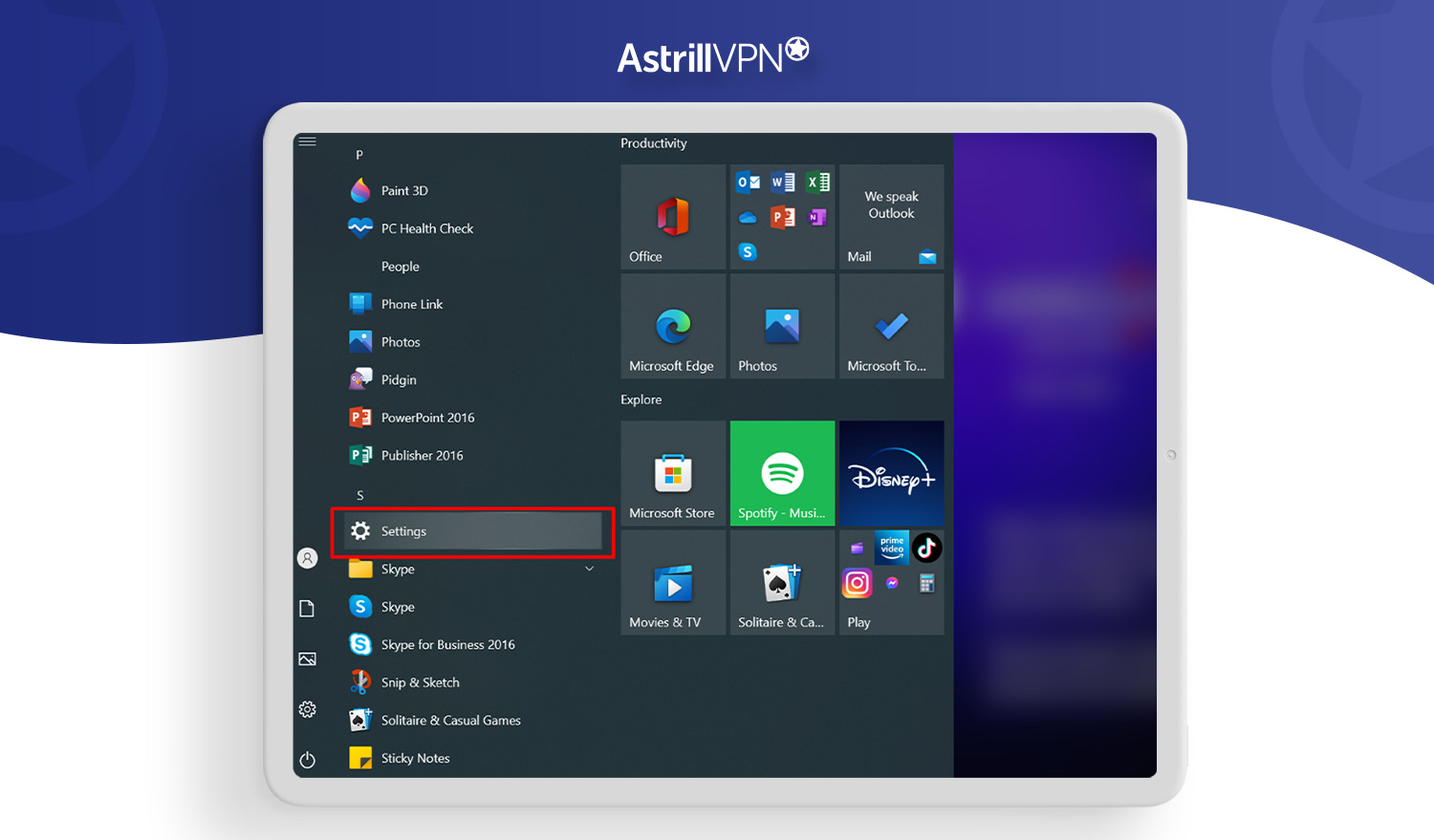
- The exact steps may vary slightly depending on your Android device’s manufacturer and OS version, but generally, you can access screen mirroring settings from the quick settings panel (swipe down from the top of the screen) or within the main
Settingsapp. - Look for options like “Cast,” “Smart View,” “Screen Share,” “Wireless Display,” or “MirrorShare.”
- Tap on this option to activate it.
- The exact steps may vary slightly depending on your Android device’s manufacturer and OS version, but generally, you can access screen mirroring settings from the quick settings panel (swipe down from the top of the screen) or within the main
-
Connect to Your Roku Device:
- Your Android device will now scan for available mirroring receivers.
- Select your Roku device from the list (it will usually appear with its name, e.g., “Roku Ultra – 123ABC”).
- If your Roku’s screen mirroring mode is set to “Prompt,” you might need to accept the connection on your TV using your Roku remote.
-
Launch Kodi and Enjoy:
- Once connected, your Android device’s screen will be mirrored on your TV.
- Open the Kodi app on your Android device.
- Navigate through Kodi as you normally would on your phone. The content will be displayed on your TV.
- Use your Android device as the remote control for Kodi.
Tips for Android Mirroring:
- Rotate your phone: For a full-screen Kodi experience, rotate your Android device horizontally.
- Keep your phone charged: Screen mirroring can consume battery rapidly.
- Minimize background apps: Close unnecessary apps on your Android device to free up resources and ensure smoother mirroring performance.
- Audio Output: Audio from Kodi will typically play through your TV speakers. If it plays through your phone, check your Android’s sound settings or the Kodi app’s audio output settings.
Method 2: Casting Kodi from a Windows PC
If you primarily use a Windows PC for your media management, this method offers a robust alternative.
-
Install Kodi on your Windows PC:
- Download the official Kodi installer from the Kodi website (kodi.tv) or install it from the Microsoft Store.
- Run the installer and follow the on-screen instructions.
- Launch Kodi and configure it to your preferences.
-
Enable Screen Mirroring (Cast to Device) on Windows:
- Ensure your Windows PC and Roku are on the same Wi-Fi network.
- On Windows 10/11, press the
Windows key + Ksimultaneously. This shortcut opens the “Connect” sidebar. - Alternatively, you can go to
Settings > System > Display > Multiple displaysand click on “Connect to a wireless display.” - Your PC will scan for nearby wireless display devices.
-
Connect to Your Roku Device:
- Select your Roku device from the list that appears in the “Connect” sidebar.
- Similar to Android, if your Roku is set to “Prompt,” you may need to accept the connection on your TV.
-
Launch Kodi and Enjoy:
- Once connected, your PC’s screen will be mirrored onto your TV.
- Open Kodi on your Windows PC.
- Maximize the Kodi window for a full-screen experience on your TV.
- Use your PC’s keyboard and mouse (or a remote if you have one configured for your PC) to control Kodi.
Tips for Windows Mirroring:
- Resolution Matching: For the best visual quality, try to match your PC’s display resolution to your TV’s native resolution, if possible, before mirroring.
- Performance: A more powerful PC will generally offer a smoother mirroring experience. Close demanding applications running in the background.
- Extend Display: Instead of duplicating your display, you can choose to “Extend” it. This allows you to use your PC monitor independently while Kodi runs full-screen on your TV via Roku. This is particularly useful for productivity, allowing you to work on your PC while family members watch Kodi content. This highlights the “Productivity” aspect by allowing multi-tasking.
These methods effectively bypass the direct installation limitation, allowing you to leverage Kodi’s advanced media capabilities through your Roku’s convenient interface.
Optimizing Your Kodi-on-Roku Experience and Troubleshooting
While screen mirroring provides a viable solution, a few optimizations and troubleshooting tips can significantly enhance your experience. It’s not just about getting it to work, but making it work well.
Enhancing Performance and Usability
- Stable Wi-Fi Connection: Reiterate the importance of a strong, stable Wi-Fi network. Consider using a 5GHz band if your devices and router support it. Proximity to the router also helps.
- Minimize Network Congestion: Avoid heavy internet activities (large downloads, other streaming) on the same network while mirroring.
- Optimize Kodi Settings: Within Kodi, you can adjust video playback settings (e.g., hardware acceleration, resolution scaling) to suit your source device’s capabilities and network speed. Lowering resolution or adjusting refresh rates can sometimes improve performance on less powerful source devices or weaker Wi-Fi.
- Source Device Performance: Keep your Android device or PC optimized. Clear cache, close unnecessary background apps, and ensure sufficient free storage space. A device struggling to run Kodi smoothly will not mirror well.
- Use a Dedicated Remote App for Kodi: While your phone or PC acts as the remote for the mirrored screen, using a dedicated Kodi remote app (like Kore for Android or an equivalent for PC) can offer a more fluid control experience directly within the Kodi interface on your source device.
- Automate Connections (where possible): Some Android devices or Windows settings might allow you to save your Roku as a trusted mirroring device, speeding up future connections.
Common Issues and How to Resolve Them
- No Roku Device Found:
- Solution: Ensure both devices are on the exact same Wi-Fi network. Restart your Roku and your source device. Check Roku’s screen mirroring settings to ensure it’s enabled.
- Laggy or Choppy Playback:
- Solution: This is almost always a network issue. Move closer to your router, switch to a 5GHz band, reduce network congestion, or consider upgrading your Wi-Fi router. Check your source device’s CPU/RAM usage; close background apps.
- No Audio:
- Solution: Check volume levels on both your source device and your TV. Ensure your source device’s audio output is not muted or directed to another device (e.g., Bluetooth headphones). On some Android devices, you might find a “Cast audio” option.
- Black Screen/Connection Fails:
- Solution: Restart both devices. Update your source device’s operating system and Kodi. If on Android, try clearing the cache of your screen mirroring app or the system’s “Cast” service. On Windows, update display drivers.
- Aspect Ratio Issues:
- Solution: Ensure Kodi is set to display in fullscreen on your source device. Check your TV’s aspect ratio settings (e.g., “Fit to screen,” “16:9”).
Digital Security and Best Practices for Kodi Users
While Kodi itself is a legitimate and open-source media player, the flexibility it offers means that users can install third-party add-ons from various sources. It’s crucial to exercise caution:
- Stick to Official Add-ons: Whenever possible, use add-ons from Kodi’s official repository. These are vetted for security and stability.
- Reputable Third-Party Sources: If you venture into third-party add-ons, research repositories thoroughly. A legitimate add-on typically has an active developer community and good reviews. Avoid unknown or suspicious sources, as they can contain malware or provide access to copyrighted content illegally. This directly relates to “Digital Security” and protecting your tech environment.
- VPN Usage: For enhanced privacy and security, especially when using third-party add-ons, consider using a Virtual Private Network (VPN). A VPN encrypts your internet traffic, protecting your online activities from potential surveillance and ensuring your IP address remains private. This is a critical “Tech” and “Digital Security” recommendation.
- Regular Updates: Keep Kodi and your source device’s operating system updated. Updates often include security patches that protect against vulnerabilities.
- Data Backup: Regularly back up your Kodi configuration if you have a lot of custom settings or a large library.
By following these best practices, you can maximize the enjoyment of your Kodi-on-Roku setup while safeguarding your digital well-being.
The Future of Media Streaming: Why This Matters
The effort to integrate Kodi with Roku isn’t just about technical workaround; it speaks to a larger trend in media consumption and user empowerment. It highlights the desire for greater control, customization, and value from our entertainment systems.
Maximizing Your Entertainment Investment
In an era of proliferating streaming services and rising subscription costs, Kodi offers a compelling alternative for media aggregation. By centralizing your local media, accessing legal streaming services through add-ons, and leveraging its vast customization options, Kodi helps users maximize the value of their existing media libraries and online subscriptions. Bringing this power to a convenient Roku device means you’re getting more out of your hardware investment. You’re not just buying a streaming stick; you’re transforming it into a versatile media hub, embodying principles of “Money” by optimizing personal finance through smart tech utilization. It allows you to consolidate content without incurring additional monthly fees, contributing to smarter personal finance management.
Beyond Basic Streaming: The Power of Customization
The ability to personalize your media experience is no longer a luxury but an expectation. Kodi, even when mirrored, delivers this by offering an interface that can be tailored with skins, specific content categories, and personalized recommendations through various add-ons. This level of customization far surpasses the static app grid offered by most proprietary streaming platforms. It empowers users to define their entertainment, moving beyond passive consumption to active curation. This reflects a broader “Tech” trend towards user-centric design and open-source solutions that put control back into the hands of the consumer.
In conclusion, while Roku and Kodi may not be direct companions, the ingenuity of screen mirroring provides a robust bridge. By understanding the technical nuances, carefully preparing your devices, and adhering to best practices for security, you can unlock a world of personalized media on your Roku-connected TV. This integration not only enhances your entertainment options but also serves as a testament to the continuous innovation in how we consume and interact with digital content, truly globalizing your media experience.
aViewFromTheCave is a participant in the Amazon Services LLC Associates Program, an affiliate advertising program designed to provide a means for sites to earn advertising fees by advertising and linking to Amazon.com. Amazon, the Amazon logo, AmazonSupply, and the AmazonSupply logo are trademarks of Amazon.com, Inc. or its affiliates. As an Amazon Associate we earn affiliate commissions from qualifying purchases.