
In the modern financial landscape, few events carry as much weight as an NVIDIA (NVDA) earnings call. Once a niche manufacturer of graphics cards for gaming enthusiasts, NVIDIA has transformed into the primary engine of the global artificial intelligence revolution. Consequently, the question of “when is NVIDIA earnings” is no longer just a query for retail traders—it is a critical milestone for the entire global market. For investors, understanding the timing, the expectations, and the underlying financial metrics of these reports is essential for navigating the volatility of the tech-heavy indices.
Understanding the NVIDIA Fiscal Calendar and Reporting Cycle
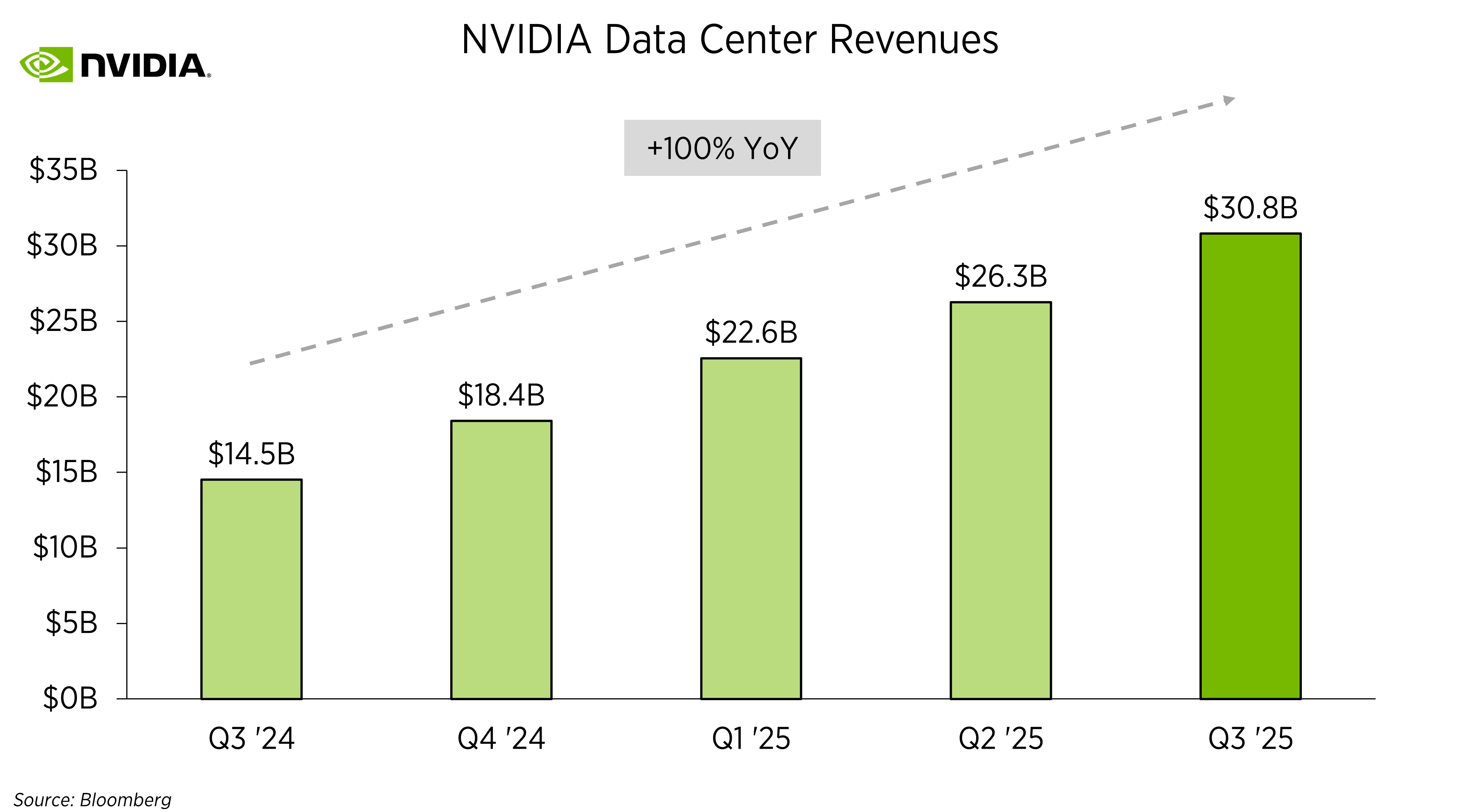
To accurately track when NVIDIA reports its earnings, one must first understand that the company operates on a fiscal year that does not align with the standard calendar year. NVIDIA’s fiscal year typically ends in late January. For example, the period spanning February 2024 to January 2025 is referred to as “Fiscal Year 2025.” This can often confuse novice investors who see “Q3 2025” results being reported in late 2024.
The Quarterly Cadence
NVIDIA generally reports its earnings four times a year, approximately 15 to 20 days after the end of each fiscal quarter.
- First Quarter (Q1): Usually reported in mid-to-late May.
- Second Quarter (Q2): Usually reported in mid-to-late August.
- Third Quarter (Q3): Usually reported in mid-to-late November.
- Fourth Quarter (Q4) and Full Year: Usually reported in mid-to-late February.
For the most up-to-date and specific date, investors should always consult the NVIDIA Investor Relations website or a reliable financial news terminal. These dates are typically officially announced two to three weeks before the actual call.
The Importance of the “After-Hours” Announcement
NVIDIA traditionally releases its earnings report after the Nasdaq closes, typically at 4:20 PM Eastern Time (ET). This is followed by a highly anticipated conference call at 5:00 PM ET. The gap between the press release and the call often sees massive price swings as algorithmic trading bots parse the “beat or miss” on headline numbers before human analysts can digest the CEO’s commentary on future guidance.
Why Timing Matters for Market Liquidity
The announcement of NVIDIA’s earnings date often acts as a “volatility magnet.” Option premiums tend to rise as the date approaches, reflecting the market’s expectation of a significant price move. For the prudent investor, knowing the date is the first step in managing risk, allowing for the adjustment of stop-loss orders or the implementation of hedging strategies before the window of high volatility opens.
Key Financial Metrics: Beyond the Headline Revenue
While the “when” is important for timing, the “what” is what determines the long-term trajectory of the stock. When the earnings report finally drops, seasoned investors look past the top-line revenue to find the true health of the company’s business model.
Data Center Growth: The Crown Jewel
In recent years, the Data Center segment has become the primary driver of NVIDIA’s valuation. This segment includes sales of the H100, H200, and the newer Blackwell architecture chips to cloud service providers (CSPs) like Microsoft, Amazon, and Google. Investors look for “sequential growth”—how much the revenue grew from the previous quarter, not just the previous year. A slowdown in sequential growth is often interpreted as a sign that the “AI gold rush” may be cooling, even if the year-over-year numbers remain high.
Gross Margins and Pricing Power
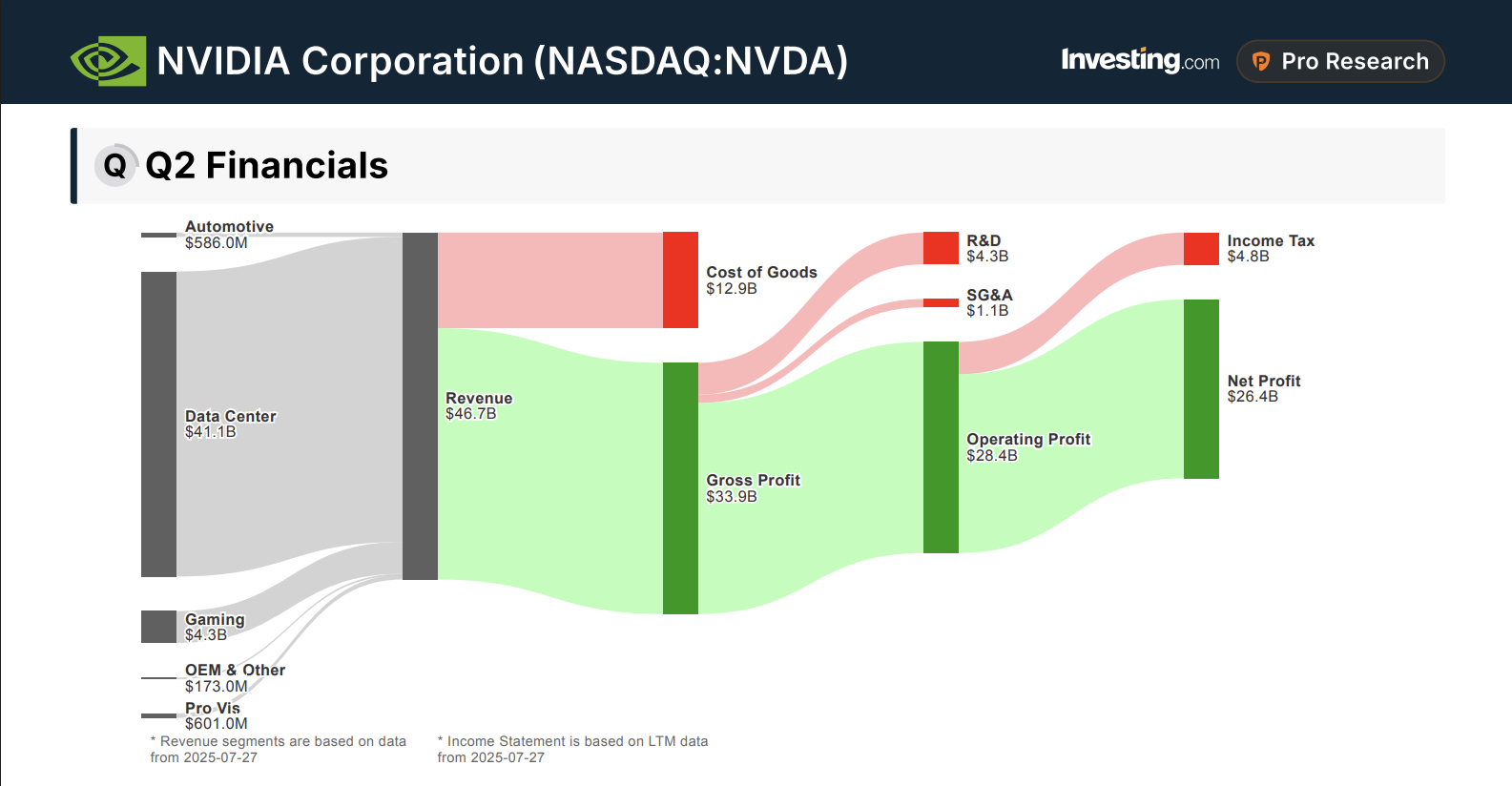
One of the most impressive aspects of NVIDIA’s financial profile is its gross margin, which has recently hovered in the 70% to 75% range. For a hardware company, these are extraordinary figures, more akin to a software-as-a-service (SaaS) company.
- Why it matters: High margins indicate immense pricing power. It suggests that customers are willing to pay a premium for NVIDIA’s ecosystem (including its CUDA software layer) and that the company is effectively managing its supply chain costs despite global inflationary pressures.
- The Risk: Any contraction in gross margins could signal increased competition from rivals like AMD or custom silicon developed internally by Big Tech firms.
Forward Guidance: The Market’s North Star
In the world of investing, the past is already priced in. The “beat” on past earnings is secondary to the “forward guidance.” This is the management’s projection of what they expect to earn in the next quarter. If NVIDIA beats current earnings but provides conservative guidance for the future, the stock often sells off. Investors are paying a premium for future growth, and any hint that the ceiling is near can trigger a re-valuation of the stock’s price-to-earnings (P/E) ratio.

Market Sentiment and the “AI Premium” Valuation
NVIDIA does not trade in a vacuum. Because of its massive market capitalization—often rivaling Apple and Microsoft for the top spot globally—its earnings reports have a systemic impact on the S&P 500 and the Nasdaq-100.
The P/E Ratio vs. Forward Growth
Critics often point to NVIDIA’s high Price-to-Earnings (P/E) ratio as a sign of a bubble. However, the “Money” perspective requires looking at the Forward P/E. Because NVIDIA’s earnings have been growing at triple-digit percentages, a seemingly expensive stock can actually be “cheap” if the earnings catch up to the price quickly.
- PEG Ratio: Investors often use the Price/Earnings to Growth (PEG) ratio to determine if the stock is overvalued. A PEG ratio near 1.0 is often considered fair value for a high-growth company.
The “Whisper Number” Phenomenon
In the days leading up to the earnings date, Wall Street analysts publish their estimates. However, there is often a “whisper number”—the unofficial expectation held by traders that is higher than the published consensus. If NVIDIA meets the official analyst estimate but fails to meet the “whisper number,” the stock may decline. This reflects the intense psychological pressure and high expectations placed on the company to perform flawlessly every single quarter.
Institutional vs. Retail Flow
NVIDIA is a favorite among institutional “whales” and retail “diamond hands” alike. During the earnings window, we observe how big money (pension funds, ETFs, and hedge funds) rebalances. Large institutional buys following a report suggest a “vote of confidence” in the long-term AI thesis, whereas a “sell on the news” reaction might indicate that big players are taking profits and moving into more defensive sectors.
Navigating Earnings Volatility: Strategies for Investors
Knowing when NVIDIA earnings occur is only useful if you have a plan for the inevitable price action. The stock is known for “gapping”—opening significantly higher or lower than its previous close the morning after an announcement.
Long-Term Investing vs. Short-Term Speculation
For the long-term investor, an earnings report is a “check-up” on the company’s fundamental health. If the thesis—that AI will continue to require massive GPU compute power—remains intact, the short-term price fluctuations are merely noise. Many financial advisors suggest “dollar-cost averaging” (DCA) to mitigate the risk of buying at a local peak right before a report.
Risk Management and Position Sizing
Because NVIDIA is so volatile, many investors choose not to hold a full position through earnings.
- Trimming: Selling a small portion of a position to lock in gains before the report.
- Hedging: Using put options to protect against a potential “miss” in earnings.
- The “Wait and See” Approach: Many professional traders wait for the “post-earnings drift.” This involves waiting for the initial reaction to settle and then buying into the established trend 48 to 72 hours after the report.
The Macro Factor: Interest Rates and the Fed
Finally, NVIDIA earnings must be viewed through the lens of the broader economy. If the Federal Reserve is in a period of high interest rates, growth stocks like NVIDIA face a higher “discount rate” on their future earnings. This means that even a perfect earnings report might be overshadowed by macroeconomic fears of a recession or persistent inflation. Investors must balance the company-specific data with the global financial environment.
Conclusion: The Most Important Date on the Financial Calendar
When you ask “when is NVIDIA earnings,” you are looking for more than a date on a calendar; you are looking for the next signal in the most significant technological and financial shift of the decade. NVIDIA’s financial health is a proxy for the health of the entire AI economy.
By monitoring the fiscal calendar, focusing on Data Center margins, understanding the nuances of forward guidance, and maintaining a disciplined approach to valuation, investors can turn a period of high anxiety into an opportunity for calculated growth. Whether NVIDIA continues its meteoric rise or enters a period of consolidation, its quarterly reports will remain the “must-watch” event for anyone serious about the intersection of technology and personal finance. Stay informed, watch the margins, and always keep an eye on the guidance—because in the world of NVIDIA, the future arrives one quarter at a time.
aViewFromTheCave is a participant in the Amazon Services LLC Associates Program, an affiliate advertising program designed to provide a means for sites to earn advertising fees by advertising and linking to Amazon.com. Amazon, the Amazon logo, AmazonSupply, and the AmazonSupply logo are trademarks of Amazon.com, Inc. or its affiliates. As an Amazon Associate we earn affiliate commissions from qualifying purchases.