
Embarking on the journey to solar energy is an exciting prospect, promising long-term savings, environmental benefits, and a degree of energy independence. However, one of the most common questions prospective homeowners and businesses ask is, “How long does it really take to get solar panels installed?” The answer, while seemingly straightforward, involves a multi-stage process that extends far beyond the few days of physical installation. From initial inquiry to flipping the switch on your new, clean power source, the entire endeavor typically spans several weeks to a few months. Understanding each phase, the factors that influence its duration, and how it aligns with broader technology, financial, and branding considerations can help set realistic expectations and ensure a smoother transition to solar power.
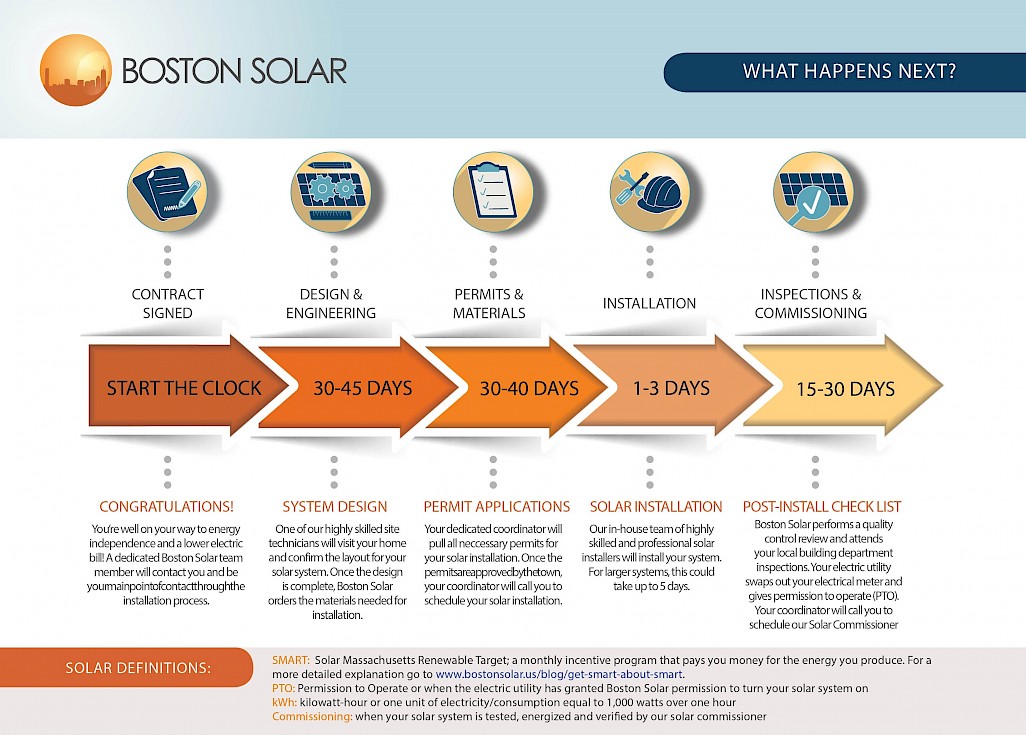
The full timeline for solar panel installation is a collaborative effort involving you, your chosen solar provider, local permitting authorities, and your utility company. It’s an intricate dance where technology meets bureaucracy, and where thoughtful planning can significantly impact the final outcome. While the physical act of mounting panels on your roof might be completed within a matter of days, the preparatory and post-installation steps are what truly determine the overall duration, often ranging from an average of two to four months, though this can vary significantly based on numerous variables.
Understanding the Full Solar Installation Journey
The path to solar energy is segmented into several distinct stages, each with its own set of requirements, potential delays, and timelines. Knowing what to expect at each turn is crucial for managing your project effectively.
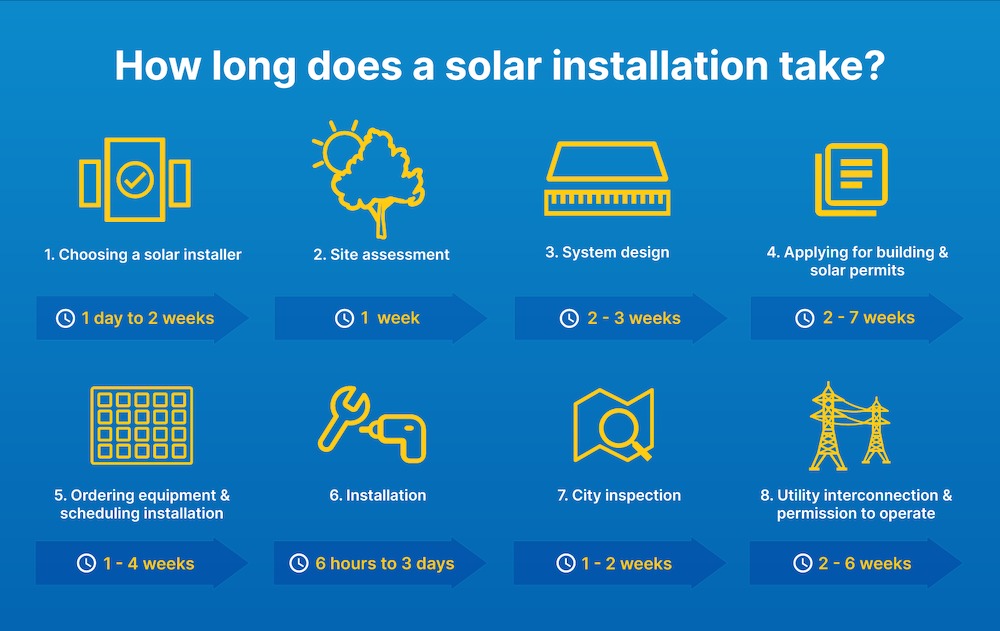
Initial Consultation and Site Assessment (1-2 Weeks)
Your solar journey typically begins with research and an initial consultation. This is where you connect with potential solar providers, discuss your energy needs, and receive preliminary quotes. From a “Brand” perspective, this is a critical phase for installers to showcase their expertise, customer service, and the quality of their product offerings. You’ll likely receive multiple proposals, detailing different system sizes, panel types, inverter technologies, and pricing structures.
Once you’ve narrowed down your choices, the chosen installer will conduct a detailed site assessment. This involves a visit to your property to evaluate your roof’s condition, orientation, shading, and structural integrity. They’ll also assess your current energy consumption patterns, usually by reviewing your past utility bills. This crucial “Tech” step leverages advanced tools like drone mapping and specialized software to accurately model solar exposure and design the most efficient system for your specific property. This initial phase typically takes one to two weeks, depending on the responsiveness of the installer and your availability.
System Design and Proposal Finalization (1-2 Weeks)
Following the site assessment, the engineering and design team will get to work. Utilizing the data gathered, they will meticulously design your custom solar power system. This includes determining the optimal number and placement of panels, selecting appropriate inverters (string or microinverters), and planning the electrical wiring. This “Tech” phase is vital for maximizing energy production and ensuring system longevity. The design will factor in local building codes, aesthetic preferences, and your specific energy goals.
You’ll then review a detailed proposal that outlines the system’s specifications, projected energy output, financial savings, warranty information, and the total cost (the “Money” aspect). This is your opportunity to ask questions, request adjustments, and understand the intricate details of your investment. Once you approve the design and sign the contract, this phase is typically completed within another one to two weeks.
Navigating Permitting and Approvals (4-8 Weeks)
This stage is often cited as the biggest potential bottleneck in the solar installation process. Before any physical work can begin, your solar provider must secure several permits and approvals from local authorities and your utility company. These typically include building permits, electrical permits, and utility interconnection agreements. The requirements vary significantly by municipality, county, and state, as well as by the specific utility provider.
The complexity and efficiency of local government offices play a huge role here. Some jurisdictions have streamlined processes for solar projects, while others are still catching up, leading to longer wait times. Your solar provider will handle the submission of all necessary documentation, but the review and approval process is largely out of their direct control. This phase can take anywhere from four to eight weeks, or even longer in more bureaucratic areas. Patience is key during this administrative marathon, as it’s a non-negotiable step to ensure your system is compliant and safe.
Equipment Procurement and Logistics (2-4 Weeks)
Once permits are in hand, your solar provider will order all the necessary equipment. This includes the solar panels themselves, inverters, racking systems, wiring, and any optional components like battery storage. The “Tech” aspect here is crucial, as the choice of specific brands and models impacts efficiency, durability, and cost-effectiveness.
The availability of specific components can sometimes influence this timeline, especially if there’s high demand or supply chain disruptions. Most reputable installers maintain good relationships with manufacturers and distributors, helping to mitigate potential delays. Once ordered, the equipment needs to be shipped to your installer’s warehouse or directly to your property. This logistical phase typically adds another two to four weeks to the overall timeline.
The Physical Installation Phase (1-3 Days)
This is the most visible and often the quickest part of the entire process. Once all permits are approved and equipment has arrived, the installation crew will schedule a time to physically mount the panels on your roof, install the inverters, and complete the necessary electrical wiring. For a typical residential system, this work can be completed in as little as one to three days.
The “Tech” expertise of the installation team is paramount here, ensuring that the panels are securely mounted, wiring is properly routed, and all components are correctly integrated. A well-trained and efficient crew, representing the “Brand” reputation of your installer, makes this phase swift and seamless. During this time, you might experience temporary power outages as the electrical work is tied into your home’s main panel.
Final Inspections and Grid Interconnection (2-6 Weeks)
After the physical installation is complete, two critical final steps remain. First, your local building department will conduct a final inspection to ensure that the system adheres to all safety codes and permitted designs. This typically involves checking the structural integrity, electrical connections, and overall compliance.
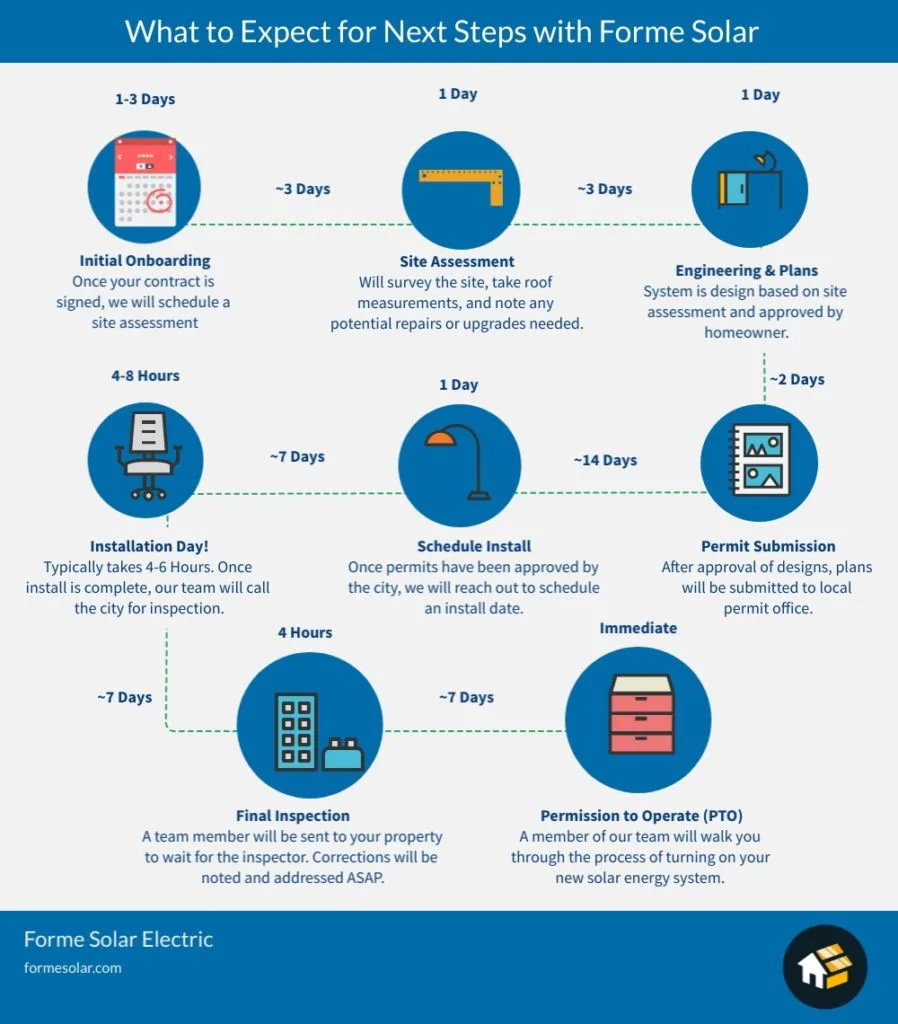
Second, and often in parallel, your utility company will perform its own inspection to ensure the system meets their standards for grid interconnection. This is a vital step for “Money” savings, as it allows your system to be officially connected to the grid, enabling net metering (where you get credit for excess electricity fed back into the grid). Only after the utility gives its “Permission to Operate” (PTO) can you officially switch on your solar panels and start generating electricity. This final inspection and interconnection phase can take anywhere from two to six weeks, again depending on the local jurisdiction and utility company’s scheduling and workload.
Key Factors Influencing Your Solar Timeline
While the average timeline is 2-4 months, several variables can either expedite or significantly extend this duration. Understanding these factors can help you better prepare and even potentially influence the speed of your project.
Location-Specific Regulations and Permitting Processes
As highlighted, local bureaucracy is a major determinant. Cities and counties with dedicated solar permitting departments and online submission systems tend to have faster turnaround times. Conversely, areas with limited staffing, outdated processes, or complex historical preservation rules can cause substantial delays. Some states have even enacted “solar permitting laws” to streamline the process, aiming to reduce wait times. Your solar provider’s familiarity with local regulations (“Brand” knowledge) is invaluable here.
Installer Availability and Efficiency
The solar company you choose plays a significant role. Highly reputable and experienced installers often have established relationships with local permitting offices and utilities, which can sometimes smooth the process. They also tend to have larger, more efficient crews and streamlined internal processes, leading to quicker scheduling and fewer errors. However, during periods of high demand, even the best installers might have longer lead times for scheduling initial consultations or installations. It’s wise to consider their track record, customer reviews, and their capacity (“Brand” strength) when making your selection.
System Complexity and Equipment Choices
A larger, more complex solar system (e.g., one that includes battery storage, multiple roof sections, or integrated smart home “Tech”) may require more intricate designs and potentially additional permits, thus extending the design and approval phases. The choice of specific panels or inverters can also affect procurement times if a particular model is back-ordered or requires specialized handling. While these complexities might add to the timeline, they often contribute to a more robust and energy-independent solution, which can be a significant “Money” benefit in the long run.
Weather Conditions and Seasonal Considerations
While most installation work can proceed in various weather conditions, extreme weather events (heavy rain, snow, high winds, or severe heat) can cause delays, especially during the physical installation phase. Installers often prefer milder weather for safety and efficiency. This means that installations scheduled during peak seasons or periods prone to adverse weather might experience slight shifts in their timeline. Planning your installation during seasons with more predictable weather can sometimes shave off a few days or weeks from the physical work.
Beyond Installation: The Long-Term Solar Advantage
While the upfront time investment can feel significant, it’s crucial to remember that the benefits of solar power are overwhelmingly long-term, touching upon “Money,” “Tech,” and “Brand” aspects.
Financial Benefits and ROI Considerations
The “Money” aspect of solar is arguably its most compelling long-term advantage. Once your system is operational, you immediately start saving on your electricity bills, which can translate into thousands of dollars over the system’s 25+ year lifespan. Furthermore, various financial incentives like federal tax credits, state rebates, and local programs can significantly reduce the net cost of your system, accelerating your return on investment (ROI). Solar panels also increase your property value, offering a tangible asset that appeals to future buyers, and provide a hedge against rising electricity prices. The initial wait becomes a small blip in a decades-long financial gain.
Technological Advancements and Future-Proofing
The “Tech” in solar energy is continuously evolving. Modern solar panels are more efficient, durable, and aesthetically pleasing than ever before. Inverters are smarter, offering granular monitoring and optimization. The integration of battery storage solutions is becoming more common, allowing homeowners to store excess energy for use during peak hours or power outages, further enhancing energy independence. By investing in solar now, you are embracing a forward-thinking technology that continues to improve, offering a “future-proof” solution for your energy needs. Many systems come with sophisticated monitoring apps, allowing you to track your energy production and consumption in real-time, leveraging digital tools for maximum efficiency.
Choosing a Reputable Solar Partner
The “Brand” of your solar installer isn’t just about the logo; it encompasses their reputation, quality of work, customer service, and long-term support. A reliable installer will guide you through every step of the process, accurately estimate timelines, communicate transparently about any delays, and provide robust warranties for both equipment and workmanship. They act as your trusted advisor, ensuring your significant investment yields the maximum possible benefits. Researching customer reviews, checking certifications, and understanding their post-installation support are vital steps in selecting a “Brand” you can trust for such an important home improvement project.
Is the Wait Worth It?
Undoubtedly, yes. While the journey from initial curiosity to full solar power activation can take anywhere from a couple of months to half a year, the enduring benefits far outweigh the initial wait. The time spent navigating permits, designing systems, and waiting for inspections culminates in a powerful asset that reduces your carbon footprint, offers substantial financial savings, and increases your energy resilience.
Thinking about the long game—decades of free, clean energy, increased property value, and a contribution to a sustainable future—the temporary waiting period becomes a small, worthwhile investment of your patience. By choosing a reputable installer, understanding the process, and managing your expectations, you can ensure a smooth transition to solar and begin reaping the rewards of this powerful, sustainable technology. The sun truly is worth waiting for.
aViewFromTheCave is a participant in the Amazon Services LLC Associates Program, an affiliate advertising program designed to provide a means for sites to earn advertising fees by advertising and linking to Amazon.com. Amazon, the Amazon logo, AmazonSupply, and the AmazonSupply logo are trademarks of Amazon.com, Inc. or its affiliates. As an Amazon Associate we earn affiliate commissions from qualifying purchases.