
In today’s digital landscape, YouTube stands as an undisputed titan of online video, a ubiquitous platform for entertainment, education, news, and connection. From viral cat videos to in-depth tutorials, documentaries, and live streams, its content spans every conceivable niche, making it an indispensable part of our digital lives. Given its immense popularity, the question of “how do you install YouTube” is surprisingly nuanced, as its presence varies across devices and operating systems. This guide, tailored to align with our Tech-focused approach, will meticulously walk you through the various methods of accessing and “installing” YouTube, ensuring you can enjoy your favorite content effortlessly, no matter your device.
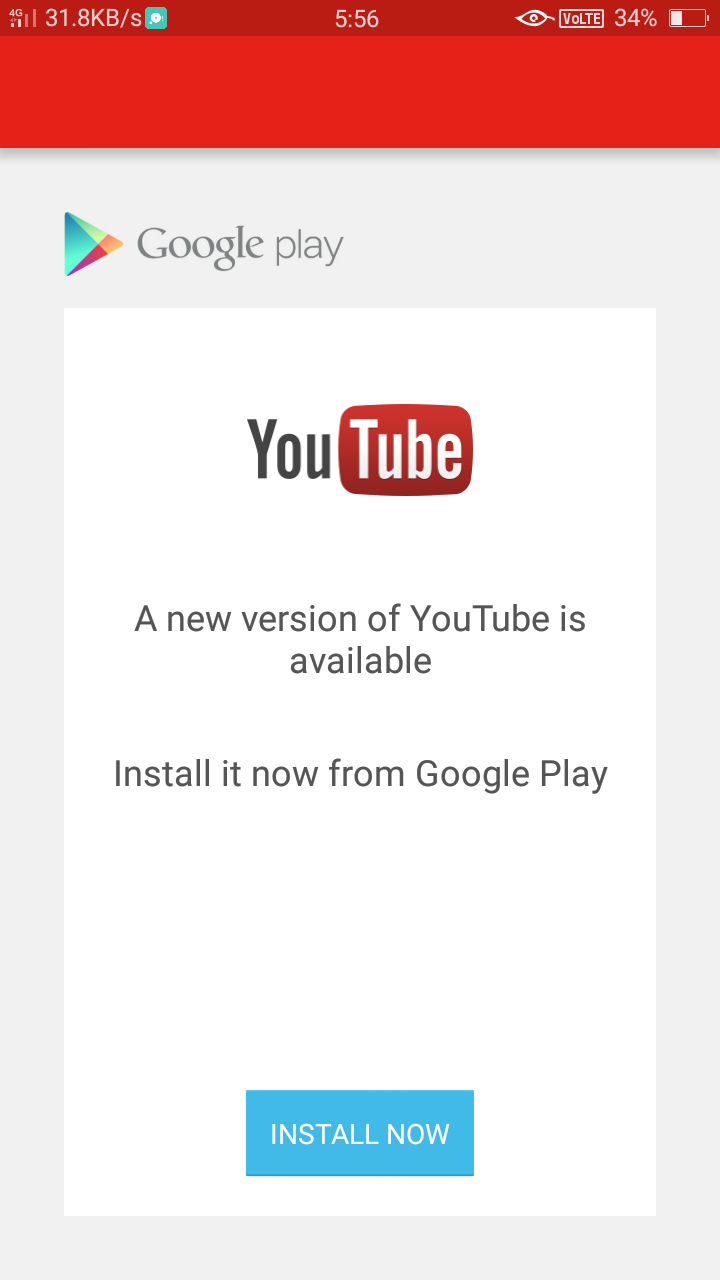
Understanding “installation” for YouTube often means different things depending on your platform. For mobile devices, it’s typically downloading a dedicated app. On desktop computers, it might involve accessing a website, creating a shortcut, or even installing a Progressive Web App (PWA). And for smart TVs and streaming devices, it’s about finding and adding the YouTube app through their respective app stores. Let’s delve into the specifics.
Getting Started: Installing YouTube on Mobile Devices
Mobile devices—smartphones and tablets—are arguably the most common way people interact with YouTube. The convenience of watching videos on the go, anytime and anywhere, makes the dedicated YouTube app a must-have. The process is straightforward, whether you’re an Android user or an iOS enthusiast.
Installing YouTube on Android Devices
Android, being Google’s operating system, often comes with YouTube pre-installed on many devices. However, if it’s not there, or if you’ve accidentally uninstalled it, getting it back is a breeze.
- Open the Google Play Store: Look for the iconic colorful triangle icon on your device’s home screen or in your app drawer. This is your gateway to millions of Android apps.
- Search for “YouTube”: Tap the search bar at the top of the Play Store interface and type “YouTube.” Press the search icon or enter key.
- Select the Official App: You’ll likely see “YouTube” as the top result, published by “Google LLC.” Verify that it’s the official app to avoid third-party imitations.
- Tap “Install”: Once you’ve selected the correct app, you’ll see a green “Install” button. Tap it.
- Accept Permissions (if prompted): The app may request certain permissions (e.g., access to network communication, photos/media). Review these, and if you’re comfortable, tap “Accept” or “Install.” For YouTube, these permissions are standard for its functionality.
- Wait for Download and Installation: The app will download to your device (its size is relatively small for a core application) and then automatically install. A progress bar will indicate its status.
- Open the App: Once installed, the “Install” button will change to “Open.” You can tap this to launch YouTube immediately, or find its icon on your home screen or in your app drawer.
Tip: Ensure your device has sufficient storage space and a stable internet connection (Wi-Fi is recommended for downloads to save mobile data) before attempting to install.
Installing YouTube on iOS Devices (iPhone & iPad)
For Apple users, the process is equally simple, utilizing the App Store, Apple’s dedicated marketplace for applications.
- Open the App Store: Locate the blue icon with a white ‘A’ in a circle on your iPhone or iPad’s home screen.
- Navigate to the Search Tab: At the bottom of the App Store interface, you’ll see several tabs. Tap the one labeled “Search.”
- Search for “YouTube”: In the search bar at the top, type “YouTube” and tap the “Search” button on your keyboard.
- Find the Official App: The official YouTube app, published by “Google LLC,” should appear at or near the top of the results.
- Tap the “Get” Button: Next to the YouTube app icon, you’ll see a “Get” button. Tap it. If you’ve previously downloaded it, you might see a cloud icon with a down arrow, indicating you can re-download it without charge.
- Authenticate Your Download: Depending on your device settings, you may be asked to confirm your identity using Face ID, Touch ID, or by entering your Apple ID password. This is a security measure.
- Wait for Download and Installation: The app will download and automatically install on your device. Its icon will appear on your home screen (or in your App Library if running iOS 14 or later).
- Launch YouTube: Once the installation is complete, the “Get” button will turn into “Open.” Tap it to start watching, or find the new YouTube icon on your device.
Note on Permissions: On iOS, app permissions are generally requested dynamically when the app first needs to access a specific feature (e.g., location, microphone), rather than all at once during installation.
Accessing and “Installing” YouTube on Desktop Computers
Desktop computers—Windows PCs, macOS, Linux—offer a slightly different experience for YouTube. While there isn’t a traditional standalone “YouTube desktop application” like those for mobile, there are several convenient ways to access and even “install” YouTube for a more app-like feel.
The Primary Method: Web Browser Access
The most common and straightforward way to use YouTube on a desktop is through your web browser. This requires no installation whatsoever, just an internet connection.
- Open Your Preferred Web Browser: Launch Google Chrome, Mozilla Firefox, Microsoft Edge, Apple Safari, or any other browser you use.
- Navigate to YouTube’s Website: In the address bar at the top of the browser window, type
www.youtube.comand press Enter. - Start Watching: You’ll be immediately taken to the YouTube homepage, where you can browse videos, search for specific content, and sign in to your Google account for personalized recommendations and subscription access.
This method is universal, requires no software download beyond your browser itself, and works across all desktop operating systems.
Enhancing Access: Creating a Desktop Shortcut
While not an “installation” in the traditional sense, creating a desktop shortcut or bookmark makes accessing YouTube as quick as launching any other program.
For Google Chrome Users:
- Go to YouTube.com: Open Chrome and navigate to
www.youtube.com. - Access the Chrome Menu: Click the three-dot menu icon in the top right corner of the browser window.
- Go to “More tools” > “Create shortcut…”: From the dropdown menu, hover over “More tools” and then click “Create shortcut…”
- Name Your Shortcut and Choose Options: A small dialog box will appear. You can name the shortcut (e.g., “YouTube”) and optionally check “Open as window” if you want YouTube to launch in its own dedicated, browser-frame-less window, making it feel more like a standalone app.
- Click “Create”: A new YouTube icon will appear on your desktop, and if you selected “Open as window,” it will also appear in your applications folder/launcher.
For Other Browsers:
- Drag and Drop: The simplest method for most browsers is to click and drag the padlock icon (or globe icon, depending on your browser) from the left side of the address bar directly onto your desktop. This will create a web shortcut.
- Browser-Specific Options: Many browsers also offer an option within their settings or context menus (right-click on the tab or page) to “Add to desktop” or “Create shortcut.”
Modern “Installation”: YouTube as a Progressive Web App (PWA)
Progressive Web Apps (PWAs) represent a hybrid approach, offering the best of both web and native app worlds. Many modern browsers, particularly Chrome and Edge, allow you to “install” websites like YouTube as PWAs, providing a dedicated, often distraction-free experience.
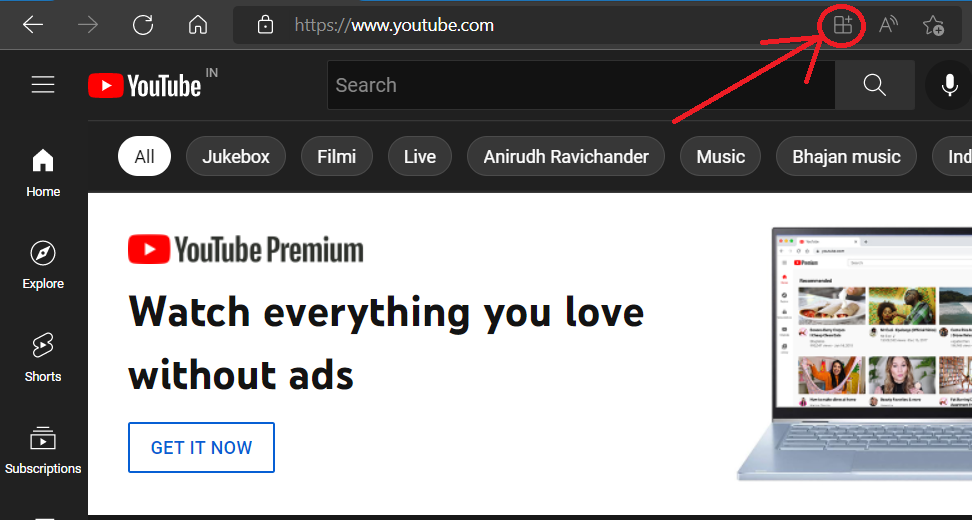
- Open YouTube.com in a Compatible Browser: Use Google Chrome or Microsoft Edge and navigate to
www.youtube.com. - Look for the “Install” Icon: In the address bar, typically on the right side (near the bookmark star or extensions), you’ll see a small computer monitor icon with a down arrow, or sometimes a plus sign. This indicates that the site is installable as a PWA.
- Click the Install Icon: A prompt will appear asking if you want to “Install app” or “Install YouTube.”
- Confirm Installation: Click “Install.” YouTube will then launch in its own dedicated window, separate from your main browser, complete with its own icon in your taskbar/dock and Start Menu/Applications folder.
The PWA version offers features like offline capabilities (for supported content), push notifications, and generally feels faster and more integrated into your operating system than a standard browser tab. It’s an excellent way to get an app-like YouTube experience on your desktop without waiting for Google to release an official desktop client.
Installing YouTube on Smart TVs and Streaming Devices
The living room experience is paramount for many YouTube viewers, making installation on smart TVs and streaming devices a key consideration. Fortunately, YouTube has excellent support across almost all modern home entertainment platforms.
Finding and Installing on Smart TVs (Samsung, LG, Sony, etc.)
Most smart TVs come with a dedicated app store or content hub. The process is generally quite similar across different brands.
- Ensure Your TV is Connected to the Internet: This is fundamental. Go to your TV’s settings menu to connect to your home Wi-Fi network.
- Access Your TV’s App Store/Hub:
- Samsung Smart TVs (Tizen OS): Press the “Smart Hub” button on your remote, then navigate to the “Apps” section.
- LG Smart TVs (webOS): Press the “Home” button on your remote to open the Launcher Bar, then select the “LG Content Store” icon.
- Sony Smart TVs (Android TV): Look for the “Google Play Store” app on your home screen, or access the “Apps” section.
- Other Brands: Look for icons like “App Store,” “Smart Hub,” “Vewd App Store,” or similar names on your remote or TV’s home screen.
- Search for “YouTube”: Use the search function within the app store (often a magnifying glass icon) and type “YouTube.”
- Select the Official YouTube App: Make sure you choose the app published by “Google LLC.”
- Install the App: Select the “Install” or “Add to Home” button. The app will download and install, usually appearing on your TV’s home screen or in your apps list.
- Launch and Sign In: Open the YouTube app. You’ll likely be prompted to sign in with your Google account, which you can do by entering your credentials directly or, more conveniently, by visiting a specific URL on your phone or computer and entering a code displayed on your TV screen.
Installing on Dedicated Streaming Devices (Roku, Fire TV, Chromecast with Google TV, Apple TV)
Dedicated streaming devices are designed specifically for media consumption, and YouTube is a core offering on all of them.
Roku Devices:
- Go to the Home Screen: Press the “Home” button on your Roku remote.
- Select “Streaming Channels” or “Channel Store”: Navigate to this option in the left-hand menu.
- Search for “YouTube”: Use the “Search Channels” option and type “YouTube.”
- Add Channel: Select the official YouTube channel from the results and then choose “Add channel.” The channel will be added to your home screen.
Amazon Fire TV Devices (Fire Stick, Fire TV Cube):
- From the Home Screen: Navigate to the “Find” tab or search icon.
- Search for “YouTube”: Use the search bar or voice command (Alexa) to find “YouTube.”
- Download/Get: Select the official YouTube app from the results and then choose “Get” or “Download.” It will install and appear in your “Your Apps & Channels” list.
Chromecast with Google TV:
- Access the Apps Tab: From the Google TV home screen, navigate to the “Apps” tab.
- Search or Browse: Use the search icon or browse the categories to find “YouTube.” It’s often featured prominently.
- Install: Select the official YouTube app and then click “Install.”
Apple TV:
- Open the App Store: From the Apple TV home screen, select the “App Store” icon.
- Search for “YouTube”: Use the search function (magnifying glass) and type “YouTube.”
- Get/Download: Select the official YouTube app and then choose “Get” or the cloud icon to download and install it.
Alternative: Casting or Mirroring YouTube
If for some reason you can’t install the YouTube app directly on your smart TV or streaming device, you can often “cast” content from your mobile device or computer.
- Casting (Chromecast, Smart TVs with Cast built-in): Open the YouTube app on your phone or tablet, or YouTube.com in a Chrome browser on your computer. Look for the “Cast” icon (a rectangle with a Wi-Fi symbol). Tap it, select your TV or streaming device, and the video will play on your TV, controlled from your originating device.
- Screen Mirroring (Apple AirPlay, Miracast): This duplicates your entire device screen onto your TV. On iOS, swipe down for Control Center and tap “Screen Mirroring.” On Android, look for “Smart View,” “Cast,” or “Screen Mirroring” in your quick settings. This is less efficient than casting but works if direct app installation or casting is unavailable.
Troubleshooting Common Installation Issues & Best Practices
While installing YouTube is usually straightforward, sometimes you might encounter minor hurdles. Here’s how to address them and ensure an optimal experience.
Common Troubleshooting Steps:
- Check Internet Connection: The most frequent culprit for failed downloads or installations. Ensure your Wi-Fi or mobile data is active and stable.
- Verify Storage Space: Apps require space. If your device is critically full, delete unnecessary files or apps to free up space. App stores usually notify you if storage is insufficient.
- Restart Your Device: A classic IT solution that often resolves minor software glitches.
- Update Operating System: Ensure your mobile device, computer, or smart TV’s operating system is up to date. Older OS versions might not be compatible with the latest YouTube app.
- Clear App Store Cache: For mobile devices, clearing the cache of the Google Play Store or App Store can sometimes resolve download issues. Go to your device settings, find “Apps,” select the relevant store, and clear its cache.
- Check for Parental Controls or Restrictions: If you’re using a family account or a device with restrictions enabled, app installations might be blocked.
Best Practices for Your YouTube Experience:
- Keep the App Updated: Regularly update the YouTube app on your mobile and TV devices. Updates bring new features, performance improvements, and crucial security patches. Many devices offer automatic updates; ensure this is enabled.
- Digital Security Awareness: As a prominent platform, YouTube is sometimes targeted by malicious actors. Be wary of suspicious links in comments or messages, and never share your login credentials outside of the official YouTube sign-in process. Our website’s digital security section offers more general tips for staying safe online.
- Optimize Settings: Explore YouTube’s settings within the app or on the website. You can adjust video quality, playback speed, notification preferences, and privacy settings to tailor your viewing experience.
- Utilize Parental Controls: If children use YouTube, consider using YouTube Kids (a separate, child-friendly app) or implementing parental controls within the main YouTube app (e.g., Restricted Mode) and on your smart TV.
- Consider YouTube Premium: For an ad-free experience, offline downloads, and background playback on mobile, YouTube Premium is a subscription service worth considering, aligning with discussions on optimizing digital services for productivity and enjoyment.

Conclusion
Installing YouTube, or simply gaining access to it, is a gateway to an unparalleled universe of video content. Whether you’re downloading the native app on your smartphone, creating a PWA shortcut on your desktop, or navigating your smart TV’s app store, the process is designed to be user-friendly and efficient. By following these step-by-step instructions, you can ensure seamless access to YouTube across all your devices, allowing you to dive into your favorite videos, discover new channels, and stay connected with the global video community without a hitch. Embrace the ease of access and enjoy the world of YouTube at your fingertips.
aViewFromTheCave is a participant in the Amazon Services LLC Associates Program, an affiliate advertising program designed to provide a means for sites to earn advertising fees by advertising and linking to Amazon.com. Amazon, the Amazon logo, AmazonSupply, and the AmazonSupply logo are trademarks of Amazon.com, Inc. or its affiliates. As an Amazon Associate we earn affiliate commissions from qualifying purchases.