
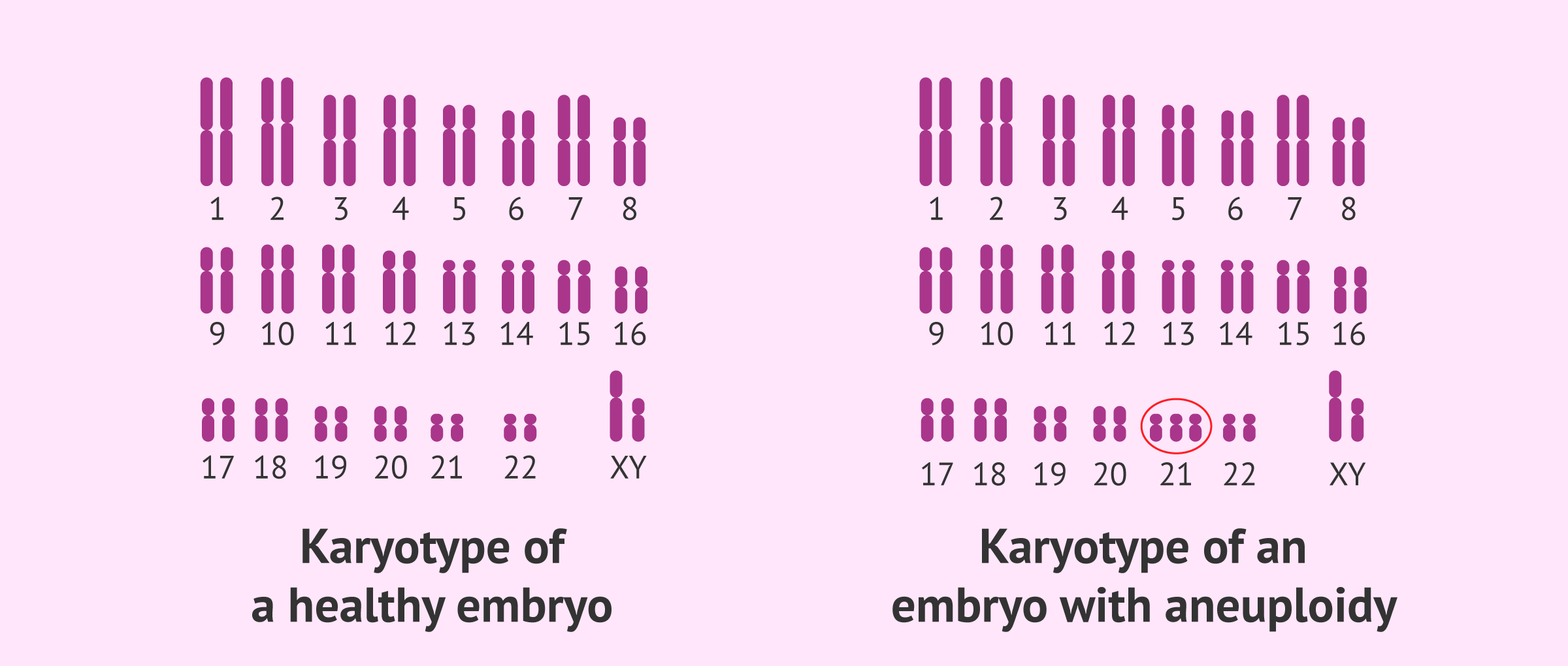
In the rapidly evolving landscape of biotechnology, the term “aneuploidy” has transitioned from a niche biological concept to a cornerstone of the modern health-tech industry. At its most basic level, aneuploidy refers to a condition where a cell has an abnormal number of chromosomes—either missing one or having an extra one. While traditionally discussed in clinical settings regarding conditions like Down syndrome or Turner syndrome, the technological community now views aneuploidy as a complex data problem.
As we push deeper into the era of personalized medicine and digital health, understanding aneuploidy requires an exploration of the sophisticated software, artificial intelligence, and hardware sequencing tools that allow us to decode the human genome with unprecedented precision.

The Digital Architecture of Genomic Sequencing
To understand how technology identifies aneuploidy, we must first look at the “stack” involved in genomic sequencing. Identifying a single extra or missing chromosome among the 23 pairs in a human cell is an immense computational task.
Next-Generation Sequencing (NGS) and High-Throughput Hardware
The detection of aneuploidy has been revolutionized by Next-Generation Sequencing (NGS). Unlike older methods that required manual inspection of chromosomes under a microscope (karyotyping), NGS utilizes high-throughput hardware to read millions of small fragments of DNA simultaneously. These machines generate terabytes of raw data, turning biological material into digital code. The technology relies on “massively parallel sequencing,” a process that would be impossible without the current advancements in semiconductor technology and specialized optical sensors that detect chemical reactions at the molecular level.
Bioinformatics Pipelines and Data Processing
Once the hardware has “read” the DNA, the focus shifts to the software. Bioinformatics pipelines are a series of algorithms designed to take raw sequence data and align it to a reference human genome. In the context of aneuploidy, these software tools look for “dosage” differences. If a specific chromosome has a significantly higher number of DNA reads than expected, the algorithm flags it as a potential trisomy (an extra chromosome). This process requires massive computational power and sophisticated error-correction code to ensure that “noise” in the sequencing process isn’t mistaken for a genetic abnormality.
AI and Machine Learning in Chromosomal Analysis
One of the most significant tech trends in the last five years is the integration of Artificial Intelligence (AI) and Machine Learning (ML) into genetic diagnostics. When it comes to aneuploidy, AI is no longer a luxury—it is a necessity for accuracy and scalability.
Pattern Recognition and Image Processing
In traditional cytogenetics, identifying aneuploidy involved “karyotyping,” where a lab technician would manually arrange images of chromosomes. Today, deep learning algorithms are trained on hundreds of thousands of these images to recognize patterns of chromosomal misalignment. These AI tools can detect subtle structural variations and numerical abnormalities with a speed and consistency that far exceeds human capabilities. By automating the visual identification of aneuploidy, tech companies are reducing the turnaround time for critical diagnostic results from weeks to hours.
Predictive Modeling for Embryo Selection
In the field of Reproductive Technology (HealthTech), aneuploidy screening is a vital component of In Vitro Fertilization (IVF). New software platforms now use machine learning to analyze the metabolic profiles and morphological features of embryos to predict the likelihood of aneuploidy before genetic testing even occurs. This “non-invasive” predictive modeling uses vast datasets to help clinicians choose the most viable embryos, illustrating how big data is directly influencing biological outcomes.
The Rise of NIPT: A Software-Driven Diagnostic Revolution
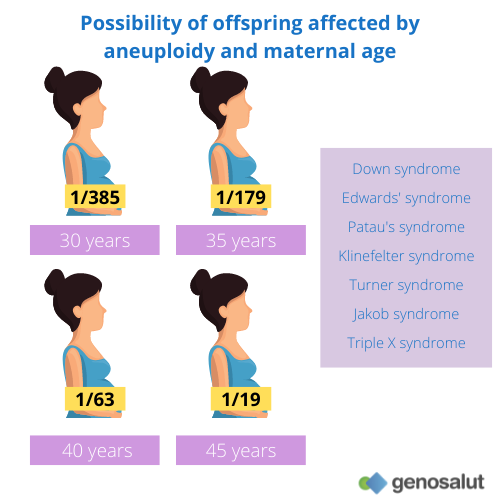
Perhaps the most commercially successful application of aneuploidy detection is Non-Invasive Prenatal Testing (NIPT). This technology represents a paradigm shift in how we handle genetic information, moving it from the invasive surgical realm into the realm of liquid biopsy and digital signal processing.
Algorithms in Liquid Biopsy
NIPT technology works by analyzing fragments of “cell-free” DNA (cfDNA) circulating in a mother’s blood. The technological challenge here is profound: the software must distinguish between the mother’s DNA and the minute amounts of fetal DNA. Advanced signal-processing algorithms are used to “deconvolute” this mixture. By applying statistical models to the concentration of DNA fragments, the software can determine if there is an over-representation of specific chromosomes, indicating aneuploidy in the fetus. This is a feat of software engineering as much as it is of biology.
Cloud Computing and Global Genomic Databases
The efficacy of NIPT and other aneuploidy-detection tools relies on the ability to compare individual results against a global baseline. This is where cloud infrastructure comes into play. Tech giants like AWS and Google Cloud have created specialized HIPAA-compliant environments for genomic data. These cloud platforms allow diagnostic companies to run complex aneuploidy-detection algorithms against massive datasets, ensuring that the software’s “normal” baseline is continuously updated and refined based on diverse global populations.
Digital Security and the Ethics of Genetic Data
As aneuploidy detection becomes more common through consumer-facing apps and clinical portals, the “Tech” focus must inevitably turn to digital security. Genetic information is the most personal form of data an individual possesses; if a record shows a diagnosis of aneuploidy, it has lifelong implications for insurance, employment, and privacy.
Encryption and Secure Data Transmission
The transmission of genomic data from the sequencing lab to the physician’s software dashboard requires end-to-end encryption. Modern health-tech platforms are increasingly adopting blockchain or decentralized ledger technology to ensure that genomic records cannot be tampered with or accessed by unauthorized parties. As we define what aneuploidy means in a digital context, we must also define the protocols that keep that definition private.
The Integration of Electronic Health Records (EHR)
Aneuploidy data is only useful if it is actionable. Current technology trends are focused on the seamless integration of genetic findings into Electronic Health Records (EHR). Software developers are creating “Clinical Decision Support” (CDS) tools that flag chromosomal abnormalities in a patient’s digital file and automatically provide the physician with the latest peer-reviewed research and treatment options. This automation ensures that the complex biological reality of aneuploidy is translated into a clear, tech-enabled care plan.
The Future of Aneuploidy: CRISPR and Computational Correction
Looking forward, the tech industry is not just satisfied with detecting aneuploidy; it is looking toward intervention. The intersection of CRISPR gene-editing technology and computational biology suggests a future where we might address chromosomal imbalances at the cellular level.
Algorithmic Guide RNA Design
To use CRISPR for correcting or managing the effects of aneuploidy, scientists use software to design “guide RNAs” that target specific sequences on the extra chromosome. This design process is entirely digital, using predictive software to minimize “off-target” effects where the tool might accidentally edit the wrong part of the genome. The precision of these digital tools is the only thing making “chromosomal therapy” a theoretical possibility.
Synthetic Biology and Digital Twins
In the near future, “Digital Twins”—virtual models of a patient’s unique genetic makeup—will allow researchers to simulate how an aneuploid cell will respond to various technological interventions. By testing software-simulated treatments on a digital version of a patient’s genome, we can predict outcomes without the risks of real-world trials. This marriage of high-performance computing and molecular biology is the final frontier in our understanding of what aneuploidy means in the 21st century.
Conclusion
Aneuploidy is no longer a term confined to biology textbooks. In the modern tech-driven world, it represents one of the most significant challenges in data science, image recognition, and cloud computing. From the high-throughput sequencing machines that digitize our DNA to the AI algorithms that spot chromosomal errors, technology is providing the lens through which we view and manage human genetics. As software continues to eat the world, it is also beginning to decode the very essence of our biological makeup, turning the “meaning” of aneuploidy from a medical mystery into a manageable digital data point.
aViewFromTheCave is a participant in the Amazon Services LLC Associates Program, an affiliate advertising program designed to provide a means for sites to earn advertising fees by advertising and linking to Amazon.com. Amazon, the Amazon logo, AmazonSupply, and the AmazonSupply logo are trademarks of Amazon.com, Inc. or its affiliates. As an Amazon Associate we earn affiliate commissions from qualifying purchases.