
In an era where data is often more valuable than physical assets, the role of a cybersecurity analyst has transitioned from a niche IT function to the backbone of global digital integrity. As organizations migrate their operations to the cloud and integrate artificial intelligence into their daily workflows, the surface area for potential attacks expands exponentially. A cybersecurity analyst acts as a digital sentinel, standing at the intersection of technology, strategy, and defense to protect an organization’s most critical information.
To understand what a cybersecurity analyst does is to understand the complexity of modern digital warfare. Their work is a blend of high-level pattern recognition, deep technical forensics, and proactive risk management. They are the architects of the digital perimeter and the first responders when that perimeter is breached.
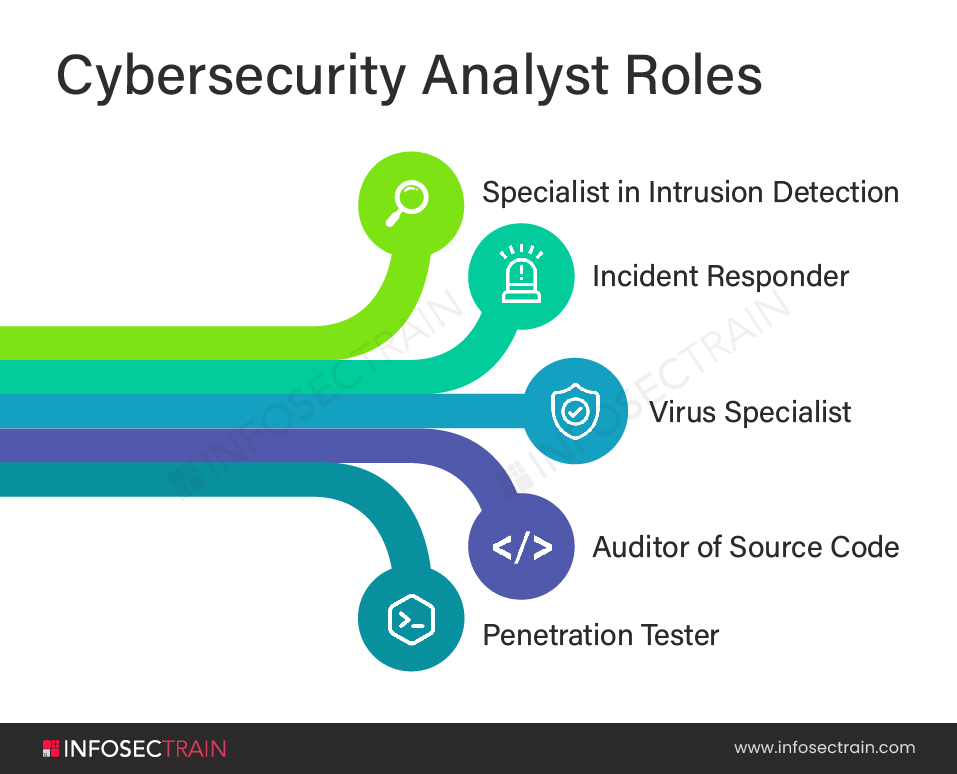
The Core Mission: Protecting the Digital Perimeter
At its most fundamental level, the role of a cybersecurity analyst is to monitor, detect, and respond to threats. This is a continuous cycle that requires both automated tools and human intuition. The digital perimeter is no longer a simple firewall; it is a sprawling ecosystem of remote endpoints, cloud servers, and IoT devices.
Threat Detection and Monitoring
The primary responsibility of an analyst is the constant surveillance of network traffic. Using Security Information and Event Management (SIEM) tools, analysts sift through massive amounts of log data to identify anomalies that could indicate a security breach. This isn’t just about looking for a “virus”; it is about identifying subtle shifts in behavior—such as an unauthorized user attempting to access a database at 3:00 AM from a foreign IP address.
Monitoring also involves staying ahead of “Zero-Day” exploits. Analysts must keep their fingers on the pulse of the global threat landscape, subscribing to threat intelligence feeds that provide information on new malware strains and phishing campaigns as they emerge.
Incident Response and Mitigation
When a threat is confirmed, the analyst shifts from a monitoring role to an incident responder. This is the “ER” phase of cybersecurity. The goal is to isolate the threat to prevent it from spreading across the network. This might involve shutting down specific servers, revoking user credentials, or deploying patches in real-time.
A critical part of incident response is the post-mortem analysis. Once the threat is neutralized, analysts conduct a forensic investigation to determine how the attacker gained entry and what data, if any, was compromised. This technical “detective work” is vital for ensuring that the same vulnerability cannot be exploited a second time.
Proactive Defense and Vulnerability Management
A common misconception is that cybersecurity analysts only react to attacks. In reality, the most effective analysts spend the majority of their time on proactive defense. By identifying and fixing weaknesses before a hacker finds them, they reduce the overall “attack surface” of the organization.
Risk Assessment and Auditing
Analysts regularly perform comprehensive risk assessments. This involves auditing the current technological infrastructure to find outdated software, weak encryption protocols, or misconfigured cloud buckets. By assigning a “risk score” to various assets, they help the organization prioritize where to spend its security budget.
Auditing also extends to compliance. In many industries, such as healthcare or finance, protecting data is a legal requirement (under frameworks like GDPR or HIPAA). Cybersecurity analysts ensure that the technical controls in place meet these rigorous legal standards, protecting the company from both hackers and massive regulatory fines.
Penetration Testing and Ethical Hacking
One of the most dynamic aspects of the role is penetration testing, often referred to as “ethical hacking.” To catch a hacker, an analyst must think like one. They use the same tools and techniques as malicious actors to attempt to breach their own company’s defenses.
This process might involve running automated “brute force” attacks against login portals or using social engineering tactics to see if employees can be tricked into giving away passwords. The results of these tests provide a roadmap for strengthening the network. Instead of waiting for a real disaster, the analyst creates controlled “fire drills” to harden the system.
The Tools of the Trade: Navigating the Modern Security Stack
The modern cybersecurity analyst relies on a sophisticated “security stack”—a collection of software and hardware tools designed to automate the heavy lifting of data analysis. As the volume of data grows, manual oversight becomes impossible, making these tech tools indispensable.
SIEM and EDR Platforms
Security Information and Event Management (SIEM) platforms like Splunk or IBM QRadar are the central nervous system of a security operations center (SOC). These platforms aggregate logs from every device on the network—routers, servers, and laptops—and use algorithms to flag suspicious activity.
Complementing SIEM is Endpoint Detection and Response (EDR). While SIEM looks at the network as a whole, EDR focuses on the individual devices (endpoints). If a single laptop in the marketing department starts executing suspicious code, the EDR tool allows the cybersecurity analyst to remotely isolate that specific device, preventing a lateral move by the attacker into the core data center.
Automation and AI in Threat Intelligence
The most significant trend in the “Tech” niche today is the integration of Artificial Intelligence and Machine Learning into cybersecurity. Modern analysts use AI-driven tools to filter out “false positives.” In a typical day, a large corporation might face thousands of automated pings and probes; AI helps the analyst ignore the “noise” and focus on the 1% of alerts that represent a genuine threat.
Furthermore, Security Orchestration, Automation, and Response (SOAR) technologies allow analysts to automate routine tasks. For example, if a known malicious file is detected, a SOAR playbook can automatically delete the file across all company computers without the analyst needing to intervene manually. This speed is critical when dealing with ransomware that can encrypt a hard drive in seconds.
Policy, Governance, and Human-Centric Security
Cybersecurity is not just a technical problem; it is a human one. Statistics consistently show that the majority of successful breaches are the result of human error—such as an employee clicking a link in a suspicious email. Therefore, a cybersecurity analyst’s role often extends into the realm of policy and education.
Developing Security Frameworks
Analysts are responsible for drafting and enforcing the “Rules of the Road” for technology use within an organization. This includes Identity and Access Management (IAM) policies, which dictate who has access to what data. They advocate for the principle of “Least Privilege,” ensuring that a user only has access to the specific files necessary for their job, which limits the potential damage if that user’s account is ever compromised.
They also manage password policies, multi-factor authentication (MFA) rollouts, and “Bring Your Own Device” (BYOD) protocols. By creating a robust framework, the analyst ensures that security is baked into the corporate culture rather than treated as an afterthought.
Security Awareness and Training
A large part of a cybersecurity analyst’s job is translation—taking complex technical threats and explaining them to non-technical staff. They design and run “phishing simulations” to test employee awareness and provide training sessions on how to spot digital fraud.
By empowering employees to be the “human firewall,” analysts create a multi-layered defense system. They recognize that the strongest encryption in the world is useless if a staff member hands over their credentials to a scammer. This aspect of the job requires excellent communication skills and an ability to stay patient in the face of evolving social engineering tactics.
The Future of the Role in an AI-Driven World
As we look toward the future, the role of the cybersecurity analyst is evolving. The rise of quantum computing, the “Internet of Things” (IoT), and decentralized networks (Blockchain) are changing the rules of digital security.

Emerging Trends and Continuous Learning
The analyst of tomorrow will need to be an expert in cloud-native security. As companies move away from on-premise servers to environments like AWS, Azure, and Google Cloud, the “perimeter” becomes software-defined. Analysts must master the security configurations unique to these cloud giants.
Moreover, the “adversarial AI” trend means that hackers are now using machine learning to create smarter, more adaptable malware. To counter this, cybersecurity analysts must engage in a constant cycle of continuous learning. Earning certifications like the CISSP (Certified Information Systems Security Professional) or CompTIA Security+ is just the beginning. A successful analyst must be a lifelong student of technology, constantly pivoting as new threats emerge.
In conclusion, a cybersecurity analyst is far more than a “tech support” staff member. They are strategic defenders who navigate a complex web of software, hardware, and human behavior. By balancing the reactive demands of incident response with the proactive requirements of vulnerability management, they ensure that the digital world remains a safe place for innovation, commerce, and communication. In our hyper-connected society, they are the unsung heroes of the digital age.
aViewFromTheCave is a participant in the Amazon Services LLC Associates Program, an affiliate advertising program designed to provide a means for sites to earn advertising fees by advertising and linking to Amazon.com. Amazon, the Amazon logo, AmazonSupply, and the AmazonSupply logo are trademarks of Amazon.com, Inc. or its affiliates. As an Amazon Associate we earn affiliate commissions from qualifying purchases.