
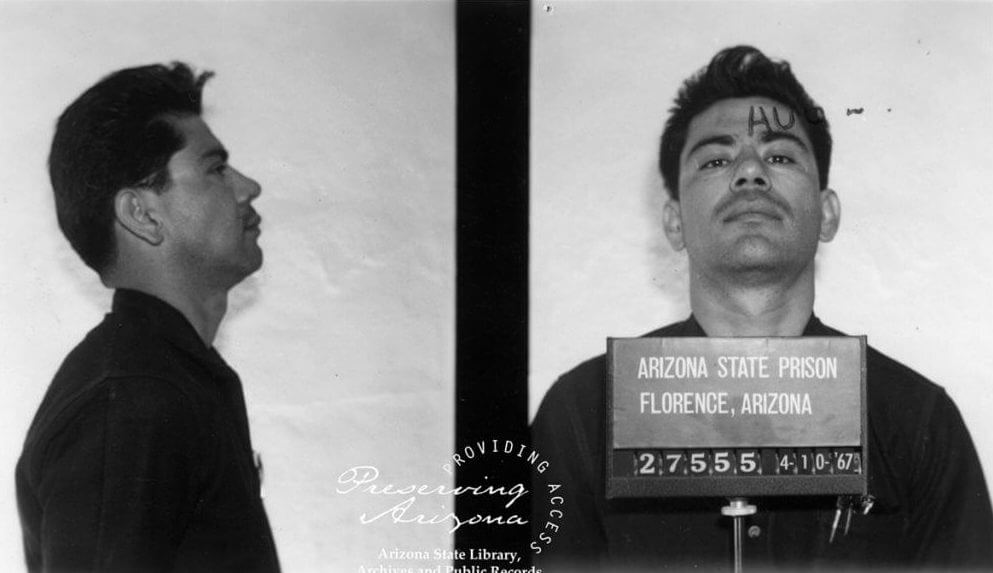
The year is 1966. The United States Supreme Court delivers a landmark decision that would forever alter the landscape of law enforcement and individual rights: Miranda v. Arizona. At its core, the ruling established that criminal suspects, prior to police questioning, must be informed of their constitutional right to an attorney and against self-incrimination. This directive, now famously known as the “Miranda Warning,” became an indelible part of the legal lexicon and popular culture.
While its primary significance is undoubtedly legal, the enduring impact and widespread recognition of the Miranda Warning offer a compelling, albeit unconventional, case study for principles of brand strategy, corporate identity, and effective communication. What Miranda v. Arizona established was not just a legal precedent, but a masterclass in how a critical message can be crafted, delivered, universally understood, and sustained over decades. It showcases the profound power of clarity, consistency, and strategic communication in building an identity that transcends its initial context. In essence, the warning itself became a powerful brand—synonymous with individual rights, understood by millions, and ingrained in the public consciousness. Examining this historical moment through a branding lens reveals profound insights into how any entity, be it a product, a service, or a legal concept, can establish an identity that resonates deeply and lasts.
The Power of a Clearly Defined Message: Crafting the Miranda Warning
At the heart of the Miranda v. Arizona ruling was the mandate for law enforcement to communicate specific rights in a clear and unambiguous manner. This necessity birthed the Miranda Warning, a series of statements designed to inform individuals of their fundamental constitutional protections. From a branding perspective, the creation and dissemination of this warning exemplify the critical importance of a well-defined and easily digestible message. It highlights how clarity and conciseness are not mere stylistic choices, but strategic imperatives for ensuring comprehension and building trust.
Conciseness as a Pillar of Communication
The Miranda Warning is strikingly brief and direct: “You have the right to remain silent. Anything you say can and will be used against you in a court of law. You have the right to an attorney. If you cannot afford an attorney, one will be provided for you.” This economy of language is a primary reason for its success and widespread recognition. In a world saturated with information, brevity ensures that a message cuts through the noise. For any brand, distilling its core value proposition into a concise statement is paramount. Overly complex or jargon-laden messages are easily forgotten or misunderstood, leading to a diluted brand identity. The Supreme Court, perhaps inadvertently, crafted a message that is the epitome of clear communication, ensuring that even in stressful situations, the essential information is conveyed and comprehensible. This conciseness made the warning memorable, repeatable, and ultimately, iconic, much like a powerful slogan or tagline that immediately evokes a brand’s essence.
The Strategic Imperative of Transparency
Beyond brevity, the Miranda Warning’s strength lies in its explicit articulation of rights. There is no room for ambiguity; the message directly informs individuals of their protections and the potential consequences of waiving them. This level of transparency builds immediate credibility and trust, essential components for any successful brand. Brands that are transparent about their values, their processes, or their offerings foster deeper connections with their audience. By clearly outlining what individuals are entitled to, the Miranda Warning established a baseline of expectation and fairness. This wasn’t merely a legal requirement; it was a strategic communication move that empowered individuals and, paradoxically, clarified the boundaries for law enforcement. For brands, this translates to unambiguous terms of service, clear product benefits, and honest engagement—all of which contribute to a robust and trustworthy brand image. The warning acts as a promise, ensuring consumers (in this case, individuals interacting with the justice system) know exactly what they are getting and what they are protected from.
Establishing an Unforgettable Identity: The “Miranda” Brand
The true genius of Miranda v. Arizona, when viewed through a branding lens, lies not just in the clarity of its message, but in its ability to establish an unforgettable identity. The word “Miranda” itself has transcended its origins as a case name to become synonymous with a specific set of rights, achieving a level of brand recognition that many corporations would envy. This transformation from a legal ruling to a cultural touchstone offers invaluable lessons in building an enduring and impactful brand identity.
From Legal Ruling to Cultural Icon
Few legal precedents achieve the cultural ubiquity of the Miranda Warning. It swiftly permeated television shows, movies, literature, and everyday conversation, becoming a shorthand for legal protection. This kind of widespread cultural penetration is the ultimate goal for many brands. How did “Miranda” achieve this? Part of it lies in the simplicity and dramatic tension inherent in its application. The act of reciting the warning before questioning is inherently cinematic, making it a natural fit for storytelling. Moreover, the fundamental nature of the rights it protects—freedom and self-preservation—resonates deeply with universal human values. For brands, tapping into these deeper cultural narratives and emotional connections is key to moving beyond mere product recognition to becoming a beloved and integrated part of consumer lifestyles. The “Miranda” brand successfully communicated a promise of protection and fairness, echoing values that are intrinsically woven into the fabric of society. Its recurring presence in media has consistently reinforced its message and strengthened its identity as a safeguard, cementing its status as an enduring cultural icon.
Building Brand Equity Through Consistent Application

The power of the “Miranda” brand is undeniably linked to its consistent and mandated application across all U.S. jurisdictions. Every time a law enforcement officer delivers the warning, its message is reinforced, its identity solidified. This relentless consistency is a cornerstone of effective brand building. Brands that maintain a consistent visual identity, voice, and message across all touchpoints build strong brand equity. Inconsistency, conversely, can confuse the audience and dilute the brand’s power. The uniform delivery of the Miranda Warning ensured that its meaning and implications remained stable, regardless of location or specific circumstances. This reliability fostered a collective understanding and expectation among the public, contributing to its undeniable authority and recognition. The constant repetition, mandated by law, acted as a powerful, organic marketing campaign, embedding the “Miranda” brand deep into the public psyche and establishing its equity as a non-negotiable standard of justice.
Legacy and Longevity: An Enduring Framework for Communication
Decades after its original ruling, Miranda v. Arizona continues to be a cornerstone of criminal procedure, demonstrating remarkable longevity. This endurance, even amidst legal challenges and reinterpretations, speaks volumes about the strength of the original “establishment” – not just of a legal rule, but of a communication framework that has proven robust and adaptable. For brands, understanding how to build a legacy that withstands the test of time and market fluctuations is paramount.
Adapting to Evolving Landscapes (Without Losing Core Message)
While the core tenets of Miranda have remained, its application has seen various interpretations and refinements by subsequent courts. However, these adjustments have rarely, if ever, diminished the fundamental message of the warning itself. The core principles—the right to silence and the right to counsel—have proven resilient. This mirrors how successful brands adapt to changing market conditions, technological advancements, or shifting consumer preferences without abandoning their core values or brand essence. A brand that is too rigid risks obsolescence, while one that lacks a clear, unchanging core risks losing its identity. The “Miranda” brand has demonstrated the ability to be flexible in its legal application while preserving the integrity and recognition of its central communication. It is a testament to establishing a message so fundamentally sound that it can absorb external pressures and still emerge identifiable and relevant.
The Value of a Well-Defined “Value Proposition”
At its heart, the Miranda Warning offers a clear value proposition: protection of fundamental individual rights during interaction with the state. This explicit benefit is what makes the warning so powerful and enduring. For businesses, a well-articulated value proposition is the bedrock of their brand. It answers the fundamental question: “What unique benefit do we offer, and why should customers choose us?” The “Miranda” brand delivers on a promise of procedural justice and safeguards against coercion, a value proposition that resonates deeply with principles of fairness and liberty. Brands that clearly articulate their value, consistently deliver on their promises, and genuinely serve their audience’s needs are those that build lasting loyalty and achieve enduring success. The protection afforded by Miranda is not abstract; it’s a tangible benefit, effectively communicated and consistently upheld, much like a brand’s commitment to quality or customer service.
Strategic Implications for Modern Branding
The accidental branding success of the Miranda Warning offers a powerful blueprint for any modern brand seeking to establish a clear identity, deliver an impactful message, and build enduring trust. Its journey from a judicial decree to a cultural touchstone reveals universal truths about communication and identity building that are more relevant than ever in today’s crowded marketplace.
Blueprint for Impactful Communication
Miranda v. Arizona serves as an unintended masterclass in crafting a message that cuts through noise, resonates deeply, and becomes instantly recognizable. The strategic implications for modern branding are clear: prioritize conciseness, champion clarity, and ensure the message is universally understandable. In an era of shrinking attention spans and information overload, brands must learn to distill their essence into easily digestible, memorable forms. Whether it’s a mission statement, a marketing campaign, or a customer service script, the “Miranda” example underscores that simple, direct language is not a sign of intellectual simplicity, but of strategic brilliance in communication. It teaches us that the most impactful messages are often the ones that are stripped down to their core, leaving no room for misinterpretation.

The Foundation of Trust and Expectation
Ultimately, what Miranda v. Arizona established—and what its subsequent journey teaches us about branding—is the profound importance of trust and clear expectations. By explicitly articulating rights, the ruling fostered a foundation of trust between citizens and the justice system, even in adversarial contexts. For modern brands, trust is the most valuable currency. It’s built through transparent communication, consistent delivery on promises, and an unwavering commitment to the values a brand purports to uphold. The “Miranda” brand, through its clear mandate and consistent application, created a reliable expectation that certain rights would always be communicated. Brands that achieve this level of reliability and consistency in their own value delivery—whether it’s product quality, customer service, or ethical practices—are those that cultivate deep loyalty and establish a lasting, positive presence in the minds of their audience.
In conclusion, while Miranda v. Arizona fundamentally reshaped criminal procedure, its legacy extends far beyond legal precedents. It inadvertently provided a compelling case study in brand establishment, demonstrating how clear, consistent, and strategically delivered messages can forge an enduring identity, build implicit trust, and achieve widespread cultural recognition. For brand strategists, marketers, and communicators, the lessons from the Miranda Warning offer an insightful, if unconventional, blueprint for creating a message that resonates deeply and withstands the test of time.
aViewFromTheCave is a participant in the Amazon Services LLC Associates Program, an affiliate advertising program designed to provide a means for sites to earn advertising fees by advertising and linking to Amazon.com. Amazon, the Amazon logo, AmazonSupply, and the AmazonSupply logo are trademarks of Amazon.com, Inc. or its affiliates. As an Amazon Associate we earn affiliate commissions from qualifying purchases.