
In the biological world, sudden death is a catastrophic event that occurs without warning. In the corporate landscape, the “sudden death” of a brand follows a hauntingly similar trajectory. One day, a company is a household name, a titan of industry, and a symbol of stability; the next, it is filing for Chapter 11 bankruptcy or being liquidated for parts. While the public often perceives these collapses as overnight failures, they are usually the result of acute systemic failures in brand strategy, market positioning, and cultural relevance.
In an era defined by rapid digital transformation and hyper-fickle consumer loyalty, the lifespan of a brand has contracted significantly. Understanding what causes the sudden death of a brand is no longer just an academic exercise for historians—it is a vital survival skill for modern brand strategists and CEOs.
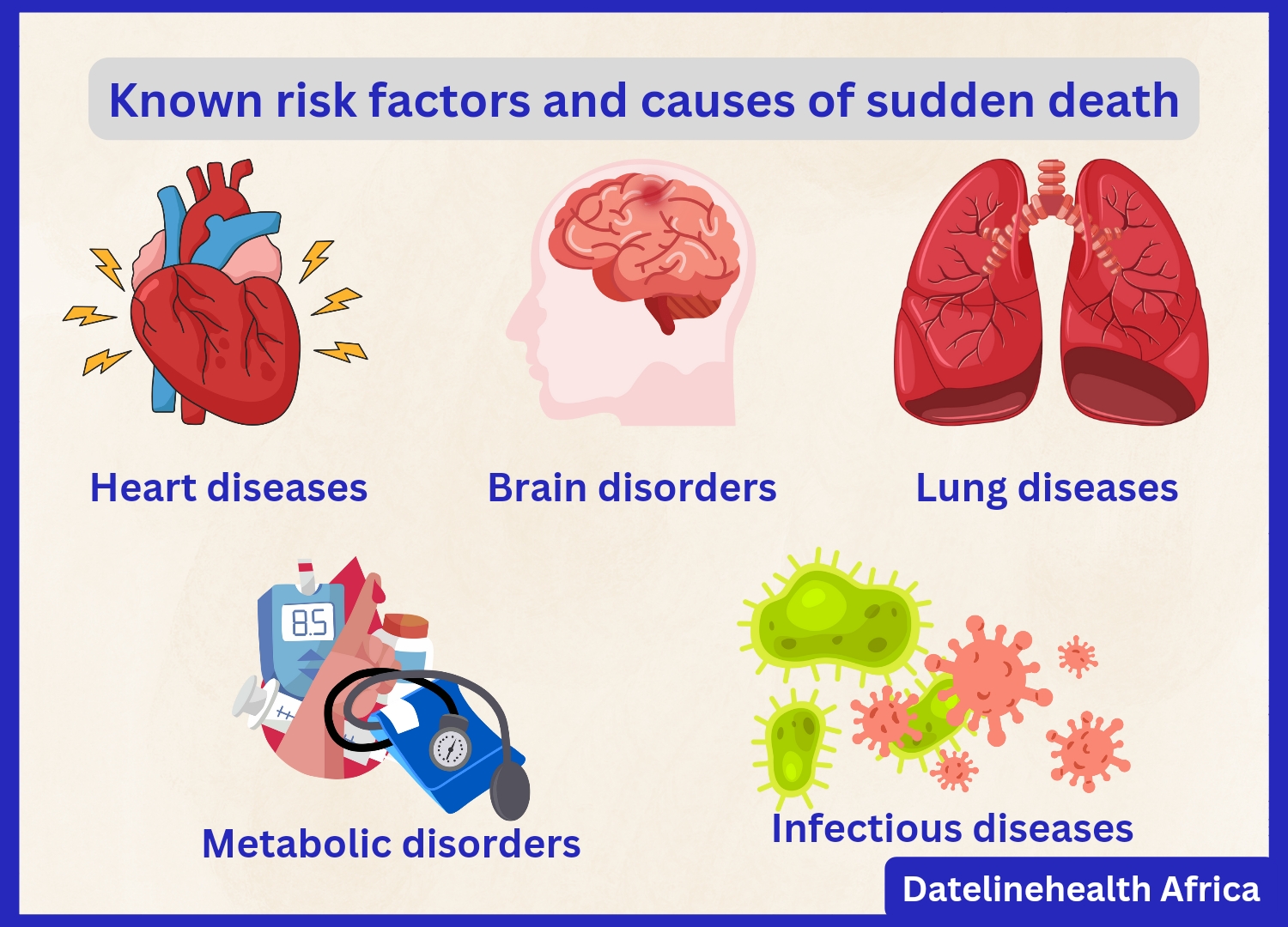
1. The Erosion of Brand Relevance: The Stagnation Trap
The most common precursor to a brand’s sudden demise is the loss of relevance. Relevance is the lifeblood of a brand; it is the bridge between what a company offers and what a consumer needs. When that bridge collapses, the brand loses its reason to exist.
The Complacency of Dominance
Market leaders are often the most vulnerable to sudden death because of a phenomenon known as “incumbent’s inertia.” When a brand dominates a category for decades, it often stops looking at the horizon and starts looking at its own balance sheet. This complacency leads to a refusal to innovate. A classic example is Kodak, which pioneered digital photography technology but suppressed it to protect its lucrative film margins. By the time they realized the world had moved on, the brand’s “sudden death” in the consumer space was already inevitable.
Ignoring the “Digital Pivot”
In the modern economy, brand relevance is tied to digital accessibility. Brands that fail to integrate their identity into the digital ecosystem face a rapid decline in visibility. Sudden death occurs when a brand treats digital transformation as a “project” rather than a fundamental shift in corporate identity. If a brand’s user experience (UX) or digital interface feels like a relic of the past, the modern consumer—who equates digital efficiency with brand quality—will abandon it in favor of “digital-native” challengers.
2. The Fatal Blow of Reputational Crisis
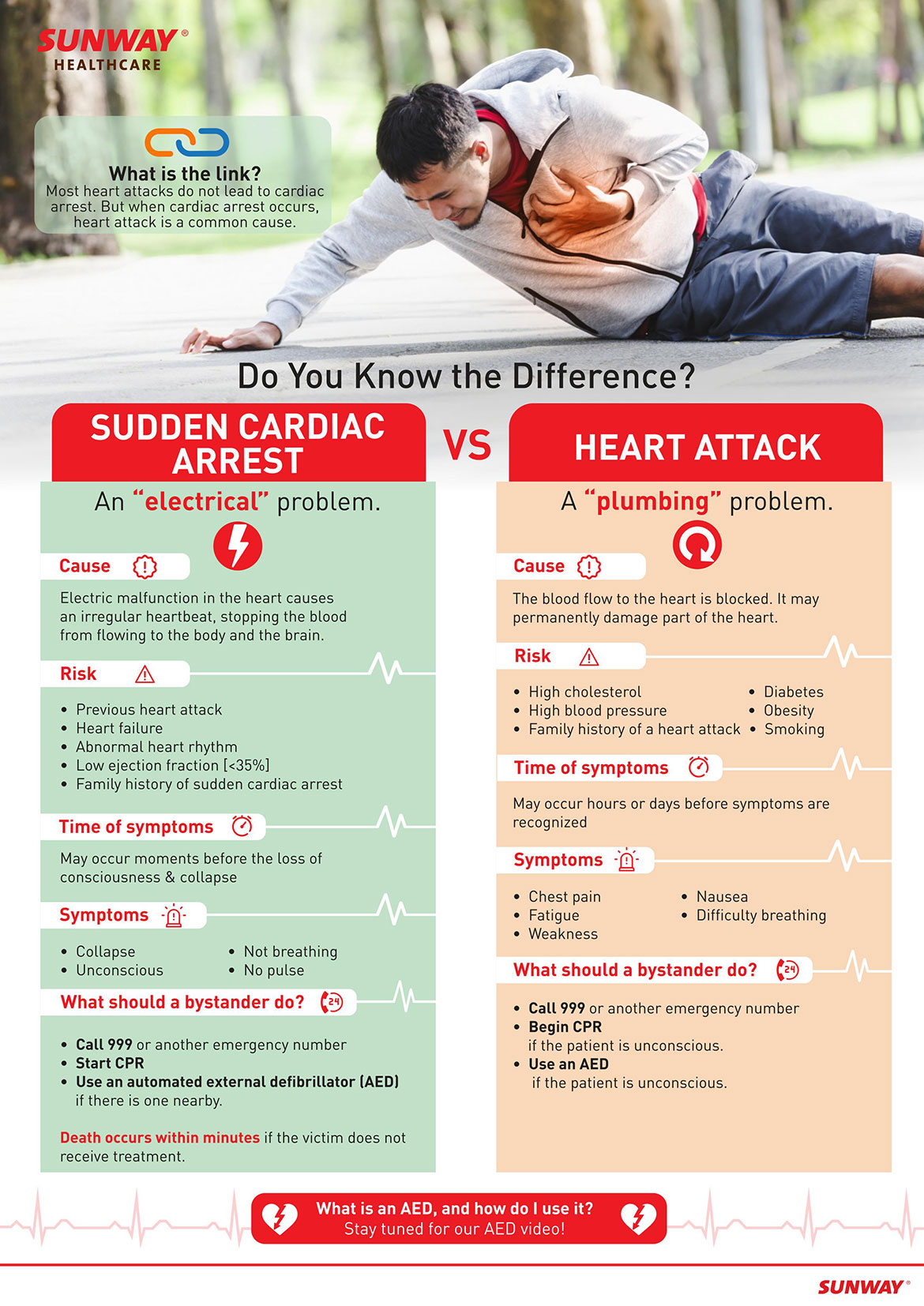
If stagnation is a slow-growing cancer, a reputational crisis is a heart attack. In a hyper-connected world, the “sudden death” of a brand can be triggered by a single event that shatters the foundational trust between the organization and its stakeholders.
Ethical Scandals and the Loss of Trust
A brand is essentially a promise. It is a psychological contract with the consumer that guarantees a certain level of quality, ethics, and reliability. When a brand is caught in a massive ethical breach—be it environmental negligence, data privacy violations, or systemic corporate fraud—that contract is torn up. Once trust is eradicated, the brand equity that took decades to build can evaporate in weeks. For many brands, the cost of litigation, combined with a total boycott from consumers, leads to a swift and irreversible collapse.
The Speed of Social Media Backlash
We now live in an era of “cancel culture” where brand sentiment can turn negative in a matter of hours. A tone-deaf marketing campaign or a poorly handled PR crisis can go viral, causing immediate damage to brand value. While most brands survive a social media “storm,” sudden death occurs when the brand’s response is defensive or dishonest. In the digital age, authenticity is the only currency. If a brand is perceived as “fake” or “out of touch” during a crisis, it loses its “social license to operate,” leading to a rapid exit from the marketplace.
3. Strategic Overextension and the Dilution of Identity

Sometimes, the cause of death isn’t a lack of growth, but an attempt at the wrong kind of growth. When a brand tries to be everything to everyone, it risks becoming nothing to no one.
Losing the Core Value Proposition
Every iconic brand has a “North Star”—a core value or unique selling proposition (USP) that defines it. Sudden death often occurs when a brand undergoes aggressive diversification into sectors where it has no authority or expertise. When a luxury brand starts producing low-end lifestyle goods, or a tech brand enters the fast-moving consumer goods (FMCG) market without a clear strategy, it confuses the consumer. This dilution of identity weakens the brand’s premium and leaves it vulnerable to specialists who do one thing better.
M&A Gone Wrong: Cultural and Brand Mismatch
Mergers and acquisitions (M&A) are often touted as growth engines, but they are frequently the catalysts for brand death. When two brands with incompatible cultures or conflicting identities merge, the resulting “Franken-brand” often loses the loyalists of both. If the integration process prioritizes financial synergy over brand alignment, the resulting confusion in the marketplace can lead to a rapid drop in market share. The sudden death here isn’t a failure of product, but a failure of narrative and cultural cohesion.
4. Market Disruption and the Inability to Compete
In the Darwinian world of business, “sudden death” is often a matter of natural selection. If a brand cannot adapt to a new environmental reality, it will be replaced by a more agile species.
The Rise of “Challenger Brands”
The barrier to entry for new brands has never been lower. Direct-to-consumer (DTC) models allow small, agile brands to bypass traditional retail and speak directly to the audience. These challenger brands often target the weaknesses of established giants: price, transparency, and personalization. When a legacy brand fails to recognize these small threats, they can find themselves displaced almost overnight. The “suddenness” of the death is often a shock to the legacy brand, which relied on its size and history as a shield, only to find that those assets had become liabilities.
Failing to Understand New Generational Values
Consumer behavior is shifting faster than ever. Millennials and Gen Z prioritize sustainability, social justice, and experiential value over traditional status symbols. Brands that were built on the values of the 20th century (exclusive luxury, mass-market uniformity, or profit-at-all-costs) are finding that their message no longer resonates. A brand that fails to align its identity with the evolving moral and aesthetic compass of the next generation will find itself relegated to the history books with alarming speed.
5. Future-Proofing: How to Prevent a Brand’s Sudden Demise
To avoid sudden death, a brand must transition from a static entity to a dynamic ecosystem. This requires a shift in mindset from “defending the castle” to “exploring the frontier.”
The Power of Radical Transparency
In an age of information, secrets are a liability. Brands that thrive are those that are radically transparent about their supply chains, their failures, and their goals. Transparency builds a “trust reservoir” that can protect the brand during times of crisis. When consumers feel like they truly know a brand, they are more likely to forgive a mistake, preventing a temporary setback from turning into a fatal collapse.
Cultivating Brand Agility
Brand strategy can no longer be a five-year fixed plan. It must be an iterative process. This involves “social listening,” rapid prototyping of marketing messages, and a willingness to pivot the brand’s identity if the market demands it. Agility means having the courage to cannibalize your own successful products before a competitor does it for you. It means being comfortable with constant evolution while keeping the core brand values intact.
Conclusion: The Vigilance of Identity
The “sudden death” of a brand is rarely a matter of bad luck. It is almost always a failure of vision, an erosion of trust, or a refusal to adapt. In the high-stakes world of global branding, the price of survival is eternal vigilance. A brand must constantly ask itself: Are we still solving a problem? Do people still trust us? And are we brave enough to change?
By understanding these risk factors—stagnation, crisis, dilution, and disruption—leaders can build brands that are not only successful in the short term but resilient enough to withstand the volatile shifts of the modern marketplace. The goal is to build a brand that doesn’t just exist, but breathes and evolves, ensuring that “sudden death” remains a cautionary tale rather than an inevitable conclusion.
aViewFromTheCave is a participant in the Amazon Services LLC Associates Program, an affiliate advertising program designed to provide a means for sites to earn advertising fees by advertising and linking to Amazon.com. Amazon, the Amazon logo, AmazonSupply, and the AmazonSupply logo are trademarks of Amazon.com, Inc. or its affiliates. As an Amazon Associate we earn affiliate commissions from qualifying purchases.