
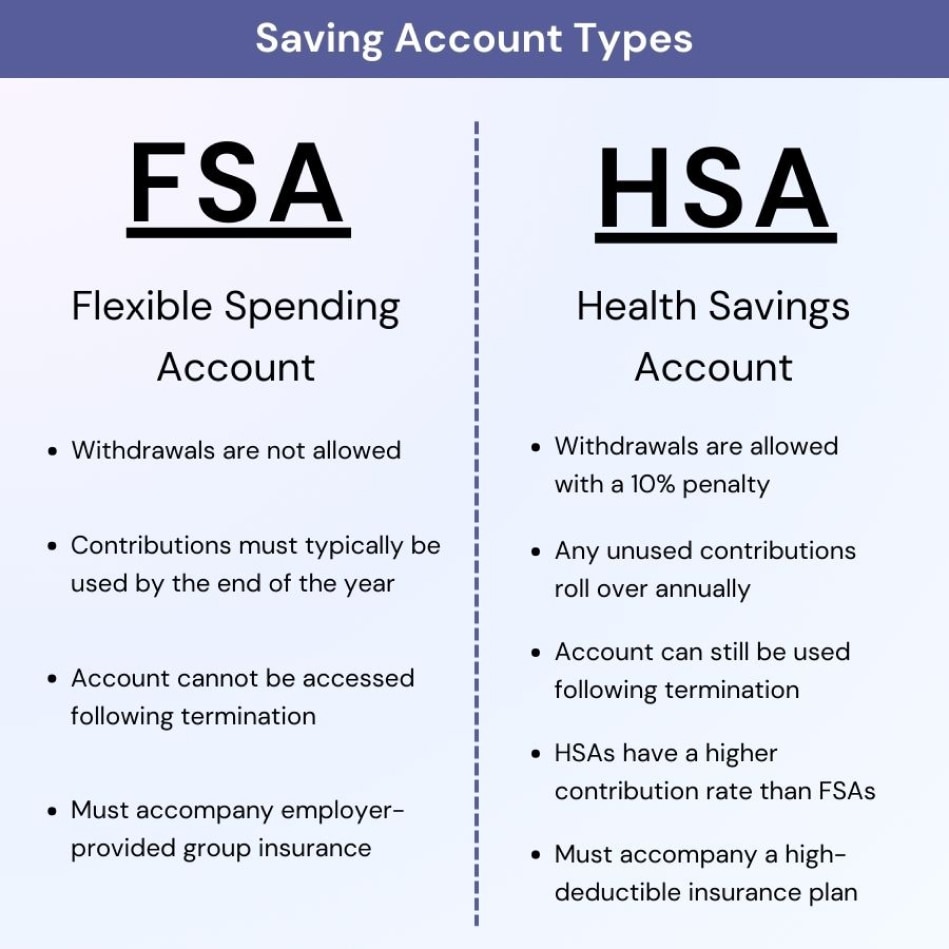
A Health Savings Account (HSA) is frequently described by financial advisors as the “Swiss Army Knife” of the personal finance world. While many people view their HSA card simply as a way to pay for a doctor’s visit or a box of bandages, it is, in reality, a sophisticated investment vehicle that offers unparalleled tax advantages. When utilized correctly, the HSA card is not just a payment method for immediate medical needs; it is a cornerstone of a long-term wealth-building strategy.
To maximize the utility of an HSA, one must understand the breadth of “qualified medical expenses” as defined by the IRS. From routine care to surprising wellness items and long-term retirement planning, the versatility of the HSA card is extensive. This guide explores the diverse applications of your HSA card, categorized through the lens of strategic financial management.

Qualified Medical Expenses: The Core Utility of Your HSA Card
The primary purpose of an HSA card is to provide a seamless way to pay for healthcare services and products using pre-tax dollars. Because contributions to an HSA are made before income taxes are calculated, using your HSA card effectively gives you a significant discount on every purchase—equivalent to your marginal tax rate.
Preventive Care and Routine Doctor Visits
The most common use for an HSA card is covering the out-of-pocket costs associated with routine medical care. Under a High Deductible Health Plan (HDHP), which is a requirement for opening an HSA, you are often responsible for the full cost of non-preventive visits until your deductible is met. Your HSA card can be used to pay for:
- Primary care physician visits and specialist consultations.
- Diagnostic services such as X-rays, blood work, and MRI scans.
- Laboratory fees and vaccinations.
- In-patient and out-of-patient hospital services.
Prescription Medications and Over-the-Counter Essentials
In recent years, the scope of what the HSA card can purchase at a pharmacy has expanded significantly. Following the passage of the CARES Act in 2020, over-the-counter (OTC) medications no longer require a prescription to be considered a qualified medical expense. This means you can use your HSA card for:
- Pain relievers (ibuprofen, acetaminophen) and allergy medications.
- Cold and flu treatments.
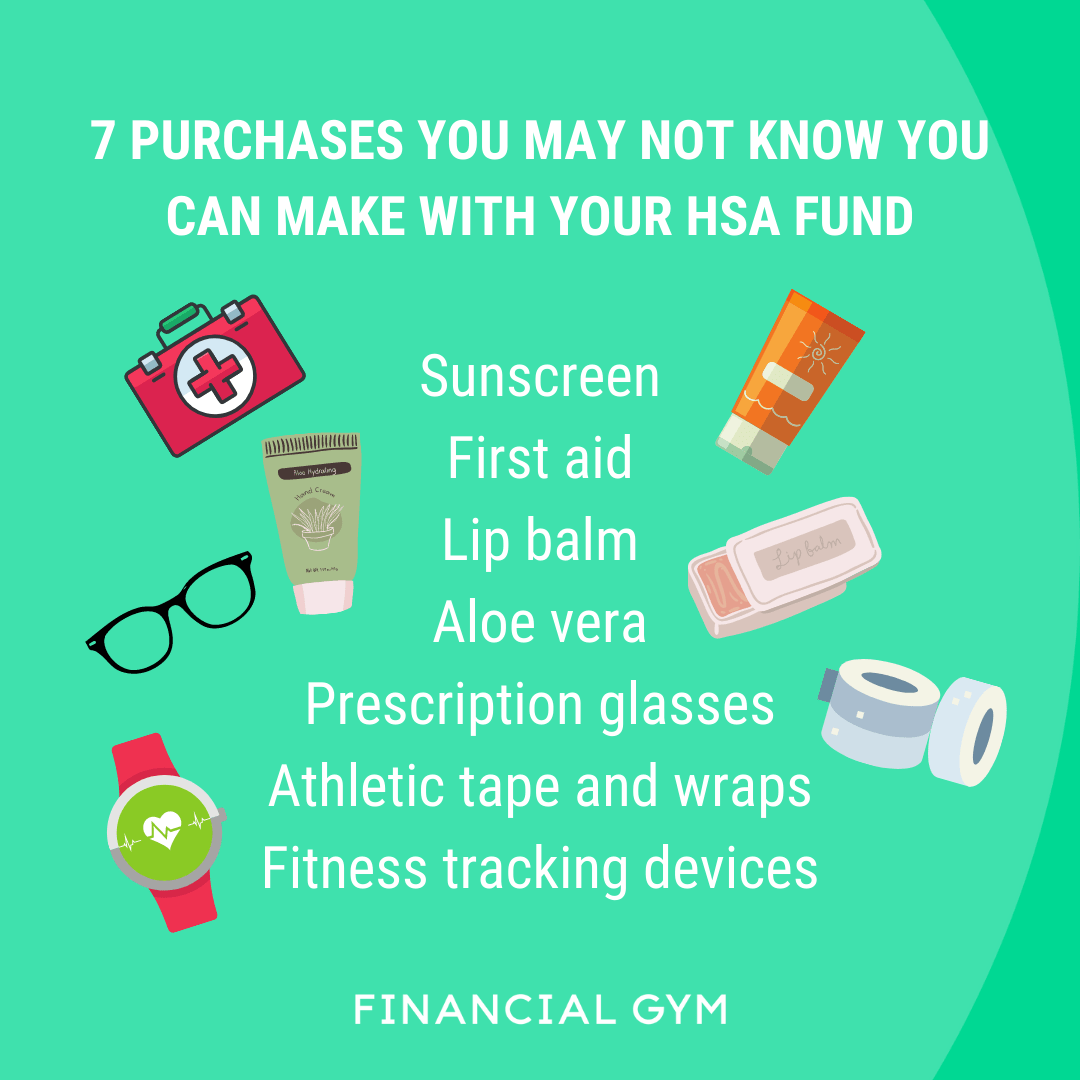
- First-aid supplies, including bandages, thermometers, and joint braces.
- Sunscreen (SPF 15 or higher) and acne treatments.
Dental and Vision Care: Beyond Basic Health
A common misconception is that HSA funds are restricted to general medical health. In reality, the IRS allows for a wide range of dental and vision expenses, which are often not fully covered by standard insurance plans. Your HSA card is a vital tool for:
- Vision: Eye exams, prescription eyeglasses, contact lenses, cleaning solution, and even LASIK eye surgery.
- Dental: Routine cleanings, X-rays, fillings, crowns, and orthodontic treatments like braces or Invisalign. (Note: purely cosmetic procedures, such as teeth whitening, are generally excluded).
Surprising and Lesser-Known Eligible Expenses
Beyond the obvious doctor’s bill, the HSA card can be used for a variety of health-related costs that many account holders overlook. Understanding these can help you better manage your cash flow and utilize your pre-tax funds for holistic well-being.
Mental Health and Therapy Services
The financial community has seen a shift toward recognizing mental health as a core component of overall physical health. Consequently, the HSA card is an eligible payment method for various psychological and psychiatric services. This includes:
- Sessions with licensed therapists, psychologists, or counselors.
- Psychiatric evaluations and medications.
- In-patient treatment for substance abuse or mental health disorders.
- Transportation costs specifically related to receiving mental health care.
Family Planning and Reproductive Health
The HSA is an excellent resource for managing the costs associated with growing a family or managing reproductive health. The card can be used for:
- Fertility treatments, including IVF, sperm storage, and egg freezing.
- Pregnancy tests and ovulation monitors.
- Breast pumps and related lactation supplies.
- Menstrual care products, including tampons, pads, and menstrual cups (another addition thanks to recent legislative changes).
- Vasectomies and other legal sterilization procedures.
Alternative Treatments and Specialized Medical Equipment
For those who prefer a holistic approach to health or require specialized assistance, the HSA card offers surprising flexibility. If a medical professional provides a Letter of Medical Necessity (LMN), many alternative treatments become eligible. Common examples include:
- Acupuncture and Chiropractic Care: These are widely recognized as qualified expenses.
- Service Animals: The cost of buying, training, and maintaining a service animal (such as a guide dog) is an eligible expense.
- Home Improvements: If modifications are made to a home for medical reasons—such as installing ramps, widening doorways for wheelchairs, or lowering cabinets—these costs can often be paid via HSA funds.
The Strategic Financial Power of the HSA Card
While the physical HSA card is used for transactions, the underlying account should be viewed as a high-performance financial engine. The “Money” niche of personal finance emphasizes the “Triple Tax Advantage” of the HSA: contributions are tax-deductible, growth is tax-free, and withdrawals for qualified expenses are tax-free.
Using the HSA as a Long-Term Investment Vehicle
Most HSA providers allow users to invest their balance in the stock market once a certain cash threshold is met. Instead of using the HSA card for every $20 co-pay, many savvy investors choose to pay for their current medical expenses out-of-pocket using a standard credit card (to earn rewards) and leave their HSA funds untouched. This allows the money to remain invested, benefiting from decades of compound growth without ever being diminished by taxes.
The “Receipt-Storage” Strategy for Future Tax-Free Withdrawals
One of the most powerful “hacks” in personal finance involves the timing of HSA reimbursements. There is currently no IRS deadline for when you must reimburse yourself for a medical expense. If you pay for a $1,000 medical procedure today with post-tax cash, you can save that receipt for 20 years. In the meantime, you leave $1,000 in your HSA to grow. Two decades later, you can use your HSA to withdraw that $1,000 (plus any growth) tax-free. This essentially turns your HSA into a secondary, more flexible retirement account.
Managing the HSA During Retirement
The HSA card takes on a new role once you reach the age of 65. At this milestone, the 20% penalty for non-medical withdrawals disappears. While you will still pay income tax on non-medical withdrawals (similar to a Traditional IRA), you can use the funds for anything—travel, housing, or lifestyle expenses. However, if you continue to use the HSA for medical costs, including Medicare premiums (specifically Parts B and D), the withdrawals remains entirely tax-free. This makes the HSA an essential tool for combating the rising costs of healthcare in retirement.
Navigating the Rules: What You Can’t (and Shouldn’t) Buy
To protect your financial standing, it is crucial to understand the limitations of the HSA card. Misusing the card can lead to IRS audits, penalties, and unexpected tax bills.
Non-Qualified Expenses and the 20% Penalty
Using your HSA card for “non-qualified” expenses—such as groceries, clothing, or a gym membership—before the age of 65 is a costly mistake. If the IRS identifies these purchases, you will be required to pay:
- Standard income tax on the amount spent.
- An additional 20% tax penalty.
This 20% penalty is significantly higher than the 10% penalty associated with early 401(k) or IRA withdrawals, reflecting the government’s strict stance on the intended use of HSA funds.
Record Keeping and Documentation Requirements
While many HSA cards have built-in technology that restricts purchases at non-medical retailers, the burden of proof rests on the account holder. The IRS does not require you to submit receipts with your tax return, but if you are audited, you must be able to prove that every dollar spent via the HSA card was for a qualified expense.
- Digital Backups: Use a cloud-based folder to store scans of receipts and “Explanation of Benefits” (EOB) statements.
- Detailed Invoices: Ensure receipts include the date of service, the provider’s name, and a description of the service or product.
Co-pays vs. Deductibles: Knowing the Difference
When using your HSA card at a hospital or clinic, it is important to understand your insurance structure. Sometimes, providers will ask for a payment upfront. Before swiping your HSA card, ensure the claim has been processed by your insurance provider. Paying a “quoted” price rather than the “negotiated insurance rate” can lead to overpayment. It is often financially wiser to wait for the final bill to arrive in the mail, verifying that it matches your insurance company’s EOB, before using your HSA card to settle the balance.
In conclusion, the HSA card is far more than a simple healthcare debit card. It is a gateway to tax-advantaged living and a robust component of a sophisticated financial plan. By understanding what constitutes a qualified expense—from basic prescriptions to complex investment strategies—you can ensure that every dollar in your HSA is working as hard as possible toward your financial freedom.
aViewFromTheCave is a participant in the Amazon Services LLC Associates Program, an affiliate advertising program designed to provide a means for sites to earn advertising fees by advertising and linking to Amazon.com. Amazon, the Amazon logo, AmazonSupply, and the AmazonSupply logo are trademarks of Amazon.com, Inc. or its affiliates. As an Amazon Associate we earn affiliate commissions from qualifying purchases.