
A Flexible Spending Account (FSA) is one of the most effective, yet frequently underutilized, tools in the modern professional’s financial toolkit. Often offered as part of a corporate benefits package, an FSA allows employees to set aside a portion of their earnings on a pre-tax basis to pay for qualified medical or dependent care expenses. The primary financial allure is simple: because these funds are deducted from your paycheck before federal, state, and Social Security taxes are applied, you effectively lower your taxable income while increasing your purchasing power for essential health services.
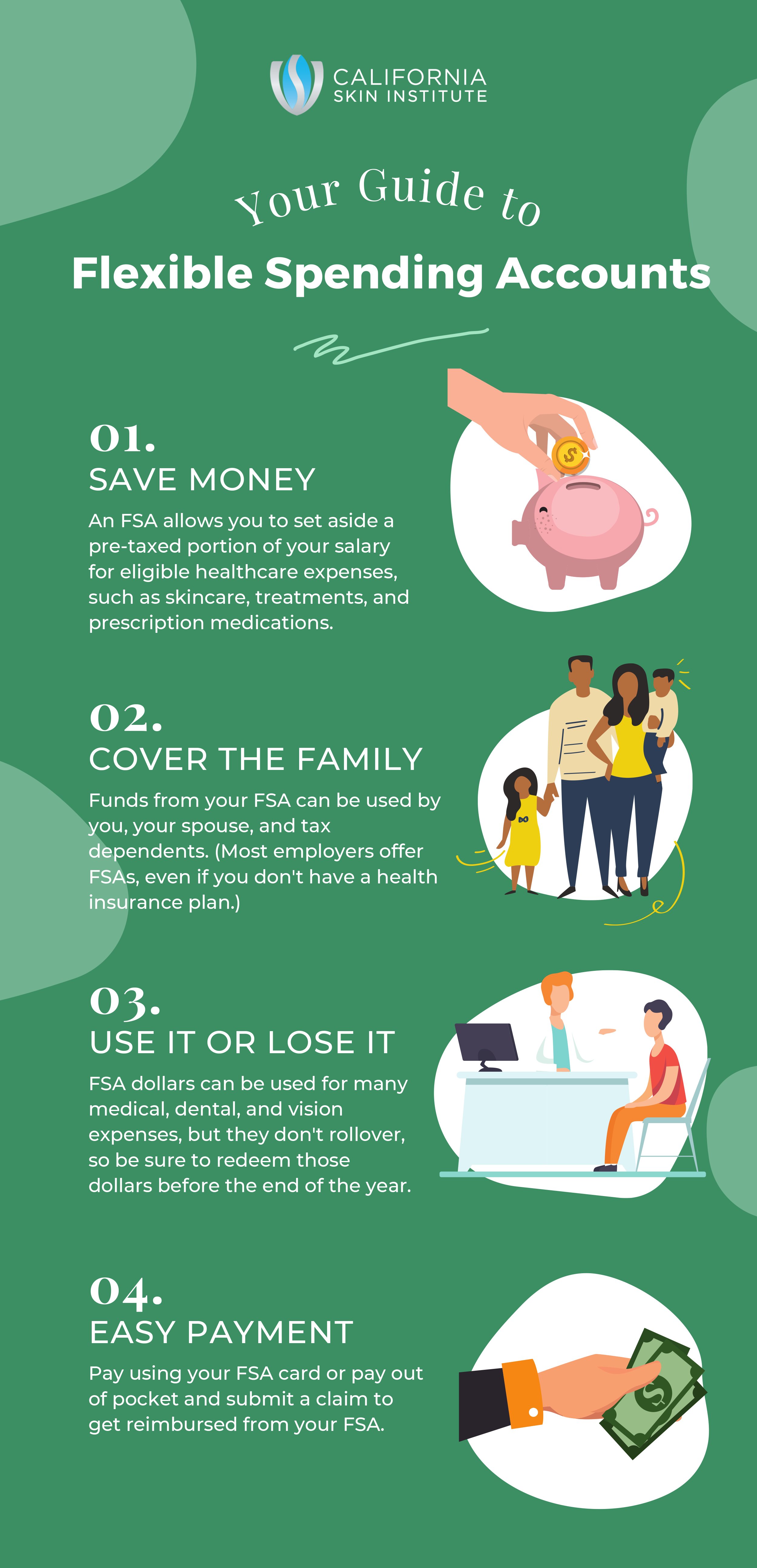
However, the “use it or lose it” nature of these accounts often leads to hesitation. Many individuals contribute conservatively to avoid forfeiting funds at the end of the year, while others scramble in December to spend their remaining balance on items they may not actually need. To truly master your personal finances, it is essential to understand the breadth of what you can spend “flex spending” on and how to strategically integrate these accounts into your long-term wealth management strategy.
Understanding the Fundamentals of Flexible Spending Accounts (FSAs)
To optimize your spending, you must first understand the mechanics of the account. An FSA is an employer-sponsored plan. Unlike a Health Savings Account (HSA), which is tethered to high-deductible health plans and rolls over indefinitely, the FSA is designed for more immediate, annual liquidity.
How FSAs Lower Your Taxable Income
The mechanics of an FSA provide an immediate “discount” on healthcare. For example, if you fall into a 24% federal tax bracket and contribute $3,000 to an FSA, you are essentially saving over $700 in taxes that would have otherwise gone to the IRS. This effectively makes every dollar spent from an FSA go significantly further than a dollar spent from your post-tax checking account.
The Difference Between Healthcare and Dependent Care FSAs
It is a common misconception that there is only one type of “flex spending.” In reality, there are two primary categories:
- Health Care FSA: Used for medical, dental, and vision expenses for you, your spouse, and your dependents.
- Dependent Care FSA: Specifically for childcare or adult daycare expenses that allow you (and your spouse, if applicable) to work or look for work.
Understanding which account you are drawing from is the first step in ensuring your spending remains compliant with IRS regulations.
Comprehensive List of Eligible Healthcare Expenses
Most people realize they can use their FSA for doctor’s office co-pays or prescription medications. However, the list of eligible expenses is far more expansive, covering a wide range of preventative care and maintenance items that can significantly reduce your out-of-pocket costs throughout the year.
Routine Medical Costs and Co-pays
The most direct use of FSA funds is for services not fully covered by your insurance. This includes co-payments for primary care visits, specialist consultations, and even emergency room fees. Additionally, diagnostic tests—such as blood work, X-rays, and MRIs—are fully eligible. If you have a chronic condition requiring regular laboratory monitoring, using pre-tax dollars for these tests is a savvy financial move.
Over-the-Counter (OTC) Products and Personal Care
Following the passage of the CARES Act in 2020, the eligibility for over-the-counter medications was significantly expanded. You no longer need a prescription to use FSA funds for common items such as:
- Pain relievers (Ibuprofen, Acetaminophen).
- Cold and allergy medications.
- Heartburn relievers and antacids.
- First-aid kits, bandages, and thermometers.
- Menstrual care products, including tampons and pads.
Vision and Dental Care: Beyond the Basics
Vision and dental expenses are often the most expensive “extras” in a family budget. Your FSA can be used for:
- Vision: Eye exams, prescription eyeglasses, contact lenses, contact lens solution, and even prescription sunglasses. High-cost procedures like LASIK or other corrective eye surgeries are also eligible, making the FSA an ideal way to fund these life-changing investments.
- Dental: While cosmetic whitening is generally excluded, routine cleanings, fillings, root canals, and crowns are covered. Orthodontia, including braces and clear aligners (like Invisalign), is also a qualifying expense, which can save families thousands of dollars in taxable income over the course of a multi-year treatment plan.
Surprising and Lesser-Known Eligible Expenses
Beyond the pharmacy aisle, there are dozens of health-related products and services that qualify for FSA spending. These items are often overlooked, leading many to believe they have “nothing left to buy” at the end of the year.
Technology-Integrated Health Gadgets
As the line between technology and healthcare blurs, many high-tech devices have become FSA-eligible. You can use your funds for:
- Blood pressure monitors and oximeters.
- Smart thermometers that sync with apps to track fevers.
- High-end breast pumps and lactation support technology.
- Hearing aids and their replacement batteries.
- Light therapy lamps for Seasonal Affective Disorder (SAD), provided you have a letter of medical necessity.
Mental Health and Specialized Therapies
Mental health is an integral part of overall well-being, and the IRS recognizes this. Fees paid to psychologists, psychiatrists, and licensed clinical social workers are eligible. Furthermore, specialized therapies—such as acupuncture, chiropractic care, and even certain types of massage therapy (when prescribed by a doctor to treat a specific medical condition)—can be paid for with flex spending dollars.
Sun Protection and Skin Care
Not all skincare is cosmetic. Products that serve a medicinal or preventative purpose are often eligible. This includes sunscreen (SPF 15 or higher), acne treatments, and medicated eczema creams. By stocking up on high-quality sun protection using your FSA, you are investing in long-term dermatological health while utilizing pre-tax capital.
Strategic Spending for the Dependent Care FSA
While the Healthcare FSA gets most of the attention, the Dependent Care FSA (DCFSA) is a powerhouse for families with young children or elderly dependents. The contribution limits for DCFSAs are generally higher than Healthcare FSAs, and the savings can be substantial.
Childcare and Summer Camps
The primary use of a DCFSA is for daycare, preschool, and after-school programs. However, many parents are unaware that summer day camps also qualify. As long as the camp is chosen to allow the parents to remain employed, the tuition is an eligible expense. Note that overnight camps do not qualify, as the IRS views the “boarding” aspect as a personal rather than a professional necessity.
Adult Daycare and Eldercare Services
As the “sandwich generation” grows, more professionals are caring for aging parents. If you claim an elderly parent as a dependent and they live with you at least eight hours a day, you can use DCFSA funds to pay for adult daycare services. This allows the caregiver to maintain their career while ensuring their loved one receives professional care during the day.
Optimizing Your FSA Contributions and Year-End Planning
The key to mastering the FSA is not just knowing what to spend it on, but when and how to allocate your funds. Because of the “use it or lose it” rule, strategic planning is paramount to avoid financial waste.
Avoiding the “Use It or Lose It” Trap
Most FSA plans require you to spend your balance by December 31st. However, some employers offer one of two “relief” options:
- The Grace Period: A two-and-a-half-month extension (usually until March 15th) to spend the previous year’s funds.
- The Carry-over: The ability to roll over a set amount (regulated by the IRS, currently around $640) into the following plan year.
Check with your HR department to see which option your company provides. If you have neither, you should perform a “healthcare audit” every October to identify upcoming needs, such as refilling prescriptions, scheduling an annual physical, or purchasing a new pair of glasses.
Budgeting for Future Health Needs
When enrolling in an FSA during open enrollment, look at your previous year’s spending as a baseline. Factor in known upcoming costs—such as a planned surgery, a child starting braces, or a routine change in contact lens prescription. By accurately forecasting these expenses, you maximize your tax savings without the stress of “forced spending” at the end of the year.
Financial Tools and Integration
Many FSA administrators now provide debit cards linked directly to your account. This eliminates the “pay and reclaim” hassle, allowing for seamless transactions at the point of sale. For those who must submit claims manually, digital tools and apps that track receipts are essential. Maintaining a digital “tax folder” ensures that if the IRS or your plan administrator requests documentation, you have it readily available, protecting your account’s compliance.
In conclusion, a Flexible Spending Account is far more than a simple medical “piggy bank.” It is a sophisticated financial instrument that, when managed correctly, provides a significant hedge against rising healthcare costs and high taxation. By broadening your perspective on what constitutes an “eligible expense”—from high-tech health monitors to summer camps—you can ensure that every dollar you earn works harder for your health and your financial future.
aViewFromTheCave is a participant in the Amazon Services LLC Associates Program, an affiliate advertising program designed to provide a means for sites to earn advertising fees by advertising and linking to Amazon.com. Amazon, the Amazon logo, AmazonSupply, and the AmazonSupply logo are trademarks of Amazon.com, Inc. or its affiliates. As an Amazon Associate we earn affiliate commissions from qualifying purchases.