
In the modern era of professional sports, an athlete is no longer just a player on a field; they are a high-value corporate entity. When we ask, “What award did Joe Burrow win?” the literal answer involves a list of prestigious accolades including the Heisman Trophy, the Maxwell Award, and the NFL Comeback Player of the Year. However, from a brand strategy perspective, these awards are more than just silver and gold—they are the critical building blocks of a multi-million dollar personal brand identity.
Joe Burrow’s ascent from a backup at Ohio State to a Super Bowl quarterback and a global icon provides a definitive case study in personal branding. His awards represent “Brand Validations,” milestones that transitioned him from a prospect into a premium market leader. This article explores how Burrow’s accolades served as the foundation for a brand that balances poise, authenticity, and high-performance reliability.

The Heisman Trophy as the Ultimate Brand Launchpad
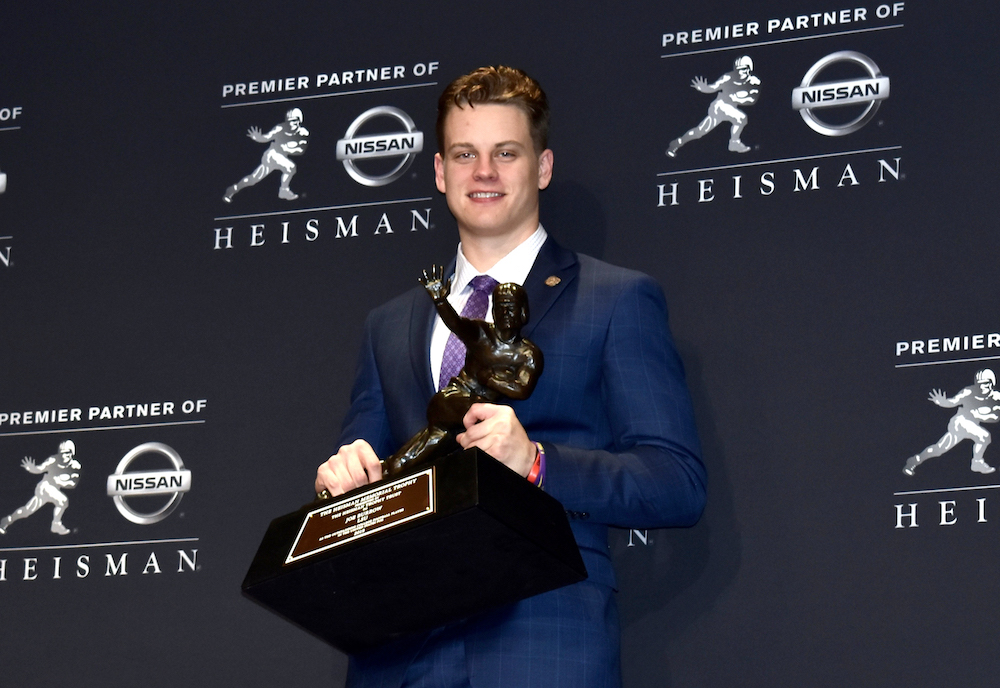
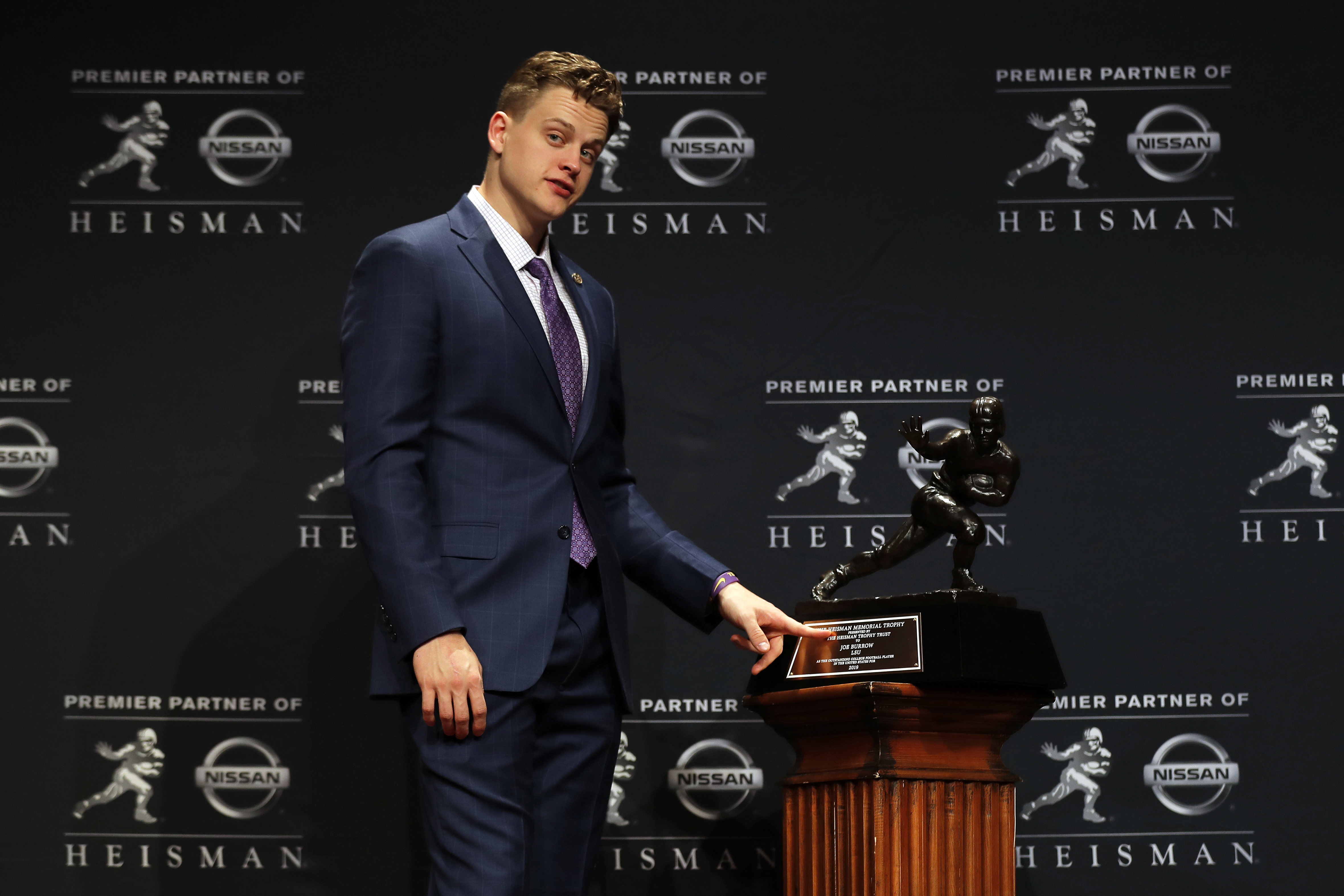
The 2019 Heisman Trophy is perhaps the most significant “Product Launch” in the history of college sports. For Joe Burrow, winning this award was not merely a recognition of his statistical dominance at LSU; it was the moment his personal brand achieved a “Unicorn” status in the eyes of corporate sponsors and NFL franchises.
Building the “Joe Cool” Persona
Branding is about perception, and the Heisman provided the stage for Burrow to solidify his “Joe Cool” persona. The image of Burrow smoking a cigar after the National Championship, combined with the poise required to win the Heisman, created a brand aesthetic of “effortless excellence.” In branding terms, this is known as high-status positioning. By winning the most prestigious individual award in college sports, Burrow didn’t just gain a trophy; he gained a “Premium” label that allowed him to command top-tier endorsement deals before he even took an NFL snap.
The Power of Narrative in Brand Positioning
A strong brand requires a compelling “Origin Story.” Burrow’s Heisman acceptance speech is frequently cited by marketing experts as a masterclass in brand storytelling. By using his platform to speak about food insecurity in his hometown of Athens, Ohio, he added a layer of “Social Responsibility” to his brand. This shifted his identity from a mere “Elite Athlete” to a “Community Leader.” For brand strategists, this move increased his “Brand Equity” by humanizing an otherwise untouchable superstar, making him attractive to a wider demographic of consumers and corporate partners.
Resilience and the Comeback Player of the Year Award
In 2021, Joe Burrow won the NFL Comeback Player of the Year award after returning from a devastating knee injury. In the world of brand strategy, this award represents “Crisis Management” and “Brand Resilience.”
Strategic Rebranding After Adversity
Every major brand faces a crisis—for Burrow, it was the physical breakdown of his “product” (his body). The way a brand responds to failure determines its long-term viability. By winning the Comeback Player of the Year, Burrow effectively “rebranded” his injury from a liability into a narrative of grit and reliability. He proved to stakeholders—specifically the Cincinnati Bengals and global sponsors like Nike and Bose—that his brand was durable. This award served as a “Warranty” for his future performance, assuring investors that the Burrow brand could withstand high-pressure volatility.
Emotional Connection: The Core of Loyalty
The Comeback Player of the Year award tapped into the most powerful tool in marketing: empathy. Brands that evoke emotion foster deeper loyalty. Burrow’s journey from the surgical table back to the Super Bowl created an emotional “Brand Bond” with fans that transcended team colors. This emotional capital is what allows a personal brand to survive poor performance cycles; fans and sponsors stay loyal to the “story” of the person, not just the stats on the page.
The Cincinnati Effect: Revitalizing a Corporate Brand
Joe Burrow’s awards didn’t just elevate his own identity; they performed a “Corporate Turnaround” for the Cincinnati Bengals organization. Before Burrow’s arrival and his subsequent accolades, the Bengals brand was often associated with stagnation.
Brand Alignment: The Quarterback and the City
Winning the AFC Offensive Player of the Year and leading his team to a Super Bowl appearance (winning the AFC Championship) acted as a “Merger” between Burrow’s personal brand and the city’s identity. Successful branding often relies on “Geographic Identity.” Burrow successfully aligned his brand with the “Blue-Collar Excellence” of the Midwest. This alignment created a symbiotic relationship where the “Burrow Brand” and the “Cincinnati Brand” grew in value together. This is evidenced by the massive increase in jersey sales, ticket demand, and local economic impact—metrics that CMOs use to measure brand health.
Market Value and Sponsorship Integration
The awards Burrow won provided the “Proof of Concept” needed for high-level corporate integration. Brands like Guinness, Fanatics, and various fashion labels have sought partnerships with Burrow because his awards signify a “High Conversion Rate.” When a brand associates with a winner, they are purchasing a piece of that winner’s “Winning Sentiment.” Burrow’s trophies serve as third-party certifications of quality, much like an ISO certification in the tech world or a Michelin star in the culinary world. They lower the “Perceived Risk” for corporate partners looking to invest millions in an endorsement.
Future-Proofing the Burrow Brand Identity
As Joe Burrow continues his career, his focus has shifted from winning awards to “Brand Sustainability.” A brand that relies solely on current performance is vulnerable; a brand that builds a legacy is immortal.
Diversification and Philanthropy
The Joe Burrow Foundation represents the “Brand Extension” phase. By leveraging the fame garnered from his Heisman and NFL awards, Burrow has created a non-profit entity that ensures his brand remains relevant regardless of his win-loss record. In brand strategy, this is called “Diversification.” He is moving his brand equity into the “Social Impact” sector, which provides long-term stability and protects his public image against the inevitable decline of an athletic career.
Maintaining Authenticity in a High-Stakes Market
The most difficult aspect of personal branding is maintaining “Authenticity” as the brand scales. Despite the accolades and the massive contracts, Burrow has maintained a brand voice that is perceived as genuine and “Unfiltered.” Whether he is discussing his love for cartoons or his pre-game fashion choices, he adheres to a “Brand Voice” that is consistent. Consistency is the hallmark of a successful corporate identity. By staying true to the “Joe Cool” persona established during his first major award win, he avoids “Brand Dilution”—a common pitfall where a public figure becomes too “corporate” and loses their original appeal.
Conclusion: Awards as Equity
When analyzing what awards Joe Burrow won, we must look beyond the physical objects. The Heisman Trophy was his “Market Entry” strategy. The Comeback Player of the Year was his “Quality Assurance.” His various Pro Bowl selections and AFC titles are his “Market Share” indicators.
Joe Burrow has demonstrated that in the 21st century, a trophy is a marketing asset. He has meticulously used his on-field success to build a brand that stands for resilience, style, and community impact. For any business leader or aspiring influencer, the “Burrow Method” provides a clear roadmap:
- Deliver a high-quality product (Win the award).
- Control the narrative (Define what the award means).
- Leverage the success for broader impact (Build the foundation and partnerships).
Joe Burrow didn’t just win awards; he won the market. His trophies are the tangible evidence of a masterfully executed brand strategy that will likely pay dividends long after he hangs up his cleats. In the economy of attention, Burrow remains a “Blue Chip” brand, proving that while talent wins games, a strategically managed brand wins the future.
aViewFromTheCave is a participant in the Amazon Services LLC Associates Program, an affiliate advertising program designed to provide a means for sites to earn advertising fees by advertising and linking to Amazon.com. Amazon, the Amazon logo, AmazonSupply, and the AmazonSupply logo are trademarks of Amazon.com, Inc. or its affiliates. As an Amazon Associate we earn affiliate commissions from qualifying purchases.