
In the modern globalized marketplace, brands are no longer just providers of goods or services; they are cultural participants. To remain relevant in an increasingly crowded digital landscape, major corporations and boutique agencies alike must navigate the complex waters of cultural symbolism and seasonal marketing. One of the most potent examples of this strategic alignment is the utilization of the Chinese Zodiac, specifically the “Year of the Ox.” While the Ox is a traditional lunar symbol, for brand strategists, it represents a multifaceted opportunity to communicate values of reliability, strength, and long-term growth to a global audience.
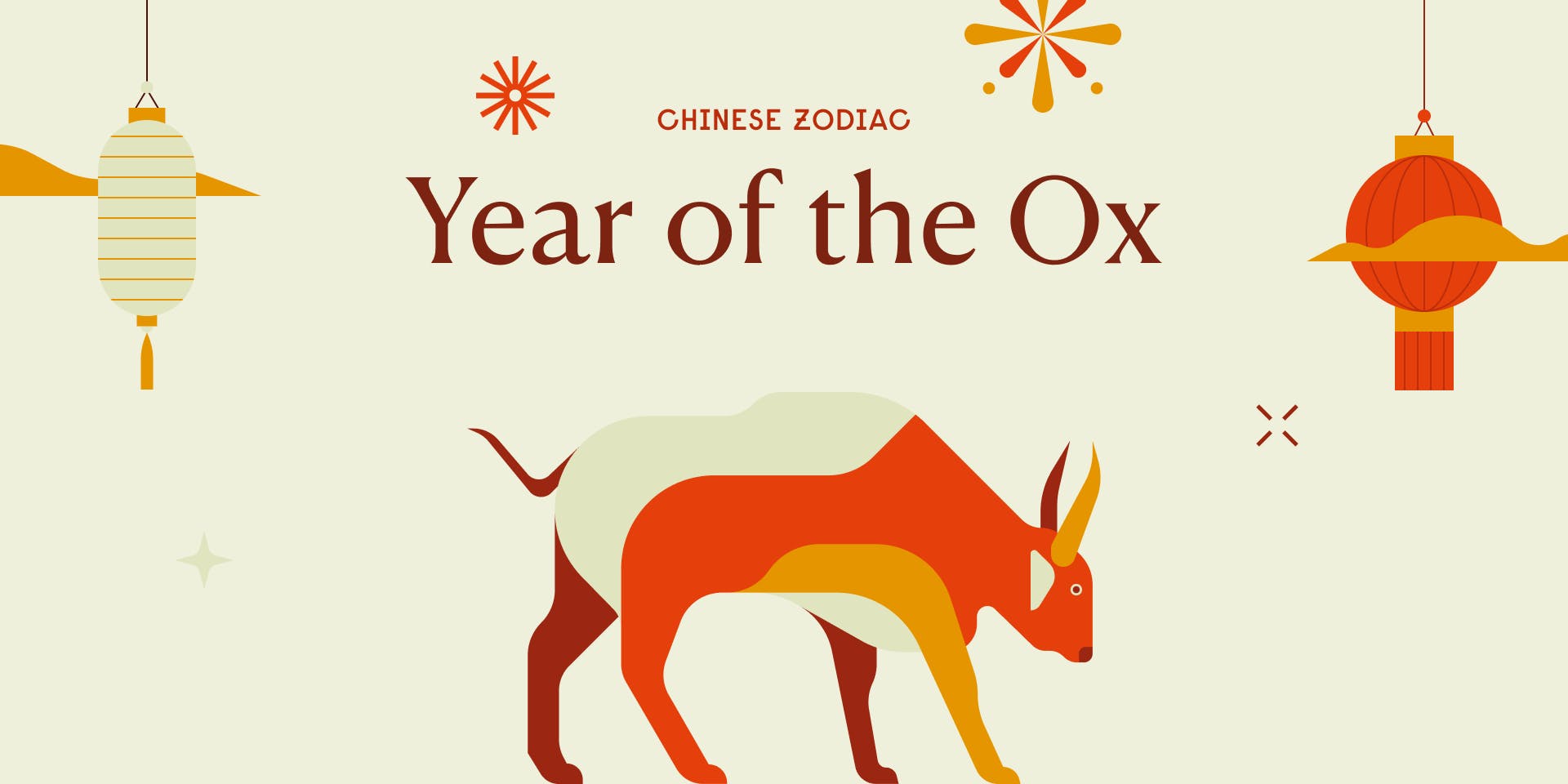
Strategic branding during the Year of the Ox is not merely about placing an animal logo on a product. It is a sophisticated exercise in corporate identity, localization, and emotional resonance. By understanding the psychological and cultural nuances of the Ox, brands can craft narratives that transcend borders, fostering a deeper connection with consumers who value the virtues associated with this particular cycle.
The Psychology of Cultural Relevance in Global Branding
The foundation of any successful brand strategy lies in its ability to tap into the collective consciousness of its target demographic. The Year of the Ox provides a unique chronological framework for brands to refresh their identity and prove their cultural fluency. In the world of high-stakes marketing, “cultural relevance” is the currency that buys consumer trust.
Emotional Connection and Trust Building
Consumers are increasingly driven by emotional triggers rather than purely functional benefits. The Ox, in various cultural contexts, symbolizes diligence, persistence, and honesty. When a brand aligns its messaging with these traits, it performs a subtle psychological “halo effect” transfer. By celebrating the Year of the Ox, a company isn’t just acknowledging a date on the calendar; it is signaling to the consumer that the brand itself embodies the steadfast and reliable nature of the Ox. This builds a layer of trust that is difficult to achieve through traditional advertising alone.
The Power of Scarcity and Timeliness
From a brand strategy perspective, the cyclical nature of the zodiac creates a natural “limited time offer” environment. Products launched under the banner of the Year of the Ox carry an inherent expiration date, which drives urgency and collector behavior. This is particularly effective in the luxury sector, where exclusivity is paramount. By creating a Year of the Ox special edition, a brand creates a “snapshot in time,” making the product a piece of cultural history rather than just another SKU in the catalog.
Case Studies: How Global Leaders Utilize the Ox Motif
Examining how top-tier brands have approached the Year of the Ox reveals a masterclass in design-led strategy. These companies do not simply “copy and paste” cultural icons; they integrate the symbolism into their own brand DNA.
Technology Giants and Product Localization
Apple serves as a prime example of a brand that masters the “Year of the Ox” strategy. Instead of a generic marketing campaign, Apple often releases limited-edition hardware, such as engraved AirPods or localized Apple Watch faces. This strategy does two things: it honors the specific cultural tradition of the Lunar New Year while maintaining the minimalist, premium aesthetic of the Apple brand. It demonstrates that the brand is attentive to the specific cultural identities of its massive East Asian customer base without compromising its global corporate identity.
Fashion Houses and Aesthetic Integration
In the fashion industry, brands like Gucci, Louis Vuitton, and Dior use the Year of the Ox to experiment with “maximalist” branding. The Ox offers a visual palette that allows for bold illustrations and unique textures. For these brands, the strategy is about visibility. By creating high-fashion interpretations of the Ox, they position themselves at the intersection of tradition and modernity. This appeals to the “New Luxury” consumer—younger, culturally aware individuals who want their purchases to reflect both their heritage and their status.
Beverage and Lifestyle Brands
The beverage industry, particularly high-end spirits like Johnnie Walker or Hennessy, utilizes the Year of the Ox to enhance their “giftability.” The packaging becomes the product. By commissioning renowned artists to interpret the Ox for their bottle designs, these brands elevate their product from a consumable to a work of art. This strategy focuses on the “unboxing” experience and the prestige of giving a gift that carries deep symbolic weight, reinforcing the brand’s position as a leader in celebratory culture.
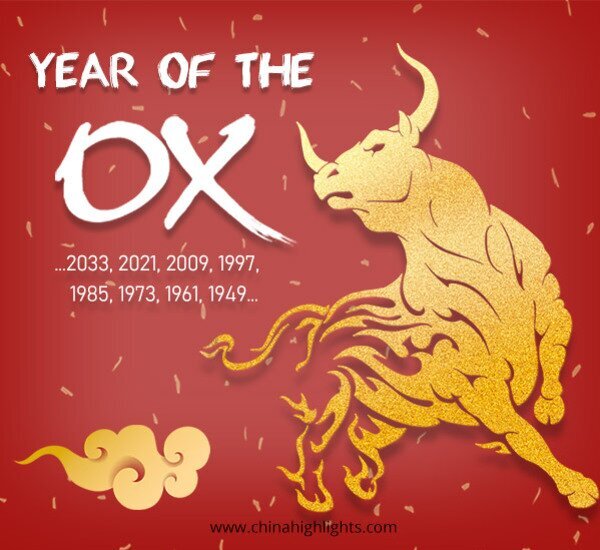
Symbolism as a Tool for Corporate Identity and Storytelling
Beyond product design, the Year of the Ox offers a thematic goldmine for corporate storytelling. A brand’s identity is often built on its “origin story” and its “mission statement.” The attributes of the Ox provide a perfect metaphor for companies looking to emphasize their resilience.
Strength and Reliability in Messaging
In times of economic volatility, the symbolism of the Ox is particularly effective. Brands that want to project a sense of stability often lean into the “steadfast” nature of the Ox. Corporate communications might focus on the “slow and steady” progress of the company, mirroring the Ox’s legendary persistence. This form of branding is less about flash and more about substance, appealing to B2B clients and long-term investors who value reliability over short-term trends.
Longevity and Heritage
The Ox is also associated with the earth and the harvest, symbols of long-term planning and eventual reward. For heritage brands—those that have been in business for decades or centuries—the Year of the Ox is an opportunity to remind the public of their longevity. The narrative shifts to “planting seeds for the future,” a strategy that resonates well with ESG (Environmental, Social, and Governance) goals. By linking the brand’s history to the cyclical nature of the zodiac, the company reinforces the idea that it is a permanent fixture in the consumer’s life.
Strategic Implementation: Navigating Cross-Cultural Marketing
While the Year of the Ox presents immense opportunities, it also requires a high degree of cultural sensitivity. Brand strategy in this space must be handled with precision to avoid the pitfalls of cultural appropriation or superficiality.
Avoiding Stereotypes and Clichés
One of the biggest risks in seasonal branding is falling into “cliché” territory. Using red and gold or a cartoonish ox without understanding the underlying aesthetic preferences of the target audience can backfire, making the brand look out of touch. Successful brands hire local designers and consultants to ensure that their interpretation of the Ox is sophisticated and respectful. The goal is “cultural appreciation,” where the brand adds something new to the conversation rather than just mimicking existing symbols.
Aesthetic Integration vs. Brand Dilution
A major challenge for brand managers is how to incorporate Ox-themed elements without diluting the brand’s core visual identity. The most successful strategies involve a “blending” process. This might mean using the brand’s signature color palette to render an Ox illustration or using a subtle watermark on packaging. The key is to ensure that the product is still instantly recognizable as belonging to the brand, even with the addition of seasonal symbols.
The Future of Seasonal Branding in the Digital Age
As we move further into a digital-first economy, the way brands interact with the Year of the Ox is evolving. The strategy is moving away from physical products alone and into the realm of digital experiences and brand ecosystems.
Data-Driven Personalization
In the digital age, brands can use data to personalize their “Year of the Ox” campaigns. Instead of a one-size-fits-all approach, a brand might use purchase history to offer specific Ox-themed rewards to their most loyal customers. This creates a sense of “exclusive belonging,” which is a core pillar of modern personal and corporate branding. Digital platforms allow for interactive storytelling, where consumers can engage with the brand’s Ox narrative through augmented reality (AR) filters or social media challenges.
Sustainability and the “Ox” Ethos
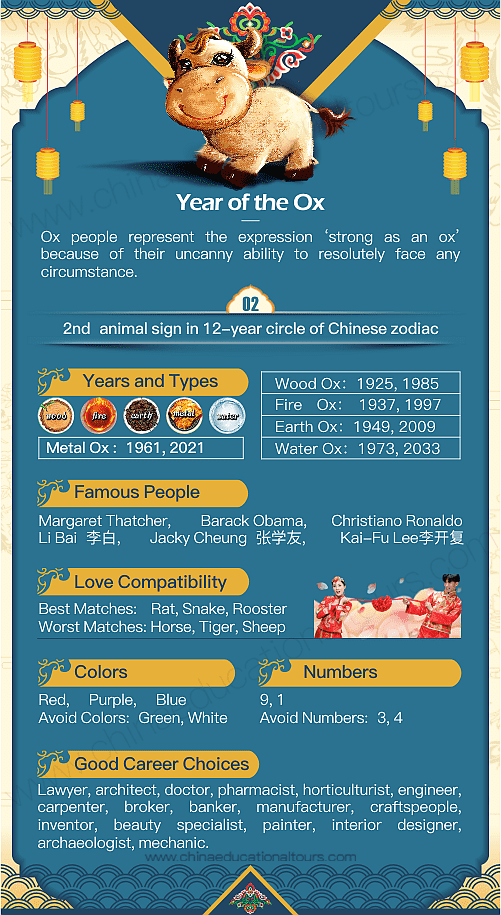
As sustainability becomes a central part of brand strategy, the Year of the Ox offers a platform to discuss “slow consumption.” The Ox’s association with the earth provides a natural bridge for brands to promote their eco-friendly initiatives. A brand might launch a campaign during the Ox year that focuses on the “strength” of recycled materials or the “patience” required to grow sustainable supply chains. This aligns the brand with the values of a new generation of consumers who prioritize ethics as much as aesthetics.
In conclusion, the Year of the Ox is far more than a traditional calendar event; it is a powerful strategic tool for global brands. By tapping into the virtues of strength, reliability, and persistence, and by executing these themes with cultural sensitivity and design excellence, brands can significantly enhance their market position and emotional resonance. In the competitive world of global commerce, those who understand how to harness these cultural cycles are the ones who will ultimately lead the herd.
aViewFromTheCave is a participant in the Amazon Services LLC Associates Program, an affiliate advertising program designed to provide a means for sites to earn advertising fees by advertising and linking to Amazon.com. Amazon, the Amazon logo, AmazonSupply, and the AmazonSupply logo are trademarks of Amazon.com, Inc. or its affiliates. As an Amazon Associate we earn affiliate commissions from qualifying purchases.